
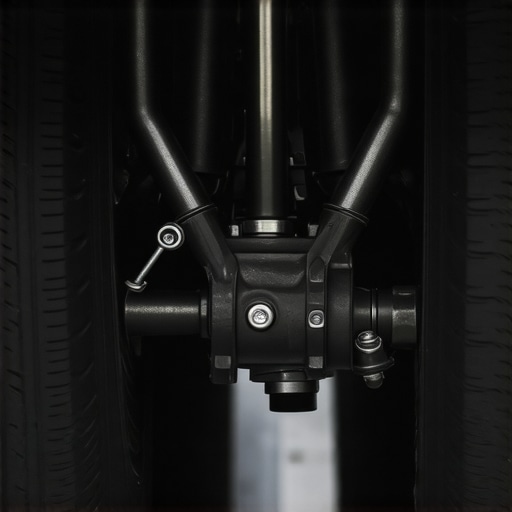
I remember the last time I scraped my wheels over a speed bump and was met with that unmistakable tap-tap-tap—like my car was echoing its own tiny drum line. It was both frustrating and a little nerve-wracking, wondering if I had done some serious damage. Turns out, that tapping sound isn’t just a nuisance; it’s a sign that something’s not quite right under your car—and ignoring it could lead to bigger, more expensive issues down the road.
Don’t Ignore That Tap: What’s Really Going on?
Is it Just a Loose Panel or Something More Serious?
Many folks think a tapping sound over speed bumps is just a minor cosmetic issue, maybe a loose trim or a misaligned fender. But often, it’s a warning sign of a more insidious problem—like worn-out suspension components or failing CV joints—that needs attention before it worsens. Early on, I made the mistake of dismissing such noises as superficial, which only led to pricier repairs later.
Knowing the difference between harmless rattles and signs of impending failure is crucial. In fact, according to the Car Care Council, ignoring suspension issues can compromise vehicle safety and handling, increasing the risk of accidents.
Have you ever experienced that persistent tap when crossing even the smallest bump? If so, you’re not alone, and there’s good news: with a little knowledge and some preventative checks, you can address the root cause before it turns into a costly repair.
Now, let’s dive into what could be causing that tap and how you can troubleshoot it yourself—or know when it’s time to see a professional.
Start With a Visual Inspection of Your Suspension and Components
Pull over safely and open your hood. Look for loose or damaged parts such as control arms, sway bar links, or off-balance tires. Use a flashlight to aid visibility. My first quick check revealed a loose nut on my strut assembly, which I tightened with a wrench. This simple fix stopped the tap and saved me a trip to the mechanic. Regular inspections can catch issues before they worsen.
Test Your Suspension for Worn-Out Parts
Gently push down on each corner of your vehicle; if it bounces excessively or makes a knocking sound, there’s likely suspension wear. For example, I noticed my front end bounced more than usual, indicating a worn shock absorber. Replacing shocks or struts restores ride comfort and prevents further damage. Consider consulting a professional if you’re unfamiliar with suspension repairs.
Check Your CV Joints and Driveshafts
Listen for clicking or clunking during turns, which suggests CV joint issues. Jack up the car and spin the wheels by hand; feel for excessive play or rough movement. I once encountered this sign during a quick roadside check, which prompted me to replace a failing CV joint—resolving the noise issue and ensuring safe drives. Addressing CV issues promptly prevents costly driveline damage.
Examine Your Tires and Wheel Alignment
Uneven tire wear and misalignment can cause tapping sounds over bumps. Use a tire tread depth gauge to evaluate wear; if uneven, get a professional wheel alignment. I once noticed my tires wore unevenly after a pothole hit, leading to noise. Realigning and balancing my tires eliminated the tap and improved handling.
Inspect Your Brakes for Potential Causes
Worn brake pads or warped rotors can produce tapping noises. Remove the wheel and visually check brake pad thickness; less than 3mm indicates replacement needed. Also, feel for roughness or pulsing during braking. A quick brake check on my vehicle revealed uneven rotors, which I had resurfaced at a local brake shop. Regular brake maintenance prevents noise and enhances safety.
Know When It’s Time for a Professional Evaluation
If you’ve performed these checks and still can’t identify the source, or if you’re uncomfortable doing certain procedures, consult a trusted mechanic. They can perform advanced diagnostics, including suspension testing and drivetrain inspections. For expert guidance, you can reach out through this contact page. Preventative maintenance and timely repairs save money and keep your vehicle safe.
When it comes to car service, many drivers hold misconceptions that can cost them time and money. Let’s dig deeper into some of the most misunderstood aspects, highlighting nuances that often go unnoticed.
Are Repairs Always Needed Immediately for Every Warning Sign?
Contrary to popular belief, not every warning light or unusual sound signals an urgent repair. Sometimes, symptoms like minor vibrations or dashboard indicators can be safely monitored before diving into costly fixes. Experts suggest that understanding the context and history of your vehicle helps in making informed decisions, preventing unnecessary expenses. According to automotive technician insights, rushing into service for every alert can lead to overdiagnosis and unwarranted repairs, which is why comprehensive diagnostics are essential for accurate assessments.
Don’t Fall for the Myth That Cheap Parts Mean Poor Quality
Many assume that low-cost replacement parts inevitably compromise vehicle safety and longevity. However, OEM (Original Equipment Manufacturer) parts or reputable aftermarket components often provide reliable performance at a fraction of the price. It’s critical, though, to verify the source and quality certifications. For example, when considering brake service, choosing quality parts ensures you maintain safety standards without overspending. Dive into detailed guides on brake repair options to make better choices for your vehicle’s needs.
Advanced Maintenance Requires Specialized Knowledge
Many car owners are unaware that certain services, like transmission repairs or diagnosing complex engine issues, demand specialized tools and expertise. Attempting DIY fixes on these components can lead to greater damage, ultimately increasing repair costs. Recognizing the limits of your skills and knowing when to consult professionals can save you from common pitfalls. Regularly consulting trusted sources like auto repair guides can help you understand signs of advanced issues and when to seek expert help. Have you ever fallen into this trap? Let me know in the comments. By developing a nuanced understanding of automotive maintenance, you can avoid costly mistakes and ensure your vehicle’s longevity. Take proactive steps now to stay ahead of potential issues and keep your driving experience smooth and safe.
Keeping It Working: Tools I Recommend for Auto Maintenance
Maintaining your vehicle’s longevity requires the right equipment and knowledge. Over the years, I’ve refined my toolkit to include specific tools that ensure precision and efficiency in every repair or checkup. These aren’t just generic wrenches; they’re specialized devices that save time, improve safety, and deliver professional results at home. For instance, my digital brake caliper gauge helps me measure pad wear accurately, ensuring I replace brake components before they become unsafe, aligning with tips from the latest brake maintenance guides. Investing in quality tools up front pays off by reducing long-term repair costs.
One vital piece of equipment I swear by is an OBD-II scanner. Not just a basic code reader, I prefer a Bluetooth-enabled device paired with an intuitive app. This combo allows me to diagnose engine and transmission issues quickly, monitor real-time sensor data, and even reset warning lights myself. It’s especially helpful for proactive maintenance like catching early signs of a failing oil pressure sensor or transmission slippage before these problems escalate. As automotive systems become more complex, owning a reliable scan tool empowers you to understand what’s happening beneath the hood without always rushing to the shop.
In addition, I use a hydraulic jack with a sturdy stand and quality wheel chocks for safety. When working under the vehicle, stability is paramount. I also find that a set of high-quality screwdrivers and a torque wrench ensures that bolts are tightened to manufacturer specifications, preventing future issues like loose suspension components or uneven brake pad wear. These tools support my routine preventative checks to keep the car performing smoothly over years.
Predicting future trends, I believe automation and smart diagnostics will further revolutionize auto maintenance. Imagine having your vehicle’s internal sensors and AI systems guiding you step-by-step to fix minor issues, potentially even without traditional tools. Until then, assembling a core set of reliable, precise instruments remains essential for any car enthusiast or careful owner.
How do I maintain my tools and equipment over time?
Proper maintenance extends the lifespan of your tools and ensures accurate performance. Regularly clean and store tools in a dry, organized space to avoid rust and damage. Calibrate measurement devices like torque wrenches periodically, following manufacturer instructions. Also, upgrade software associated with diagnostic tools when updates become available, improving compatibility with new vehicle models. For best results, keep detailed records of repairs and diagnostics, which can reveal recurring issues or highlight when certain components need servicing. Remember, a well-maintained toolbox helps you catch problems early and saves you money in the long run. If you’re interested in exploring more advanced maintenance strategies, check out this guide. Try integrating a Bluetooth scanner into your routine; it’s a game-changer for diagnosing issues swiftly.
Lessons I Wish I Learned About Listening to Your Car’s Whispers
After years of tinkering and troubleshooting, I realized that those seemingly minor noises are often your vehicle’s way of whispering warnings—if you know how to listen. One eye-opening moment was when I dismissed a faint squeal as brake wear, only to find out I was seconds away from a failed caliper that could have caused an accident. Trust your intuition and pay attention to your car’s signals, because preventative care can save you a lot of money and stress.
Another deep lesson came from ignoring subtle vibrations during acceleration. It turned out to be a failing transmission mount—something that, if addressed early, could have prevented a costly transmission overhaul. Recognizing patterns and acting promptly is essential; your car might be its own best health report, revealing small issues before they escalate into big disasters.
My Top Recommendations for Keeping Your Car in Top Shape
Beyond the basics, I swear by the essential service checks that any diligent owner should do regularly. An OBD-II scanner, especially the Bluetooth-enabled models, has been a game-changer—allowing me to diagnose issues instantly and avoid unnecessary trips to the mechanic. For more serious maintenance, I trust expert brake service guides that help me choose quality parts and technicians.
For storage and calibration, maintaining my set of high-quality hand tools and diagnostic equipment ensures I’m always prepared. The peace of mind that comes with knowing I can handle minor repairs confidently keeps my vehicle running smoothly—and saves hundreds in the long run.
Your Next Move Could Transform Your Driving Experience
Remember, listening to your vehicle’s subtle cues isn’t just about avoiding repairs; it’s about taking control of your car’s longevity and your safety. Every tap, squeal, or vibration is a chapter of your car’s story—make sure you read it carefully and act accordingly. Whether you’re a seasoned DIY enthusiast or just want to be a smarter car owner, embracing this mindset can truly revolutionize your maintenance routine.
What’s the most surprising thing you’ve discovered about your vehicle’s signals? Share your experience below and let’s learn from each other’s journeys!