
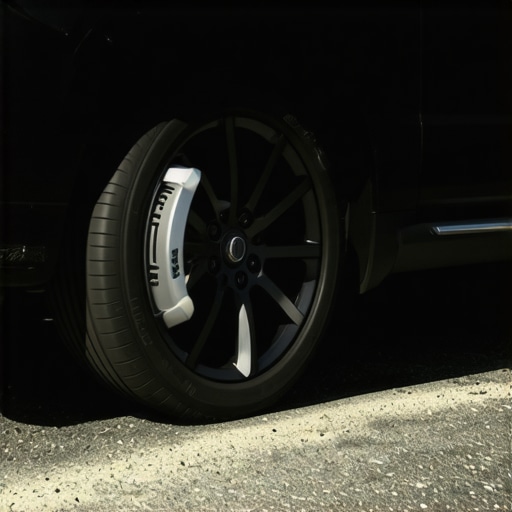
I will never forget the rainy Tuesday afternoon I almost ended up in a roadside ditch. I was cruising down a quiet two-lane road at about forty miles per hour when a dog darted out from between two parked SUVs. Naturally, I slammed on my brakes. Instead of stopping in a straight, predictable line, my steering wheel yanked violently to the right, dragging the front passenger tire toward the muddy shoulder. I managed to correct the steering and avoid a collision, but my heart was beating in my throat. My car drove perfectly straight when my foot was off the pedal, so why did hitting the brakes suddenly turn my vehicle into a stubborn mule determined to veer off the road?
The Frustrating Mystery of One-Sided Braking Force
When your car drives straight as an arrow on the highway but aggressively pulls to one side the second you slow down, it is incredibly unsettling. It is a very specific, annoying, and dangerous symptom that points to an imbalance in your stopping system. What we are going to solve today is exactly how to diagnose this issue before you spend hundreds of dollars throwing unnecessary parts at your front end. We will break down why one side of your vehicle is doing all the heavy lifting while the other side is essentially taking a vacation. Based on my years of turning wrenches in my own garage, I can tell you that assuming it is just a simple wheel alignment issue is a very common trap. In fact, many drivers make the mistake of getting an alignment done first, only to realize the pull is still there because the root cause lies deep within the hydraulic or mechanical braking components. According to the National Highway Traffic Safety Administration, brake system failures account for approximately 22% of all crashes caused by mechanical issues, making this a problem you absolutely cannot afford to ignore.
Is this going to be an incredibly expensive repair?
It is completely normal to feel a pit in your stomach when your car starts acting up, fearing that a massive repair bill is just around the corner. You might be wondering if you need an entirely new front suspension or a complete system overhaul. The good news is that the culprit is often a single, localized component that has seized up or worn out prematurely. Have you ever felt that terrifying sensation of your steering wheel fighting back against you during a sudden stop? Let us know in the comments below, because you are definitely not alone. Before you panic and assume the worst, we need to look at the actual hardware. Often, the issue is simply a stuck caliper slide pin or a failing rubber brake hose. To get a better sense of how these systems degrade, you can read about why your brake rotors keep warping every few months, which often shares the same root causes of excess heat and uneven friction. Knowing what to look for will keep you from getting taken for a ride at the local shop.
Track the Friction Disparity with Diagnostic Steps
To find out why your car pulls when you hit the brakes, you have to think of your front braking system as a pair of rowing partners. If one person rows with all their strength while the other barely dips their oar in the water, the boat spins in circles. When you apply pressure to the pedal and the vehicle dives toward the right, it means the right side is working efficiently while the left side is failing to grip. Your job in the garage is to pinpoint where this physical mechanical breakdown occurs. Many drivers automatically assume their steering geometry is shot, but the hidden suspension issues that a standard wheel alignment wont fix will prove that standard adjustments cannot cure a hydraulic force imbalance. Let us roll up our sleeves and systematically test the hardware.
Smell the Wheels and Inspect for Uneven Heat
Before you even lift the car or take off a single lug nut, use your senses immediately after a short test drive. On a quiet stretch of road, perform a few moderate stops from thirty miles per hour, park the car safely, and walk around to the front wheels. Do you smell a hot, acrid scent like burning toast? Be very careful not to touch the metal directly, but hold your hand a few inches away from each front wheel hub. If the passenger side wheel is radiating intense heat while the driver side feels completely cool, you have found your culprit. I remember diagnosing a stubborn pull on an old sedan where the driver side wheel stayed stone cold because the caliper was completely seized shut, forcing the passenger side to do all the heavy lifting. If both sides seem to have even heat but you still hear a physical screeching sound, you might need to learn how to check your brake pads without taking the wheels off to see if your friction material is totally gone on one side.
Examine the Caliper Slide Pins and Piston Movement
Once the vehicle is securely up on jack stands, remove the wheels on the side that is pulling. You want to inspect the brake caliper slide pins first. These pins allow the caliper body to slide back and forth freely so it can squeeze both brake pads evenly against the rotor. If moisture penetrates the rubber boot, the grease turns into abrasive gunk and locks the pin solid. To check this, remove the caliper bolts and try to wiggle the pins. They should slide smoothly with light finger pressure. Next, look at the caliper piston. Grab a C-clamp or a specialized caliper compression tool and try to push the piston back into its bore. If it refuses to budge even under heavy mechanical pressure, the piston itself is rusted and seized inside the caliper housing, which prevents the pads from clamping the rotor. This lack of movement can also cause severe pad wear patterns, which is a major reason why your brake rotors keep warping every few months due to localized hot spots.
Test the Hydraulic Brake Hoses for Internal Collapse
The most deceptive failure in your entire stopping system is the flexible rubber brake hose. These hoses look perfectly fine on the outside, showing no cracks or leaks, but they degrade from the inside out over time. The inner rubber lining can peel away and act like a one-way check valve. When you step on the pedal, hydraulic pressure forces brake fluid past the flap to engage the caliper. However, when you release the pedal, the flap blocks the fluid from returning to the master cylinder, keeping that specific brake partially applied. To test for this, press the brake pedal to build pressure, release it, and then immediately try to spin the wheel by hand. If the wheel is locked tight, crack open the caliper bleeder screw. If fluid squirts out under pressure and the wheel suddenly spins freely, your rubber hose has collapsed internally and must be replaced immediately. Overlooking this simple hydraulic test is a major reason why your brakes feel spongy even after bleeding the lines repeatedly without finding a resolution.
The Counterintuitive Reality of Brake Fluid Chemistry
Many DIY mechanics believe that when a car pulls to one side during stopping, simply changing the warped rotor or slapping on fresh brake pads on the offending side will solve the issue. In my experience, focusing strictly on the friction surfaces is a major trap. The real culprit is often the chemical degradation of the brake fluid itself, which leads to localized moisture accumulation and internal hydraulic imbalance. Because brake fluid is hygroscopic, it actively absorbs moisture from the air. This water settles in the lowest parts of the hydraulic system, usually inside the caliper pistons, leading to internal corrosion that causes one caliper to respond slower than its counterpart. When you stomp on the pedal, the dry caliper grabs instantly, while the corroded side lags behind, creating a sudden, violent yank to one side. If you are experiencing general spongy behavior in addition to this pull, you might be struggling with why your brakes feel spongy even after bleeding the lines, which often points back to this internal corrosion bypassing the caliper seals.
Why does your vehicle pull only after the brakes get thoroughly hot?
This specific symptom baffles many car owners. They start driving, and for the first ten minutes, the car stops perfectly straight. But after a few stoplights, the steering wheel starts yanking violently to one side. According to the Car Care Council, neglected brake fluid contaminated with copper and moisture has a significantly lowered boiling point. When your brakes heat up, this moisture turns into gas pockets inside the caliper of one wheel, reducing its hydraulic clamping force to near zero, while the cooler side continues to grip perfectly. This creates a severe friction disparity that only shows up under thermal stress. Have you ever fallen into this thermal trap during your daily commute? Let me know in the comments below.
The Critical Trap of Replacing Components in Isolation
When auto repair shops or well-meaning DIYers diagnose a seized front left caliper, the standard reaction is to buy a single replacement caliper and install it. This is a massive mistake. Replacing hydraulic or suspension components on only one side of an axle creates an immediate performance disparity. The brand-new caliper will have tight seals, a perfectly smooth bore, and zero internal friction, allowing it to react milliseconds faster and with more force than the aged, partially worn caliper on the opposite side. The result? You drive out of the garage, hit the brakes, and the car still pulls, except now it might pull in the opposite direction. Always service your front or rear axles in pairs. If you are planning a comprehensive overhaul to keep your ride driving straight, check out our guide on how to choose the best brake service in 2025 to ensure you get a professional-grade repair that addresses both sides of the vehicle simultaneously.
My Personal Toolkit for Diagnostic Precision
To stop guessing and start fixing, you need to elevate your garage setup beyond standard hand tools. I spent years struggling with rusty bleed screws and stubborn caliper brackets before I invested in a dedicated brake diagnostic kit. Specifically, I highly recommend using a pneumatic vacuum brake bleeder kit coupled with a digital infrared thermometer. I use my Etekcity infrared laser temperature gun after every test drive because it gives me immediate, numerical proof of temperature differentials between the left and right brake rotors. If my passenger side rotor reads 280 degrees Fahrenheit while the driver side sits cool at 115 degrees, I do not have to guess which caliper is sticking. For hydraulic system work, a manual pressure bleeder that attaches directly to the master cylinder reservoir is superior to the old ‘pump the pedal’ method because it prevents the master cylinder piston from traveling into unused, corroded sections of the bore, saving your internal seals from tearing. For high-quality components and professional repairs, read about how to choose the best brake service in 2025.
How do I maintain my braking balance over time?
Keeping your braking system operating symmetrically requires proactive maintenance rather than waiting for a violent pull to alert you to a failure. According to the Society of Automotive Engineers (SAE), brake fluid should be tested for moisture content annually using a dedicated electronic boiling-point tester, rather than relying solely on visual color checks. Over time, moisture entry is inevitable. To prevent this, perform a complete system flush every two years or 30,000 miles. Additionally, every time you rotate your tires, clean the caliper slide pins and lubricate them with a high-temperature ceramic brake grease. Standard chassis grease will degrade and turn into a sticky adhesive under extreme stopping heat, causing the exact pin seizure we want to avoid. This regular maintenance schedule is just as vital as performing essential car service checks to extend your vehicles life.
The Future of Decelerative Safety and Smart Systems
Looking ahead, the mechanical linkages we rely on today are rapidly evolving. The automotive industry is transitioning toward ‘brake-by-wire’ systems, which completely decouple the physical pedal from the hydraulic lines. In these modern configurations, sensors read your foot pressure, and a centralized computer determines the exact electrical current to send to individual actuators at each wheel. If the computer detects a friction disparity or a slight pull to one side, it instantly compensates by micro-adjusting the braking pressure to the opposite wheel in milliseconds—long before you would ever feel the steering wheel yank. However, until we all drive these highly automated vehicles, mastering physical garage diagnostics remains your best defense. If you suspect your steering issues are actually related to deeper mechanical components, you might want to look into the hidden suspension issues that a standard wheel alignment wont fix to keep your ride tracking true. I encourage you to grab a digital infrared thermometer this weekend, take your car for a brief drive, and measure your rotor temperatures—you might be surprised by what you find.
3 Myths About Braking Imbalances That Held Me Back
When I first started wrenching, I fell for the same misconceptions that cost everyday drivers thousands of dollars. The first major myth is that a pulling sensation during deceleration is always a suspension or wheel alignment issue. In reality, unless you recently hit a massive pothole, a pull that only occurs when you step on the pedal is almost exclusively a hydraulic or mechanical caliper problem. Another common trap is assuming that because your brake pads have plenty of friction material left, your calipers must be working perfectly. Caliper slide pins can seize up completely while leaving the pads looking brand new, causing a silent but dangerous braking force disparity. Finally, many believe that flushing the brake lines is just an upsell. Overlooking old, moisture-ridden fluid is the fastest way to corrode your internal piston bores, eventually leading to a costly trip for professional auto repair.
My Essential Toolkit for Restoring Stopping Balance
If you want to diagnose this issue with absolute precision, you need to move past basic wrenches. I highly recommend adding a digital infrared thermometer to your diagnostic arsenal. By shooting a laser at both front brake rotors immediately after a test drive, you can instantly see if one side is running significantly hotter, proving it is doing all the work. Additionally, invest in a manual pressure bleeder that mounts directly to your master cylinder reservoir. This tool allows you to flush out old fluid and air pockets safely without damaging delicate internal master cylinder seals. For those times when the job requires specialized hydraulic knowledge, knowing how to choose the best brake service in 2025 will ensure you find a shop equipped with the right diagnostic computerized scanners to check your ABS modulator valves.
Take Back Control of Your Steering Wheel
There is nothing quite like the peace of mind that comes from a car that stops in a perfectly straight, predictable line. Don’t let a pulling steering wheel turn every rainy afternoon commute into a high-stress guessing game. By systematically testing your calipers, checking your flexible hoses, and performing essential car service checks to extend your vehicles life, you can conquer this common safety hazard. Have you ever experienced your steering wheel violently yanking to one side when you stepped on the brakes? Let me know in the comments below!