
I still remember the sudden panic last autumn. I had just driven less than two miles to my local hardware store when I stepped out of the driver’s seat and was instantly hit by a thick, acrid stench. It smelled exactly like a melting tire. My heart sank as I stared at the hood. I immediately assumed my engine was on the verge of a catastrophic meltdown, or that my expensive transmission was toast. I spent the next hour stressing in the parking lot, kicking myself for ignoring basic maintenance. It turns out, this terrifying aroma is actually incredibly common and often points to a few specific, easily fixable culprits under the hood rather than a totaled vehicle. Today, we are going to demystify this scary scent so you can pinpoint exactly what is melting, slipping, or overheating, and save yourself an unnecessary towing bill.
My Costly Mistake with Sticky Calipers
A few years back, I smelled that unmistakable rubbery burn and immediately assumed it was a loose belt rubbing against a pulley. I ignored it for a week, thinking I would get around to adjusting the tension eventually. That was a massive mistake. The smell wasn’t a belt at all; it was a seized brake caliper pressing my brake pads hard against the rotor during every single second of my drive. By the time I finally took the car in, the extreme friction had warped my rotors completely. If I had simply performed a quick visual check or scheduled a professional brake service right away, I would have saved hundreds of dollars. Since then, I have learned that localized heat is almost always the trigger for these panic-inducing odors.
Is your car actually about to catch fire?
This is the ultimate question that keeps every car owner awake at night when they smell something burning. While any burning odor should be treated with serious caution, most cases of a burning rubber smell after a quick trip are caused by non-catastrophic issues like road debris sticking to your exhaust pipe, an oil leak dripping onto a hot manifold, or a failing accessory belt. According to the National Fire Protection Association, mechanical or electrical failures cause the vast majority of highway vehicle fires, which is why identifying the root cause of these smells early is so crucial. Have you ever pulled into your driveway, smelled that sharp, chemical burn, and wondered if you should call a tow truck right then and there? If so, you are definitely not alone. Taking care of your vehicle with regular essential car service checks can help prevent these scary moments entirely. Let’s look at how to safely investigate the smell before you head to the shop.
How to Trace the Burning Smell to its Source
When you smell that distinct chemical burn, your nose is your best diagnostic tool. Think of your engine bay as a heat grid. Oil, belts, and brakes all react differently to heat, and each produces a slightly different signature. To find the source without tearing your engine apart, you have to follow a systematic inspection process. Start by popped your hood immediately after a drive, but do not touch anything yet. Let your eyes and nose guide you before you reach for any tools.
Look for the Telltale Signs of a Slipping Belt
Your accessory belts are under constant tension, spinning rapidly to power your alternator, water pump, and air conditioning. If a pulley seizes up, the belt keeps moving, dragging across a stationary metal wheel. This friction creates intense heat, melting the rubber in seconds. Inspect the edges of your serpentine belt for fraying, shiny glazed spots, or black powder scattered around the front of the engine. If you suspect your electrical system is working overtime and dragging down the belt system, you might want to learn how to tell if your alternator is overcharging your battery, which can put immense stress on the entire accessory drive.
Rule Out Slow Oil and Fluid Leaks
A tiny drop of oil hitting a blistering hot exhaust manifold will instantly vaporize, sending a thick, acrid cloud into your cabin. This often smells remarkably like burning rubber rather than burning oil. I once spent an entire afternoon chasing a suspected transmission issue on my old sedan because of a pungent smell, only to find a valve cover gasket was weeping oil directly onto the catalytic converter. If you notice fluid pooling under your car, you need to identify it quickly. Be careful not to misdiagnose a transmission leak; relying on quick-fix additives is a gamble, which is why relying on transmission leak repair fluid is often a costly mistake that can lead to total system failure. Instead, inspect the rear of the engine block for dark wet spots.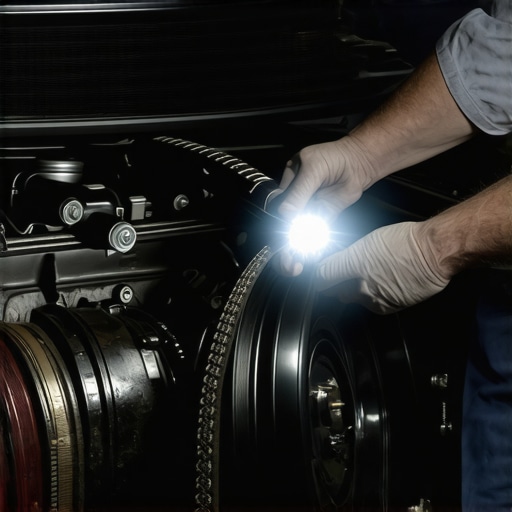
Check for Stuck Brake Pads and Damaged CV Boots
If the smell is stronger near your wheels than under the hood, your braking system or drivetrain is the likely culprit. A seized caliper pin will force the brake pad to constantly grind against the rotor, generating temperatures high enough to melt adjacent rubber seals and ruin your stopping power. While you are peering behind the wheel, look closely at the axle. A torn rubber boot will fling thick grease directly onto your hot brakes and exhaust. Ignoring this grease splatter is incredibly risky, and understanding the hidden danger of ignoring a cracked cv boot can prevent your entire front axle from snapping while you are on the road. If the brakes themselves are the issue, you will usually feel a distinct vibration, which makes it crucial to know the reason your brake pedal vibrates when you come to a stop before the rotors warp permanently.
The Massive Brake Myth Most Drivers Still Believe
Ask almost any backyard mechanic what causes a localized burning odor near your front wheels, and they will immediately tell you that your brake pads are worn down to the metal. It sounds logical, but in my experience as an automotive enthusiast, this is actually dead wrong. Simply replacing your pads is a classic band-aid solution that ignores the true engineering culprit. The real issue is almost always a seized caliper slider pin or a collapsed flexible brake line acting as a one-way valve. When this happens, the pad never fully retracts. The constant, high-pressure dragging creates a superheated micro-environment that cooks the protective backing paint right off the pad, melting the rubber dust boots on your pistons. This is why standard DIY pad swaps fail within three months, leading to warped rotors and a return of that awful chemical stench.
Why does my car smell like burning rubber even after replacing the belts?
This is a sophisticated dilemma that frustrates many car owners who take maintenance seriously. If you have already installed a fresh serpentine belt and the smell persists, the problem isn’t the rubber itself, but rather a misaligned accessory pulley or an overreacting tensioner. When pulleys are even a fraction of a millimeter out of alignment, the belt is forced to climb the sidewall of the pulley groove. According to a technical study by the Car Care Council, pulley misalignment is the leading cause of premature accessory belt failure and unexplained engine bay heat. If you are experiencing this persistent issue, you may need a comprehensive auto repair diagnostic rather than just throwing new parts at the vehicle.
The Costly Trap of Misdiagnosing Your Transmission
Another common trap is confusing the distinct smell of scorched automatic transmission fluid with burning rubber. When transmission fluid breaks down due to extreme friction, it loses its viscosity and begins to burn inside the clutch packs. Because the transmission sits directly underneath the engine bay, the rising thermal fumes smell incredibly similar to melting rubber belts. Many drivers waste hundreds of dollars replacing perfectly good hoses and belts while their transmission continues to destroy itself from the inside out. To prevent this, you must know the easy way to check your transmission fluid without a dipstick to verify its color and smell. If the fluid is dark brown or black, you are dealing with an internal transmission issue rather than a simple rubber hose contact point.
Ignoring these subtle differences can lead to catastrophic mechanical failures on the road. Whether it is a braking issue or a slipping clutch pack, addressing these warning signs early with a professional brake service or transmission inspection is the only way to guarantee your safety. Have you ever fallen into this trap and replaced the wrong part trying to chase down a mysterious burning smell? Let me know in the comments below!
Why My Glovebox Always Holds an OBD2 Scanner
I used to think diagnostic scanners were only for professional shops, but carrying a pocket-sized OBD2 scanner has completely changed how I handle unexpected car trouble. When you smell something unusual under the hood, your car’s computer often registers a pending trouble code long before the check engine light actually illuminates on your dashboard. I personally rely on a Bluetooth-enabled OBD2 adapter paired with software like OBD Fusion or Torque Pro. This setup lets me monitor real-time transmission fluid temperatures and engine load values right from my phone. By tracking these metrics, you can spot a slipping clutch or an overheating accessory system before it starts melting rubber. If you want to keep your vehicle running smoothly over the long term, investing in a basic scanner is the most empowering step you can take, helping you determine when you need a professional auto repair diagnostic.
How do I maintain my accessory drive and braking systems over time?
The secret to keeping these critical systems from failing is establishing a highly specific, proactive maintenance routine. Don’t just wait for your scheduled oil changes; take ten minutes every month to inspect your engine bay with a high-lumens inspection flashlight. Personally, I use a rechargeable LED work light to check the tensioner alignment and look for micro-cracks in the serpentine belt. For the braking system, I recommend measuring your pad thickness during every tire rotation. You can easily do this yourself, and knowing how to check your brake pads without taking the wheels off will save you from unexpected metal-on-metal grinding. Additionally, treat your rubber components with a high-quality silicone protectant spray to prevent dry rotting, especially if you live in an area with harsh seasonal weather changes.
The Future of Smart Vehicle Diagnostics
Looking ahead, the automotive industry is moving rapidly toward predictive maintenance powered by artificial intelligence and integrated telematics. Within the next decade, our cars won’t just trigger a dashboard warning when a part fails; they will actively analyze acoustic vibrations and thermal patterns to warn us weeks in advance. According to technical papers published by the Society of Automotive Engineers (SAE), machine learning algorithms are currently being trained to detect the precise micro-slippage of accessory belts long before the friction generates enough heat to produce a burning smell. While we wait for this technology to become standard in every vehicle, we must rely on our physical senses and consistent essential car service checks to keep our daily drivers safe on the road. For your next step, I highly recommend downloading a diagnostic app and plugging a simple scanner into your OBD2 port this weekend to check for any hidden pending codes.
3 Myths About Belt Slippage and Hot Rotors That Held Me Back
For years, I fell victim to standard garage folklore whenever my car started giving off that alarming, toasted-chemical scent. First, I believed that if a belt was slipping, it would always screech like a banshee. In reality, a modern serpentine belt can glaze over and cook itself silently against a seized pulley without making a single sound. Second, I thought a burning smell near the wheels always meant I needed immediate, costly replacement pads. Often, it is simply a sliding pin that requires five minutes of cleaning and fresh silicone grease. Finally, I assumed that any major mechanical scent required a flatbed tow truck. Learning to distinguish between a harmless piece of road plastic stuck to the exhaust and a true mechanical emergency has saved me thousands in unnecessary diagnostic fees.
My Essential Toolkit for Garage Diagnostics
You do not need a professional-grade hydraulic lift to accurately pinpoint where that burning rubber smell is coming from. Over the years, I have narrowed my diagnostic arsenal down to three indispensable tools that stay in my trunk. First, a cheap infrared thermometer gun lets me safely measure the heat of each individual wheel hub after a drive; if one rotor is reading 400 degrees Fahrenheit while the others are at 150, I know instantly which caliper is sticking. Second, a high-intensity magnetic LED stick light allows me to inspect the deep, dark crevices of the engine bay for slow valve cover oil leaks without holding a flashlight in my teeth. Lastly, keeping a basic OBD2 scanner handy helps me check sensor data to make sure my engine is not secretly running hot. Combining these simple tools with routine essential car service checks is the absolute best way to stay ahead of costly repairs.
The Road Ahead to a Worry-Free Drive
Taking control of your car’s maintenance does not mean you have to become a certified master technician overnight. It simply means learning to listen to, look at, and smell the clues your vehicle is constantly giving you. The next time you pull into your garage and smell that unmistakable hint of hot rubber, do not panic and assume your engine is ruined. Instead, grab your flashlight, check your wheels for excessive heat, peek at your accessory belts, and approach the issue step-by-step. If the problem turns out to be beyond a simple DIY fix, you will at least be able to explain the exact symptoms clearly when you book an experienced auto repair specialist to get you back on the road safely.
Have you ever spent hours chasing down a mysterious burning smell only to find it was something incredibly simple? Let me know what you found in the comments below!