
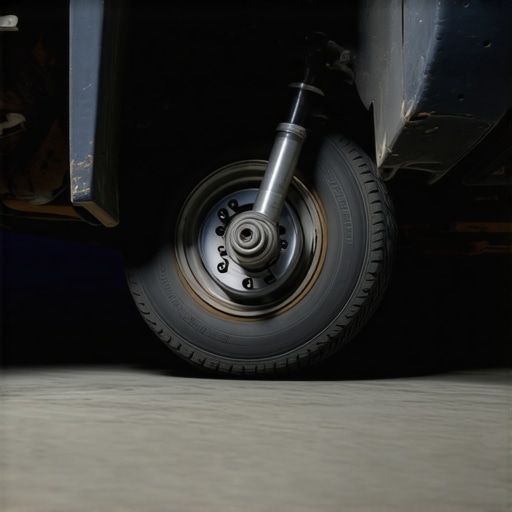
I still remember the chilly Tuesday morning I hopped onto the interstate, turned up my favorite radio station, and noticed a low, rhythmic hum vibrating through my floorboards. It sounded like a prop plane was tailing my rear bumper. At first, I ignored it. I figured it was just rough asphalt or maybe a slightly underinflated tire. But as I pressed down on the gas pedal to merge, the drone intensified into a deafening roar. My heart sank. I made a classic rookie mistake back then: I drove on it for another two weeks, hoping it would magically disappear. Spoiler alert—it didn’t, and it ended up costing me a pretty penny in preventable repairs. If you are gripping your steering wheel right now wondering why your vehicle is serenading you with this incredibly annoying, speed-sensitive drone, you are in the right place. Today, we are going to pinpoint exactly what is causing that racket so you can address it before it leaves you stranded on the shoulder.
The Mystery Behind the Escalating Highway Drone
That creeping noise is not just an annoying auditory quirk; it is a direct cry for help from your drivetrain. Unlike a loose plastic trim piece that flutters at random, a hum that scales perfectly with your speedometer is directly linked to components that spin. The faster your wheels rotate, the faster these failing parts spin, amplifying the pitch and volume. According to automotive safety statistics compiled by the National Highway Traffic Safety Administration (NHTSA), mechanical failures involving wheel and suspension assemblies account for a significant portion of highway-speed incidents that could have been avoided with early diagnosis. When you ignore this specific symptom, you are letting a small mechanical issue snowball into a massive safety hazard. By understanding the root causes, we can easily determine if your vehicle requires a simple tire rotation or a professional auto repair intervention.
Is This Humming Noise Going to Destroy My Car Today?
It is the question that keeps every car owner awake at night when a new sound emerges. The short answer is: probably not in the next five minutes, but you are definitely playing with fire if you leave it for next month. Most folks immediately panic and assume their transmission is completely shot. While we always want to practice good maintenance habits, like learning how to check your transmission fluid without a dipstick, the culprit behind a speed-matching hum is usually much closer to your wheels. In most cases, you are dealing with a dry, failing wheel bearing that has lost its internal lubrication. To find out for sure, you need to know how to tell if your wheel bearing is failing or if its just road noise. Have you ever experienced this unsettling, escalating noise while driving on the highway? Drop a comment and let me know how long you drove with it before getting it checked out. Let us dive into how to diagnose this properly before you head to the shop.
To isolate this pesky highway drone, you need a systematic approach. Think of your vehicle’s wheel assembly like a spinning bicycle wheel: if you hold the frame, you can feel even the tiniest vibration. When a wheel bearing loses its grease or develops microscopic pits on the metal rollers, it generates a steady vibration that translates into that deep, airplane-like hum. The first step is to isolate which side of the vehicle is complaining. Find a safe, open stretch of asphalt where you can safely sway the car slightly from side to side at moderate speed.
Sway the Vehicle to Load the Bearings
When you gently steer your car to the left, you shift the vehicle’s weight to the right side wheels. If the hum suddenly gets louder when you sway left, the culprit is almost certainly on the right side because you just placed more load on that worn-out bearing. Conversely, if you steer to the right and the noise vanishes, you have successfully unloaded the damaged right-side bearing. I remember trying this trick on my old hatchback. I was convinced the noise was coming from the front left, but this simple sway test proved it was actually the rear right. It saved me from replacing a perfectly healthy part.
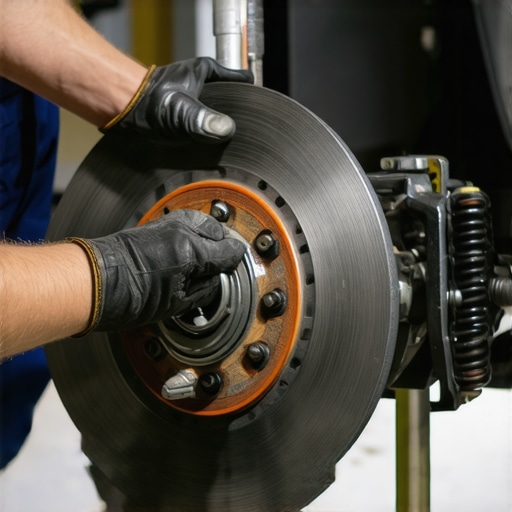
However, steering dynamics can sometimes lie to you if you have multiple worn components. If your steering wheel itself has started shaking during these maneuvers, you might want to look into the danger of ignoring a slight vibration in your steering wheel to make sure your steering linkage is not about to fail entirely.
Use the Jack and Spin Method
Once you have a general idea of which side is causing the racket, it is time to get the car off the ground. Safely raise the suspect wheel using a jack and secure the vehicle with sturdy jack stands. Grasp the coil spring of the suspension with one hand while using your other hand to spin the tire as fast as you can. Because the coil spring acts as a natural amplifier, you will feel a distinct, rough tingle traveling through the metal spring if the bearing is bad. A healthy wheel bearing assembly will spin silently and feel completely smooth to the touch.
Wiggle the Tire to Check for Play
With the wheel still suspended, grab the tire at the 12 and 6 o’clock positions and try to rock it back and forth. Next, do the same at the 9 and 3 o’clock positions. Any noticeable play or clicking movement indicates that the bearing has degraded significantly. If you feel loose play specifically at the 9 and 3 o’clock positions but not at 12 and 6, your issue might actually lie in a worn tie rod end or ball joint rather than the bearing itself. Keeping up with essential car service checks to extend your vehicles life will help you catch these loose steering components before they wear out your tires prematurely.
Look for Uneven Tire Wear Patterns
If the spin test yields nothing but smooth silence, your hum is highly likely to be tire-related road noise. Inspect your tire tread closely for ‘feathering’ or ‘cupping,’ which looks like a series of high and low spots across the tread blocks. This uneven wear is often caused by worn shocks or an out-of-spec alignment, and it mimics a bad wheel bearing perfectly at highway speeds. This is why regular inspections are so vital to keeping your vehicle driving straight and quiet.
While isolating a bad wheel bearing or spotted tires is a great start, a major trap most drivers fall into is assuming that every rotational drone or vibration is just a simple, isolated component failure. I see this all the time: a DIYer spends an entire weekend replacing a wheel bearing, only for the drone to persist because they ignored the broader mechanical ecosystem. Let us dig deeper into the nuances that even seasoned car enthusiasts get completely wrong when diagnosing these issues.
The Myth of the Quick Alignment Fix
The most common contrarian truth I tell people is that a standard wheel alignment will almost never cure a rotational hum or physical shake. Many drivers are conditioned to think that if a car pulls or makes noise, they should just take it in for a quick toe-and-go adjustment. In reality, an alignment only adjusts the angles of your wheels; it does not fix a structurally compromised part. If you have an internal mechanical failure, relying on a standard alignment is like putting a band-aid on a broken bone. If your car is vibrating on the highway, you are likely dealing with the hidden suspension issues that a standard wheel alignment wont fix, such as worn control arm bushings or bent lateral links.
Why Do My New Brake Rotors Keep Warping So Fast?
If you have recently replaced your brakes to solve a vibration issue only to have the pulsation return a few thousand miles later, you are likely blaming the wrong component. Most people assume they bought cheap, defective replacement parts. However, a major study by the National Institute for Automotive Service Excellence (ASE) highlights that premature rotor failure is almost always caused by improper hub cleaning or unevenly torqued lug nuts, rather than defective metal. When a mechanic fails to clean rust off the wheel hub before installing a new rotor, it sits at a microscopic angle, causing uneven wear every time you tap the pedal. To understand this frustrating cycle, you need to look at why your brake rotors keep warping every few months to stop wasting money on repetitive pad swaps.

The Dangerous Mistake of Treating Symptoms with Liquid Fixes
Another massive trap is trying to cure deep mechanical groans or transmission slip issues with cheap additive fluids. When your car begins to hum, shudder, or hunt for gears, dumping a bottle of stop-leak or slip-fix into your reservoir is a recipe for disaster. These chemical additives swell rubber seals temporarily, but they ultimately degrade the internal friction materials of your transmission clutch plates. For those dealing with transmission-related noises, prioritizing professional top transmission repair tips for long term vehicle reliability is the only way to avoid a multi-thousand-dollar rebuild bill. Have you ever fallen into the trap of using a chemical quick-fix only to have the issue return worse than before? Let me know in the comments below! If you want to make sure your entire car stays in peak shape without these costly missteps, follow the ultimate guide to auto repair keep your car running smoothly.
Catching a bad wheel bearing or spotted tire tread is only half the battle. If you want to keep your car whisper-quiet on the highway for another 100,000 miles, you need to upgrade your diagnostic tools and maintenance habits. For years, I relied on cheap hardware-store tools and guesswork, but investing in a professional-grade chassis ear system completely changed how I diagnose drivetrain noises. This tool uses multiple wired or wireless microphones that you clamp directly onto suspected components like the wheel knuckles, transmission housing, or differential casing. By wearing a headset while a helper drives, you can switch between channels to hear exactly which bearing or shaft is screaming. It takes the guesswork out of the equation and prevents you from replacing perfectly good parts.
How do I maintain my drivetrain and wheel assemblies over time?
The secret to long-term silence lies in high-quality components and precise installation techniques. According to technical bulletins published by SKF Automotive Division, nearly 40% of all replacement wheel bearing failures are caused by improper installation—specifically, over-torquing or under-torquing the axle nut. To prevent this, I never use an impact gun to zip an axle nut tight. Instead, I always consult the factory service manual for the exact torque specification and use a calibrated, half-inch click torque wrench to seat the hub perfectly. Additionally, keeping up with essential car service checks to extend your vehicles life ensures that minor suspension play is resolved before it puts uneven lateral forces on your new bearings.
As we look to the future, automotive diagnostics are shifting rapidly toward embedded predictive sensors. In the next decade, we will likely see consumer vehicles equipped with built-in acoustic sensors that analyze vibrational frequencies in real-time, alerting your dashboard infotainment screen of a failing wheel bearing weeks before your human ears can detect the drone. Until then, we must rely on smart diagnostic practices. If your inspection reveals that your humming noise is accompanied by gear slipping or weird shift points, you should immediately read about top transmission repair tips for long term vehicle reliability to save your gearbox. For comprehensive maintenance strategies that protect your vehicle from bumper to bumper, follow the ultimate guide to auto repair keep your car running smoothly. If your car is shaking during deceleration, make sure you know how to choose the best brake service in 2025 to keep your stopping power smooth and reliable.
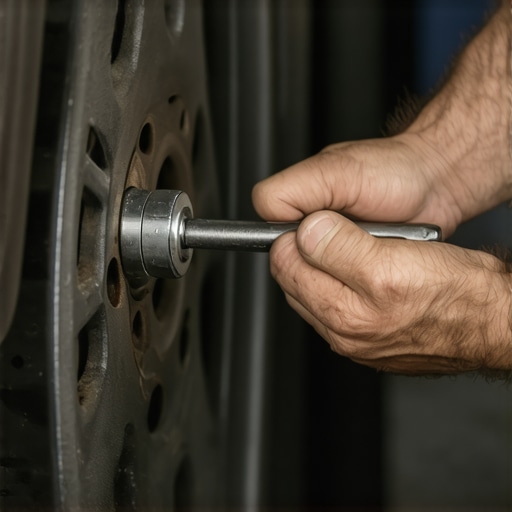
My challenge to you this weekend is to go beyond the eyeball test: find your vehicle’s exact axle nut torque specifications and inspect your suspension bushings for hairline cracks. If you need help getting your vehicle back to factory-level performance, don’t hesitate to check out our contact us page to connect with our experts.
My early automotive years were filled with loud radios used specifically to drown out suspicious drivetrain groans. It was a foolish coping mechanism that almost cost me an axle on the highway. If you are currently dealing with a speed-sensitive vibration or an annoying mechanical hum, ignoring it is never the solution. Resolving these issues early keeps your vehicle operating smoothly and safely.
The Hardest Lessons I Learned from Ignoring Drivetrain Vibrations
When I first started working on my own cars, I bought into several dangerous misconceptions about vehicle noise and steering feedback. Here are the three most critical realizations that completely changed my approach to automotive diagnostics:
- A hum is never just a harmless sound: It is physical friction indicating metal-on-metal wear that will eventually lead to complete component seizure.
- Never assume which side is bad by ear alone: Sound travels through unibody frames in incredibly deceptive ways, making a rear right bearing failure sound like it is right under your left foot.
- Cheap aftermarket assemblies cost double in the long run: Installing bargain-bin hub assemblies often leads to another replacement service within a year; always choose premium, sealed OEM-spec units.
My Essential Toolkit for Tracking Down Undercarriage Gremlins
You do not need a multi-million-dollar shop setup to find the source of your highway drone, but having the right diagnostic gear makes all the difference. This is the setup I personally rely on to isolate drivetrain noises:
- Chassis Ear System: A multi-channel microphone kit that allows you to safely listen to individual wheel hubs or transmission housings while driving.
- Calibrated Half-Inch Click Torque Wrench: Essential for seating axle nuts to exact factory specifications, preventing premature bearing failure.
- Infrared Laser Thermometer: After a highway run, point this at your wheel hubs; a failing bearing will consistently read significantly hotter than a healthy one.
Stop Shaking and Reclaim Your Quiet Highway Ride Today
Dealing with an unpredictable speed-sensitive vibration can make any commute incredibly stressful, but you do not have to live with the noise. Taking a systematic approach to check your suspension, tire wear, and wheel bearings will help you pin down the source before it turns into an expensive emergency. If your diagnostics point to a steering shaking issue, check out the danger of ignoring a slight vibration in your steering wheel to stay safe. Should your investigation reveal a loose, unstable feeling when navigating local roads, you may need to read about why your car feels loose when driving over bumps to get your handling back to peak precision. Taking charge of your own auto repair needs is incredibly empowering, and it ensures your vehicle remains reliable for years to come.
Have you ever tried the highway sway test to isolate a bad wheel bearing, or did you get tricked by a cupped tire instead? Let me know in the comments below!