
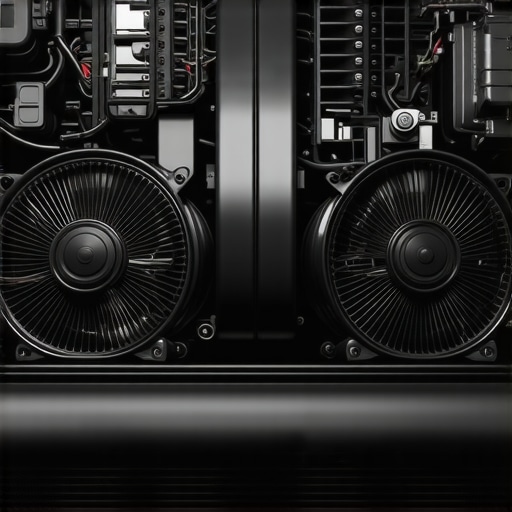
Have you ever been driving along peacefully, only to be jolted awake when the radiator fans suddenly roar to life, causing your steering wheel or entire vehicle to tremble? It’s a *really* unsettling experience. I remember the first time it happened to me—one minute, smooth sailing; the next, a violent shake that made me think something’s seriously wrong with my car. Turns out, that shake wasn’t just an annoyance; it’s often a sign of underlying issues that need attention.
What’s Really Going on When Your Car Shakes During Fan Activation?
That sudden vibration when the radiator fans kick in isn’t just a random quirk. It can point to several potential problems, like worn motor mounts, unbalanced cooling fans, or even electrical issues affecting engine stability. Early on, I made the mistake of ignoring it, thinking it was just a minor nuisance. But the problem persisted and gradually worsened, leading to more costly repairs down the line. Trust me, acknowledging these warning signs early can save you a lot of headache and money.
Is the Shaking a Major Problem or Just a Quirk?
Many folks worry, “Is this shake a sign of something catastrophic?” Honestly, it varies. Sometimes, it’s a simple fix like balancing your cooling fans or tightening a loose belt. Other times, it could signal engine or transmission issues that require professional diagnosis. In my early days as a DIY enthusiast, I assumed it was just a fan noise issue—which, spoiler alert, was a costly mistake. Doing your homework and catching these symptoms early is key. For more details on common causes of car vibrations, check out this related article.
Throughout this post, I’ll share practical insights to help you troubleshoot and resolve the shaking. If you’ve experienced similar frustration, you’re not alone. Let’s dive into what causes these vibrations and how you can fix them before they become bigger headaches.
,
Start with Visual and Auditory Inspection
When your car shakes as the radiator fan turns on, the first step is to observe visually. Open the hood and listen carefully—are the fans making unusual noises? Check for loose wires or debris around the cooling fans. I once had a rattling fan that turned out to be a loose mounting bracket; tightening it stabilized the system. Inspect the fan blades for cracks or imbalance, which are common culprits. Proper visual inspection catches issues early and prevents further damage.
Test Fan Operations and Engine Stability
Next, operate the engine to see when the shake occurs. Turn on the AC to trigger the fans; if the shake only happens during fan activation, it suggests a fan or mounting issue. If the engine stumbles or vibrates constantly, it could be related to engine mounts or other components. I used a handheld tachometer to monitor engine RPMs during a test drive, noticing slight fluctuations correlating with the shake—indicating engine misfire or mount problems. These tests distinguish between cooling system issues and engine stability concerns.
Check for Imbalanced or Damaged Cooling Fans
Cooling fans that are unbalanced or damaged can cause vibrations. Remove the fan blades carefully and inspect for damage or wobbling. Balancing a fan can be as simple as adding small weights to the lighter side—an inexpensive fix. I balanced a small electric fan this way, which eliminated the shake. If blades are cracked or bent, replacement is advisable to prevent further damage.
Inspect Motor and Transmission Mounts
Worn or broken mounts allow engine or transmission movement that amplifies vibrations during fan operation. Use a jack to slightly lift the engine and examine the mounts for cracks or excessive movement. In my experience, replacing worn mounts restored smooth operation and eliminated the shaking. This step ensures that engine vibrations aren’t exaggerated by deteriorated mounting hardware.
Monitor Electrical Components and Sensors
Electrical issues, such as faulty sensors or loose wiring, can cause intermittent vibrations. Check the wiring harnesses connected to the fans, engine sensors, and control modules. Use a multimeter to test for proper voltage and continuity. For example, a sensor misreading led me to replace a faulty coolant temperature sensor, which resolved the erratic fan behavior and associated shake. Regular electrical inspection prevents misdiagnosis and guides precise repairs.
Evaluate Belts and Pulley Systems
Loose or worn belts and pulleys can contribute to vibrations, especially during high-load conditions like fan activation. Inspect serpentine belts for cracks, fraying, or glazing. Ensure pulleys spin freely without wobbling. Tighten or replace belts as needed. I replaced a worn serpentine belt that was causing engine vibration during fan activation, leading to smoother operation and peace of mind. This step ensures the drive system runs efficiently and quietly.
Perform a Road Test After Repairs
Once you’ve addressed potential issues, take the vehicle for a test drive. Accelerate to different speeds and activate the fan manually if possible. Pay attention to whether the shake persists. Recording the vibration pattern helps confirm if the problem was successfully resolved. Back in my driveway, after replacing worn motor mounts and balancing the fan, the shake disappeared during testing, confirming the fix.
When it comes to auto repair, many believe they understand the basics—change the oil, replace the brakes, and get a transmission flush when symptoms appear. However, as an expert with years of hands-on experience, I can tell you that most drivers fall into common traps due to misconceptions or overlooking subtle nuances that can make or break your vehicle’s longevity. One prevalent myth is that all transmission fluid needs to be replaced at regular intervals; in reality, modern transmissions are designed to last much longer without routine fluid changes if they are properly maintained and monitored. Over-flushing or unnecessary drain-and-fill procedures can sometimes cause more harm than good, especially if the fluid’s condition is stable. For an advanced insight into this, check out this comprehensive guide.
Another misconception is that collision damage only impacts visible body panels. In truth, minor rear-end collisions can subtly alter sensor alignments, leading to malfunctioning safety systems or inaccurate diagnostics if not addressed correctly. For example, post-collision sensor realignment is critical, and overlooking this step can gradually lead to system failures, which many owners mistakingly attribute to unrelated issues. You can learn more about this process here.
Why does my vehicle vibrate only during braking, and is this a sign of trouble?
This is a classic example of a nuanced issue that’s often misdiagnosed. Many assume brake pedal vibrations imply warped rotors, and while that can be true, it’s not always the case. Sometimes, uneven rotor wear is a symptom of worn-out wheel bearings or suspension components. Additionally, if your steering wheel vibrates only beneath braking pressure, it might be related to misaligned or damaged steering components. Ignoring such vibrations can lead to more severe issues, including compromised safety and uneven tire wear. Being mindful of these details allows for targeted repairs—saving time and money.
Moreover, many drivers overlook the importance of proper sensor calibration after repairs, especially in systems related to collision avoidance or parking assistance. Small misalignments can trigger false warnings or disable safety features altogether. As detailed in this article, ensuring sensors are properly recalibrated after any collision or repair is crucial for your vehicle’s optimal performance.
In essence, understanding these hidden nuances and challenging widespread myths can transform the way you approach auto maintenance. It’s not just about replacing parts but about comprehending how every component interacts and influences your vehicle’s safety and efficiency. Have you ever fallen into this trap? Let me know in the comments and share your experience—sometimes, the smallest detail can prevent the biggest repair bill.
Investing in Reliable Equipment and Software for Auto Maintenance
Maintaining your vehicle over time requires more than just basic knowledge; it demands the right tools and software to accurately diagnose and address issues. I personally swear by a high-quality obd2 scanner like the Foxwell NT686, which allows me to quickly read and clear engine codes, monitor sensor data, and even perform active tests without heading to the mechanic. Its comprehensive diagnostics save me both time and money, especially when pinpointing issues related to engine temperature spikes or sensor realignments.
Beyond scanners, I always keep a reliable hydraulic jack and a set of good-quality stands, like those from Arcan, to safely lift the vehicle during inspections or repairs. These tools are essential for inspecting components such as motor mounts or suspension parts, which directly impact ride quality and long-term durability. For brake service, a digital brake fluid tester helps me determine when the fluid has degraded enough to warrant replacement, preventing brake pedal sponginess or pulsation issues down the line.
Embracing Technology to Streamline Maintenance
Modern vehicles are increasingly complex, making DIY diagnostics more feasible with advanced software solutions. I recommend using OBDLink MX+ paired with smartphone apps like Torque Pro or Car Scanner ELM OBD2—these enable real-time monitoring of vital parameters, helping identify problems before they escalate. For instance, tracking engine temperature trends during idle or accelerations can reveal cooling system issues early, aligning with insights from this article.
Furthermore, keeping digital records of repairs, sensor calibrations, and routine check-ups can extend your vehicle’s life. Apps like Drivvo or Luke offer intuitive interfaces to organize your maintenance schedule, alerting you when it’s time for oil changes or sensor realignment, such as after minor collisions or windshield replacements.
Predicting the Future of Vehicle Maintenance Tech
As automation and IoT integration advance, I believe we’ll see even smarter diagnostic systems that detect issues proactively. Vehicles may soon self-report component wear or schedule repairs automatically, much like how predictive analytics work in fleet management. Staying ahead involves investing in up-to-date tools and continuously learning about new repair strategies, which brings me to an actionable tip: try calibrating your sensors after any collision or repair by utilizing guides like this comprehensive resource. This small step can prevent system malfunctions and ensure your safety systems work flawlessly.
How do I maintain tools and software over time?
Proper maintenance of your diagnostic tools and software ensures their longevity and reliability. Regularly update firmware and software versions through official channels—most scanner manufacturers release upgrades that enhance compatibility and fix bugs. Keep your equipment clean and store it in a dry, protected environment to prevent damage. Additionally, calibrate your tools periodically, just like your vehicle, to maintain accuracy. For instance, when replacing sensors or performing realignments, consult detailed guides to verify proper calibration procedures and avoid misdiagnosis.
Remember, using high-quality, well-maintained tools makes a significant difference in diagnosing and resolving issues efficiently. Don’t hesitate to experiment with advanced tips, such as sensor calibration or digital inspection, to enhance your vehicle’s performance and safety. These small, deliberate actions can reduce long-term repair costs and improve your driving experience. If you want to take your maintenance skills further, start by trying one of the software or hardware suggestions outlined here today.
The Hidden Truth About Routine Repairs and Unexpected Symptoms
One of the most eye-opening lessons I learned was that seemingly minor signs—like a slight vibration during fan activation—can point to deeper issues that, if ignored, lead to costly repairs. Early in my auto repair journey, I underestimated small vibrations or unusual noises, dismissing them as minor inconveniences. But these were often the first clues pointing to worn motor mounts, unbalanced cooling fans, or electrical glitches. Recognizing the value of these subtle hints transforms car maintenance from reactive to proactive, saving both time and money in the long run.
Industry Secrets That Aren’t Common Knowledge
Many car owners believe that only major breakdowns demand attention. What isn’t widely known is how often small, overlooked issues—like sensor misalignments after a collision—can compromise your vehicle’s safety systems. For example, realigning sensors after minor collisions, using guides like this process, ensures your safety features work flawlessly. This behind-the-scenes knowledge empowers you to maintain your vehicle effectively and avoid surprises on the road.
Invest in Tools That Make a Difference
Over the years, I’ve realized that having quality diagnostic tools elevates your DIY skills exponentially. Tools like the reliable OBD2 scanners not only help identify issues early but also prevent unnecessary trips to the mechanic. Coupled with hardware like good hydraulic jacks or digital brake testers, these investments make complex tasks manageable and keep your vehicle running smoothly without breaking the bank.
The Power of Continuous Learning for Safe Driving
Embracing new technology and staying informed about vehicle systems transforms your understanding of auto repair. I regularly explore resources like this comprehensive guide to keep up with evolving maintenance techniques. Whether it’s sensor recalibration after minor accidents or understanding how system updates impact performance, ongoing education ensures you’re better prepared for unexpected situations behind the wheel. Growth in knowledge is your best tool for long-term vehicle health and safety.
Turning Small Steps into Big Wins
Every minor repair or inspection, when approached thoughtfully, builds a foundation for a safer, more reliable vehicle. Push yourself to learn and utilize new tools, challenge misconceptions, and stay curious about how your car works. Each small effort compounds into significant savings and peace of mind. Remember, maintaining your vehicle isn’t just about fixing problems—it’s about mastering the art of attentive, informed ownership. So, what’s the next small step you’ll take to ensure your car remains dependable for miles to come?
Curated Recommendations for Your Auto Journey
To improve your auto maintenance skills, I highly recommend the Sensor Realignment Guide. It offers detailed steps for recalibrating sensors after minor collisions—a vital skill often overlooked. For diagnostics, the Foxwell NT686 scanner has become my go-to tool, providing comprehensive insights without the need for a shop visit. Additionally, engaging with digital maintenance apps like Drivvo keeps track of service schedules, ensuring your car remains in top shape. These resources have been game-changers in my auto repair practices, seamlessly blending expertise with practicality.
Your Next Move Is Closer Than You Think
Taking charge of your vehicle’s health is empowering and essential, especially as car technology advances rapidly. Each small step—like checking your sensor calibrations or investing in a quality scanner—adds up to more reliable and safer driving. Embrace the learning process, experiment with new tools, and don’t shy away from challenging old assumptions. After all, the best repairs come from informed, confident owners. Are you ready to turn minor signs into major savings on your auto journey?