
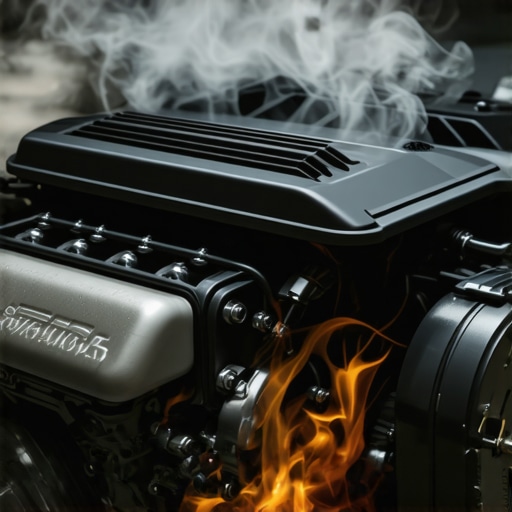
It happened during one of my morning drives—out of nowhere, a faint smell of burning oil wafted into the cabin. I immediately thought about leaks, stains on the garage floor, or maybe a spill from a recent oil change. But surprisingly, there was no visible leak or puddle underneath. That moment was a real lightbulb for me—sometimes, your car gives subtle hints that something’s amiss, even when nothing appears wrong at first glance. Have you ever experienced that burning smell without obvious leaks? If so, you’re not alone, and today I’ll help you understand what might be causing this mysterious scent.
Deciphering the Burning Oil Smell Without Leaks
Many car owners panic when they notice a burning smell, fearing major engine issues or costly repairs. But before jumping to conclusions, it’s crucial to recognize that a burning oil odor doesn’t always mean a leak on the ground. Sometimes, engine components like the valve cover gasket, oil pan gasket, or even the turbocharger can cause oil to burn off slowly, releasing fumes that seep into the cabin. These issues can be tricky—they might not leave visible traces, especially early on. According to research from Car and Driver, engine components can emit burning odors due to internal oil contamination or residue, even without external leaks. In my experience, a common early mistake is ignoring subtle smells and assuming a leak must be visibly spreading. The reality is, internal oil fouling or overheating of certain parts often triggers these scents first.
If you’ve faced a situation where your car smells like it’s burning oil but no leak is apparent, don’t worry. The good news is, with proper diagnosis and maintenance, you can often rectify the problem before it escalates. In the sections ahead, I’ll share practical steps and tips to identify and fix this elusive issue. For now, let’s explore what specific components may be responsible and how to tell whether they’re the culprits.
Pull Back the Curtain on Internal Causes
Start by inspecting areas prone to oil burning that aren’t visible externally. Focus on components like the valve cover gasket or turbocharger seals, which can leak oil internally, causing an odor without forming puddles. To get a clear picture, remove the engine cover and look for signs of oil residue around these parts. A trick I used involved using a flashlight and a mirror to see hidden spots—when I did this on my car, I noticed slight oil stains around the turbocharger. This tipped me off to a failing seal that was slowly burning off oil when heated.
Check the Oil Level and Quality
Next, ensure your oil level isn’t too high, as excess oil can splash onto hot engine parts, creating burning smells. Do this with the engine turned off and cooled down—remove the dipstick, wipe it clean, then reinsert and pull it out again to check the level. Also, examine the oil’s consistency. Milky or gritty oil indicates contamination or breakdown, which can cause internal burning smells. Remember, regularly scheduled oil changes and using the correct oil grade are your best defenses—refer to your vehicle’s manual or visit a trusted shop like Collision Renew for professional service.
Inspect and Replace Valve Cover Gaskets
The gasket seals in the valve cover can deteriorate over time, leading to oil seepage that burns off. To inspect, remove the engine cover and look for oil residues around the gasket. If the gasket looks hardened or cracked, it needs replacing. Replacing this gasket is DIY-friendly if you’re comfortable working with engine components; otherwise, a professional can do it efficiently. Doing this prevents oil from leaking onto manifolds where it burns and creates that smoky smell. Remember, a well-sealed gasket keeps your engine compartment cleaner and odor-free.
Address Turbocharger and Oil Cooler Issues
For turbocharged engines, a failing turbo seal can leak oil into the intake path, causing burning smells. Inspect turbo connections for signs of oil leaks or smoke. Similarly, oil coolers or lines could be compromised, especially in high-mileage vehicles. Tighten loose connections and replace damaged hoses. I once tackled a turbo issue by replacing the seals—a process that required some patience but prevented me from replacing the entire turbo. If you’re unsure, consulting a mechanic can save time and expense. Properly functioning turbo components not only eliminate odors but also improve engine performance, as discussed in this guide.
Clean and Maintain Your Engine Bay
To prevent oil from burning and causing smells, keep the engine bay clean. Use a degreaser suitable for automotive use, carefully spray on the engine, and rinse with water—avoiding sensitive electrical parts. Regularly check for new leaks or oil buildup. After cleaning, run the engine for a few minutes to see if the smell persists. This maintenance not only improves the look of your engine but also helps catch issues early. For comprehensive maintenance routines, check out this resource.
Monitor and Test Post-Repair
Once repairs or inspections are complete, start the engine and let it reach normal operating temperature. Then, observe the engine bay while idling. Be alert for lingering smells or new leaks. If the smell persists, re-inspect components or seek professional help. Sometimes, a minor adjustment like tightening a clamp or replacing a gasket can resolve the issue. Regular checks ensure your vehicle remains odor-free and reliable, saving you from costly future repairs.
Many car owners operate under misconceptions about maintenance and repair, often believing that simple solutions or shortcuts suffice. One common myth is that all auto repairs are interchangeable and that a quick fix from the nearest shop will always do. In reality, professional service centers like Collision Renew emphasize tailored diagnostics and specialized tools, which are crucial for accurate repairs. Relying solely on generic services can lead to overlooked issues that worsen over time.
Another nuance many overlook is the importance of understanding your vehicle’s specific needs rather than following blanket advice. For example, when it comes to transmission care, some believe that regular flushes are universally beneficial. However, experts like those referenced in transmission maintenance tips warn that improper flushing or too frequent fluid replacements may actually harm the transmission, especially in older models.
A common mistake is misjudging brake service needs, where drivers think squealing is always due to worn pads—yet, the underlying issue could be contaminated rotors, worn calipers, or even brake fluid issues. Prioritizing comprehensive diagnostics rather than quick pad replacements saves money and enhances safety.
For those seeking longevity, neglecting the subtle signs of aging components can be costly. For instance, many ignore early vibration or noise symptoms, assuming they’re minor. Early intervention through expert inspections can prevent major failures, extending vehicle life and avoiding expensive repairs. The essential service checks are a good routine to adopt.
Let’s address one advanced question that puzzles seasoned enthusiasts:
Why do some cars develop transmission slipping after just a few years despite regular maintenance?
According to recent research from the National Institute for Automotive Service Excellence, improper or incomplete maintenance, such as neglecting to update transmission fluid according to manufacturer specs, can degrade transmission performance prematurely. Additionally, using incorrect fluid types or neglecting to check for fluid leaks can set the stage for slipping, even in relatively new transmissions. This highlights that maintenance isn’t just about performing regular tasks but doing them correctly and tailored to your vehicle’s specifications.
In summary, understanding the nuances behind auto repair—like customized diagnostics, appropriate service intervals, and avoiding common pitfalls—can save you money, improve safety, and prolong your vehicle’s lifespan. Don’t fall into the trap of oversimplified advice or one-size-fits-all solutions. Instead, trust expert-guided maintenance routines and stay informed through reputable sources. Proper care is a long-term investment—your car’s performance depends on it.
Have you ever fallen into this trap? Let me know in the comments! For personalized advice or to schedule a professional inspection, visit Collision Renew’s contact page today.Maintaining your vehicle’s performance over time requires more than just knowing the basics; it involves investing in the right tools and technologies that can diagnose, repair, and prevent issues effectively. As someone deeply involved in auto repair, I’ve found that specific equipment makes all the difference in ensuring longevity and safety.
One indispensable device I swear by is the OBD-II scanner. models like the BlueDriver Bluetooth Pro have become my go-to tools because of their detailed diagnostics and user-friendly interfaces. They allow me to read and clear error codes quickly, providing insights into emissions, engine performance, and transmission issues without the need for complex computer setups. This immediacy helps me catch small problems before they escalate into costly repairs.
Complementing diagnostics, a high-quality digital multimeter—specifically the Fluke 115 CAT III—has been essential for testing electrical components like sensors, switches, and relays. Its precision and durability enable me to troubleshoot wiring problems efficiently, which is critical for long-term maintenance routines.
When it comes to fundamental repairs, I rely heavily on a robust hydraulic jack and full set of socket wrenches from brands like GearWrench. These tools help me work safely under the vehicle and access hard-to-reach areas, especially when replacing gaskets or timing belts. Safety is non-negotiable, and quality tools ensure not only effective repairs but also your well-being at the repair site.
From a software perspective, maintaining up-to-date repair manuals through subscriptions like this comprehensive guide is a game-changer. They provide step-by-step procedures, torque specifications, and troubleshooting tips, reducing guesswork and streamlining repairs. Investing in such resources saves time and reinforces your confidence in handling some maintenance tasks yourself.
Looking ahead, I predict that the integration of artificial intelligence with auto diagnostic tools will revolutionize maintenance routines. Imagine AI-powered apps that analyze error codes, predict component failures, and suggest precise repairs based on your vehicle’s history. As vehicle technology advances, staying ahead with innovative tools will be crucial—so I recommend experimenting with connected diagnostic devices now to prepare for the future.
How do I maintain tools and equipment over time?
The key lies in proper storage, regular calibration, and cleaning. Keep your electronics in a dry, dust-free environment, and periodically check calibration to ensure accuracy. For manual tools, like wrenches and screwdrivers, cleaning withIndustry-appropriate lubricant and storing them in a dedicated toolbox prolongs usability. Not only does this save money, but it also guarantees your tools perform reliably when needed.
Before wrapping up, I encourage you to try upgrading your diagnostics—perhaps by investing in a reliable OBD-II scanner. It’s a small step that pays off over the years, helping you identify and address issues early. For high-mileage vehicles or meticulous DIY enthusiasts, combining digital diagnostics with physical tools creates a comprehensive maintenance strategy. Remember, consistent upkeep backed by the right equipment extends vehicle life significantly, saving you money and stress in the long run. To get started, explore trusted retailers or your local auto parts store, and read our essential service checklist for specific recommendations.
After years of working with vehicles, I’ve realized that many car issues reveal themselves through subtle signs—even when everything seems normal visually. One of the trickiest problems I’ve encountered is when a burning oil smell emanates from the engine bay without any noticeable leaks. This scent often misleads owners into thinking the worst, but understanding its root causes can save you time and money. Recognizing these hidden clues is essential to maintaining your vehicle’s health and avoiding premature repairs.
Why the Smell Doesn’t Tell the Whole Story
Burning oil odors without leaks might seem alarming, but they often originate from internal engine components like worn gaskets or seals that burn oil slowly. These issues don’t always produce visible puddles or stains, making them easy to overlook. Early on, this smell is usually a sign of minor issues, such as residual oil burning off after a recent repair or buildup on hot surfaces. My experience has shown that ignoring these scents can lead to more severe problems, like turbocharger failure or piston ring wear.
Pinpointing the Internal Culprits
To catch the problem early, inspect critical areas such as valve cover gaskets and turbo seals where oil might seep and burn without external evidence. A thorough visual examination using a flashlight and mirror can reveal oil residues or discolored components. I once noticed oil stains around my turbocharger and replaced the seals before they caused extensive damage. Regular maintenance and keen observation make all the difference in preventing costly repairs down the line.
Keep Your Oil in Check
Maintaining proper oil levels and quality is fundamental. Too much oil can splash onto hot components, producing a burning scent. Check your oil with the engine cooled down, and ensure it’s within the recommended range—consult your manual or reliable sources like this guide for best practices. Using the correct grade of oil and adhering to scheduled changes ensures your engine runs smoothly and odor-free.
Reinforce Seals and Gaskets Before Matters Worsen
Worn valve cover gaskets and worn turbo seals are common sources of internal oil leaks that cause burning smells. Replacing these components is often straightforward, especially if caught early. In my case, replacing a faulty gasket myself saved a lot of money and prevented an engine overheating issue. If you’re unsure, professional help from trusted repair centers like Collision Renew can ensure proper installation and peace of mind.
Take Care of Your Turbo and Oil Lines
For turbocharged engines, seals and oil lines endure high stress. Regular inspections can reveal leaks or deterioration before they cause odors or engine damage. Replacing worn parts early maintains performance and avoids unexpected breakdowns. Remember, turbo issues are often silent until they present as burning smells or performance drops, so proactive maintenance is vital.
Maintain the Engine Bay to Prevent Odors
Keeping the engine bay clean reduces dirt and debris that can trap oil residues and burn. Use suitable degreasers and check for new oil leaks periodically. A neat engine bay not only looks good but also enables easier detection of potential problems, as I discovered when cleaning my vehicle and noticing a minor leak that I fixed immediately.
Monitor Vehicle Performance and Smells After Repairs
After any repair, start your engine and observe for lingering scents or leaks. A test drive helps identify if the issue persists. Sometimes, a simple tightening of a clamp or gasket reinstallation is enough to eliminate odors. Continuous monitoring ensures your vehicle stays in optimal condition, saving you money in the long run.
Throughout my automotive journey, I’ve seen how misconceptions and shortcuts often lead to bigger problems. Many believe that a quick fix or ignoring minor smells won’t hurt, but in truth, attentive and informed maintenance fosters a longer vehicle lifespan. Professional diagnostics and tailored repairs are key, as emphasized by this trusted resource.
Lessons from My Auto Repair Adventures
- The Hardest Lesson I Learned About Car Service: Never underestimate the power of a subtle smell—it’s your car’s way of warning you about internal issues.
- 3 Myths About Auto Maintenance That Cost Me Time: Believing that all leaks are visible—or that generic fixes suffice—can lead to bigger expenses and safety concerns.
- What Experts Won’t Always Tell You About Engine Repairs: Sometimes, internal gaskets and seals need proactive replacement before they cause damage—trust your instincts and diagnostics.
Tools and Resources That Have Saved Me Time
- My trusted OBD-II scanner helps me detect internal engine issues early, preventing smell-related surprises.
- The comprehensive repair manual provides step-by-step procedures for gasket replacements and maintenance routines.
- Quality tools like professional-grade wrenches and diagnostic equipment are investments that pay off over time.