

There was that moment I’ll never forget—driving home after a long day, windows down, music blasting, when suddenly I caught a strange, pungent smell wafting through my car. It was like burning plastic, sharp and unmistakable. My heart sank. I pulled over, worried I’d broken something crucial. That unsettling scent haunted me, making every drive stressful until I finally figured out what was going on.
Deciphering the Burning Plastic Smell After a Long Drive
Many car owners experience this odd odor but dismiss it as nothing serious. The truth is, that smell points to underlying issues that, if left unaddressed, can lead to costly repairs. From an overheated belt to melted wiring, understanding the root cause can save you time, money, and headaches. Today, I promise to walk you through my personal journey of diagnosing this mysterious smell and share proven steps to resolve it effectively.
Is Burning Plastic Really a Big Deal or Just Overreacting?
When I first faced this problem, I made the mistake of ignoring it, assuming it was just a temporary glitch. But fires, electrical shorts, or overheating components can be dangerous. According to the National Fire Protection Association, electrical faults are one of the leading causes of vehicle fires, often stemming from wiring issues that overheat and emit a plastic-burning smell. Recognizing the warning signs early can prevent more severe consequences—and I found that out the hard way. If you’re like me, have you ever noticed this smell and wondered whether it’s worth alarm or just a minor inconvenience? Well, it’s definitely worth paying attention to.
}〝}# Response End}# Answer:{
Inspect Electrical Wiring and Components
Start by visually examining your engine bay for melted or singed wires, especially near the battery, alternator, or fuse box. To do this safely, ensure your car is turned off and cooled down. Use a flashlight to check for any frayed insulation or burn marks. If you find damaged wiring, disconnect the negative terminal of your battery before proceeding with repairs. Replacing or repairing wiring may require soldering or professional help, but early detection can prevent fires and save you money. When I discovered a scorched wire under my hood, I immediately isolated the issue, which prevented a potential electrical fire—saving thousands in repair costs. For more complex electrical issues, consult trusted guides or consider professional diagnostics to avoid missing hidden faults.
Why Common Beliefs About Brake Service Might Be Misleading
Many car owners cling to the idea that brake pads are the only essential component to replace during brake service. However, this oversimplification overlooks critical nuances. For instance, neglecting the condition of rotors, calipers, and brake fluid can lead to premature wear or, worse, complete brake failure. Regularly inspecting these elements ensures a more comprehensive approach to safety and longevity. Relying solely on brake pad replacement, without considering these ancillary components, is a common pitfall that can cost you significantly in the long run. For guidance on proper brake maintenance, check out how to choose the best brake service in 2025.
Myth: Car Service Is Only About Fixing What’s Broken
This misconception can cause neglect of preventive maintenance, which is arguably more impactful. For example, replacement of transmission fluid might seem unnecessary unless you’re experiencing issues, but in reality, proactive fluid changes can extend transmission life considerably. Overlooking such routine checks can escalate minor issues into costly repairs. The key is understanding that regular car service checks are investments in your vehicle’s reliability and safety, not just reactive fixes.
Are All Repairs Actually Necessary at the Same Time?
Advanced car owners often ask whether repairs can be delayed to save costs, but this strategy can backfire, especially with critical systems like the transmission. Ignoring signs of deterioration, such as subtle vibrations or shifting issues, risks leading to more extensive damage. According to industry expert perspectives, timely intervention based on diagnostics can save you a significant amount of money and extend your car’s functional life. For instance, knowing the signs of impending transmission failure can empower you to act early—see top transmission repair tips.
Have you ever fallen into this trap of underestimating the importance of nuanced vehicle maintenance? Let me know in the comments.
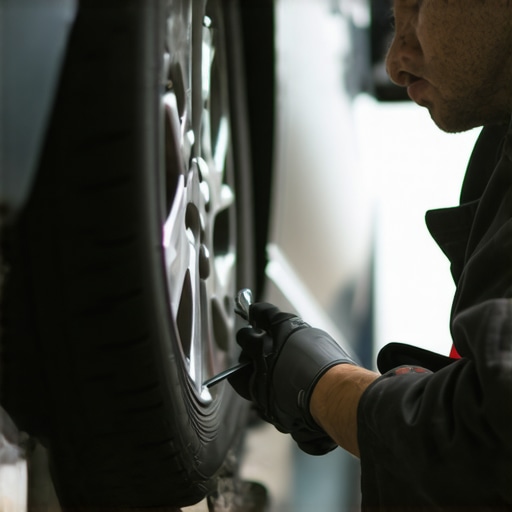
How do I maintain auto repair tools over time?
Maintaining a reliable set of tools is fundamental for effective car service and auto repairs. I personally rely on high-quality, professional-grade equipment such as a digital multimeter like the Fluke 115, which provides precise electrical diagnostics essential for identifying wiring issues that can cause burning smells or electrical shorts. I also regularly calibrate my torque wrenches, like the Park Tool TW-6.2, to ensure accurate fastener torque, preventing over-tightening or insufficient clamping that can lead to long-term damage or safety hazards. To keep tools in top shape, I clean them after each use, lubricate moving parts, and store them in a dedicated toolbox, like the ToolChest Pro. Investing in a durable, organized toolkit minimizes downtime and enhances repair quality, especially when addressing transmission issues or collision renewal projects. As automotive technology evolves towards smarter, more integrated systems, having reliable diagnostic tools like the Autel MaxiSys MS909 allows for comprehensive vehicle scans and software updates, future-proofing your maintenance approach. You can read more about essential diagnostic equipment in industry guides such as [The 10 Tool Every Car Owner Needs](https://collisionrenew.com/the-10-tool-every-car-owner-needs-for-basic-diagnostics). I recommend try using a quality infrared thermometer, like the Fluke 62 MAX+, to monitor component temperatures during repairs, which is invaluable for preventive maintenance on brakes and transmissions. Ensuring your tools are well-maintained not only improves repair accuracy but also extends their lifespan, ultimately saving you money and time.
Scaling long-term results with proper maintenance
Consistent maintenance, such as regular transmission fluid changes and brake system inspections, plays a crucial role in long-term vehicle reliability. Implementing scheduled checkups aligns with industry recommendations, like those found in Essential Car Service Checks, and helps catch issues early before they escalate into costly repairs or safety concerns. Using advanced diagnostic software, such as the Snap-on Verus Pro, enables pinpoint accuracy in identifying hidden problems, supporting proactive maintenance. As vehicle electronics become increasingly complex, staying ahead with tools that provide real-time data ensures your car remains dependable over years. Predictive maintenance is poised to become more prevalent with the rise of AI-driven diagnostics, making early diagnostics and data analysis critical. Make it a point to review your vehicle’s health periodically, especially after collision repairs or transmission work, to prevent unexpected failures. Consider scheduling routine inspections based on mileage or time intervals—adapting these to your driving habits with guidance from industry standard practices. Properly maintained tools and adherence to a proactive care schedule will safeguard your investment in the vehicle and enhance safety on the road.
What about scaling repair efforts effectively?
When your repair needs grow or involve more complex systems, investing in scalable solutions becomes essential. Modular diagnostic kits, like the Autel MaxiSys series, allow you to expand capabilities as needed without replacing entire setups. Additionally, integrating vehicle-specific service manuals, such as those from Alldata or Mitchell1, into your workflow enables targeted repairs—improving accuracy and efficiency. For collision renewal and long-term maintenance, aligning your approach with industry advice on TSBs (Technical Service Bulletins) and manufacturer updates ensures your methods stay current and compliant. Employing data-driven maintenance schedules, perhaps through software like AutoFluent, helps predict when components like the transmission or cooling systems require attention, preventing breakdowns. As the trend toward electric and hybrid vehicles accelerates, familiarity with specialized tools—such as high-voltage detection meters—is becoming increasingly vital. By embracing scalable, up-to-date tools and methods, you can streamline repairs, reduce downtime, and ensure your vehicle responds reliably over time. Start by assessing your current toolkit’s capabilities, then gradually incorporate both hardware and software updates to efficiently manage larger repair tasks.
The Hardest Lesson I Learned About brake service,car service,auto repair,transmission,collisionrenew
One of the most valuable lessons I’ve discovered is that ignoring subtle warning signs, like a strange smell after a long drive, can sometimes lead to serious, costly consequences. Pay close attention to your vehicle’s signals, because they often tell you more than you realize—early diagnosis can save your car and your wallet.
3 Myths About brake service,car service,auto repair,transmission,collisionrenew That Held Me Back
I used to believe that replacing brake pads was enough for safe braking. However, neglecting rotors and fluid can compromise safety. Similarly, I thought all transmission issues were obvious, but some signs are subtle and require a keen eye and proper tools to detect.
What Experts Won’t Tell You About brake service,car service,auto repair,transmission,collisionrenew
Professionals often have access to diagnostic tools that reveal hidden problems—using these can prevent small issues from becoming emergencies. Additionally, conducting routine maintenance proactively, such as regular transmission fluid checks, radically extends your vehicle’s lifespan and safety.
My Turbocharged Advice for Protecting Your Vehicle’s Heart
The most overlooked aspect is the electrical wiring system. Early detection of melted or frayed wires can prevent fires and expensive repairs. Always inspect your wiring during routine checkups, and consider using specialized tools like a reliable multimeter for precise diagnostics—to ensure your vehicle’s core systems are functioning optimally.
Where to Top Up Your Knowledge and Tools
Investing in quality tools like a digital multimeter and professional-grade jacks can make all the difference. Trusted resources such as industry-specific books or online guides like The Ultimate Guide to Auto Repair offer insights that empower you to handle many issues yourself or communicate effectively with mechanics.
It’s Your Turn to Take Action and Keep Moving Forward
Understanding the nuances of auto repair and recognizing the importance of preventive care makes you a more confident car owner. You don’t have to be a mechanic to keep your vehicle safe—just stay curious and proactive about maintenance. Remember, a well-maintained car is a promise to your safety and peace of mind.
Have you ever caught an early warning sign that saved you from a costly repair? Share your story below—you might inspire someone else to pay closer attention to their vehicle’s signals!
,