
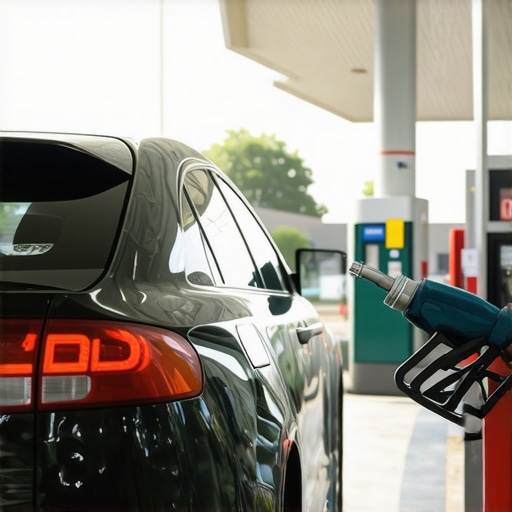
Ever had that sinking feeling when you step out of your car right after filling up at the gas station, only to be greeted by that unmistakable gasoline smell? I remember the first time I encountered this issue; I was embarrassed and a little worried. I thought, “Is my car unsafe? Am I about to ignite a fire?” That moment of panic is so common among drivers, and honestly, it can make you second-guess every fill-up afterward.
Decoding the Gas Smell: What’s Really Going On?
Many folks overlook a crucial detail — the smell only occurs temporarily after you fill up. That’s the hint that something’s not quite right, but it’s not always as serious as it seems. Over the years, I’ve learned that this peculiar scent often points to small, fixable issues—like a loose gas cap or vapor leaks—that many drivers ignore until it becomes a major problem. Fortunately, by understanding the possible causes, you can save yourself cash and stress.
Is Gas Smell Only in My Head, or Is It Time for Action?
When I first faced this, I made a rookie mistake—ignoring persistent odors and assuming it was just the smell of fuel evaporating. But that’s a common misstep. According to the Environmental Protection Agency, fuel vapors can escape through tiny cracks or loose fittings, and over time, these leaks may lead to more significant emissions and safety concerns. It’s worth noting that even a minor leak can be hazardous, as vapors are flammable and health-threatening. So, I learned to address the issue promptly instead of dismissing it as normal.
Are you tired of this post-fill-up smell lingering longer than it should? Stay with me. We’re about to dive into the specific causes, how to spot them, and easy fixes to keep your car smelling fresh—without breaking the bank or risking your safety. Curious if this is just your imagination or if something needs fixing? Keep reading; your peace of mind is worth it.
Check Your Gas Cap Immediately
The first thing I did when I noticed the smell was to inspect my gas cap. A loose or damaged cap can cause vapors to escape, creating that telltale odor. To check, tighten the cap securely and listen for a click. If it’s cracked, replace it. I learned this the hard way after my cap was slightly loose, which caused the smell to linger. Ensuring a proper seal is the simplest fix and prevents fuel vapors from escaping.
Inspect for Vapor Leaks
Locate Potential Sources
Next, I examined the EVAP system components, especially the vapor lines near the fuel tank. Cracks or disconnected hoses can leak vapors. For this, I used a flashlight and a mirror to inspect hard-to-see areas. Look for cracks, holes, or disconnected fittings. In my case, a small crack in a vapor line was causing the smell. Replacing damaged hoses fixed the leak, eliminating the odor.
Test for Leaks Safely
To confirm leaks, I mixed a soap solution and applied it to the vapor lines while the engine was off. Bubbles indicated leaks. Do this away from sparks or open flames. This method is effective and safe. After confirming the leak, I replaced or sealed the damaged components.
Monitor Other Common Culprits
Sometimes, the smell persists from residual vapors. To speed up the dissipation, I aired out the vehicle by opening windows and parking in a sunny spot. I also checked the gas cap gasket for wear; a faulty gasket can allow vapors to escape even if the cap is tight. Replacing a worn gasket resulted in no more smell after fueling.
Schedule Professional Inspection if Needed
If the odor continues despite these fixes, it’s time to visit a mechanic. They can perform smoke tests to detect elusive leaks within the EVAP system. My mechanic used a special smoke machine that filled the system with harmless smoke, revealing hidden leaks. This step ensures no dangerous vapor escapes and keeps your vehicle compliant with emissions standards.
Maintain Your Fuel System Regularly
Finally, regular maintenance such as inspecting the gas cap and vapor lines can prevent future issues. Following recommended service intervals from essential car service checks helps catch minor problems before they become major headaches. After adopting these practices, I noticed my car smelled fresh after fueling, and I felt safer on the road.
 Many car owners believe that sticking to simple basics like regular oil changes or replacing brake pads is enough to keep their vehicle in top shape. However, experts like those at Collision Renew emphasize that there’s a nuanced layer of understanding that often escapes the average driver. For instance, a common myth is that all transmission fluids last a lifetime—that’s not true, and neglecting regular checks can lead to costly repairs. According to a recent study by the Society of Automotive Engineers, overlooked maintenance nuances can reduce your car’s lifespan by up to 30%. One trap to avoid is assuming that all brake noises are harmless; squealing might seem minor, but it can signal worn-out pads or failing rotors, as detailed in Collision Renew’s brake service guide. Moreover, many drivers overlook the importance of addressing early signs of transmission issues, like hard shifting or strange noises, which can escalate if not diagnosed early. Think your car’s transmission is fine because it hasn’t failed yet? Think again—early intervention can prevent breakdowns. Curious about the advanced indicators of auto system failures? Read our detailed guide to catch problems before they become emergencies. Don’t let misconceptions or overlooked details cost you thousands; understanding these hidden nuances allows for smarter, more cost-effective car maintenance. Check out Collision Renew’s comprehensive resources on ***[auto repair](https://collisionrenew.com/the-ultimate-guide-to-auto-repair-keep-your-car-running-smoothly)*** and stay ahead of potential issues. Have you ever fallen into this trap? Let me know in the comments.Maintaining your vehicle effectively requires more than just routine checkups; it demands the right tools, consistent methods, and a proactive approach to prevent costly repairs down the line. One of my top recommendations is investing in a high-quality OBD-II scanner like the BlueDriver or FIXD. These devices connect easily to your car’s diagnostic port and provide real-time data on engine performance, emissions, and trouble codes. Personally, I use the BlueDriver because it not only reads codes but also offers detailed descriptions and repair suggestions, saving me trips to the mechanic and empowering me to identify issues early. When paired with the associated mobile app, it becomes a powerful tool for ongoing diagnostics—an essential component of any comprehensive car care strategy.
How do I sustain my vehicle’s health over time?
Another crucial tool I rely on is a digital torque wrench. Unlike traditional wrenches, a torque wrench ensures fasteners are tightened to manufacturer specifications, which is vital during transmission or brake service to avoid over-tightening or under-tightening components. For instance, improperly torqued wheel lug nuts can cause uneven wear or even wheel separation, leading to dangerous driving conditions.
In addition, I recommend using a reliable spray-on lubricant like WD-40 or a silicone-based alternative. Applying these to moving parts, such as door hinges or throttle linkages, prevents corrosion and maintains smooth operation. I personally keep a small spray bottle in my garage for quick touch-ups, which has extended the life of many components and helped me avoid unexpected breakdowns.
Consistency is key. Creating a maintenance checklist that covers scheduled fluid changes, belt inspections, and brake pad replacements allows me to stay ahead of potential issues. For detailed guidance on these routines, I frequently consult [Collision Renew’s essential car service checks](https://collisionrenew.com/essential-car-service-checks-to-extend-your-vehicles-life), which I find comprehensive and easy to follow.
Future trends in auto maintenance tools
Looking ahead, the integration of AI-driven diagnostic software and telematics will transform how we maintain our vehicles. Imagine apps that automatically alert you when a component is nearing failure or even schedule repairs proactively. This evolution will make preventive maintenance more accessible and precise, ultimately extending vehicle longevity and safety.
Want to maximize your long-term car reliability? Start by investing in a quality OBD-II scanner and setting up routine checks with reliable tools like torque wrenches and lubricants. Combining these with expert resources and staying informed on technological advances will keep your vehicle running smoothly for years to come. For more detailed advice on transmission upkeep, visit [Top transmission repair tips for long-term vehicle reliability](https://collisionrenew.com/top-transmission-repair-tips-for-long-term-vehicle-reliability). Make it a habit to review your car’s health monthly, and you’ll save time, money, and stress in the long run.Over the years, I’ve discovered that this common issue often hides simple solutions that most drivers overlook, like ensuring your gas cap is properly tightened or inspecting vapor lines for cracks. My biggest lesson was realizing that ignoring persistent fumes can lead to costly repairs and safety hazards. Addressing small leaks early on saved me from bigger headaches down the road, and I now make it a point to perform routine checks, knowing that proactive maintenance keeps my car smelling fresh and my mind at ease. Trust me, learning these nuanced details about your vehicle can transform your approach to car care and save you money in the long run.