
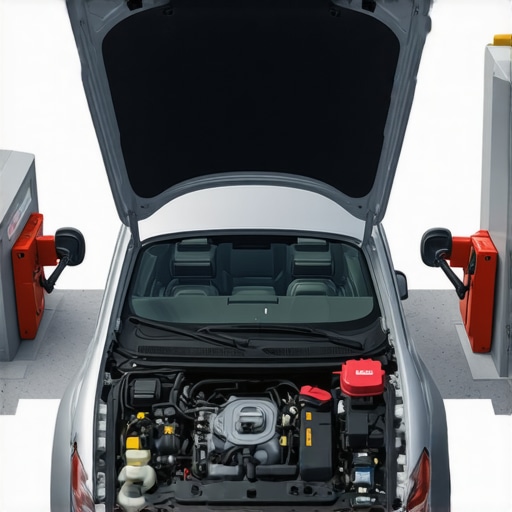
It happened to me more times than I care to admit. One especially frustrating morning, I eagerly turned the key, and instead of that satisfying engine roar, I was met with silence. The gas station was behind me, my car was acting up again, and I realized something strange—my car only refused to start right after I filled the tank. That moment of helplessness hit hard, and I knew I wasn’t alone in this struggle.
Unraveling the Mystery of the Post-Fuel Start Dilemma
Many drivers have faced the perplexing situation where their vehicle stalls or won’t start immediately after fueling. It’s tempting to dismiss it as a coincidence or just bad luck, but there’s often a sneaky culprit beneath the surface. Understanding why this happens can save you from being stranded and help you tackle the problem head-on.
So, what’s really going on? Why does filling up your fuel tank sometimes turn into a mini mechanical puzzle? Well, the good news is, it’s a problem with a fairly straightforward fix once you know what to look for. Today, I’ll share insights from my own experiences and guide you through the common causes.
Before I discovered the root of this issue, I made the mistake of ignoring small signs or assuming it was a problem with my fuel pump or battery. However, early mistakes like that delayed my diagnosis and made the problem worse. Trust me, addressing these issues early makes all the difference.
If you’ve ever been in the same boat, keep reading. We’ll explore the main causes behind why your car struggles to start after fueling, how to identify them, and what steps you can take to resolve the issue. By the end, you’ll be armed with the knowledge to prevent this frustrating situation from catching you off guard again.
Curious if it’s something simple like a loose fuel cap or a more complex issue? Let’s dig deeper, starting with how fuel system components can be involved in this problem. And for those wondering if this is just a coincidence or if it’s worth the effort to fix, I’ll share some eye-opening facts along the way, including insights from industry experts. Did you know that according to a study by the National Renewable Energy Laboratory, improperly sealed fuel caps are among the most common and overlooked causes of vehicle performance issues? Knowing this makes it easier to spot the real problem.
Now, get ready to troubleshoot your fuel system and ensure your car starts smoothly every time, no matter what’s in the tank.
Inspect the Fuel Cap for Proper Sealing
Start by checking if your fuel cap is securely tightened. A loose or damaged cap can cause vapor lock, disrupting the fuel system and preventing your car from starting right away. I once experienced this myself; after tightening the cap, my car started smoothly, saving me a trip to the mechanic. If the cap is damaged or missing, replace it with a genuine part to ensure a proper seal. For more insights on common fuel system issues, see spare tire safety tips.
Examine for Vacuum Leaks That Sabotage Engine Intake
Next, look for vacuum leaks, which can cause the engine to run lean and stall unexpectedly. Use a soapy water solution and spray it around vacuum hoses and intake manifold gaskets—bubbles indicate leaks. I once found a cracked vacuum hose using this method, which when replaced, restored my engine’s smooth start. Address leaks promptly by replacing damaged hoses; it’s a quick fix that makes a big difference. Learn how to detect vacuum leaks with this easy trick.
Test the Fuel Pump’s Responsiveness
The fuel pump delivers pressurized gasoline from the tank to the engine. If it’s failing, you might experience delayed starts or stalling after fueling. To check its response, listen for a brief humming sound when turning the ignition key to the ON position—a sign the pump is working. In my case, when the pump was weak, the car wouldn’t start immediately after fueling. Replacing a faulty fuel pump, following diagnostics, solved my problem. For a detailed guide, visit how to spot a failing fuel pump.
Assess the Fuel Pressure and Delivery System
Use a fuel pressure gauge or have a mechanic perform a pressure test to ensure proper fuel delivery. Low pressure indicates issues like a clogged filter or failing pump. I borrowed a gauge from a friend and checked my car’s pressure; it was below spec, leading to a clogged fuel filter. Replacing it restored optimal fuel flow, allowing my engine to start without hesitation. Regularly checking fuel pressure can prevent being stranded—see tips on diagnosing fuel pump performance.
Check the Around-The-House Components
Do not overlook simple fixes like ensuring the battery terminals are clean and tight. Corrosion or loose connections can mimic fuel system issues. I once cleaned my battery terminals and noticed an immediate improvement in starting performance. Also, verify the condition of spark plugs and ignition coils—faulty components here can cause difficulty starting after fueling. For cleaning tips, read battery terminal maintenance.
Prevent Future Problems with Routine Maintenance
Regularly inspecting and replacing filters, hoses, and seals keeps your fuel system in top shape. Consider replacing your fuel filter every 30,000 miles and inspecting hoses during oil changes. These proactive steps help avoid the inconvenience of a no-start situation, especially after refueling. Remember, addressing even small leaks or loose connections early can save you time and money—skip this, and you risk being stranded at the worst moment.
Many car owners believe that routine maintenance is just a checklist of basic tasks like oil changes and tire rotations. However, one common misconception is that these basics alone ensure long-term vehicle health. In my experience, overlooking nuanced issues—like the subtle signs of transmission slipping or brake fade—can lead to costly repairs down the line. Advanced problems often masquerade as minor symptoms, and failing to recognize them can trap you into expensive repairs or dangerous situations. For instance, a brief whiff of burning smell during braking might seem normal, but it could indicate warped rotors needing immediate attention. Experts like industry veteran mechanics emphasize that understanding these nuances helps prevent minor issues from becoming emergencies. Have you ever fallen into this trap? Let me know in the comments.
Are You Misjudging Brake Service and Transmission Health?
Contrary to popular belief, not all brake noises or shifts are equal. Squeaking brakes may be dismissed as dust, yet they could signal a deteriorating component that requires prompt intervention. Similarly, a transmission that slips only when towing suggests an underlying issue with fluid levels or internal wear. Many drivers ignore these signs until major damage occurs, resulting in extensive repairs. One critical nuance is recognizing the difference between normal wear and early warning signs; statistics from automotive safety reports indicate that early diagnosis significantly reduces repair costs. For example, a whirring sound from the rear axle, often mistaken for tire noise, might actually be a failing wheel bearing—an issue that can escalate quickly if not addressed early.
In collision repair, understanding the subtle cues like minor misalignments or paint inconsistencies can save you from future structural problems. When it comes to auto repair, appreciating that not all service needs to be reactive is vital. Regularly inspecting components such as service brackets, bushings, or seals can extend your vehicle’s lifespan and improve safety.
To avoid the trap of superficial fixes, educate yourself on the nuanced signs that point to deeper issues. Consult expert guides or trusted source materials to better interpret your vehicle’s behavior—this proactive approach can avert costly breakdowns and keep your driving safe and smooth.
Keeping Your Vehicle in Top Shape with the Right Tools
Investing in quality tools is crucial for maintaining your car’s reliability over time. I personally rely on a set of versatile, durable equipment that allows me to perform routine checks and minor repairs without always heading to the shop. For example, a high-quality torque wrench ensures lug nuts are tightened to manufacturer specifications, preventing uneven tire wear or wheel issues. I prefer digital models with preset values, making them both precise and easy to use for wheel replacements or suspension work.
When it comes to electrical diagnostics, a reliable multimeter is indispensable. I use a professional-grade multimeter that provides accurate readings of voltage, current, and resistance, helping me diagnose problems like failing sensors or faulty wiring—saving me hours in troubleshooting. For instance, testing my battery terminals regularly helps prevent unexpected starting issues, especially in colder months.
Besides physical tools, software plays an increasingly vital role in auto repair. I recommend investing in diagnostic scan tools compatible with your vehicle’s year and make. OBD-II scanners like the Launch CRP123 give me detailed trouble codes and live data, empowering me to identify issues like transmission slippage or fuel system errors early on. Regular scans not only identify problems before they escalate but also keep me informed about the health of critical components.
What Strategies Will Keep Your Car Running Smoothly Over Time?
Consistent maintenance is the foundation of long-term vehicle health. This includes regularly replacing filters, inspecting belts and hoses, and monitoring fluid levels. I schedule bi-annual checkups using my diagnostic tools to catch issues early. For example, detecting a declining fuel pump response with my scanner before it totally fails can save hundreds in repair costs and prevent breakdowns during crucial moments, such as before a road trip. A proactive approach, supported by proper tools, ensures your vehicle remains dependable in daily driving and long-distance adventures.
The future of auto maintenance leans heavily toward smart diagnostics and remote monitoring. Manufacturers are integrating telematics to alert owners about potential problems before symptoms are noticeable. Looking ahead, pairing traditional tools with innovative technology like mobile diagnostic apps will become standard practice for car enthusiasts and professionals alike. Embracing these advancements means you’re better prepared to keep your car working seamlessly for years to come.
How do I keep my car repair skills sharp over time?
Consistently updating your knowledge base and practicing with your tools is essential. I recommend enrolling in online courses or following trusted automotive channels that offer tutorials on new repair techniques. For example, mastering the art of diagnosing a whirring noise from the rear axle, as detailed here, can help you save on shop labor costs. Additionally, maintaining a dedicated repair journal can track maintenance milestones and identify recurring issues more effectively.
Don’t hesitate to experiment with advanced tips, such as using soapy water to find vacuum leaks, which I personally found surprisingly effective. These small skills, combined with your set of reliable tools, build confidence and competence over time. The key is regular practice and staying informed about industry innovations.
If you’re serious about long-term car upkeep, try integrating a professional-grade diagnostic scan tool into your routine. It’s a game-changer for early detection and preventive maintenance, helping your vehicle stay reliable every mile of the way.
The Hardest Lesson I Learned About Car Service,CollisionRenew,Brake Service,Transmission,Auto Repair
Over years of repairing my own vehicle, I discovered that some issues seem minor but harbor deeper problems. Skipping routine checks like inspecting for vacuum leaks or testing fuel pressure can lead to sudden breakdowns. I learned that patience and thorough diagnostics often prevent more costly repairs later. Sharing this wisdom has saved me from many roadside emergencies—and can do the same for you.
Tools and Resources That Gave Me an Edge
Investing in a quality diagnostic scanner, like the OBD-II scanner has been a game-changer. I also rely on a reliable multimeter for electrical troubleshooting and a set of quality wrenches for quick fixes. These tools empower me to identify issues early, saving time and money, and giving me confidence on the road. For more tips on maintaining your vehicle, check out the resources I trust.
Embracing the Journey of Automotive Knowledge
Learning to troubleshoot and repair your own vehicle fosters a sense of independence and peace of mind. Remember, most problems have simple solutions once you know what to look for, like checking your fuel cap or inspecting for vacuum leaks with this easy method. Keep asking questions, stay curious, and celebrate small victories—your car will thank you for it. What’s the next repair skill you want to master? Share below and let’s learn together.