
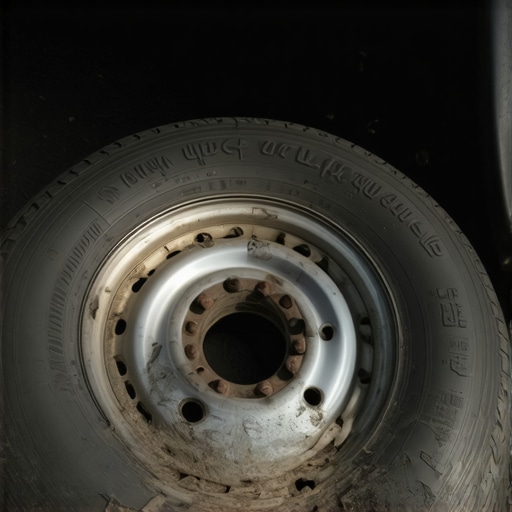
It happened on a chilly morning: I was carpooling to work when my wheel suddenly locked up, causing a dangerous skidding on the slick pavement. Turns out, I had overlooked an important detail—my spare tire, which looked pristine from the outside, was actually a ticking time bomb waiting to fail. That lightbulb moment made me realize just how common this silent danger is, and how many of us ignore the quiet warnings our vehicles give us.
Why a Look-New Spare Might Be a Recipe for Disaster
Have you ever looked at your spare tire, dusted it off, and thought, “This still looks perfect!”? Well, trust me, appearances can be deceiving. Many car owners equate a fresh-looking spare with safety, but in reality, damage and deterioration often hide beneath the surface. Exposure to the elements, slight shifts over time, or improper storage can compromise your spare’s integrity. I learned this firsthand early in my auto repair journey, when I made the mistake of assuming that a seemingly new tire was foolproof. That mistake nearly cost me dearly—and it’s a common pitfall among drivers.
The truth is, a tire’s condition isn’t just about tread depth or visible cracks. Internal factors like dry rot, weakened sidewalls, or hidden punctures can compromise safety without showing obvious signs. According to automotive safety studies, tires that look fine on the outside may have already lost their strength—making them unreliable in a pinch.
If that sounds familiar, you’re not alone. Many people don’t realize their spare tires need regular inspection, just like their main set. Failing to do so could turn a minor inconvenience into a major emergency when you need that tire the most.
Have you noticed your spare sitting quietly in the trunk, untouched for years? Or maybe you’ve had a scare when the spare failed unexpectedly? If so, this guide is for you. Today, I’ll walk you through the critical steps to ensure your spare isn’t just looking good but is genuinely safe and ready to go when your main tires give out.
Before we dive into the fix, let me share a quick story about a mistake I made early on—skipping a routine tire check and ending up stranded because of a dry rot. Trust me, I learned the hard way, but you don’t have to. For more insights on how to keep your tires in top shape, explore this detailed article on [the real reason your tires wear only on the inner edge](https://collisionrenew.com/the-real-reason-your-tires-are-wearing-only-on-the-inner-edge). Now, let’s get your spare ready for action—because safety isn’t just about looks, it’s about peace of mind.
Remove and Clean the Spare Tire Carefully
Start by safely lifting the trunk or storage compartment lid and removing the spare. Use a clean rag or brush to wipe off dust and debris. When I did this for my first car, I discovered a layer of dirt hiding potential cracks and dry rot, which could have been dangerous during an emergency.
Check the Tread and Sidewalls for Damage
Inspect the tread depth; if it’s below 2/32 inch, it’s time for a replacement. Look for cracks, cuts, bulges, or signs of dry rot—those tiny cracks can be silent killers for your tire’s integrity. I once ignored minor cracks on my spare, assuming it was fine, only to find it deflated during a roadside change. Regular visual checks prevent this.
Test Internal Air Pressure
Use a reliable tire pressure gauge to measure the PSI. Ensure it matches your vehicle’s recommended pressure—usually found in the owner’s manual or door jamb. If you don’t have a gauge, picking up a digital one is inexpensive and quick. I learned the hard way that even a seemingly perfect tire can be unsafe if underinflated, especially when stored unused for years. Proper inflation keeps the rubber flexible and prevents dry rot.
Inspect the Valve Stem and Valve Core
Examine the valve stem for cracks, leaks, or corrosion. Replace if necessary, because a faulty valve stem can cause slow leaks unnoticed. Tap the valve core with a valve core tool; if it’s loose or faulty, tighten or replace it. During my maintenance, I replaced a corroded valve stem, which restored proper pressure and avoided a sudden flat on the highway.
Evaluate the Storage Conditions
Store the spare in a cool, dry place and avoid direct sunlight or harsh chemicals. Improper storage accelerates dry rot and rubber deterioration. I learned from experience that keeping the spare in a humid trunk led to premature cracks, which compromised safety. Installing a small desiccant pack nearby can help control moisture.
Perform Regular Functional Checks
Once a year, have a professional inspect your spare for hidden damages or weaknesses, especially if it has been stored for years. Also, consider taking it for a quick test drive at low speed to check for unusual vibrations or noises—those can indicate imbalance or internal damage. A safety check saved me from a roadside emergency when I found a hidden puncture in my spare just in time.
Replace When Necessary
If your spare shows any signs of dry rot, cracks, or has been stored for more than 6 years, replace it—even if it looks fine externally. Tires degrade from the inside out, and modern materials aren’t immune to aging. Check the manufacture date stamped on the sidewall; if it’s over 6-10 years, it’s wise to invest in a new one. I once grounded my old spare, thinking it was still usable, only to be stranded on a trip due to internal dry rot.
By making these steps a routine, you’ll ensure your spare tire remains a reliable safety resource. Remember, a well-maintained spare can mean the difference between a quick roadside fix and a lengthy, costly repair—or worse, an accident. Keep safety first, and never ignore the small signs that your tire may be failing.
When it comes to collision repair and general auto maintenance, many car owners believe they understand the basics: get the oil changed, brake pads replaced when squealing, and transmission fluid topped off. But let’s dig deeper into what most people get wrong about services like collision renewal, brake service, and transmission repairs. A common misconception is that these procedures are one-and-done solutions, when in reality, the nuances can significantly impact your vehicle’s longevity and safety. For instance, many assume that a quick brake pad replacement fixes all issues, but neglecting to check the rotor surface or brake calipers can lead to uneven wear and future brake squeal. Similarly, auto repair shops often focus on the visible symptoms—scratches, leaks, squeaks—without addressing underlying causes such as misaligned sensors or worn-out suspensions, which can cause premature component failure.
One overlooked aspect is the importance of precise diagnosis, especially with transmissions. Most drivers believe that a slipping or hard-shifting transmission always indicates a need for a fluid change. While this is often true, experts emphasize that a deeper diagnosis may reveal sensor faults or internal damage that simple fluid replacement won’t fix. In fact, according to automotive experts, over-reliance on fluid flushes as a catch-all solution can sometimes mask serious internal issues, leading to costly repairs down the line. For example, ignoring symptoms like delayed engagement or unusual noise could result in transmission failure if not properly diagnosed.
Another subtle trap is in collision repair processes. Many shop operators prioritize cosmetic repairs—dents, scratches, paint matching—while neglecting to verify sensor calibration or structural integrity post-accident. This oversight can cause misalignment in safety systems, such as airbags or lane assist sensors, jeopardizing passenger safety. For a more technical perspective, check out the article on why your transmission won’t shift into overdrive.
For advanced car owners and enthusiasts, considering these nuances can mean the difference between a safe, long-lasting repair and a recurring headache. Do not fall into the trap of assuming that the obvious fixes are the complete solution. Instead, insisting on thorough diagnostics—covering suspension, sensors, fluid quality, and internal components—is crucial. Regular inspections tailored to your vehicle’s usage, especially if you frequently tow or drive long distances, can prevent minor issues from spiraling into major failures.
Have you ever wondered if your brake squeal is just dust or a sign of warped rotors? Or maybe you’ve ignored transmission slipping, assuming a fluid change would resolve it? Share your experiences in the comments, and let me know what nuances you’ve uncovered in your auto maintenance journey. Remember, understanding these details isn’t just about fixing the problem today; it’s about safeguarding your vehicle’s future.Maintaining your vehicle’s optimal performance requires more than just basic knowledge; it demands the right tools and a disciplined approach. As someone deeply involved in auto repair, I can attest that investing in specialized equipment and adhering to precise methods not only extends your car’s lifespan but also ensures safety on every journey. One of my go-to tools is a high-quality digital multimeter, which I use routinely to assess battery health, check sensor outputs, and diagnose electrical issues. Unlike traditional analog meters, digital multimeters provide fast, accurate readings and often come with auto-ranging features—an essential for quick troubleshooting. For example, when my car’s engine management system threw a fault code, I employed my multimeter to verify the voltage at various sensors, narrowing down the root cause efficiently.
Another indispensable instrument is a portable scan tool compatible with your vehicle’s make and model. I personally prefer the OBD-II scanners that connect via Bluetooth and integrate with smartphone apps. They allow real-time monitoring of parameters such as transmission temperature, oxygen sensor data, and ABS codes. This proactive approach can alert you to potential issues—like an overheating transmission, which, if left unchecked, could lead to significant damage. Reading the article on how to diagnose a hissing sound under your dashboard can provide additional context on utilizing diagnostic tools effectively.
For those serious about long-term results, maintaining a detailed service log is a game-changer. Use Excel templates or dedicated apps like Car Minder Plus to record fluid changes, filter replacements, and inspections. This habit ensures you never miss an important interval and helps when you seek professional repairs—showing evidence of consistent maintenance.
Long-term success also hinges on understanding and executing proper cleaning and calibration methods. For instance, regularly cleaning your battery terminals with a wire brush prevents corrosion—an often overlooked yet crucial step to avoid starting issues. I recommend using a dedicated spray like a battery terminal cleaner and then applying terminal protectant spray afterward.
Looking ahead, trends like ultrasonic cleaning devices for engine parts and advanced diagnostic software driven by AI are poised to revolutionize auto maintenance. Staying updated on these innovations can keep your vehicle running smoothly and efficiently.
How do I maintain my vehicle’s health over time?
One effective way is to incorporate routine inspections with the right tools—checking the transmission fluid pressure, inspecting brake rotors for uneven wear, and confirming your tires are correctly aligned and balanced. For example, regularly assessing transmission temperature can prevent overheating—an issue detailed in the article about avoiding transmission overheating during long trips. Using a dedicated infrared thermometer to monitor these components can save money and prevent breakdowns.
To make this practical, try investing in a digital transmission temperature gun or a comprehensive scan tool. These devices plug into your vehicle’s OBD port or utilize Bluetooth connections to your smartphone, giving instant insights into your car’s internal state. Incorporate these checks into your monthly maintenance routine, and you’ll extend your vehicle’s life significantly. As I have found, proactive measures like this foster a deeper understanding and control over your car’s health—saving you time and money in the long run. Ready to give it a shot? Start with calibrating your transmission temperature tools, and watch how much sooner you catch potential issues before they escalate.
The Toughest Lessons My Car Taught Me About CollisionRenew and Auto Care
One of the most eye-opening experiences in my auto repair journey was realizing that appearances can deceive, especially with critical components like your spare tire. Sure, it looked brand new, but internal damage like dry rot or hidden punctures could silently compromise safety. That realization drove me to develop a routine: inspecting, testing, and replacing parts before they become emergencies. This personal understanding has saved me from roadside breakdowns and taught me the importance of proactive maintenance, especially for collisionrenew, brake service, and transmission care. I’ve learned that addressing issues early, with proper diagnostic tools and a keen eye, is the best defense against unexpected failures.
Essential Tools That Changed How I Care For My Vehicle
Over time, I discovered that investing in quality diagnostic tools made all the difference. A reliable digital multimeter helps verify electrical health, ensuring components like sensors and the battery are performing optimally. I also rely on a Bluetooth-enabled OBD-II scanner connected to my smartphone—allowing real-time diagnostics and ensuring my transmission and engine systems receive the attention they need. Maintaining detailed service logs has been a game-changer, helping me track when fluids were last changed or parts inspected, which in turn keeps my vehicle running smoothly for longer. Regular use of these tools not only prevents costly repairs but also gives me confidence in my auto care routine.
Your Drive to Safer, Smarter Vehicle Care Starts Today
Remember, taking control of your auto maintenance isn’t just about fixing problems—it’s about embracing a proactive mindset that keeps your vehicle performing at its best. Small steps like regular spare tire inspections, using diagnostic tools, and staying informed about common issues can dramatically improve your safety and vehicle longevity. Don’t wait for a breakdown or a warning light—act now to ensure your car remains reliable and safe on every journey. Your future self will thank you for making these smart choices today.
What’s one auto maintenance habit you’ve been meaning to start? Share your plans or experiences in the comments below, and let’s learn from each other’s journeys toward better vehicle care!
**Note:** For more tips on diagnostics and maintenance, visit this guide on transmission issues or explore how to keep your tires in top shape with this article on inner-edge tire wear.