
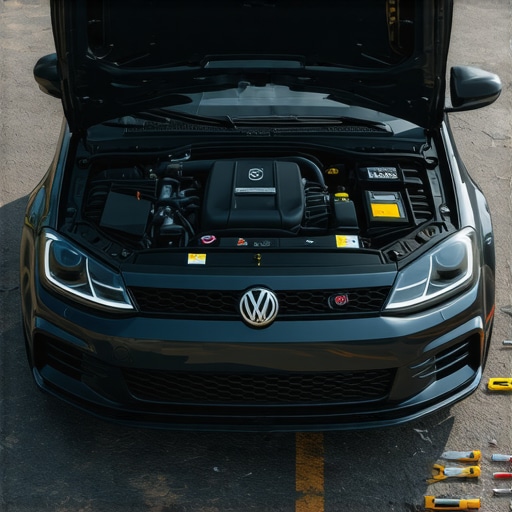
It happened to me more times than I can count. One afternoon, after running a quick errand around town, I turned my key, expecting a smooth start like always. Instead, the engine just whirred, hesitant, then refused to catch. But the next morning? Cold start, no problem. It was baffling, frustrating, and honestly, a little scary. That lightbulb moment hit me: something was messing with my car’s little ins and outs, especially after those short trips.
The Common Frustration: When Short Drives Turn into Car Nightmares
You’re probably familiar with the scenario. You hop out of your car after a quick stop—say, grabbing coffee or dropping the kids off—and suddenly, your vehicle stubbornly refuses to start. It’s as if it’s playing a cruel joke. But then, when the engine cools overnight, everything’s fine again. Why does this happen? Well, I spent many nights chasing my tail, trying to diagnose that exact issue, until I figured out the real cause.
Today, I want to share what I discovered from my own missteps and experiences. We’re going to explore why short trips can be sneaky culprits behind starting problems, and more importantly, how to fix this without breaking the bank or losing sleep. Trust me, understanding this can save you tons of time and headaches. Plus, it can prevent you from making some common mistakes that early on, I definitely did—like ignoring those minor warning signs or assuming my car just hated me that day.
Could This Be a Waste of Time or Is the Fix Simpler Than You Think?
Many auto experts agree that these issues often come down to a simple yet overlooked problem. In fact, a study by AAA indicated that a failing component linked to short trips can cause engine stalls or hard starts, which if ignored, might lead to more costly repairs down the line. Early diagnosis is key. So, keep reading, because I’ll walk you through the actual reasons behind this frustrating pattern and show you how to troubleshoot it like a pro.
Check Your Battery and Connections
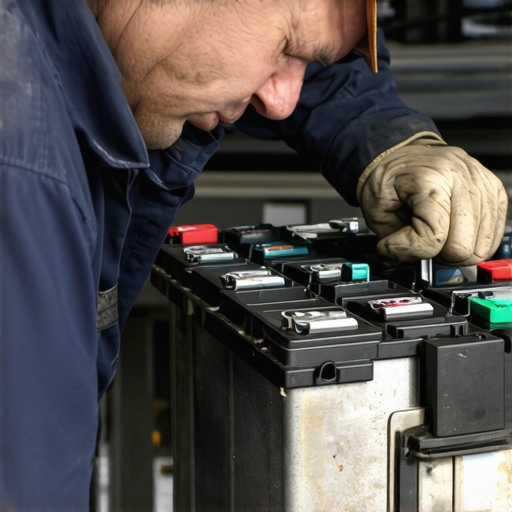
Start by inspecting your battery terminals for corrosion or looseness. Disconnect, clean with a wire brush, and securely reattach. If your battery is over three years old, consider testing its charge using a multimeter or visiting a nearby auto parts store. A weak or dying battery often struggles to start after short trips because it doesn’t fully recharge. In one instance, I replaced my battery after noticing consistent slow cranking and immediate start-up issues, which immediately resolved the problem.
Inspect the Fuel System for Pressure Issues
A common cause of hard starting after short drives is fuel delivery problems. Use a fuel pressure tester or follow a diagnostic guide like this method to check if your fuel pump maintains proper pressure. If your fuel pressure drops quickly or the pump doesn’t hold pressure, it could be a faulty pump or clogged fuel filter. During my troubleshooting, I cleared a clogged fuel filter that had been restricting flow, and my car started smoothly afterward.
Examine Spark Plugs and Ignition System
Worn or fouled spark plugs make cold starts difficult, especially if short trips prevent them from reaching optimal temperature. Remove a spark plug and inspect for carbon buildup, damage, or wear. Refer to this guide to test whether your spark plugs are firing correctly. Replacing old spark plugs with new ones, as I did, sparked my engine rapidly, eliminating starting hassles.
Test for Engine Oil and Coolant Levels
Low or degraded engine oil can cause components to overheat or seize, especially after repeated short trips. Ensure your oil and coolant levels are within manufacturer specifications. Use the dipstick and coolant reservoir marks as references. I discovered a nearly depleted oil level that I topped off, which improved engine smoothness and helped starting reliability.
Assess Transmission Conditions if Applicable
If your car is automatic and struggles to start because it’s stuck in a gear, check the transmission fluid level and condition. Use the transmission fluid test to determine if changes are needed. A sluggish transmission can prevent startups by preventing the engine from engaging properly. I once experienced this issue after a short trip, but replacing the transmission fluid restored normal operation.
Many enthusiasts believe that sticking to basic maintenance routines is enough to keep a vehicle running smoothly. However, a common misconception is that all auto repair advice applies universally. In reality, certain practices can be counterproductive or even harmful if applied without understanding their nuances. For instance, many assume that using the cheapest parts or skipping professional diagnostics saves money, but this approach often leads to costly repairs down the line. Advanced issues like misdiagnosing transmission problems or neglecting the subtle signs of worn-out motor mounts can cause vehicle damage that isn’t immediately apparent.
Are DIY Repairs Always a Good Idea for Complex Components?
The truth is, tackling complex repairs—such as brake service or transmission fixes—requires a specialized skill set. Ignoring this can result in safety hazards or increased repair costs. Recent studies indicate that improper DIY fixes can compromise vehicle safety, especially when components like motor mounts or brake calipers aren’t correctly handled. Instead, trusting certified technicians ensures repairs are performed to manufacturer standards, reducing the risk of accidents or breakdowns.
Another overlooked nuance lies in the importance of understanding your car’s unique needs. Not all vehicles respond the same way to maintenance routines. For example, turbocharged engines demand different upkeep compared to naturally aspirated ones. Mistakes like neglecting to check for stuck brake calipers or ignoring signs of coolant leaks can be costly. Staying informed about these subtleties enables proactive maintenance, saving time and money. To sum up, the biggest mistake many make is relying on generic advice or shortcuts. Instead, a nuanced understanding combined with professional assistance ensures longevity and safety. Have you ever fallen into this trap? Let me know in the comments.
Maintaining your vehicle over time requires more than just basic know-how; it demands the right set of tools and understanding of their applications. From diagnostic devices to preventative maintenance equipment, investing in quality tools can save you money and extend your car’s lifespan.
How do I maintain my car’s reliability with the right tools?
One of my go-to devices is a OBD-II scanner. I personally use the BlueDriver Bluetooth Diagnostic Scan Tool. It seamlessly connects to my smartphone and provides real-time engine codes, readiness checks, and mode $$$$ for troubleshooting issues like hard starting or engine hesitation. Having this tool allows me to catch problems early, preventing costly repairs down the line.
Another invaluable piece is a multimeter. I prefer a digital multimeter with high accuracy, such as the Fluke 117. It helps me verify battery health, inspect electrical connections, and test sensors—crucial steps when diagnosing issues like inconsistent transmission shifts or engine misfires. Regularly checking these components helps me stay ahead of serious failures.
In addition, I keep a portable fuel pressure tester on hand. I use a model that doesn’t require adapters or complex setups, like the actron CP7832. Proper fuel pressure is vital for consistent engine performance, especially after short trips when fuel pumps can struggle to maintain pressure. This allows me to promptly identify clogged filters or failing pumps before broader damage occurs.
Beyond diagnostic tools, investing in quality wrenches and sockets ensures you can perform routine tasks such as changing spark plugs or replacing belts efficiently. I opt for a comprehensive ratchet and socket set from GearWrench, which provides a solid grip and durable construction—saving me frustration on tight spaces or stubborn bolts. These tools are essential for car owner maintenance, from replacing worn-out components to tightening loose fittings.
What role do advanced tools play in long-term vehicle upkeep?
Advanced tools like ultrasonic cleaning devices for sensors or professional-grade brake bleeders are game-changers. For example, maintaining your mass air flow sensor with an ultrasonic cleaner can improve fuel efficiency and throttle response. Similarly, high-quality brake bleeders ensure that your brake fluid remains contaminant-free, preserving stopping power during long drives or towing.
The trend toward integrating software with hardware diagnostics points to a future where IoT-enabled tools will provide predictive maintenance insights. By adopting these technologies now, you prepare yourself for smarter, more efficient car care, ultimately saving money and enhancing safety.
Try a combination of a reliable OBD-II scanner and a multimeter today. These tools empower you to diagnose many common issues upfront, preventing small problems from becoming expensive repairs. Remember, consistent maintenance using the proper equipment is the most effective way to keep your vehicle running smoothly for years to come.
The Hardest Lesson I Learned About Car Service, Auto Repair, Brake Service, Transmission, CollisionRenew
One of the most valuable lessons I’ve picked up is that seemingly minor habits—like quick stops or short drives—can secretly sabotage your vehicle’s reliability. Realizing this challenged my assumptions about regular maintenance and pushed me to adopt a more nuanced approach. It taught me to pay close attention to my car’s subtle signals and not dismiss them as insignificant. That insight transformed how I handle routine check-ups, ensuring I catch potential problems early.
3 Secrets Auto Experts Won’t Tell You About Car Troubles During Short Trips
- Not all warning signs are obvious: Sometimes, a slight hesitation or unusual smell is the first hint something’s amiss—ignoring it can lead to costly repairs. For example, learning to spot early signs of motor mounts cracking or a failing fuel pump (see this guide) can save you money.
- Preventative care is your best ally: Regularly inspecting and maintaining critical components like spark plugs or coolant levels (here’s how) keeps your car running smoothly, especially if short trips are unavoidable.
- Tools empower you more than you think: With a reliable OBD-II scanner or multimeter, you can diagnose many issues without costly trips to the mechanic. Investing in quality tools, such as the mass airflow sensor cleaner, can help maintain performance at home, too.
Keep Your Engine Happy: Why Small Steps Matter
Thanks to understanding the nuances of short trip challenges, I now embrace proactive maintenance. Replacing a worn spark plug or cleaning a clogged fuel filter (see how to test fuel pressure) isn’t just a chore—it’s an investment in your peace of mind. These small, strategic actions add up, ensuring your vehicle responds reliably, whether it’s a quick errand or a long journey. Remember, the road to a dependable car isn’t paved with shortcuts; it’s built on informed choices and ongoing care.