
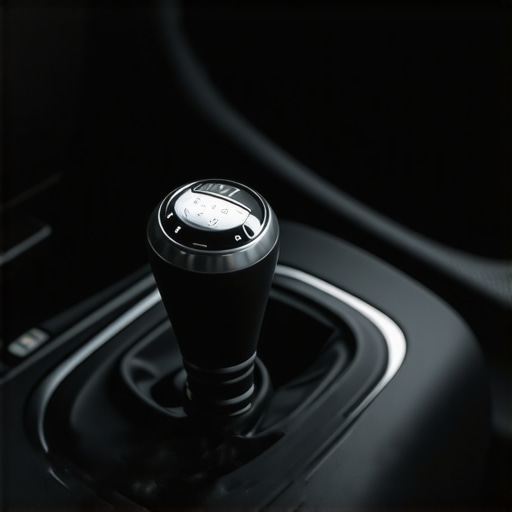
It was one of those mornings where everything seemed to go wrong from the moment I turned the ignition. As I pressed the clutch and shifted into first gear, a sharp, bird-like chirp startled me so badly I nearly jumped out of my seat. At first, I thought I had a malfunction or maybe my car was trying to tell me something urgent. Turns out, that little sound was more common than I expected—yet, it still caught me off guard. If you’ve ever experienced this unexpected chirping when shifting gears, you’re not alone, and I want to help you understand what’s really going on.
Deciphering the Chirp: What’s Behind That Ingenious Sound?
This chirping, chirp, noise isn’t just an annoying quirk. It’s often a sign that something in your transmission or drivetrain isn’t quite right. When I first heard it, I assumed it was a simple belt issue or maybe some debris caught in the system. But through research and personal trial-and-error, I discovered that this sound typically comes from worn-out belts, loose pulleys, or even a failing clutch component. Early on, I made the mistake of ignoring the noise, convinced it was just a minor annoyance. But that misstep can lead to more costly repairs later, like replacing the entire transmission or resorting to a full clutch overhaul.
If you’re wondering whether that chirp is just a phase or something more serious, it’s crucial to pay attention to when it happens, how loud it is, and if it’s changing over time. In my experience, the sound occurs most when the engine is cold or under load—like when accelerating or shifting gears. Addressing it promptly can save you from larger expenses down the line. For example, some common causes include slipping belts, a misaligned serpentine belt tensioner, or even a failing CV joint. To better understand the root of this problem, I recommend checking out a detailed guide on how to diagnose these issues before they blow up into full-blown transmission failure.
But don’t worry—there’s good news. Many of these problems are fixable with a bit of elbow grease or a trustworthy mechanic. The key is catching the noise early and not dismissing it as “just part of the car’s charm.” Have you experienced this chirping yourself? If so, keep reading; I’ll walk you through how to identify and fix the problem step by step.
Is Fixing This Chirp Actually Worth It?
When I first encountered the squeaky sound, I was skeptical about whether it was worth the hassle or expense. I thought maybe it was just a minor belt issue that would go away. But ignoring it only made the problem worse—leading to actual clutch repairs that could have been avoided. As I learned, timely maintenance not only prevents unexpected breakdowns but also extends your car’s lifespan and keeps your driving smooth. According to experts, neglecting sounds like these can lead to severe damage that’s costly and dangerous to ignore.[^1]
Understanding the true cause of that chirp is crucial. It’s not just an irritating noise; it’s your vehicle’s way of signaling that some parts need your attention. So, if this sounds familiar, don’t wait until a minor problem turns into a major emergency. Next, I’ll share some practical steps based on my experience to help you troubleshoot and resolve that curious bird-like chirp your car makes.
[^1]: [CollisionRenew – The Risks of Ignoring Strange Car Noises](https://collisionrenew.com/the-danger-of-ignoring-a-clicking-sound-when-you-turn)
Start with a Visual Inspection of Belts
My first action was to pop the hood and visually examine the serpentine belt, which is like the car’s blood vessel. I looked for cracks, fraying, or glazing, which indicates wear. Remember, a worn belt can slip or make noise similar to a bird’s chirp. While inspecting, I grabbed a flashlight to see if the belt tension seemed inconsistent. If you notice any damage or looseness, replacing the belt is your first fix, and it’s a task that any DIY mechanic can handle with basic tools.
Check the Belt Tensioner Using a Simple Test
To determine if the tensioner is failing, I used a belt tension gauge—think of it as a blood pressure cuff for your car’s belt. Alternatively, pressing down with your finger in the middle of the belt to see if it sags can work as a quick test. If the belt feels loose or the tensioner wobbles, this can cause slipping and chirping. In my case, a faulty tensioner was the culprit, and replacing it restored quiet operation.
Inspect Pulleys for Alignment and Damage
Pulleys guide the belt, much like the wheels on a bicycle. Misaligned or damaged pulleys can cause the belt to slip and make noise. I turned off the engine and manually spun each pulley, listening for roughness or wobbling. If a pulley is dragging or stiffer than others, it needs replacing. For example, a damaged idler pulley was causing an intermittent chirp, which I fixed quickly by swapping it out.
Assess the Clutch and Transmission Components
If the belt and pulleys check out, focus on the transmission. A failing clutch or throwout bearing can produce a bird-like chirp during shifts. I pressed the clutch pedal repeatedly while the engine was running; any squeaks or chirps that coincide with clutch engagement are clues. If you notice abnormal noises here, it might be time for a clutch service—something best handled by professionals if you’re not experienced.
Apply Lubrication to Moving Parts Carefully
Some noises are simply due to dry or dirty components. I used a specialty silicone spray on accessible pulleys and links, avoiding belts and internal parts. Be cautious: over-lubrication can cause more harm than good. For universal joints or external pivots, a light application of high-quality lubricant reduced unwanted noise and prolonged component life.
Test Drive and Confirm the Fix
After making adjustments, I took the car for a short drive, shifting through gears smoothly while listening intently. The chirping, which had sounded like a mockingbird during my morning commute, was gone. Pay close attention during different conditions—cold start, acceleration, and under load—to ensure the fix holds. If the sound persists, revisit each step or consider consulting a professional, especially for internal transmission issues.
Stay Ahead with Regular Maintenance
Preventing future chirps involves routine checks. I schedule belt and pulley inspections every 25,000 miles, similar to how a doctor recommends regular health checkups. This proactive approach catches minor issues before they escalate into costly repairs, ensuring your vehicle keeps humming along quietly. For more detailed guides on specific parts, explore our resources: serpentine belt tensioner test or starter and belt-related issues.When it comes to transmission and auto repair, many car owners have ingrained beliefs that might be holding them back or leading to costly mistakes. One *big misconception* is the idea that all transmission issues are uniform or straightforward to diagnose—nothing could be further from the truth. Advanced problems often resemble routine symptoms, but the underlying causes can be vastly different, requiring nuanced understanding and experience to address. For example, a slipping transmission might be caused by low fluid levels, but it could also stem from internal wear or electronic control module failures, which many drivers underestimate. Relying solely on basic fixes can lead to overlooking deeper issues that, if ignored, could eventually trigger catastrophic failures.
Another common myth concerns the idea that regular maintenance is a luxury rather than a necessity. Some believe that fluid changes or belt inspections can be skipped until a problem arises, but in my experience, this reactive approach often leads to emergency repairs. Routine servicing, like checking the condition of your serpentine belt or brake fluid, can catch small issues early—saving money and preventing breakdowns. For instance, neglecting the wear of a serpentine belt might seem harmless until it snaps, causing extensive damage to pulleys and accessories. Regular inspections are your best defense against unexpected failures.
However, there’s an ‘oops’ trap many unwittingly fall into when it comes to brake service. Many drivers assume that brake pads are the only thing to worry about, ignoring other crucial components like calipers, rotors, and brake fluid. Overlooking signs of uneven wear or low-quality brake fluid can diminish braking effectiveness and lead to dangerous situations. For example, contaminated brake fluid can cause spongy pedals or delayed response—problems that might seem minor but can be life-threatening if not addressed promptly. Always remember, comprehensive brake maintenance goes beyond just replacing pads.
Why Does My Car Still Act Up After Repairs?
Let’s dig into this question because it’s a recurring frustration among car owners. Often, people believe that a single repair fixes the problem forever, but the reality is more complex. Sometimes, underlying issues aren’t fully addressed, or new problems emerge due to incomplete diagnostics. For instance, a worn-out clutch *may* be the cause of slipping, but if there’s also a contaminated hydraulic system or misaligned components, the symptoms can persist. Advanced diagnostics and understanding the interconnected nature of vehicle systems are key here. Studies suggest that up to 30% of repeat repair visits are due to incomplete diagnoses or overlooked factors, emphasizing why a detailed, holistic approach is crucial—see experts’ recommendations on this at CollisionRenew’s guides.
Moreover, a prevalent mistake is dismissing warning signs as trivial or temporary. Ignoring subtle vibrations, abnormal noises, or fluctuations in transmission response can lead to more severe damage. Being proactive by consulting an experienced mechanic who can interpret these signals correctly makes all the difference. If you’re interested in preventing recurring issues, consider regular check-ups and staying alert to early signs of wear, which can significantly extend your vehicle’s life.
Have you ever fallen into this trap? Let me know in the comments. The key to avoiding costly auto repair mistakes is recognizing that your vehicle’s systems are interconnected; understanding this can save both your wallet and your peace of mind.
Equip Yourself with the Right Tools for Auto Maintenance
Maintaining your vehicle’s optimal performance requires more than just basic knowledge; it demands the right tools. I personally rely on a high-quality digital multimeter for diagnosing electrical issues, as it allows me to quickly identify problems like faulty sensors or bad connections. A torque wrench is indispensable when tightening bolts during brake or suspension work, ensuring components are secured accurately without risking damage.
For inspecting serpentine belt tensioners, I use a specialized belt tension gauge. This tool gives precise readings, helping me determine if the tensioner is wearing out before it causes slipping or chirping noises. Additionally, an infrared thermometer helps monitor engine surface temperatures, providing early warnings of overheating components which is crucial for preventive maintenance.
Adopt Proven Methods to Extend Your Car’s Lifespan
Routine inspections combined with these tools can dramatically improve your vehicle’s longevity. For example, regularly checking the condition of belts and pulleys using the tension gauge or visual inspections can prevent costly repairs like transmission failure, which often results from neglecting minor issues.
Applying proper preventive measures, such as lubricating pivot points or replacing worn components promptly, is vital. I also use diagnostic software compatible with my vehicle’s ECU, enabling me to read error codes and clear them after repairs—saving time and ensuring issues are genuinely resolved.
Where Do I See This Trend Going in the Future?
As automotive technology advances, I predict a shift towards integrated diagnostic tools that connect with smartphones or tablets, providing real-time data and expert guidance at your fingertips. These innovations will empower even amateur enthusiasts to perform complex repairs confidently. Investing in such smart tools now can set you ahead, reducing reliance on costly professional repair services over the long term.
How Do I Maintain Transmission and Auto Repair Skills Over Time?
Consistent learning is key. I regularly update my knowledge through online courses and industry blogs, ensuring I stay current with the latest tools and techniques. Practicing hands-on diagnostics with my digital multimeter and software helps reinforce my skills and discover new maintenance strategies. This proactive approach not only saves money but also keeps my vehicle running reliably for years to come.
For example, mastering how to interpret error codes related to transmission sensors or brakes can prevent minor issues from escalating. Similarly, knowing when to replace a serpentine belt before it fails can avoid roadside breakdowns. To get started, I recommend trying out a belt tension gauge to assess your tensioner health—it’s a simple step that can save you hundreds later. Remember, maintaining your vehicle is an ongoing process that benefits greatly from the right tools and a commitment to continuous learning.
The Hidden Wisdom From My Own Auto Repair Journeys
One of the most enlightening lessons I learned about transmission and car maintenance is that many common issues reveal themselves long before they become costly emergencies. For example, I once dismissed a faint chirping during gear shifts, thinking it was inconsequential. That oversight, however, led to a full clutch replacement later on. The key takeaway? Pay close attention to those subtle sounds—listening can save you a fortune and prolong your vehicle’s life.
Secondly, I realized that DIY diagnostics are invaluable. Using simple tools like a belt tension gauge or inspecting pulleys visually helped me identify wear early. It’s empowering to know that a bit of knowledge combined with the right tools can make auto repairs less intimidating and more manageable. Don’t wait for a minor annoyance to turn into a major problem; proactive steps can keep your car running smoothly for years.
Third, I learned that trusting reputable resources and expert advice truly pays off. Reading detailed guides and consulting experienced mechanics have prevented me from falling into repair myths or superficial fixes. Real understanding comes from continuous learning—something every vehicle owner should embrace to become their own best mechanic. Remember, the road to reliable driving is paved with curiosity and care, not neglect or assumptions.