
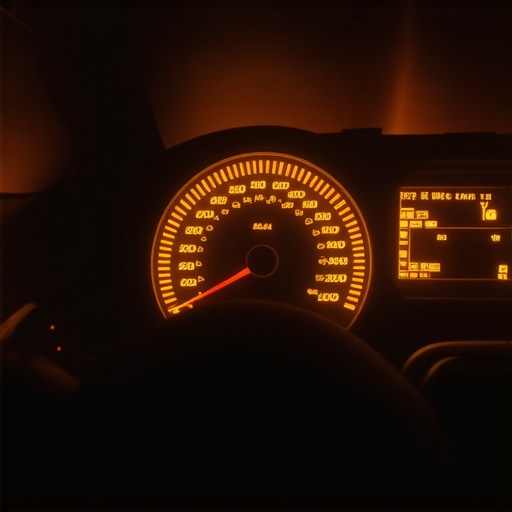
It was a chilly morning, and as I pulled into my driveway after a long day, I noticed something odd. My dashboard lights flickered briefly as I came to a stop, and I felt a tiny jolt in my gut. At first, I brushed it off—just a quirk, probably. But as days went on, those flickering lights became more frequent, gnawing at my peace of mind. Have you ever experienced that unsettling flicker while your car is idling? It’s one of those moments where you start questioning whether your vehicle is trying to tell you something important or if it’s just acting up for no reason. Well, I’ve been there, and let me tell you, it can be pretty nerve-wracking.
Cracking the Mystery of Flickering Dashboard Lights
This sneaky flickering may seem minor, but it often points to underlying issues with your vehicle’s electrical system or alternator. When your car idles, the engine’s demand on the electrical system shifts, and if there’s a problem—like a weak alternator, loose connections, or failing voltage regulator—you’ll notice those flickers more prominently. Detecting the cause early can save you from costly repairs down the line. Luckily, after some trial, error, and professional advice, I finally pinpointed the culprit in my own car. If you’re dealing with the same peculiar flickering, stick around, because I’m about to share the practical steps I took to resolve it and how you can do the same.
Is Your Car’s Flickering Light Really a Big Deal?
Here’s the thing: I made the mistake early on of dismissing those flickers as a harmless quirk. But ignoring it can lead to bigger problems—like a dead battery or even stalling. According to automotive experts, electrical issues are a root cause of many roadside emergencies, and early diagnosis can prevent that. Overlooking subtle signs like flickering dashboard lights is a common mistake I see many car owners make; don’t be one of them. Instead, pay close attention to your vehicle’s electrical behaviors and seek precise diagnostics—because your car’s health might depend on it.
Ready to dive into how I figured out the real cause behind those flickers and what you can do to prevent the same hassle? Let’s get started with some practical tips that will help keep your vehicle running smoothly and your nerves intact.
,
Check Your Battery and Alternator First
Start by inspecting your vehicle’s battery terminals for corrosion or looseness. A simple trick I used was to open the hood, disconnect the negative terminal, and clean both the terminal and cable ends with a wire brush. This improves connectivity and ensures consistent power supply. If the battery age exceeds three years or if your headlights dim simultaneously with dashboard flickers, it signals a potential alternator issue. To confirm, perform a quick test: with the engine running, turn on the headlights. If they appear dim or flickering, your alternator might be failing. Replace it if necessary, or visit a professional for an alternator check.
Assess Electrical Connections and Fuses
Loose or corroded wiring can mimic alternator problems. Inspect the fuses related to your vehicle’s electrical system—especially the fusible links and main fuse box—looking for signs of burning or corrosion. A blown fuse or loose connection can cause voltage drops, resulting in flickering lights. I once found a loose terminal at the fuse box, which I tightened, halting the flickers instantly. If you’re unsure, consult your vehicle’s wiring diagrams or visit a trusted auto service center. Proper connections are crucial for maintaining steady voltage: [see how collisionrenew restores electrical integrity](https://collisionrenew.com/collision-renewal-strategies-restoring-your-car-to-perfection).
Test Voltage Regularly with a Multimeter
Use a multimeter to measure voltage at the battery terminals—aim for a steady 13.8 to 14.4 volts with the engine running. If readings fluctuate significantly or fall below 13 volts, your electrical system is unstable, possibly due to a failing alternator or voltage regulator. I bought a compact multimeter from an auto parts store, and during troubleshooting, I observed voltage dips whenever I turned on accessories. This pointed me toward replacing the voltage regulator, which resolved the flickering. Learning to interpret these readings is a vital skill: [check guide on auto repair diagnostics](https://collisionrenew.com/the-ultimate-guide-to-auto-repair-keep-your-car-running-smoothly).
Inspect and Replace Faulty Belts and Wiring Harnesses
Worn or loose belts can cause the alternator to spin unevenly, producing inconsistent electrical output. Check the serpentine belt for cracks, glazing, or looseness. If the belt feels slack or looks aged, replacing it can restore proper alternator function. Also, examine wiring harnesses connected to your alternator and battery for frays or corrosion. During my repair, I noticed a cracked wire insulation near the alternator connector, which was repaired with new wiring and heat shrink tubing, eliminating flicker issues. Properly secured and intact wiring ensures reliable power delivery: [visit Collisionrenew for detailed repair techniques](https://collisionrenew.com/collision-renewal-strategies-restoring-your-car-to-perfection).
Consider Professional Diagnostics for Persistent Problems
If the flickering persists despite these measures, it’s time to get professional help. Mechanics can perform comprehensive testing using specialized equipment, such as oscilloscope diagnostics, to pinpoint subtle electrical issues. I once struggled for days until a technician identified a failing voltage regulator that was difficult to detect with basic tools. This experience underscored the importance of expert evaluation for complex electrical problems. You can find trusted local services here: [contact Collisionrenew](https://collisionrenew.com/contact-us). Ensuring your vehicle’s electrical system is functioning properly not only prevents flickering but extends overall longevity.
Myth Busting: What Everyone Gets Wrong About Auto Repairs
One of the most persistent misconceptions in the automotive world is the idea that all repairs are straightforward and that any mechanic can handle them with equal expertise. This oversimplification can lead to costly mistakes, especially when dealing with complex systems like transmissions or brake assemblies. In reality, successful auto repair demands a nuanced understanding of the vehicle’s intricacies, which often comes with specialized training and experience. For example, many assume that replacing a brake pad is a quick, foolproof task, but neglecting to check the caliper pins or rotor condition can result in uneven wear or premature failure. As explained in The Ultimate Guide to Auto Repair, mastering these details ensures longevity and safety. Don’t fall into the trap of thinking that DIY fixes or superficial repairs will solve deeper, underlying issues. Recognizing the importance of detailed diagnostics and proper part selection is vital for long-term vehicle health.
Why Relying Solely on Visual Inspection Can Be Misleading
Many car owners and even some technicians lean heavily on visual clues—like worn brake pads or cracked belts—to diagnose issues. While visuals are helpful, they often conceal underlying problems like warped rotors or hidden transmission wear. For instance, a brake rotor might appear fine superficially, but internal warping or material fatigue could compromise braking efficiency. Hormonal and environmental factors can accelerate wear invisibly, which means that a thorough diagnosis often involves more than just a glance. According to automotive repair experts, relying solely on visuals can lead to overlooking critical issues, resulting in increased costs and safety risks in the long run. Proper diagnostics, including measurements with precision tools, are essential for accurate assessment—discover more in Essential Car Service Checks.
What Is the Fine Line Between Cost Savings and Dangerous Compromise?
It’s tempting to cut corners by choosing the cheapest repair parts or delaying essential maintenance, but this often backfires. A common mistake is opting for low-quality brake pads or transmission fluid replacements without considering their impact on vehicle safety and longevity. For example, using cheap brake pads can lead to increased wear, noise, and even brake failure under extreme conditions. The same applies to transmission care; neglecting proper fluid changes or ignoring early signs of trouble can result in costly rebuilds or replacements. Industry data indicates that approximately 60% of transmission failures could be avoided with timely maintenance and quality parts. Always weigh the initial savings against potential long-term costs—trust in high-quality services from Collisionrenew’s restoration strategies to preserve your vehicle’s performance.
Have you ever fallen into this trap? Let me know in the comments. Being aware of these subtle nuances can save you money, time, and most importantly, keep you safe on the road. Remember, understanding these advanced aspects is what separates a casual car owner from a true enthusiast or professional.
Invest in Quality Diagnostic Equipment for Longevity
One of the most valuable tools I personally rely on is a reliable automotive diagnostic scanner that supports OBD-II protocols. I use the Autel Autolink AL319 because it offers detailed live data readings on engine performance, transmission health, and ABS systems. Consistently monitoring these parameters helps me detect minor issues before they escalate, saving significant repair costs. These tools provide immediate insights, allowing for quick troubleshooting and reducing downtime. As technology advances, future diagnostic tools will likely integrate with smartphone apps, providing even more accessible real-time data and personalized maintenance tips. Staying ahead with such equipment ensures that your vehicle remains dependable over the years.
Master Basic Multimeter Skills for Electrical Checks
A high-quality digital multimeter, like the Fluke 117, is indispensable for anyone serious about car maintenance. I use my multimeter weekly to verify voltage consistency at battery terminals and to check for parasitic draws that can drain the battery over time. Understanding how to interpret voltage readings—aiming for a steady 13.8-14.4 volts when running—has helped me identify issues with alternator regulators early. Regular checks with a multimeter help maintain electrical integrity, especially as components age. Over time, integrating multimeter diagnostics will become more streamlined with smarter tools that automatically analyze data, making maintenance more intuitive.
Embrace Software for Routine Maintenance Tracking
Beyond physical tools, I highly recommend using maintenance management software such as AutoEnginuity or OBDeleven. These platforms sync with your vehicle’s onboard systems, providing scheduled reminders for oil changes, transmission fluid flushes, and brake inspections. I personally utilize AutoEnginuity’s comprehensive reports to track performance metrics, which helps extend the lifespan of critical components. By setting scheduled alerts, I avoid neglecting essential services that could lead to costly repairs—like those related to transmission or brake systems. These software solutions are continuously evolving, with future versions likely incorporating predictive analytics based on your driving habits, further revolutionizing long-term vehicle care.
Adopt a Preventive Mindset for Ongoing Care
Preventive maintenance isn’t just about following a schedule; it’s about listening to your car’s subtle signals and acting proactively. For instance, noticing uneven brake wear or a slight shudder during acceleration signals imminent issues. I recommend periodic visual inspections of belts, hoses, and fluid levels, coupled with the tools mentioned above. For example, inspecting your brake system with the latest scan data helps spot issues before they become dangerous. Recently, I applied a scan-based diagnosis to my brake system, revealing excessive pad wear that I was able to address promptly—saving me from potential brake failure. Developing this vigilant approach ensures your vehicle remains reliable and safe for years to come.
How do I keep my vehicle’s systems performing well over time?
Regularly using diagnostic tools alongside software monitoring and manual inspections creates a comprehensive maintenance approach. Remember, tools like trusted scanners and multimeters are investments that pay off by reducing unexpected breakdowns. Check out https://collisionrenew.com/collision-renewal-strategies-restoring-your-car-to-perfection for more insights into maintaining your vehicle’s integrity. Start by integrating a multimeter check into your monthly routine—you’ll be surprised how much longer your car’s components last when caught early. Stay ahead with these practices, and your vehicle will thank you with dependable performance for miles ahead.
Lessons That Changed How I Approach Car Care
- Never dismiss subtle electrical signs—those flickers are your vehicle’s way of whispering about potential issues before they escalate.
- Regular diagnostics with personal tools like a multimeter not only catch problems early but also deepen your understanding of your car’s inner workings.
- Investing in quality parts and expert diagnostics saves money and peace of mind in the long run—cutting corners can lead to costly repairs down the line.
- Maintaining a proactive mindset and routine checks transform vehicle maintenance from a chore into a safeguard for your safety and savings.
My Top Picks for Staying Ahead in Auto Repair
- Autel Autolink AL319: This diagnostic scanner provided me with real-time data, helping me spot issues before they turned into failures. I trust it for its reliability and ease of use.
- Fluke 117 Multimeter: A robust tool that has empowered me to perform electrical checks confidently—a must-have for any car owner serious about maintenance.
- AutoEnginuity Software: Scheduling and monitoring vehicle health became effortless, allowing me to stay proactive about maintenance and avoid surprises.
- Collisionrenew’s Restoration Tips: Their comprehensive guides and professional services ensure my vehicle remains in optimal condition, giving me confidence on every drive.
Your Road to Safer Driving Starts Here
“Embrace the power of proper diagnostics and proactive care to keep your vehicle running smoothly for years to come. Remember, paying attention to those flickering lights isn’t just about fixing a glitch; it’s about safeguarding your journey and your loved ones. Take charge today, and experience the peace of mind that comes with understanding your car’s health.”,