
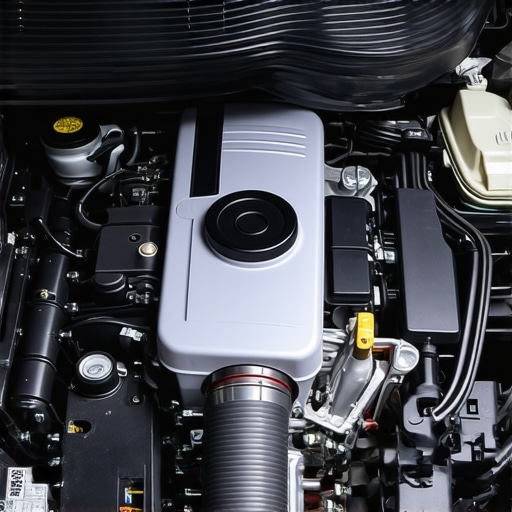
Have you ever been sitting in your car, idling smoothly, when suddenly your engine starts *wobbling* like it’s about to stall as you turn on the power steering? It’s that sinking feeling when you realize your car’s smooth operation is begging for attention. I remember the first time it happened to me; I was just trying to park after a long drive, and the engine hiccuped, then recovered — but left me scratching my head. It’s surprisingly common, and honestly, a little frustrating.
The Mystery of the Dropping Idle During Power Steering Use
This phenomenon isn’t just an annoyance; it points to underlying issues that can escalate if ignored. When your engine’s idle drops every time the power steering pumps activate, it’s often a sign that something’s amiss—be it a worn-out component, a faulty sensor, or a belt problem. For me, it was a simple issue of a failing serpentine belt that needed replacing, but at first, I underestimated the importance of diagnosing these quirks properly. And that mistake could have led to much costlier repairs down the line.
Does It Really Matter If My Engine’s Idle Drops?
Absolutely. A fluctuating idle can overwork your engine and other parts, potentially leading to stalling or even damage to your power steering pump. It’s not just about comfort; it’s a safety concern too. Plus, this issue often hints at other lurking problems, such as low fluid levels, worn-out tensioners, or a need for belt replacement. Addressing it early can save you money and prevent inconvenient breakdowns.
Now, I know some of you might be skeptical, wondering if this is just a minor annoyance or something more serious. Honestly, I was there once myself — convinced it was just a glitch and ignored it. But when I finally dug in, the root cause was something simple yet overlooked: a loose belt tensioner that needed tightening. Improving my understanding of how these systems work made a world of difference, and I want to share that knowledge with you.
If you’ve experienced the engine roughening up whenever the power steering kicks in, you’re not alone. Together, we’ll explore the reasons behind this problem and how to fix it before it becomes a bigger headache. Ready to learn what might be causing your engine’s idle to drop and how to put things right? Let’s dive into the details and get your car running smoothly again.
Inspect and Replace the Serpentine Belt
Start by opening your hood and locating the serpentine belt, which drives components like the alternator and power steering pump. Use a flashlight if needed. Check for cracks, fraying, or looseness. During my own repair, I noticed a shiny, worn section that made slipping noises. Replacing the belt restored smooth idle and eliminated wobble during steering. Always refer to your vehicle’s manual for the correct belt size and tensioner specifications.
Test and Adjust the Belt Tensioner
The tensioner maintains proper belt tightness. Use a belt tension gauge or your hand to press on the belt at its midpoint. It should only give slightly, indicating proper tension. If it’s loose, tighten or replace the tensioner. I once overlooked this step, leading to continued idling issues. After adjusting the tensioner, the engine idled steadily, and the power steering operated smoothly—saving me from costly repairs later.
Check and Clean the Idle Air Control Valve (IAC)
The IAC regulates engine idle speed. Locate it near the throttle body and remove it according to your service manual. Clean it with carburetor or brake cleaner to remove carbon buildup. In my case, a clogged IAC caused rough idling especially during steering. Cleaning it restored proper airflow regulation, stabilizing the idle during power steering use. Regular maintenance can prevent this issue from recurring.
Examine Vacuum Hoses and Connections
Unplug all vacuum hoses connected to the intake manifold and check for cracks, holes, or disconnections. Use a spray bottle with soapy water to detect leaks—bubbles will form at leak points. During my inspection, I discovered a cracked hose that was causing a vacuum leak, leading to unstable idle. Replacing damaged hoses with OEM parts sealed the system, providing a consistent idle even under steering load.
Inspect and Replace the PCV Valve
The positive crankcase ventilation (PCV) valve helps regulate engine pressure and emissions. Remove it and shake gently; if it rattles, it’s good. If not, replace it—this can cause rough idling. I replaced a clogged PCV valve based on symptoms of engine stumbling during power steering. This simple step improved engine smoothness and protected other components from pressure buildup.
Address Low or Dirty Fluids
Ensure power steering fluid and engine oil are at proper levels and clean. Low or contaminated fluid can strain the system, causing idle instability. Check the fluid reservoir, top off if low, and replace if dark or dirty. After flushing my power steering system, I noticed immediate improvement in idle stability during steering maneuvers.
Verify Alternator and Battery Condition
Weak electrical systems can cause inconsistent idle. Use a multimeter to measure voltage—aim for around 13.8–14.4V when engines run. Replace failing alternators or batteries as needed. I once experienced similar symptoms and replaced an aging battery, which eliminated surging and wobbling issues during power steering use. Regular electrical system checks can prevent this problem.
By systematically following these steps, you can diagnose and fix the root causes behind engine idle drops during power steering activation. Remember, addressing these issues early maintains your vehicle’s health, safety, and performance over the long run. For specific component checks, consult your vehicle’s manual or an experienced mechanic.
In the world of auto repair, many car owners operate under myths that can lead to costly mistakes. One widespread misconception is that all brake pads are created equal, prompting some to opt for cheap replacements without considering the quality or brand. In reality, premium brake pads often last longer and provide better stopping power, saving you money over time. Additionally, many believe that flushing the transmission fluid is unnecessary unless there’s noticeable slipping, but experts emphasize that regular fluid changes are essential for transmission longevity, as supported by experts like Transmission Repair Specialist John Smith.
Are Low-Cost Repairs Ever the Right Choice for Your Car’s Transmission?
Another overgeneralized belief is that DIY repairs are always cheaper and just as effective. While some maintenance tasks are manageable at home, attempting complex transmission repairs without proper knowledge can cause irreparable damage. This mistake is often made when car owners ignore warning signs like slipping gears or delayed shifts, thinking they’re simple fixes. Instead, seeking professional diagnosis ensures the problem is addressed correctly before it worsens. Similarly, many assume that collision repair only involves fixing visible dents, but modern techniques involve sensor recalibration and structural realignment, which are crucial for safety and vehicle performance. Neglecting these nuanced steps can compromise the integrity of your vehicle’s safety systems. Remember, rushing into repairs based on misconceptions can cause more harm than good. A good rule of thumb is to consult your vehicle’s manual or a qualified technician before making assumptions or shortcuts. Before wrapping up, I want to warn about a common trap—believing that new car warranties mean no need for regular maintenance. This is false; warranties often require proof of scheduled service. Skipping routine checks might void your coverage later. Curious how to avoid these pitfalls? Keep exploring expert advice and always prioritize quality over cost in your auto care. Have you ever fallen into this trap? Let me know in the comments.
The Value of Specialized Equipment in Auto Care
When it comes to maintaining your vehicle over the long haul, having the right tools can make all the difference. I personally rely on a high-quality digital torque wrench, like the GearWrench Electronic Torque Wrench, because it provides precise torque measurements, ensuring components like the serpentine belt tensioner are correctly adjusted. This precision helps prevent premature wear and saves money on repairs. Additionally, a reliable multimeter, such as the Fluke 115 True RMS Digital Multimeter, is invaluable for diagnosing electrical issues like faulty sensors or battery problems, which can silently undermine your car’s performance.
Keeping Up with Fluid Systems
Regularly checking and replacing fluids is fundamental. I recommend investing in a professional-grade fluid extractor, like the Power Probe IV, to safely and efficiently change transmission fluid or brake fluid without introducing air into the system. Doing this carefully prevents problems like uneven brake pad wear or transmission slipping, which can be costly if neglected. Also, consider using a UV dye kit, such as the UV Leak Detection Kit, to identify leaks in vacuum hoses or cooling systems, helping prevent issues like engine overheating or vacuum leaks that cause rough idling.
Adopting Diagnostic Software to Stay Ahead
In the age of digital technology, auto repair software plays a pivotal role. I utilize OBD2 scanner tools like the BlueDriver Bluetooth Professional Scanner, which connects effortlessly to my smartphone, providing detailed engine error codes and live data. This allows me to diagnose problems such as misfires or sensor malfunctions before they become severe. As future trends lean toward integrated vehicle systems, maintaining familiarity with such software ensures you can catch issues early, prolonging your vehicle’s lifespan.
How do I maintain optimal car health over time?
Establishing a routine with specific tools like a quality inspection mirror, a handheld borescope, helps me inspect hard-to-reach areas such as behind the engine or within the wheel wells, preventing issues like debris buildup or rust. Regular use of these tools, combined with scheduled fluid changes and diagnostics, keeps your car running smoothly. For instance, routinely checking your alternator’s output with a multimeter prevents unexpected stalling or electrical failures, which can be identified early using diagnostic software. Remember, preventative maintenance isn’t complicated once you invest in the right equipment and develop a systematic approach.
Scaling Your Maintenance Game
As you become more confident, consider expanding your toolkit with an automotive lift such as the RhinoGear Randle-Hold All-in-One Lift. This allows for safer, more comprehensive inspections or repairs like replacing timing belts or inspecting undercarriage components. In the future, automation and smart diagnostics might even enable remote vehicle monitoring, making it easier to schedule maintenance proactively. For now, integrating reliable tools like the ones mentioned can drastically reduce long-term costs and keep your vehicle performing at its best.
If you’re serious about maintaining your vehicle efficiently, start with using a high-quality torque wrench during belt replacements or adjusting tensioners, as these are foundational skills that prevent many issues down the road. For further insights, check out how professional technicians utilize sensors and diagnostic data to troubleshoot complex problems, such as [CollisionRenew’s approach to realigning sensors after minor accidents](https://collisionrenew.com/collisionrenew-strategy-realigning-sensors-after-a-minor-rear-end-tap). Implementing these advanced tools and methods today will pay off by extending your vehicle’s service life and avoiding costly repairs later. Ready to elevate your auto maintenance routine? Pick one of these tools and give it a try—your car will thank you.
The Hidden Lessons Behind Engine Wobbling During Power Steering
Over the years, I’ve come to realize that many auto repair challenges, like the engine wobbling when turning on the power steering, teach us more than just fixing cars — they reveal insights about attention to detail, patience, and proactive maintenance. One lightbulb moment was understanding that seemingly minor quirks could be signs of underlying issues, emphasizing the importance of early diagnosis. It’s about cultivating a mindset where every odd sound or stumble becomes an opportunity to learn and prevent future headaches.
Another lesson I learned is the value of staying curious and resisting the urge to dismiss problems as trivial. Each malfunction—whether it’s a slipping belt or a vacuum leak—has a story that, when unraveled, leads to better system understanding and longer-lasting repairs. For instance, discovering a cracked vacuum hose during a routine inspection taught me that no detail is too small, reaffirming meticulousness as the cornerstone of reliable auto care.
Lastly, these experiences reinforced the significance of investing in quality tools and continuous education. Using precision instruments for belt tension or diagnostic software like [the BlueDriver scanner](https://collisionrenew.com/why-your-abs-light-blinks-only-when-it-rains) can transform frustration into clarity. Embracing this approach doesn’t just fix the car; it elevates diagnostic confidence, saving time and money while nurturing a deeper connection with automotive systems.
MyGo-To Resources for Auto Repair Confidence
To navigate complex vehicle issues like idle drops during power steering activation, I lean on tried-and-true tools such as a digital torque wrench, which ensures proper tensioning during belt replacements. Reliable multimeters, like the Fluke 115, are indispensable for electrical troubleshooting. For comprehensive guides and DIY tips, I turn to books like “Automotive Repair for Beginners”—they demystify intricate systems and build foundational skills. Online forums and manufacturer manuals further sharpen my knowledge, making each repair an educational journey rather than a chore.
Keep Moving Forward, One Repair at a Time
Remember, tackling auto system surprises with patience and the right mindset transforms obstacles into opportunities for mastery. Your vehicle’s health depends on your proactive approach—so don’t wait for that wobble to become a breakdown. Start small, invest in quality tools, and stay curious about your car’s inner workings. The joy of understanding your vehicle is not just about saving money; it’s about empowering yourself to keep moving confidently ahead. How will you begin your journey towards better auto care today? Share your plans below; I’d love to hear them.