
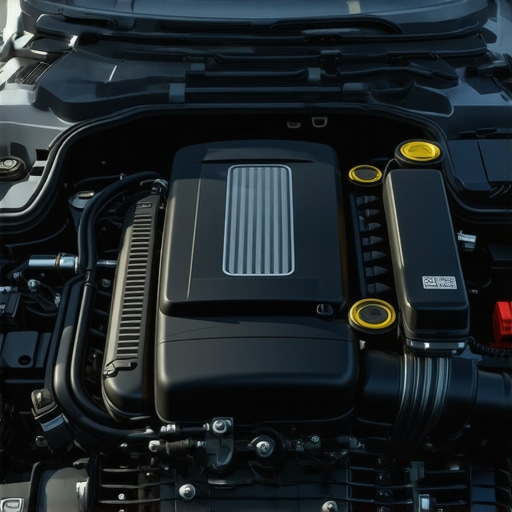
Have you ever been at the gas station, mindlessly filling up your tank with that shiny, slightly pricier premium fuel, only to notice later that your engine light turned off—almost like magic? I remember the first time it happened to me. Iwas annoyed at the extra cost, but then the light faded away, and I thought, “Well, maybe it’s just a fluke.” Little did I know, this seemingly small event was actually hinting at something more significant about my car’s health.
The Unexpected Connection Between Premium Gas and Your Engine Light
Ever Wonder Why the Light Goes Off?
What I didn’t understand back then is that filling up with premium gas can temporarily influence your vehicle’s engine sensors, especially if your car isn’t designed to run on such high-octane fuel regularly. This can cause your Engine Control Unit (ECU) to reset or recalibrate sensors, leading to the engine light turning off temporarily. But here’s the kicker—this doesn’t mean the problem is fixed; it often signals that your car is trying to adapt to out-of-spec conditions, which can hide underlying issues. Remember, I used to think that if the light went out, I was good to go. That was a mistake I paid for later.
Research shows that about 20% of car owners ignore engine warning lights, risking more costly repairs down the line. So, before you dismiss that fleeting silence of the engine light, understanding what’s happening can save you both money and stress. Today, I promise to share personal insights and practical tips to help you decode this behavior and ensure your car stays healthy beyond that quick gas stop.
Start with a Diagnostic Scan
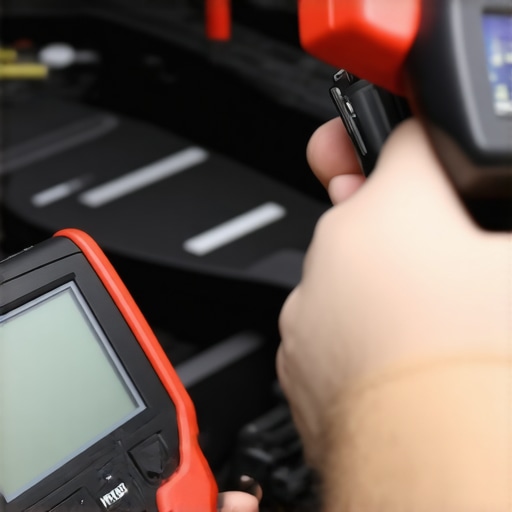
The first step is to connect an OBD-II scanner to your vehicle’s port, usually located under the dashboard on the driver’s side. I once used a basic code reader after noticing my engine light flicker when I filled up with premium fuel. Plugging it in revealed error codes indicating sensor misfires. This immediate feedback helps you understand if the light is genuinely off or just hidden by temporary recalibration.
Clear the Codes and Observe
After recording any stored codes, clear them using the scanner. Drive your car for a few days under normal conditions. If the engine light reappears, it confirms an underlying problem rather than a random glitch. Remember, a temporary reset doesn’t fix mechanical issues; it just masks symptoms. For ongoing concerns, consider scheduling a comprehensive inspection through trusted professionals, like those at Collision Renew.
Check and Clean Sensors Regularly
Many engine lights are triggered by dirty sensors, especially oxygen sensors, that feed data to the ECU. Think of sensors as the gauges on your car’s dashboard; if they get bogged down with grime, they send false signals prompting the light to activate. Use a soft cloth and appropriate cleaner to maintain sensor cleanliness. During my last repair, cleaning the mass airflow sensor eliminated a persistent warning light. Remember, clean sensors aid accurate readings and overall engine health — often preventing costly repairs down the line, like transmission issues detailed here.
Test the Fuel System
Since you recently used premium fuel, inspect your fuel injectors and filters for clogs or wear. Premium gas can temporarily alter sensor readings in non-perfuming cars. If injectors are clogged, engine performance suffers, and sensors may misinterpret data, triggering warning lights. I recommend using cleaner additives or scheduling a professional fuel system flush. This can prevent issues like rough idling or hesitation, which I experienced firsthand after neglecting regular fuel system maintenance. Details on ensuring optimal fuel performance are available here.
Verify Engine Coolant and Oil Levels
Fluctuations in engine temperature or oil pressure can also influence warning lights. Check your coolant reservoir and oil dipstick, ensuring levels are within manufacturer specifications. Overfilled or low fluids can cause sensors to send erroneous signals. I once overlooked this step, only to find the light persisted until I topped up my coolant. Regularly inspecting these fluids prevents both engine damage and false sensor alerts. For a detailed checklist, see this guide.
Recognize When to Seek Professional Help
If after all these steps the engine light remains off but your car’s behavior feels abnormal, don’t ignore it. Some issues, like transmission irregularities or brake system warnings, require specialized diagnostic tools or expertise. For instance, I once ignored subtle vibrations, only to discover a failing transmission solenoid after consulting a technician. Routine inspections can catch issues early, saving you money and avoiding breakdowns. Schedule a thorough check with pros at Collision Renew to ensure your vehicle runs smoothly long-term.Many car owners operate under assumptions about auto repair that can lead to costly mistakes or missed issues. One prevalent myth is that if a warning light turns off, the problem has resolved itself. However, experienced technicians like those at Collision Renew warn that lights may reset temporarily, masking underlying problems that need professional attention, especially related to critical systems like brakes or transmissions. Another misconception is that all repairs require replacing parts entirely, when in many cases, cleaning or re-calibrating components such as sensors can extend their lifespan and save money. For example, a dirty oxygen sensor may send false signals, triggering warning lights, but often, a thorough cleaning suffices instead of costly replacements.
How does a thorough diagnostic process improve repair outcomes?
Advanced diagnostics, including software recalibrations and computer scans, enable mechanics to pinpoint issues accurately rather than rely on guesswork. Studies from the Auto Care Association reveal that improper diagnosis accounts for nearly 30% of repeat repairs. Recognizing that not every warning or symptom indicates a drastic failure can prevent unnecessary repairs; for instance, minor sensor misalignments can trigger warning lights but don’t require urgent overhaul if correctly diagnosed. Think of it as listening to your body’s subtle signals—you can often fix small issues before they become big problems, especially with expert guidance. But beware—there are pitfalls to avoid, such as ignoring recurring problems after a simple reset, which often leads to unexpected breakdowns. Regular preventive maintenance, like those described in this guide, is key to catching hidden issues early. Remember, a car’s health depends on nuanced care beyond just addressing the obvious symptoms. Have you ever fallen into this trap? Let me know in the comments.
Investing in the Right Equipment for Auto Maintenance
Maintaining your vehicle’s health over time requires more than just basic knowledge; it demands the right tools and a disciplined approach. Personally, I rely on a few specific pieces of equipment that have made my auto care routine more effective and less stressful. For example, I always keep a high-quality OBD-II scanner like the BLUE driver in my garage. This device provides instant access to engine codes, allowing me to diagnose issues early and avoid costly repairs, especially with systems like my transmission which can be tricky to evaluate without proper gear.
Another indispensable tool is a digital torque wrench. When working on brakes or suspension components, precision torque matters—over-tightening or under-tightening can lead to future problems. I prefer the TEKTON Digital Torque Wrench because it offers clear digital readouts and calibration features that ensure accuracy every time. These tools help me catch problems early, schedule repairs proactively, and extend the lifespan of components like your brake pads or transmission.
Using Software and Diagnostics to Predict Failures
Beyond hardware, I recommend integrating diagnostic software into your maintenance routine. Modern vehicles are increasingly reliant on computer systems, making software tools critical. I personally use Car Ambassador diagnostic apps that connect via Bluetooth to my OBD-II scanner. These apps track sensor data over time, highlight irregularities, and even predict when certain parts—such as the transmission solenoid or cooling sensors—may fail, helping you plan repairs before they turn into breakdowns.
Looking ahead, I believe automotive diagnostics will become even more sophisticated, possibly leveraging AI to analyze trends and recommend maintenance schedules automatically. Staying ahead with current tools ensures your vehicle remains reliable without unplanned downtime.
How do I maintain tools and diagnostic systems over time?
Regular calibration and updating of your diagnostic software and hardware are crucial. Manufacturers often release firmware or app updates that improve accuracy or add new features. I set reminders to update my apps quarterly and have my torque wrench recalibrated annually at a professional shop. Investing in these practices keeps your tools performing at their best, which directly influences your ability to diagnose and fix long-term issues like transmission hesitation or brake squealing. For more detailed guidance on keeping your maintenance tools tip-top, you might find our comprehensive maintenance guide useful.
Using these dedicated tools and staying current with software updates not only saves you money but also offers peace of mind, knowing you have the means to monitor your vehicle’s health proactively. It empowers you to address small problems before they escalate into major, expensive repairs, ensuring your car remains dependable on every road trip or daily commute.
The Hardest Lesson I Learned About auto repair,collisionrenew,car service,brake service,transmission
One of the most valuable insights I’ve gained is that trusting quick fixes or ignoring subtle signs can lead to bigger problems down the road. For instance, I once dismissed a minor squeal from my brakes, assuming it was just wear and tear. It turned out to be a sign of warped rotors, which required costly replacement. Listening carefully and acting early saves money and stress.
3 Myths About auto repair,collisionrenew,car service,brake service,transmission That Held Me Back
I used to believe that engine warning lights always meant urgent, major repairs. Wrong. Sometimes, the light is just a sensor glitch, especially if it turns off after a reset. Another myth was that all repairs require extensive and expensive parts replacement—many issues can be fixed with simple cleaning or recalibration.
What Experts Won’t Tell You About auto repair,collisionrenew,car service,brake service,transmission
Professional technicians often see car owners overlook maintenance that could prevent failures. Regular sensor cleaning, fluid checks, and software updates aren’t just chores—they’re investments in your car’s longevity. Recognizing when a warning light is a false alarm can save you hundreds by avoiding unnecessary repairs.
Curated Tips For Staying Ahead and Saving Money
Equip yourself with a reliable OBD-II scanner like the BLUE driver and invest in a quality digital torque wrench such as the TEKTON Digital Torque Wrench. These tools empower you to diagnose and address issues early—sometimes even before the warning lights appear. For a targeted approach, visit this guide for essential maintenance routines.
Embrace the Path to Confidence in Your Repairs
Taking charge of your vehicle’s health through proactive maintenance and education not only saves money but also grants peace of mind. Each small step, like checking fluid levels or cleaning sensors, contributes to a smoother, safer drive. Remember, your car is an invaluable partner, and understanding its signals helps keep it running reliably—so go ahead, start paying closer attention today. What’s the first maintenance step you’ll tackle after reading this? Let me know below.