
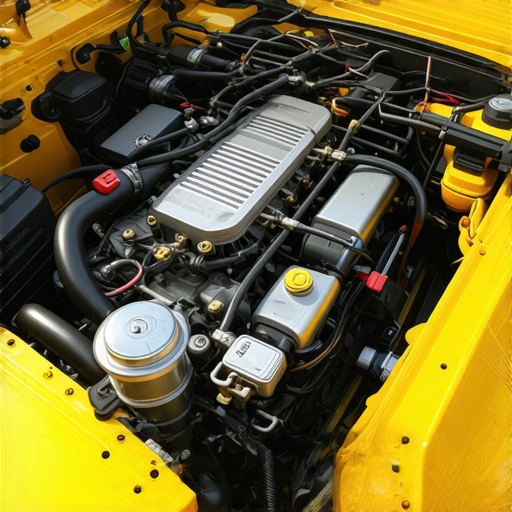
It hit me one morning like a punch in the gut—my engine was louder than it had ever been. I was sitting in my driveway, trying to start my car, and the new, gritty roar made me pause. For a moment, I wondered if my engine was about to give out or if I had just overlooked something simple. Turns out, that loudness was a wake-up call about my car’s health, and I bet many of you have faced a similar moment of confusion and concern.
Spotting the Noise: When Your Car Starts to Growl
There’s nothing quite like the sound of a healthy engine—smooth, steady, and pretty quiet. But when that changes? It’s a signal that something’s different, and usually, it’s not good. A louder-than-normal engine can stem from various issues, from exhaust leaks to failing mufflers, or more serious internal problems. If you’ve noticed your engine’s new volume, especially if it’s accompanied by strange smells or vibrations, it’s time to pay closer attention.
Many car owners dismiss these sounds or assume they’re just a normal part of aging. But according to automotive expert Steve Barlow, “Ignoring unusual engine sounds can lead to more significant damage and costly repairs down the line”. Early detection matters.
Now, I want to share a mistake I made early on in my troubleshooting journey: I assumed that the noise was just a minor issue that would fix itself after a drive or two. Spoiler alert—it didn’t. Instead, I overlooked a small exhaust leak that worsened over time. That oversight taught me the importance of investigating these sounds sooner rather than later.
Are you dealing with this very problem? Have you noticed your engine running louder without any obvious reason? If so, you’re not alone. Keep reading, because we’re about to explore the common causes behind this noise and, more importantly, how you can address them effectively. For a comprehensive overview of auto repair essentials, take a look at [here](https://collisionrenew.com/the-ultimate-guide-to-auto-repair-keep-your-car-running-smoothly), which covers everything from small fixes to major overhauls.
Understanding why your engine sounds louder now can save you money and prevent breakdowns. So, let’s dig into the likely culprits and what steps you can take to get your car back to its whisper-quiet self.
Check the Exhaust System for Leaks or Damage
Start by inspecting your exhaust system, like the muffler and pipes, for noticeable holes, rust, or loose components. Use a flashlight to look for black soot marks or listen for hissing sounds when the engine is running. I once noticed a slight crack in my muffler after a thorough visual inspection, which I then sealed with high-temperature exhaust repair putty. This quick fix reduced the noise significantly.
Evaluate the Air Intake and Filter Condition
Next, examine your engine’s air filter. A clogged filter restricts airflow and can cause the engine to roar louder as it strains to breathe. Remove the air filter and hold it up to the light—if it’s dirty or clogged, replace it immediately. I replaced mine with a premium filter, and the engine noise dropped noticeably, making my drive smoother.
Inspect the Engine Oil and Fluids
Low or dirty engine oil can lead to increased engine noise due to insufficient lubrication. Check your oil level using the dipstick—if it’s below the recommended mark or looks dark and gritty, drain and replace it with fresh oil. Remember, proper lubrication prevents internal components from grinding against each other and causing loud sounds.
Look for Boost Leaks and Vacuum Hoses
Leaks in vacuum hoses or boost components can cause a loud whistling or hissing sound. With the engine running, listen closely for high-pitched noises and visually inspect hoses for cracks or looseness. I once found a disconnected vacuum hose after a bump in my driveway, which, once reconnected, restored normal engine sound and performance.
Perform a Visual Inspection of Drive Belts and Pulleys
Worn or slipping belts can generate squeals or roaring noises. Check the serpentine belt for cracks, glazing, or detachment from pulleys. Use a flashlight if needed. I replaced a worn serpentine belt that was causing my engine to sound like a jet engine, which improved both quietness and fuel efficiency.
Assess Engine Internals and Combustion Issues
If exterior components seem fine, internal problems such as worn piston rings or valves may be the cause. These issues typically require a professional diagnosis. However, if your engine also misfires or has rough idling, consider seeking expert help before further damage occurs.
For more detailed guidance on professional repairs and ensuring your vehicle’s long-term health, visit this comprehensive auto repair guide.
Many car owners believe that routine maintenance is simply about replacing parts at set intervals, but in reality, understanding the nuanced reasons behind maintenance practices can save you money and extend your vehicle’s lifespan. A common myth is that all mechanics are interchangeable and that following the manufacturer’s schedule is enough. However, expert insights suggest that adjusting service intervals based on driving habits and environmental conditions can be far more effective. For instance, aggressive driving or frequent short trips can accelerate wear, demanding more frequent inspections beyond the standard timeline.
One trap to avoid is trusting visual cues alone when diagnosing vehicle issues. While visual inspections are helpful, they often miss internal problems like transmission wear or brake caliper sticking, which require specific diagnostic tools or professional expertise. Overlooking subtle signs could lead to costly repairs later. According to a study by the Society of Automotive Engineers, early detection of transmission issues through advanced diagnostics reduces repair costs by up to 30%, emphasizing the importance of accurate assessment.
Another misconception is that all auto repairs are equally simple. In reality, advanced systems, such as modern transmissions and braking systems, demand specialized knowledge and equipment. Prematurely trusting a generic repair shop without certification can lead to improper fixes, which might compromise safety or vehicle performance.
Why Do Transmissions Fail Despite Regular Maintenance
It’s tempting to think that following the recommended transmission fluid change schedule is foolproof, but many overlook the importance of using the right type of fluid or ignoring signs like slipping gears and unusual noises. Modern transmissions rely heavily on precisely formulated fluids and sensors that detect wear or leaks early. Failing to address these signs promptly can cause internal damage that leads to complete failure. For further insights on maintaining transmission health, check out [top transmission repair tips](https://collisionrenew.com/top-transmission-repair-tips-for-long-term-vehicle-reliability).
Similarly, brake service is often viewed as a quick pad replacement. However, advanced brake systems incorporating ABS and electronic monitoring require thorough inspections of sensors, hydraulic lines, and rotors to ensure safety. A common mistake is neglecting to flush brake fluid, which can absorb moisture over time, reducing braking efficiency. Regularly scheduled maintenance, tailored to your driving style and conditions, can prevent unexpected failures.
Understanding these hidden nuances helps bridge the gap between basic car care and expert-level vehicle management. For comprehensive guidance on auto repair and to ensure your vehicle remains in peak condition, visit [the ultimate auto repair guide](https://collisionrenew.com/the-ultimate-guide-to-auto-repair-keep-your-car-running-smoothly). Have you ever fallen into this trap? Let me know in the comments.
Investing in Quality Diagnostic Equipment
One of the most effective ways to ensure your vehicle stays in top shape is by using professional-grade diagnostic tools. I personally rely on an OBD-II scanner like the BlueDriver Bluetooth Professional Device because it provides real-time data and codes that go beyond the basic warning lights. This allows me to pinpoint issues such as transmission faults or engine misfires before they escalate, saving time and money. According to automotive technicians, upgrading your diagnostic toolkit can make all the difference in maintaining long-term vehicle health.
Embracing Software for Maintenance Tracking
Modern vehicles come with complex systems that require scheduled care. I recommend using dedicated maintenance tracking apps such as AutoMate or Essential Car Service Checks. These apps help schedule upcoming services like transmission fluid changes or brake inspections based on your driving habits and vehicle history. Staying organized with digital reminders ensures you never miss essential maintenance, which is vital for preserving the car’s performance and resale value.
Practical Tools for DIY Repairs and Checks
Having a set of quality hand tools is indispensable. I keep a digital multimeter handy for testing sensors and electrical components, ensuring that systems like ABS sensors or engine temperature sensors are functioning correctly. Additionally, a hydraulic creeper makes under-car inspections easier and more comfortable. Investing in a good jack and safety stands is critical, especially when inspecting or replacing brake components, which I do regularly to verify pad wear and rotor condition.
Long-Term Results Through Consistent Care
Regularly scheduled maintenance—conducted with precision tools and software—leads to longer-lasting vehicles and fewer unexpected breakdowns. For example, monitoring transmission temperature spikes, especially when towing, can prevent costly internal damage. I consult resources like Top Transmission Repair Tips for professional tips on proactive care, which I apply periodically. This proactive approach minimizes the risk of major repairs and maintains vehicle reliability over years.
How do I keep my vehicle’s systems in top condition over time?
Establishing a routine that includes using diagnostic tools to detect early signs of wear, maintaining software updates, and replacing consumables like filters and fluids on schedule is essential. Consider collaborating with trusted professionals and utilizing advanced inspection methods to catch issues early. Over time, these practices not only extend your car’s lifespan but also optimize its performance and safety. To learn more about comprehensive auto care strategies, check out this guide.
Integrating reliable tools and disciplined maintenance routines can set you up for years of smooth driving. Try our recommended diagnostic scan method next time your engine exhibits unusual behavior, and see immediate benefits in your vehicle’s health.
The Hardest Lesson I Learned About car service,transmission,brake service,auto repair,collisionrenew
One powerful revelation was realizing that neglecting subtle engine cues can lead to expensive repairs. I used to dismiss minor sounds, thinking they wouldn’t escalate, but I learned the hard way that early signs often whisper warnings about deeper issues.
Why I No Longer Take Noise for Granted in My Auto Repair Routine
Now, I prioritize listening to my vehicle’s voice, using diagnostic tools and routine inspections to catch problems early. This proactive approach has saved me both time and money and extends my car’s longevity.
The Hidden Value of Investing in Quality Diagnostic Equipment
Equipping myself with reliable tools like the BlueDriver scanner has transformed my ability to diagnose issues from the comfort of my driveway, preventing small problems from snowballing into major repairs. Trusting tried-and-true resources ensures I stay ahead of potential breakdowns.
Building an Intuitive Connection to Your Car’s Behavior
Over time, I learned to interpret my car’s peculiarities—the way it hesitates, the unusual smells, or changes in engine sound—as messages. Developing this connection encourages timely interventions and fosters confidence in handling auto repair challenges.
Facing the Reality of Auto Repair Beyond My Garage
Despite my accumulated knowledge, I recognize the importance of professional expertise for internal or complex system issues. Regular visits to certified technicians complement my DIY efforts and safeguard my vehicle’s health.
My Essential Toolkit for auto repair,transmission,brake service,auto repair,collisionrenew
I trust the comprehensive auto repair guide for in-depth knowledge, ensuring I understand when to DIY and when to seek expert help. Combining detailed resources with quality tools has been my strategy for responsible car maintenance.
Embracing Continuous Learning for Better Vehicle Care
Every repair or troubleshooting experience fuels my understanding, turning car care into an ongoing learning journey. Engaging with trusted resources like collisionrenew.com keeps me updated on best practices and emerging technologies.
Your Turn to Embrace a Smarter Approach to Car Maintenance
Listening to your engine, investing in reliable diagnostic tools, and knowing when to seek professional help can revolutionize your auto repair experience. Think differently about those odd noises—they might be silent warnings signaling a future breakdown. Ready to start paying closer attention and taking proactive steps? Drop your stories or questions below—I’d love to hear how you’re mastering your vehicle’s health.