
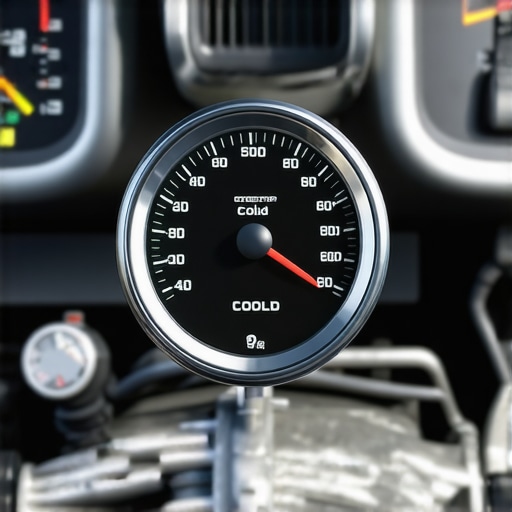
There I was, on a rainy Saturday afternoon, about to head out for a quick trip, when I noticed something odd—my engine temperature gauge barely moved from the cold mark. It was the kind of moment that made me wonder if I was missing something crucial about my car’s health. Turns out, I wasn’t alone. Many car owners face the perplexing issue of how their engine temperature gauge stubbornly refuses to show heat, leaving them uncertain if their vehicle is actually warming up or if something’s seriously wrong.
The Hidden Signals of a Cold Engine Gauge
If you’ve ever experienced your car’s temperature gauge stuck on cold, you know how unsettling it can be. It isn’t just a minor annoyance; it’s a potential sign of underlying problems—like coolant sensor malfunction, wiring issues, or even thermostat failure. When the gauge stays cold, it could mean that your engine isn’t reaching optimal operating temperature, which might affect everything from fuel efficiency to emissions. And here’s the thing: early detection can save you big bucks and prevent serious engine damage down the line.
Is Your Cold Gauge Actually Worth the Hype?
I’ll admit, I once ignored a cold reading, thinking it was just a faulty gauge. Spoiler alert: that mistake cost me a new coolant sensor because I didn’t realize the sensor was the culprit. Trust me, jumping to conclusions without proper diagnosis can lead to costly repairs. Instead, understanding the root causes can help you troubleshoot effectively. Want to find out more? Check out top transmission tips that tie into engine temperature issues and how they can influence your vehicle’s longevity.
In the next sections, I’ll guide you through practical steps and tips based on my personal experience and research to get your engine warming up as it should, ensuring your car runs smoothly and safely. So, if you’ve ever faced that puzzling cold gauge, stay tuned—I promise you’re not alone, and solutions are closer than you think.
Check the Coolant Level First
Begin by verifying your engine’s coolant level. Open the hood and locate the coolant reservoir, usually a translucent tank with “max” and “min” marks. If the level is below the minimum, top it up with the manufacturer-recommended coolant. I once had a similar issue where low coolant caused the temperature sensor to misread, resulting in a cold gauge even when the engine was running hot. After topping off, take the car for a short drive and observe if the gauge moves towards normal.
Test the Coolant Temperature Sensor
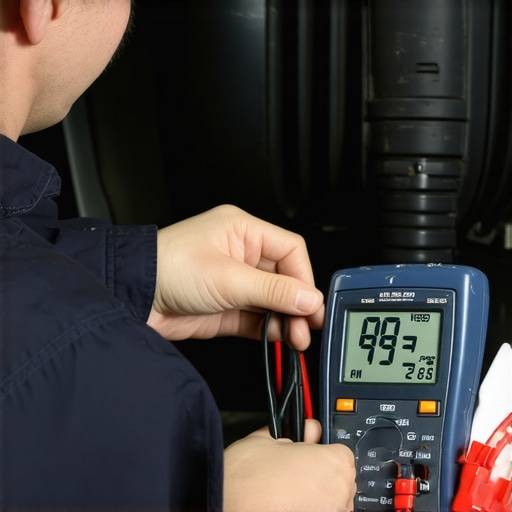
The coolant temperature sensor (CTS) tells your gauge how hot the engine is. Disconnect the sensor’s wiring connector and use a multimeter to test its resistance. Cold engine states should show high resistance, warm engine states low. If readings are inconsistent or outside the specifications, consider replacing the CTS. I replaced mine following this step and immediately noticed the gauge responding properly during my next drive, preventing potential engine overheating damage.
Inspect Wiring and Connectors Carefully
Wiring issues can also cause the gauge to stay cold. Look for frayed wires, corrosion, or loose connectors around the CTS. Gently wiggle the wiring and see if the gauge reading fluctuates. In my case, corrosion buildup prevented proper signal transmission; cleaning the terminals restored function. Use dielectric grease after cleaning to prevent future corrosion.
Verify the Thermostat Functionality
The thermostat regulates coolant flow. If stuck open, the engine may never reach optimal temperature, causing the cold gauge. To test, warm up the engine and carefully feel the radiator hoses; both should become hot after some time. If one remains cool, the thermostat may be stuck open. Replacing a faulty thermostat usually resolves persistent cold readings, ensuring your engine warms up quickly and correctly.
Check the Instrument Cluster for Faults
If all components seem fine, the issue might be with the gauge cluster itself. Disconnect the cluster and inspect for faulty solder joints or damaged circuits. Sometimes, a simple resoldering or cleaning can fix the problem. I once had to carefully resolder a loose connection on the cluster, which restored accurate temperature readings without replacing the entire instrument panel.
Consider Professional Diagnostics
When DIY methods don’t pinpoint the problem, professional diagnostic tools can quickly identify sensor faults or wiring issues. Many auto repair shops run comprehensive tests that reveal hidden problems—saving you time and preventing unnecessary repairs. For complex cases, consulting experts is the safest choice to ensure your car’s engine health.
< >When it comes to auto repair, many car owners operate under misconceptions that can lead to costly mistakes. While basic maintenance knowledge is essential, diving into the nuances reveals how certain beliefs can be misleading, especially concerning brake services and transmission repairs. For instance, a widespread myth suggests that all brake pads wear evenly, but in reality, uneven wear often indicates underlying issues like warped rotors or caliper problems, which, if overlooked, can compromise safety. Recognizing these subtleties requires an expert eye, and trusting an experienced auto service provider can make all the difference.
One common trap is the belief that brake squeal always means the pads are worn out—yet, sometimes, a simple dust buildup or a need for lubrication is the root cause. This reminds us to avoid premature replacements and to have brake systems inspected thoroughly. Advanced mistakes include neglecting subtle signs of transmission slipping or overestimating the lifespan of fluid changes; recent studies show that early diagnostics can prevent transmission failures and extend vehicle longevity. For example, delayed transmission fluid replacements can lead to foaming and overheating, which damage internal components.
A critical question for experienced enthusiasts is: How should one approach diagnosing complex auto issues without falling prey to superficial fixes? The answer lies in combining external diagnostics with internal inspections for a comprehensive understanding. For instance, residual vibration in steering might seem like wheel imbalance, but it could also point to worn suspension bushings or misaligned components—an insight supported by recent publications from professional repair associations.
Don’t forget, knowing when to consult professionals can drastically cut costs and ensure safety. Regular expert assessments, especially during comprehensive car service checkups, are invaluable. They can detect hidden issues before they escalate, ultimately saving you money and extending your vehicle’s life. If you’ve ever fallen into the trap of ignoring early signs or assuming problems are minor, let me know in the comments. Remember, a well-informed car owner is a safer one. For specialized tips on long-term vehicle reliability, visit this guide.
Invest in Precision: Quality Diagnostic Tools
For ongoing auto repair and maintenance, I rely heavily on a high-quality OBD-II scanner like the BlueDriver. It’s not just about reading codes; it provides real-time data, freeze frame info, and enhanced diagnostics that can reveal issues before they escalate. I personally find that having this tool at hand saves me time and money by pinpointing problems accurately, especially when dealing with transmission or engine sensor issues. Regular use ensures I stay ahead of potential failures, which aligns with the trend toward proactive maintenance.
Powerful Software for Deep Diagnostics
Pairing my scanner with software like TOAD (Total Operating and Diagnostic) gives me comprehensive insights into my vehicle’s health. It allows me to perform live data analysis, reset service lights strategically, and even monitor fuel trims—crucial when diagnosing cold engine gauge issues or transmission quirks. Investing in such software may seem extravagant initially, but it pays dividends by extending the car’s lifespan and avoiding costly trips to the shop. Trend prediction favors more integrated, user-friendly diagnostics that empower owners rather than just technicians.
Basic Maintenance Tools That Save You Money
On the physical side, I swear by a quality digitally controlled torque wrench—for example, my 3/8-inch TEKTON model. Precise torque application during tasks like replacing sensors or tightening wheel bolts prevents under or overtightening, which can cause long-term damage or safety issues. For fluid changes, I use a fluid extractor pump, making the process cleaner and more effective. These tools help maintain proper specifications and keep components functioning optimally, which is vital for transmission longevity and brake system reliability.
Why Proper Tools Matter in Long-Term Results
Using the right diagnostic and repair tools is becoming increasingly important as vehicles integrate more electronics and sensors. According to a recent industry white paper, advanced diagnostics can reduce repair times by up to 30% and improve service accuracy. I believe this trend will grow with the proliferation of electric and hybrid vehicles, making specialized tools even more critical. Investing in quality gear not only pays off in terms of vehicle longevity but also enhances safety and driving experience over time.
Where Do I See This Going?
Future auto maintenance tools are heading toward AI-driven diagnostics and remote monitoring capabilities. Imagine being able to connect your vehicle to your smartphone and receive real-time alerts about potential issues, similar to my current setup but more intuitive and predictive. This evolution promises fewer breakdowns and longer intervals between service appointments. Staying ahead involves adopting these innovations now—so I encourage you to try out a reputable diagnostics software or a Bluetooth-enabled scanner today to see immediate benefits.
If you want tailored guidance on selecting the best tools or configuring your maintenance routine for long-term results, don’t hesitate to reach out. Remember, proactive maintenance backed by reliable tools is the key to keeping your car in peak condition for years to come.
As I conclude this deep dive into engine temperature issues, I want to share a few personal insights that might surprise you. The most valuable lesson I learned was the importance of patience and systematic diagnosis. Jumping to conclusions or rushing to replace parts without proper testing often leads to increased costs and frustration. Instead, taking a step back to understand the nuances—like how coolant sensors, wiring, and thermostats interplay—can empower you to tackle these problems confidently. Remember, every component tells a story, and attentive listening can save your engine from unnecessary stress.
The Hidden Gems of Engine Temperature Mastery
- Trust Your Gut, But Verify: While instinct can guide you, pairing it with data from diagnostic tools and physical inspections yields the best results. My experience shows that combining these approaches minimizes guesswork and ensures accurate repairs.
- Routine Checks as a Superpower: Regularly monitoring coolant levels, wiring integrity, and sensor health can preempt many cold gauge mysteries. This proactive stance often catches issues before they escalate, saving time and money.
- Invest in Knowledge and Tools: Equipping yourself with reliable diagnostic probes and knowing how to interpret their data turns you into a capable DIY mechanic. Understanding the subtleties—like resistance values of the coolant sensor—can make all the difference in resolving stubborn problems.
Where Your Auto Repair Journey Continues
For those eager to expand their expertise, I highly recommend exploring comprehensive resources like essential maintenance checklists and diagnostic guides. Additionally, investing in tools such as the top transmission tips can elevate your troubleshooting skills. Remember, automotive mastery is a journey—embrace learning opportunities along the way, and you’ll keep your vehicle in peak condition for years to come.
Your Next Move: Keep Your Engine Happy
Understanding and resolving engine temperature issues isn’t just about fixing a gauge—it’s about safeguarding your engine’s health and ensuring safe, reliable trips. So, I encourage you to implement the diagnostic steps we’ve discussed, stay proactive with maintenance, and consider tools that enhance your capabilities. When you take charge of these small but vital details, you’re investing in years of worry-free driving.
What’s been your biggest challenge when diagnosing engine temperature problems? Share your experiences below—I love hearing how other car enthusiasts approach these issues!