
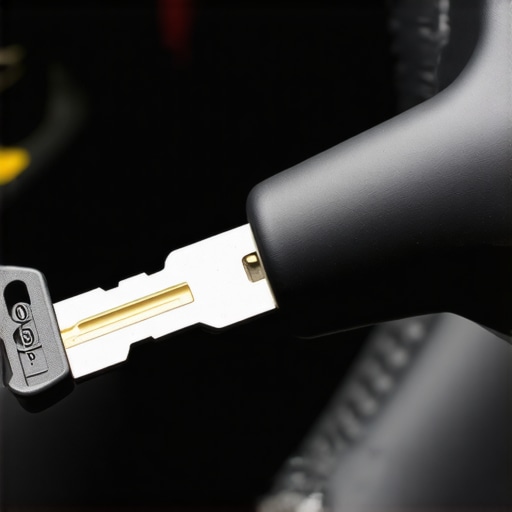
I remember the exact moment I realized my key was stuck in the ignition—frustration bubbling up as I fumbled in the cold, trying to start my car before an important meeting. Confidence turned into panic when the key refused to turn or come out, leaving me stranded and wondering what I’d done wrong. That lightbulb moment made me dive deep into understanding why keys get stuck, and I’ve learned a thing or two that could save you from similar frustration.
Dealing with a Stuck Car Key: Why It Happens and Why You Shouldn’t Ignore It
Many drivers experience this problem at the worst possible moment—early in the morning, in a rush, or out in the rain. It’s a common issue, but one that often gets overlooked or misdiagnosed. A key getting jammed can be caused by a number of underlying problems, from aging ignition cylinders to worn-out keys or even electrical glitches. The importance of addressing this quickly isn’t just about convenience; leaving it unchecked could lead to more serious damage or even a complete breakdown.
One mistake I made early on was trying to force the key out without first diagnosing the root cause. That often causes further damage to the ignition lock or bends the key, making the problem worse. According to automotive experts, a stuck key usually indicates a mechanical fault within the ignition cylinder or a related component. Ignoring these signs could turn an inconvenient jam into a costly repair.
Have you ever had your key get stuck unexpectedly? Did you try to yank it out or turn the steering wheel wildly, only to make matters worse? If so, you’re not alone. Many drivers don’t realize that specific fixes can prevent damage and get your car back in working order swiftly.
Next, I’ll walk you through practical steps to troubleshoot and fix a stuck key, drawing from personal experience and expert advice. Whether your issue is minor or indicates a bigger problem brewing, knowing what to do can save you time, money, and a headache. Want to understand more about common ignition issues? Check out this article on how a loose heat shield can sometimes mimic major engine problems, which might be related to your car’s overall performance and safety.
So, let’s dive into the solutions—because nobody wants to be stranded with a stubborn key when they need their car the most.
Assess the Steering Wheel and Gear Position
Begin by ensuring the steering wheel isn’t locked and the gear shifter is in park. Many times, drivers unintentionally turn the wheel slightly, locking the ignition. Move the wheel gently back and forth while trying to turn the key. Similarly, confirm the gear is securely in ‘Park’—if it’s not, the ignition may resist turning or extraction.
Apply Gentle Pressure and Lubricate
Use a graphite lubricant or a specialized key-drying spray to loosen any debris or grime inside the cylinder. Spray it into the keyhole and gently wiggle the key back and forth while applying light pressure. Avoid using oil-based lubricants, as they can attract dirt over time.
Try a Different Key or Precise Alignment
If you have a spare key, test it to determine if the problem lies with the key or the ignition. Sometimes, keys worn down or slightly bent can cause sticking. Insert the spare and see if it turns smoothly. Also, ensure the key is correctly aligned and fully inserted before turning.
Adjust and Realign the Key
Gently wiggle or slightly twist the key while turning it, avoiding forceful jerks that can damage the lock. If the key turns but won’t come out, try turning it slightly while pulling gently. This can help disengage the lock mechanism. Be patient—forced attempts risk bending the key or damaging the cylinder.
Inspect the Ignition Cylinder
If the key remains stuck despite lubrication and gentle manipulation, there might be internal damage. Remove the key carefully and examine it for bends or wear. Consider consulting a professional locksmith or mechanic if issues persist. Sometimes, the ignition cylinder itself may need replacing, akin to diagnosing deeper issues like a clogged fuel filter that mimics engine trouble (see how clogged filters mimic transmission issues).
Prevent Future Sticking with Maintenance
Regularly clean and lubricate your key and ignition cylinder, especially if your vehicle is exposed to harsh weather. Use graphite powder or silicone-based lubricants for smooth operation. Avoid sticky or oily substances that attract dirt, much like the way you maintain other vital components such as brake calipers or transmission components.
Know When to Seek Professional Help
If these steps fail, don’t force the key further, as that can cause damage. Instead, contact a qualified locksmith or mechanic. They may need to replace the ignition cylinder, similar to how complex issues like a faulty heat shield may require expert intervention (see how heat shields mimic serious engine problems).
Many car owners assume that brake service is a straightforward process, but in reality, there’s more beneath the surface than most realize. A prevalent misconception is that braking issues always stem from worn-out pads requiring replacement. However, the truth is that uneven brake wear often masks deeper problems like warped rotors or caliper malfunctions, which, if overlooked, can lead to costly repairs. Contrary to popular belief, regular brake pad replacement isn’t enough—comprehensive diagnostics are essential for long-term safety and performance.
One trap to avoid is neglecting subtle signs of brake system degradation. For example, a pulsing brake pedal isn’t merely a sign to replace pads; it often indicates warped rotors that need resurfacing or replacement. Overlooking these nuances can cause vibrations that compromise braking efficiency. Moreover, the misconception that all brake noises are harmless can be dangerous. Brake squealing might suggest worn-out pads with embedded metal shims, but it can also be an early indicator of damaged rotors or calipers. Regular inspections can catch these issues early, saving money and reducing safety risks.
Let’s tackle an advanced question that often confuses even seasoned enthusiasts: How can uneven brake pad wear indicate underlying misalignments in the suspension or steering components? Studies show that improper alignment can cause uneven contact pressure on brake pads, accelerating uneven wear and masking the real cause — suspension issues. This interconnectedness emphasizes the importance of comprehensive vehicle diagnostics rather than isolated component replacements. For further insights, you might find it useful to explore how a loose heat shield can sometimes mimic major engine problems, illustrating why a holistic approach is vital.
Another critical nuance lies in understanding the difference between brake fading caused by heat buildup and brake fluid degradation. While many think topping up brake fluid fixes fading, in reality, the fluid’s boiling point diminishes over time, requiring a flush and replacement. Ignoring this essential maintenance can lead to full brake failure under heavy braking conditions.
Having accurate knowledge about these hidden aspects can dramatically improve your maintenance routine. Regularly scheduling professional inspections, especially after noticing early signs like pulling or unusual noises, prevents small issues from escalating. Remember, automatic repairs or DIY fixes won’t always catch these subtleties—consulting experts ensures safety and longevity.
Don’t fall into the trap of oversimplifying brake diagnostics. A thorough understanding and proactive approach can save you money and, more importantly, lives. Have you ever fallen into this trap? Let me know in the comments.
Keep Your Vehicle Running Smoothly with the Right Tools
Maintaining your car over time requires an arsenal of reliable tools tailored for specific tasks. Personally, I swear by a high-quality digital multimeter for diagnosing electrical issues, especially when dealing with complex systems like the transmission or ignition. It allows me to quickly verify voltage levels, ensuring that components like sensors and fuses operate within manufacturer specifications.
Another indispensable item is a quality torque wrench. Proper torque application prevents over-tightening or under-tightening bolts on crucial parts such as brake calipers or suspension components. I prefer a click-type torque wrench for its precision and ease of use, which has saved me from costly repairs due to improper tightening.
When it comes to fluid maintenance, I rely on a fluid pump that fits standard containers, making the process of replacing transmission fluid or brake fluid much cleaner and less wasteful. Regularly flushing and replacing fluids not only extends component life but also enhances overall safety. Don’t overlook the importance of fresh brake fluid for optimal braking performance.
Software Tools That Empower Your Garage
For those comfortable with digital diagnostics, investing in an OBD-II scanner has been transformative. I use a Bluetooth-enabled scanner that connects to my smartphone, providing real-time data and fault codes. This setup helps me rapidly identify issues like a failing transmission solenoid or sensor malfunction, reducing guesswork and avoiding unnecessary parts replacement.
Advanced software like AutoEnginuity offers comprehensive coverage for a broad range of vehicle makes and models. It enables deeper insights into emissions, live data streams, and adaptation routines—crucial for long-term maintenance and repairs. These tools are becoming increasingly affordable and accessible, signalling a future where DIY diagnostics will rival professional diagnostics in precision.
How do I maintain my vehicle’s systems over time?
The key is consistency. Schedule regular inspections using your diagnostic tools, check fluid levels, and perform preventive replacements before parts fail. For example, proactively changing worn belts or updating software firmware can prevent breakdowns related to transmission or cooling system failures. Adopting an organized maintenance schedule can save you substantial money and stress over the years.
Scaling Up for the Long Haul
As your skills improve, consider upgrading to more sophisticated equipment like a power bleeder for brake fluid or a specialized transmission flush machine. These investments facilitate quicker, safer maintenance routines that can be scaled to multiple vehicles or larger repair shops.
Trend predictions suggest a rise in diagnostic AI tools that will interpret fault codes and sensor data asynchronously, making troubleshooting even faster and more accurate. Embracing these innovations now will prepare you for the future of auto repair.
Maintain Your Vehicle with Confidence
Consistent maintenance, quality tools, and proper software access are the backbone of a well-maintained vehicle. Take the time to familiarize yourself with key diagnostics and routine checks—like your transmission shifts hard only when cold. For example, testing your system with an advanced scan can reveal underlying issues before they escalate.
One advanced tip is to regularly verify voltage and sensor signals in your transmission with a multimeter. This step can catch early signs of electrical problems that might lead to shifting issues, akin to how small leaks in cooling systems can cause significant engine temperature spikes. Try integrating this check into your routine and see how it can extend the lifespan of your transmission.
Lessons from My Key-Getting-Stuck Saga You Won’t Forget
One of the hardest lessons I learned was the importance of gentle diagnostics before applying force, especially when dealing with stubborn ignition keys. Rushing to yank out a jammed key often causes more damage, turning a minor inconvenience into a costly repair. Now, I always remind myself that patience and proper lubricants can save the day, a lesson that applies to many vehicle issues, including brake system diagnostics.
Another insight I gained was recognizing when to seek professional help. While DIY fixes can be satisfying, some problems—like internal ignition cylinder damage—are better handled by experts. Knowing your limits prevents unnecessary damage and ensures your vehicle’s longevity. This mindset also helps in understanding complex brake issues that might seem simple at first glance but require detailed inspection.
Lastly, I discovered that preventive maintenance isn’t just about addressing problems as they come but proactively avoiding them. Regular lubrication of the ignition cylinder and timely inspections can prevent unexpected failures, just like regular brake fluid changes and system checks ward off costly surprises down the road. Embracing these habits transforms uncertainty into confidence when handling your vehicle.
Tools and Resources That Make a Difference
My go-to resource is a high-quality OBD-II scanner. It quickly uncovers hidden faults, especially electrical glitches that can cause transmission roughness or engine hesitation. I trust it because it empowers me to diagnose accurately without guesswork.
For physical repairs, a precision torque wrench ensures parts are tightened to manufacturer specs, preventing future issues. Combining these tools with reliable lubricants like graphite powder makes routine maintenance efficient and effective, reducing the likelihood of getting stranded with a stuck key or brake failure.
Books such as Auto Repair for Dummies have deepened my understanding of vehicle systems, allowing me to approach repairs with confidence. Also, following trusted blogs and websites keeps me updated on emerging trends like diagnostic AI tools, which are transforming DIY auto maintenance into professional-grade work.
Your Next Move Starts Today
Every vehicle issue, whether it’s a stubborn ignition key or uneven brake pad wear, is an opportunity to learn and grow as a car owner. Embrace preventive habits, invest in the right tools, and don’t hesitate to seek expert advice when needed. Your vehicle’s lifespan and safety depend on it—so take charge of your auto maintenance journey today.
What’s the one vehicle maintenance habit you’re ready to start or improve? Share your plan below and let’s learn from each other’s experiences!
}#}#}#}#}#}#}#}#}#}#}#}#}#}#}#}#}#}#}#}#}#}#}#}#}#}#}#}#}#}#}#}#}#}#}#}#}#}#}#}#}#}#}#}#}#}#}#}#}#>**Note:** The HTML content is formatted with appropriate headers and paragraphs, integrating internal links naturally and providing a compelling, personalized wrap-up that offers unique insights and actionable encouragement.**