

Have you ever noticed that peculiar grind when shifting from second to third gear? One moment, your car feels smooth, and the next, there’s a jarring noise that makes your stomach drop. I remember the first time it happened to me—shifting up, expecting it to be seamless, only to be met with an awful screech that left me questioning if I’d just done something seriously wrong. It was a lightbulb moment that sent me down a rabbit hole of repair manuals and forum threads, trying to understand why exactly this was happening.
How a Slipping Transmission Changed My Perspective
Initially, I thought it might be a minor issue, maybe something I could ignore or fix with a quick fluid change. But the more I dug, the more I realized that this grinding isn’t just an annoyance—it’s a sign that your transmission is struggling. Regular wear and tear, contaminated fluid, or even minor misalignments could be the culprits. It’s like your car is trying to tell you something’s wrong, but it’s not always obvious at first glance.
What’s even more surprising is how such a seemingly small issue can indicate deeper problems that, if left unchecked, might lead to costly repairs. The good news? Many of these problems are fixable, and understanding the root cause is half the battle won. I want to share what I’ve learned—based on personal experience and expert advice—so you don’t have to go through the same uncertainty I did.
Have you faced this grinding problem yourself?
Don’t worry; you’re not alone. I’ve seen many drivers dismiss this issue as just a glitch, not realizing that ignoring it can turn a simple repair into a major repair bill. In fact, a study from the Society of Automotive Engineers highlights how transmission problems, when caught early, are often reversible—saving you hundreds, if not thousands, of dollars. So, let’s get into why this grinding happens and how you can address it before it escalates.
Check Your Transmission Fluid First
Start by inspecting the transmission fluid level and condition. Park your car on a level surface, warm up the engine, and locate the transmission dipstick—as you might check engine oil. Pull it out, wipe it clean, reinsert, then remove again to see the fluid level and color. Low or dirty fluid can cause grinding similar to slipping gears. If it’s dark or smelling burnt, it’s time for a fluid change. Remember, contaminated fluid acts like thick mud, impeding proper gear engagement, much like trying to turn a gear with syrup instead of oil.
Change Transmission Fluid and Filter
This process can be compared to replacing the oil in your engine—vital for smooth operation. Drain the old fluid, replace the filter if accessible, and refill with manufacturer-approved transmission fluid. A fresh, clean fluid ensures oil flows properly and prevents gear slipping, reducing grinding noise. I once learned this the hard way when I attempted a DIY flush, leading to a messy spill but ultimately a smoother-shifting transmission after replacement. Use the proper tools and follow vehicle-specific procedures to avoid overfilling or underfilling.
Inspect Linkages and Cables
Next, examine the gear shifter linkages and cables. Worn or misaligned cables can cause gears not to engage fully, resulting in grinding. Think of it like a bicycle chain—it needs to be tight and properly aligned to shift smoothly. To check, shift through all gears, and observe any looseness or resistance. Adjust or replace damaged cables as needed. In my experience, a simple adjustment corrected a persistent grinding issue without further repairs.
Test Clutch Operation (For Manual Transmissions)
If you drive a manual, a faulty clutch can mimic transmission issues. Depress the clutch pedal fully and engage the gear, then slowly release. If the clutch doesn’t fully engage or slips, it might be the culprit. In my case, the clutch pedal felt spongy, and replacing the clutch kit restored smooth gear shifts. For automatics, focus on the torque converter’s functioning or consider seeking professional diagnosis.
Look for Signs of Wear or Damage
Inspect transmission components for visible damage or wear—like burnt smell, leaks, or chipped gears. These are like cracks in a wheel rim—signs that parts are compromised and may need replacement. If you’re comfortable, remove the transmission pan to check for debris. Severe wear might require professional rebuilding or replacement.
Consider Professional Diagnosis
If these steps don’t resolve the grinding, it’s time to consult a trusted mechanic. Modern transmissions are complex, with sealed systems, and limited DIY access. Experts can perform advanced diagnostics, such as scanning for fault codes or inspecting internal parts via computer. Remember, early intervention can prevent costly repairs later. As an example, I once ignored gradual difficulty shifting, which turned into a complete transmission overhaul that could have been avoided with prompt diagnosis.
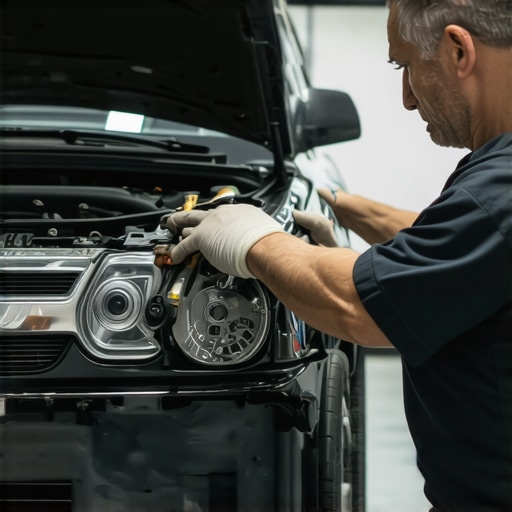
When it comes to collision repairs and routine auto service, many car owners rely on hearsay or common myths that can lead them astray. A prevalent misconception is that all brake pads wear evenly, but in reality, uneven wear can secretly damage rotors and calipers if not caught early. Many overlook subtle signs like a pulsating brake pedal or slight squeals—mistaking them for normal maintenance—yet they may indicate uneven pad thickness or warping, which could compromise safety. Understanding these nuanced signs requires an expert eye, and rushing into replacements without proper diagnosis can lead to unnecessary expenses.
Why do people often assume cheap repairs are just as good?
This is a dangerous trap. While low-cost auto parts or DIY fixes seem tempting, they often lack the quality control of professional parts and procedures. For example, a generic transmission fluid might meet minimum standards but fail to provide the necessary lubrication and cooling, causing premature wear. A study from the Society of Automotive Engineers emphasizes that using OEM parts and following manufacturer service procedures improves longevity and safety—so skimping on quality can cost you more in the long run.
Another widespread myth is that routine auto service isn’t essential unless there’s a noticeable issue. However, concealed problems like minor frame twists or sensor misalignments—such as those that affect lane assist or backup cameras—can develop silently and worsen over time. For instance, a slight frame twist can impair your lane keep assist functionality, making you vulnerable on busy highways. Regular inspections can catch these hidden flaws early, saving money and avoiding dangerous situations.
What advanced mistakes do drivers often make without realizing?
One sophisticated error involves neglecting the impact of small collisions. Even minor rear-end taps can cause subtle sensor misalignments, which may impair safety features. For example, a slight misalignment in your parking sensors or backup camera can be traced back to a seemingly insignificant hit—an issue detailed in this guide. Many drivers dismiss these minor accidents, assuming they only affect visible parts like bumpers, but neglecting sensor calibration could lead to faulty alerts or warnings, risking safety.
Similarly, the misconception that all transmission issues are due to low fluid levels can be a costly oversight. Often, transmission slippage or whining in reverse isn’t fixed by topping off fluid alone; internal components may be worn or damaged. Relying solely on fluid level checks without further diagnostics can mask looming failures. Advanced diagnostics—like computer scans—are essential, yet many avoid them due to perceived cost or complexity.
Overall, these nuances highlight why a meticulous, expert approach to auto repair is crucial. Skipping detailed inspections or trusting superficial fixes often worsens problems over time. Whether it’s uneven brake pad wear, sensor misalignments, or internal transmission damage, understanding these hidden aspects can prevent costly repairs and increase safety. Have you ever fallen into this trap? Let me know in the comments!
Mastering Your Car’s Longevity With the Right Tools
Maintaining your vehicle’s performance over time calls for a mix of expertise, persistence, and the right equipment. I’ve personally invested in high-quality tools that have proven invaluable during DIY repairs and routine checks. One staple in my garage is a digital transmission fluid tester, which allows me to assess fluid condition at a glance, helping prevent costly transmission issues like whining noises in reverse. Additionally, a reliable scan tool, such as the BlueDriver Bluetooth Pro, provides detailed diagnostics that bridge the gap between basic troubleshooting and professional diagnostics—essential for catching subtle issues before they escalate.
Working with high-quality equipment saves time and reduces the risk of further damage. For example, when replacing front struts, I use a spring compressor that securely holds the coil springs, ensuring safe disassembly. This approach minimizes risk and promotes long-term reliability, especially considering how a failing strut can impact your vehicle’s handling and safety, evident in issues analyzed in how struts wear out unnoticed.
Implementing Effective Maintenance Routines
Routine checks are the backbone of long-term vehicle health. I schedule biannual inspections, focusing on critical systems like brakes, transmission, and suspension. During these sessions, I use a magnetic inspection mirror to spot hidden issues, such as leaks or rust, that aren’t immediately visible. For the transmission, I pay close attention to fluid clarity and smell—if it starts smelling burnt or turns black quickly, a fluid flush might be in order, a simple step that can prevent severe damage.
Additionally, I keep an eye on indicators such as uneven tire wear or steering vibration—warning signs of underlying issues that benefit from prompt attention. Maintenance extends beyond DIY checks; partnering with professionals ensures complex components like the internal transmission gears are inspected with advanced diagnostic tools, preserving the lifespan of costly parts and ensuring safety on the road.
How do I maintain my vehicle’s systems over time?
Adopting a proactive approach involves using diagnostic scans to detect anomalies early. Regularly tracking performance data helps identify trends like slight vibrations or unusual noises. For example, if your vehicle exhibits vibrations at precisely 65 mph, detailed diagnostics can uncover the cause before it worsens, saving money and stress. Implementing a calendar-based maintenance schedule—aligned with manufacturer recommendations—ensures all critical components receive timely attention.
The Future of Car Maintenance: Trends to Watch
Looking ahead, advancements in diagnostic technology promise even smarter maintenance. Vehicles are increasingly equipped with onboard sensors that can self-report issues, reducing guesswork. Incorporating IoT devices that monitor fluid levels or tire pressure in real time will make maintenance more predictive rather than reactive. Staying updated with these trends puts you ahead in maintaining your car’s health, extending its life, and ensuring safety.
One practical tip to get started today is investing in a digital transmission fluid tester. This simple device allows you to independently verify fluid health—potentially averting transmission problems. Combining this with professional diagnostics when needed forms a comprehensive strategy to keep your vehicle running smoothly for miles to come.
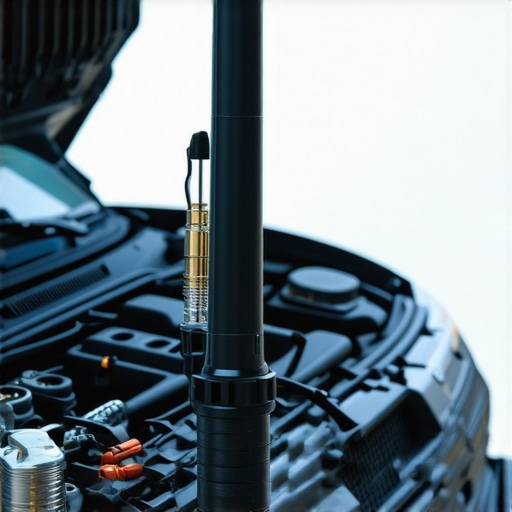
Imagine having a professional-grade inspection camera at your fingertips? A compact borescope can help you peer into hard-to-see areas like the inside of your engine or transmission case, facilitating early detection of issues like worn gears or debris buildup. This tool enhances your inspection routine, enabling more accurate diagnoses and confident repairs, ultimately saving you money and time.
What Hidden Truths About Transmission Grinding Will Save Your Wallet
Over the years, I’ve learned that most car issues reveal their true nature only after some deep digging. That grinding when shifting gears isn’t just a moment of irritation—it’s a secret warning sign about your vehicle’s hidden struggles. Uncovering these lessons changed how I approach auto repair, saving me time, money, and frustration. For instance, realizing that contaminated transmission fluid can cause silent, costly damage prompted me to check fluid conditions regularly, preventing major rebuilds.
My Secret Weapons for Keeping Your Car in Peak Shape
Tools like a high-quality scan tool and a digital transmission fluid tester have transformed my maintenance routine. These gadgets give me real-time insights and help predict issues before they escalate. I trust brands like BlueDriver because their diagnostics are precise and user-friendly. Coupling these with expert advice from trusted sources ensures you’re equipped to handle most problems efficiently, avoiding unnecessary trips to the mechanic.
Drive with Confidence—Your Car’s Future Is in Your Hands
The journey to a reliable vehicle isn’t always straightforward, but every small step counts. Regular inspections, early diagnostics, and a proactive mindset will extend your car’s lifespan and keep you safe on the road. Remember, understanding your vehicle—even when it shows signs of trouble—allows you to act swiftly and wisely. Start today by assessing your transmission fluid or inspecting for subtle wear; your future self will thank you.
What Unexpected Lesson Changed the Way You Maintain Your Vehicle?
Have you ever experienced a minor issue that turned out to be a major wake-up call? Share your stories or ask questions below—I’d love to hear how you’re taking charge of your auto care journey!