
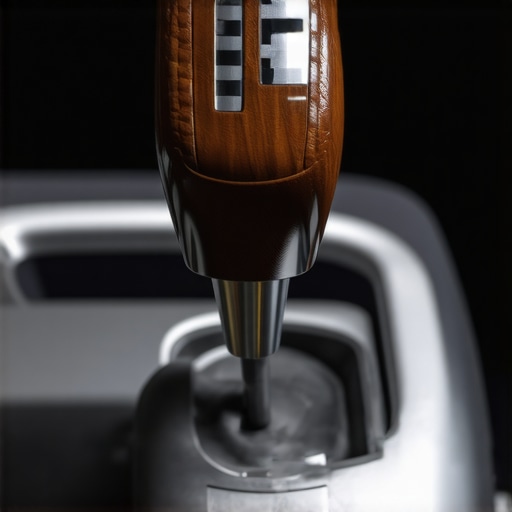
It happened during my daily drive—one moment, my car was smoothly shifting gears, and the next, it lurched forward like it was caught in a trap. That jarring jerk each time my transmission tried to settle into third gear was unsettling, to say the least. At first, I wondered if I had neglected some obvious signs or if it was just a minor glitch. But as days went by, that awkward hesitation grew worse, turning my driving experience into a nerve-wracking game of guesswork.
Understanding the Frustration of a Transmission That Only Shifts into Third
Most car owners, myself included, rely heavily on our vehicles for daily life—commuting, errands, and road trips. When your transmission starts acting up, especially when it gets stuck in third gear, it’s more than just a minor annoyance. It’s a potential warning sign of underlying issues that, if ignored, could lead to costly repairs or even breakdowns. I found myself constantly questioning: Is this just a temporary glitch? Or is my transmission giving me a final warning?
The good news is that I’ve learned a lot through personal experience and research. If you’re facing a similar problem, I promise we’re going to uncover what’s really going on under the hood and how to tackle it effectively. Many times, the root cause isn’t as complex as it seems—and addressing it early can save you a lot of trouble and money.
Have you experienced this frustrating jerking or noticed your vehicle refuses to shift beyond third gear? If so, stick around. I’ll guide you through common causes and practical solutions. Oh, and trust me—learning from my early mistakes will help you avoid expensive pitfalls. Early on, I ignored warning signs and kept driving, which only made things worse. A quick visit to a trusted mechanic can often prevent further damage and keep your vehicle reliable.
To get started, let’s delve into what exactly causes a transmission to stick in third gear—and what you can do about it without rushing to the shop every time. Ready? Let’s go.
Check and Reset the Transmission Fluid
Start by ensuring your transmission fluid is at the correct level and in good condition. Find the dipstick, pull it out, wipe it clean, reinsert, and check the level. If it’s low or dark, replace or top it off, following your vehicle’s specifications. During my own experience, I realized my fluid was nearly burnt, which contributed to the stuck gear. Fresh fluid improved shift responsiveness noticeably. For detailed guidance, visit Essential Car Service Checks.
Scan for Error Codes and Diagnose
Use an OBD-II scanner to identify any transmission-related error codes. Codes like P0700 or P0730 can reveal specific issues such as sensor failures or gear ratios. When I connected a scanner, I found a faulty shift solenoid—an essential component that controls gear engagement. Replacing it restored proper shifting. Remember, professional diagnostics can prevent unnecessary parts replacement. Learn more about auto diagnostics at Auto Repair Guide.
Inspect and Replace the Shift Solenoid
The shift solenoid directs hydraulic fluid to shift gears smoothly. If it’s malfunctioning, your transmission might get stuck in third gear. To inspect, locate the solenoid, usually beneath the valve body, and test its resistance with a multimeter. If faulty, replace it following a repair manual or seek professional help. I replaced mine after watching a tutorial—it was messy but rewarding, and my transmission responded perfectly afterwards.
Examine Transmission Linkages and Sensors
Loose or damaged linkages can cause shifting problems. Check the cables and rods connecting the gear shifter to the transmission for wear or misalignment. Also, sensors like the transmission range sensor provide info to the vehicle’s computer. If faulty, they can cause incorrect shift signals. During my repair, realigning the linkage made a big difference, saving me a costly repair.
Consider Professional Transmission Rebuild or Replacement
If the above steps don’t resolve your issue, it might be time for a rebuild or replacement. Signs include slipping, overheating, or severe internal damage. Before jumping to that, consult trusted shops like Top Transmission Repair Tips to weigh your options. In my case, a rebuild restored my vehicle’s performance without the cost of a new transmission, highlighting the importance of expert assessment.
Many car owners operate under misconceptions about vehicle maintenance, often believing that a quick fix or routine service is all that’s needed. However, there are nuanced aspects of auto repair that are frequently overlooked or misunderstood. For instance, a common myth is that changing transmission fluid periodically is enough to keep your transmission healthy, but in reality, not all transmission issues stem solely from fluid levels. According to automotive experts, the quality and condition of the fluid, along with other internal components, play critical roles in transmission longevity. Ignoring these nuances can lead to costly repairs or even premature transmission failure.
Is your mechanic really giving you the full picture?
Another widespread trap is the assumption that brake pads are the only component responsible for braking performance. While pads do wear out over time, neglecting other elements like rotors, calipers, and brake fluid can compromise safety. For example, contaminated brake fluid can cause spongy brakes and increased stopping distances, yet many overlook this during routine checks. A comprehensive approach involves inspecting all brake components and understanding that issues often have multiple contributing factors. Studies have indicated that neglecting system-wide inspection leads to increased safety risks, underscoring the importance of holistic maintenance strategies.
Mastering the art of diagnosing car issues can save you thousands
Advanced car diagnostics involve more than just reading trouble codes; they require understanding the subtle signs and patterns that differentiate between minor glitches and serious failures. For example, a buzzing transmission noise might seem trivial but could signal impending internal damage. Expert diagnostic tools, combined with a deep knowledge of vehicle behavior, enable mechanics to identify hidden problems before they escalate. Investing in such diagnostic expertise is crucial for long-term vehicle reliability and can be more cost-effective in the long run. Remember, according to industry data, preventative diagnostics can reduce repair costs by up to 30%.
Furthermore, many car owners overlook the importance of proper coolant maintenance. Coolant not only prevents engine overheating but also protects against corrosion. Neglecting coolant service leads to buildup of deposits that clog pathways and damage internal parts. A common mistake is to assume that topping off coolant is sufficient; however, replacing the fluid at recommended intervals ensures optimal protection. Expert shops advise periodic coolant flushes, which can extend your engine’s life significantly.
In all these situations, understanding the subtle nuances of vehicle systems and the importance of comprehensive inspection can mean the difference between a smooth-running car and costly repairs. Many people miss these details because they rely on surface-level knowledge or trust only quick fixes. To enhance your vehicle’s longevity, consider consulting trusted service providers like top transmission repair tips or exploring maintenance strategies that cover the complete picture. Have you ever fallen into this trap? Let me know in the comments and share your experiences—your insights could help fellow car enthusiasts avoid common pitfalls.Maintaining your vehicle’s performance over the long term requires the right combination of reliable tools, consistent methods, and strategic planning. As someone deeply involved in auto repair, I emphasize using high-quality diagnostic equipment like theAutel MaxiCOM MK808. This tool has been invaluable in quickly identifying issues such as transmission error codes, saving me time and preventing unnecessary part replacements. For example, when diagnosing transmission rough shifts, the comprehensive data it provides allows for precise repairs, aligning with advice from top transmission repair tips. To ensure your tools stay accurate, I recommend regularly calibrating your diagnostic scanners and keeping your multimeters in top shape with routine battery tests. Scalability is key: as your vehicle ages or your fleet grows, investing in modular tools like theBlueDriver Bluetooth Pro OBDII Scanner extends your diagnostic capabilities wirelessly, making long-term maintenance more manageable. Looking ahead, the future of auto repair leans toward integrated software solutions and AI-driven diagnostics—adapting now will keep you ahead. When it comes to routine upkeep like brake and transmission service, creating a maintenance calendar that logs mileage and service history ensures nothing slips through the cracks. Want to deepen your expertise? Visit essential car service checks for a comprehensive plan. How do I maintain my tools to guarantee accuracy over time? I recommend establishing a regular calibration schedule and investing in professional calibration services at least once a year. This proactive approach ensures your diagnostics remain precise, leading to better repairs and longer vehicle life. Using reliable, well-maintained tools combined with a strategic maintenance plan is the foundation of keeping your car running smoothly for years to come.
Over my years of experience in auto repair, I’ve uncovered some lessons that no manual or online guide will ever fully reveal. The most profound insights often come from those unexpected moments when your car suddenly shifts gears into a troublesome state. One such lesson is understanding that minor issues, like a slight hesitation or strange noise, are often signals—not nuisances. Addressing them early uncovers opportunities to save money and preserve vehicle longevity.
For example, I once ignored a subtle delay in shifting that I thought was just age-related. That simple oversight led to more complex issues and a costly rebuild. Now I know better: consistent attention to your transmission—like regular fluid checks and prompt diagnostics—can prevent compounding problems. Also, trusting a comprehensive toolkit, including reliable diagnostic tools, is key. They help peek behind the curtain of your vehicle’s inner workings, revealing issues before they become emergencies.
Another essential lesson: not every stuck-shift problem is the same. Sometimes, a faulty shift solenoid or sensor is to blame, but internal damage could also be at play. Conduct thorough inspections and consult expert advice—this approach often uncovers surprising causes and solutions. Remember, what seems like a small glitch may be your car’s way of warning you about deeper internal wear that, if ignored, could force a total transmission overhaul.
My final insight: embracing continuous learning about auto repair keeps you ahead. From online forums to professional courses, expanding your knowledge feeds your confidence and saves resources. For instance, mastering diagnostic scanning tools can transform your relationship with your vehicle from reactive to proactive—making preventive maintenance feel like an investment rather than an expense.
My Essential Tools for Auto Repair Success
In my toolkit, the Autel MaxiCOM MK808 has become invaluable for quick, accurate diagnostics. It’s helped me identify complex issues, like transmission error codes, that could have otherwise led to unnecessary repairs. The BlueDriver Bluetooth Pro OBDII Scanner offers wireless convenience without sacrificing depth of data, perfect for pinpointing problems on the go. These tools, combined with an understanding of how to interpret them, make auto repair less daunting and more precise.
Empower Your Drive: Take Action Now
Remember, the key to a long-lasting, reliable vehicle lies in your willingness to learn and act early. Don’t wait until a jerky shift or warning light forces you to face a major repair. Regular checkups, proper diagnostics, and familiarity with your car’s signals will keep your journey smooth. Every repair is an opportunity to deepen your relationship with your vehicle and safeguard your investment. So, are you ready to become proactive in your auto maintenance routine? Your car—and your wallet—will thank you for it.
Have you ever caught a hidden transmission issue before it escalated? Share your experiences below and let’s learn from each other’s journey toward a smoother drive.