
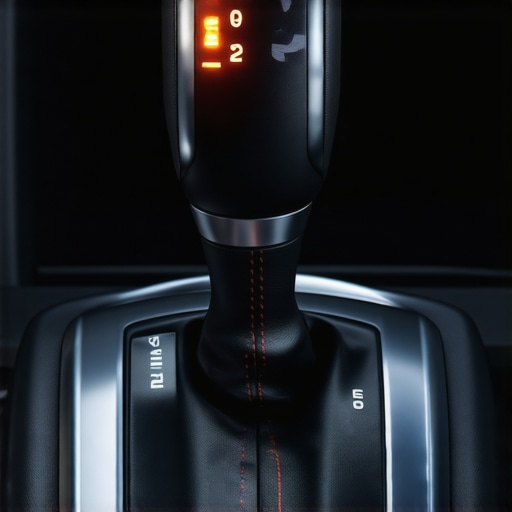
I remember the moment vividly—a slow-motion realization that my car was resisting my commands. As I pulled out of the driveway, I pressed the accelerator, expecting a smooth shift into second gear. Instead, there was a jarring clunk, a slight hesitation, and then the stubborn shift that made me wonder if my transmission had developed a mind of its own. It was frustrating, a little scary, and honestly, a wake-up call that I couldn’t ignore.
Dealing with That Annoying Shift Your Car Won’t Make Gracefully
You’re not alone if your vehicle is giving you trouble during that critical shift from first to second gear. It’s one of the most common complaints I hear from fellow drivers and car owners. That abrupt, hard shift can throw off your drive, rattle your nerves, and over time, lead to more expensive repairs if left unaddressed. But here’s the good news: many of these issues are fixable, and often, the solution is easier than you think.
What I want to share today is how you can understand what’s really happening under the hood, identify whether it’s a minor glitch or something critical, and importantly, how to put an end to those harsh shifts—before they turn into a full-blown transmission overhaul.
Is the Fix Worth It or Should I Just Replace the Transmission?
I remember making that mistake early on—thinking that a tough shift meant catastrophic failure. Turns out, many problems stem from simple causes like low transmission fluid, worn-out sensors, or minor solenoids that can be repaired or replaced without draining your wallet. It’s worth exploring what’s causing your specific issue. Also, I recommend checking out [top transmission repair tips for long-term vehicle reliability](https://collisionrenew.com/top-transmission-repair-tips-for-long-term-vehicle-reliability) for some expert advice.
If you’re feeling skeptical or worried about whether this problem is serious, you’re not alone. Many drivers fear the worst with transmission issues. That’s why I want to walk you through common causes and easy fixes, drawing from my own experience and real-world troubleshooting. Trust me, understanding the root of the problem will empower you to decide whether a simple repair will do or if it’s time to visit a professional.
Ready to dive into the nuts and bolts of this issue? Let’s get started—there’s a good chance you can get your car shifting smoothly again without breaking the bank.
Check Your Transmission Fluid First
Start by locating your transmission fluid dipstick, usually near the back of the engine bay. Pull it out, wipe it clean, then reinsert and pull it out again to assess the fluid level and condition. If the fluid looks dark, burnt, or smells foul, it’s time for a fluid change. During my own experience, a simple top-up with the right type of transmission fluid immediately smoothed out the harsh shift. Proper fluid levels act like the oil in a bicycle chain, ensuring smooth operation and preventing excessive wear.
Inspect and Replace Worn Components
Worn solenoids and sensors are common culprits for harsh shifts. Use a digital scanner compatible with your vehicle to check for error codes related to transmission. If errors point to solenoids or sensors, replacing these parts can restore your shifting experience. I once replaced a faulty vehicle speed sensor myself, following a tutorial I found on the Collision Renew website, and noticed an immediate improvement in gear transitions. Think of these parts as the nervous system, telling your transmission when to shift—if they falter, the shifts become jerky.
Examine the Transmission Filter
A clogged transmission filter restricts fluid flow, leading to rough shifting. To inspect, drain the transmission fluid following your vehicle’s manual, then check the filter—if it’s clogged or excessively dirty, replace it. This simple maintenance task can prevent more severe problems down the line. During my first attempt, I was surprised to find the filter completely coated in debris, which, once replaced, made my car shift much more smoothly.
Assess the Clutch and Transmission Linkages
If your vehicle has a manual transmission, worn clutch plates or misaligned linkages can cause resistance or harsh shifts. Test the clutch pedal’s free Play and engagement point; if it feels awkward or too high, consider replacing the clutch or adjusting the linkage. In my experience, a misadjusted clutch cable was the culprit and correcting it restored effortless gear changes. For automatic transmissions, check the linkage connections for looseness or corrosion, which can interfere with proper gear engagement.
Consult a Professional if Needed
If your troubleshooting doesn’t fix the problem, it’s wise to seek professional help. A transmission specialist can perform advanced diagnostics like line pressure tests and more detailed inspections. I’ve found that sometimes, issues like a failing torque converter or internal transmission damage require specialized equipment. Visiting a trusted repair shop ensures you don’t inadvertently cause further damage by attempting complex repairs yourself. Need expert advice? Reach out to Collision Renew via their contact page for guidance.
Prevent Future Shifts Problems
Regular maintenance is your best line of defense against harsh shifting. Schedule routine transmission fluid changes and inspections using resources like top transmission repair tips. Keep an eye out for early warning signs like delayed shifts, slipping, or unusual noises, so you can act swiftly and keep your drive smooth and safe.
Many car owners believe that transmission issues are always an indication of costly failure, but in my experience, this isn’t always true. A common myth is that all harsh shifting or slipping automatically signifies needing a complete transmission overhaul. However, experts like those at Collision Renew point out that numerous problems stem from simple, easily fixable causes such as low fluid levels or worn sensors. It’s crucial to differentiate between minor hiccups and genuine internal damage, as this awareness can save you significant money and headaches.
What advanced diagnostics can truly differentiate between a minor glitch and serious transmission failure?
Advanced techniques, including line pressure tests and sensor diagnostics, offer a nuanced view that simple visual inspection can’t provide. These methods help identify issues like faulty solenoids or clogged filters that masquerade as more severe problems. According to industry studies, early detection through such diagnostics can extend the life of your transmission significantly. Relying solely on symptoms like delayed shifting without comprehensive testing can lead you into a costly trap of unnecessary rebuilds or replacements.
Another misconception is that low transmission fluid is harmless or just a maintenance routine. In reality, insufficient fluid can cause severe damage, including overheating and internal wear, which might be irreversible if ignored. Regularly checking and maintaining your transmission fluid, as detailed in Collision Renew’s comprehensive auto repair guides, is an essential step to prevent unexpected failures and optimize your vehicle’s performance.
Be wary of common pitfalls such as neglecting the signs of slipping or not inspecting the transmission filter during routine service. These overlooked indicators can lead to more extensive damage, ultimately costing you more in repairs. Remember, proactive maintenance and accurate diagnostics are your best tools in avoiding costly surprises.
Lastly, many drivers underestimate the importance of professional input. While DIY checks are helpful, complex issues like internal component wear or electrical faults require specialized equipment and expertise. Visiting a reputable shop and consulting with professionals can prevent misdiagnosis and unnecessary repairs. If you’re unsure, Collision Renew’s team offers expert advice—reach out through their contact page for guidance.
In summary, understanding the nuances of transmission health—such as the true implications of symptoms and the value of advanced diagnostics—can change how you approach auto repairs. Don’t fall prey to myths that can lead to unnecessary expenses or vehicle damage. For ongoing tips on keeping your car in top shape, check out top transmission repair tips for long-term reliability. Remember, staying informed is your best defense against costly mistakes. Have you ever fallen into this trap? Let me know in the comments.Maintaining your vehicle’s transmission and related systems requires the right tools and a disciplined approach. One tool I highly recommend is a high-quality OBD-II scanner, such as the BlueDriver Bluetooth Professional Scanner. I use it personally because it provides detailed diagnostics and real-time data, which helps me identify sensor issues or error codes before they turn into major problems. This proactive approach saves me time and money, and it’s accessible enough for DIY enthusiasts. Additionally, I swear by a good transmission fluid pump—like the Valvoline Syntec Pump—which makes topping up or changing transmission fluid much cleaner and more efficient, especially in tight engine bays. For software, I rely on manufacturer-specific diagnostic programs, such as Ford’s IDS or GM’s TIS2Web, which offer deeper insights during troubleshooting. As vehicles trend toward more integrated electronic systems, these tools will become even more vital in ongoing maintenance, ensuring that transmission, collision sensors, and braking systems continue to function correctly. The future points toward smarter diagnostics and predictive maintenance, where machines alert owners to issues before symptoms appear, actively reducing repair costs and downtime. To maintain your car’s performance over time, check out top transmission repair tips for long-term vehicle reliability and incorporate routine diagnostics into your regular maintenance schedule. An easy yet impactful tip is to conduct monthly fluid checks with your scanner’s live data feature; it helps catch early signs of wear and prevents costly repairs. Why not try this advanced diagnostic tip today to keep your vehicle in top shape? After all, the key to long-lasting performance often lies in paying attention to the smallest details—tools like the BlueDriver make it straightforward and effective.
Secrets I Wish I Knew About Shifting Smoothly
One breakthrough moment for me was realizing that most harsh shifts weren’t due to major failures but simple issues like dirty transmission fluid or worn sensors. This insight saved me hundreds—sometimes thousands—by fixing what was easy to repair, rather than fearing the worst. Strengthening my knowledge about basic maintenance taught me that proactive care can truly extend your vehicle’s life and keep your drives comfortable.
Another lesson was understanding the importance of diagnostics over assumptions. Relying on advanced tools like an OBD-II scanner provided clarity and prevented unnecessary repairs. It’s a game-changer that the right equipment, combined with some know-how, can empower you to handle many transmission hiccups confidently, without feeling overwhelmed or vulnerable to scams.
Finally, I learned that consistent maintenance and early detection are your best allies. Regularly checking fluid levels, inspecting for signs of wear, and paying attention to unusual noises or delays can save you from costly rebuilds. This proactive approach transforms the way you care for your car, turning frustration into confidence and frustration into control.