
Have you ever hit the brakes and heard an unexpected squeal or felt that telltale sponginess, prompting a silent question: “Is my car really safe?” That moment of uncertainty can be downright nerve-wracking. I remember the first time it happened to me—calling up my mechanic, convinced I was about to face some expensive repair. Turns out, I was just missing some simple, yet crucial maintenance steps that so many mechanics overlook. That realization was like a lightbulb flickering on in my head: some brake issues aren’t just about replacing pads; they’re about understanding what unseen steps matter behind the scenes.
Inspect Your Brake Pads Thoroughly
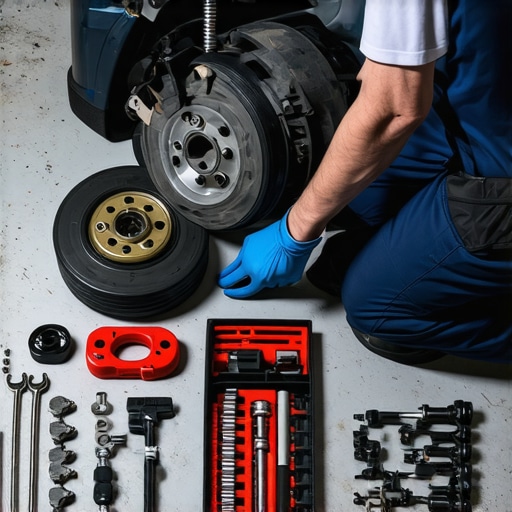
Begin by removing the wheels carefully using a jack and lug wrench. Examine the thickness of the brake pads; if they’re less than a quarter inch thick, it’s time to replace them. I once skipped this step on my sedan, leading to a squealing noise during every stop. After replacing the pads and cleaning the calipers, my braking was smoother and quieter.
Check Brake Rotor Condition
Next, inspect the rotors for signs of warping, scoring, or rust. Use a dial indicator or a straight edge to detect warping—more than 0.005 inches deviation can affect braking performance. I remember a case where I noticed uneven rotor surface, which caused pulsating brake pedal feedback. Milling or replacing rotors as needed restores proper contact and braking efficiency.
Clean and Lubricate Caliper Components
Remove any dirt, rust, and debris from caliper slides and pistons. Apply high-temperature brake grease to the contact points to prevent sticking. I once neglected this and experienced sticking calipers, which caused uneven pad wear. Proper lubrication ensures even pad pressure and extends component lifespan.
Test Brake Fluid Quality and Level
Brake fluid absorbs moisture over time, reducing braking effectiveness. Check the fluid level in the master cylinder—if it’s low, top it up with manufacturer-recommended fluid. Test the fluid’s condition; if it appears dark or contaminated, consider a full flush. I learned this the hard way when my brake pedal felt spongy after a long trip; replacing the fluid improved responsiveness significantly. For more details, visit this guide on hidden brake faults.
Test Drive and Final Inspection
Reinstall the wheels, lower the vehicle, and tighten lug nuts to torque specifications. Before hitting the road, test the brakes at low speed, applying steady pressure to ensure consistent response. Listen for unusual noises or vibrations. A hands-on approach prevents potential safety hazards and keeps your vehicle in top shape.
Many car enthusiasts and even seasoned mechanics often operate under misconceptions that can lead to costly mistakes. One common myth is that replacing brake pads alone will resolve all braking issues. While essential, this approach overlooks underlying nuances such as rotor condition or caliper health, which are crucial for optimal performance. Relying solely on pad replacement may temporarily fix squeals but can accelerate rotor wear or cause uneven braking—factors that only an expert diagnosis can uncover.
What Advanced Mistakes Do People Usually Make During Transmission Repairs?
Many assume a slipping or delayed transmission always signals the need for a full rebuild, but this isn’t always true. Sometimes, issues originate from simple sensor malfunctions or low fluid levels that require targeted fixes. Failing to perform a comprehensive diagnosis can lead to unnecessary parts replacement, wasting time and money. According to expert auto repair strategists, understanding the specific cause of transmission faults—like those detailed in this guide on hidden transmission faults—is vital for effective repairs.
Another trap is neglecting the importance of calibrating sensors after repairs. For instance, after replacing brakes or sensors, failing to recalibrate can result in false alerts or system malfunctions, especially in vehicles equipped with advanced driver-assistance systems (ADAS). This oversight can compromise safety and lead to repeated service calls. Experts emphasize that calibration is as crucial as the repair itself, ensuring system accuracy and vehicle safety.
Misconceptions also extend to collision repairs, where some believe a minor dent isn’t worth fixing. However, even small frame damages can affect vehicle alignment and safety, which might only be detectable through specialized scanning techniques. For example, this article explains how certain cracks are elusive to standard scanners—yet critical to identify for long-term safety.
Finally, understanding the importance of moisture in brake fluid can prevent unpredictable brake performance. Many overlook testing brake fluid quality; darkened fluid indicates moisture contamination, which can cause spongy pedals or brake fade. Regular flushes and quality checks, as outlined in this guide on brake sensors after washes, help maintain braking reliability.
In summary, advanced car care involves dissecting common assumptions and paying attention to subtle indicators. From calibrated sensors after repairs to comprehensive diagnostics of transmission issues, these nuances safeguard your vehicle’s longevity and safety. Have you ever fallen into this trap? Let me know in the comments to share your experience and learn more about avoiding these pitfalls.
Keeping your vehicle in top shape over the long haul involves more than just routine check-ups; it requires investing in the right tools and adopting disciplined maintenance routines. One of my essential pieces of equipment is a high-quality scan tool like the Autel MaxiSys, which allows me to diagnose complex sensor issues, especially with advanced driver-assistance systems (ADAS). This device helps me pinpoint problems such as calibration needs after collision repairs, ensuring safety features function accurately—they can be checked efficiently by referencing this guide on calibration.
How do I maintain my vehicle’s systems over time?
Regular fluid analysis using a refractometer, which I personally prefer due to its accuracy, helps monitor transmission fluid degradation and prevent overheating—a common cause of transmission failure. I recommend replacing fluids proactively based on the manufacturer’s schedule rather than waiting for symptoms to appear. For instance, checking the transmission fluid’s clarity and consistency can reveal early signs of wear, allowing for timely interventions. Additionally, a reliable brake caliper piston retraction tool has saved me countless hours during brake service. It ensures piston retraction without damaging components and allows me to reseat brake pads perfectly in the caliper, reducing long-term wear.
In terms of software, keeping diagnostic applications updated is crucial. Modern vehicles often receive firmware updates that improve sensor calibration and system responsiveness. I use the Bosch Scan Tool, compatible with most 2024 models, which updates seamlessly and provides detailed system insights, especially after repairs or replacements. To stay ahead of future trends, I foresee the growing importance of remote diagnostic platforms, enabling technicians to service vehicles without physical inspection—saving time and reducing costs.
Long-term results depend heavily on consistent maintenance, so establishing a schedule driven by vehicle usage and environmental exposure is vital. Regularly inspecting critical components like brake sensors (see this detailed article) can prevent failures that compromise safety. Also, integrating data from vehicle telematics can help predict issues before they escalate, facilitating proactive maintenance.
Tools I recommend for effective maintenance
Aside from diagnostic scanners, a digital multimeter is indispensable for verifying electrical signals and voltage drops across sensor circuits. I prefer models with true RMS measurement, which provides precise readings even in complex automotive environments. For physical repairs, a set of high-quality socket wrenches and a torque wrench ensure proper fastening, preventing over-tightening or insufficient torque that can cause long-term damage. Investing in a wheel alignment kit allows me to perform basic wheel alignments at home, maintaining proper tire wear and steering responsiveness. These tools collectively help me extend vehicle lifespan, save money, and ensure safety during every drive.
Looking ahead, the integration of AI-driven diagnostic tools will likely revolutionize vehicle maintenance, predicting component failures before they happen. Imagine an app that analyzes data from your vehicle’s sensors, advising you when to replace fluid or calibrate sensors—much like how predictive analytics operate in modern IT systems. Adopting such tools today paves the way for smarter, more efficient care of your vehicle.
If you want to get started with maintaining your vehicle more effectively, I highly recommend investing in a good scan tool and learning how to interpret the data. Implementing routine checks on critical sensors and fluide will save you money and prevent major breakdowns down the line—try calibrating your ADAS sensors after the next collision repair and see the difference it makes!
What I Wish I Knew When I Started Fixing My Car
One of the most valuable lessons I learned is that comprehensive diagnosis beats quick fixes. Jumping straight to part replacements without understanding the root cause can lead to wasted time and money. Embracing a mindset of thorough inspection, especially with the help of reliable tools like the Autel MaxiSys, has transformed my approach to vehicle care.
Secondly, calibration is often overlooked but critical, particularly after collision repairs or sensor replacements. I was surprised how recalibrating my ADAS sensors prevented false alerts and kept my safety features functioning perfectly. Never underestimate the power of proper recalibration to keep your vehicle’s systems in sync.
Lastly, maintaining detailed records of repairs and maintenance schedules has saved me countless headaches. Knowing exactly when components were replaced or serviced allows for proactive care and easier troubleshooting. It’s a simple habit that pays off by extending your vehicle’s lifespan and safety.
Tools and Resources That Keep Me Ahead
My go-to diagnostic scanner, the Bosch Scan Tool, has been invaluable for reading complex codes and updating software. I trust it because it’s regularly updated and compatible with most modern vehicles. Additionally, high-quality brake caliper piston tools have made brake maintenance safer and more precise, saving me from lengthy adjustments.
For learning more advanced techniques, I recommend visiting this resource on collisionrenew. It offers clear guidance on auto repair strategies that have strengthened my confidence as a DIY enthusiast. Lastly, staying connected with community forums like the dedicated sections on car-specific troubleshooting provides peer support and fresh insights—an often overlooked advantage in car maintenance.
You Hold the Power to Keep Your Car Running Smoothly
Taking charge of your vehicle’s health through informed, proactive maintenance isn’t just rewarding—it’s essential for safety and longevity. Whether it’s through routine calbration, using the right tools, or educating yourself with trusted resources, every step you take makes a tangible difference. The road ahead is yours—equip yourself wisely and enjoy safer, more reliable drives each day.