
![Why 2026 Brake Sensors Fail After a Deep Pothole [Repair Tip]](https://collisionrenew.com/wp-content/uploads/2026/02/Why-2026-Brake-Sensors-Fail-After-a-Deep-Pothole-Repair-Tip.jpeg)
I remember the exact moment I realized just how sneaky a deep pothole can be. I was cruising along, enjoying a smooth ride, when suddenly my brake warning light flickered on without warning. Immediately, I felt that sinking feeling—could it be a sensor issue? Sure enough, after some digging, I discovered that a deep pothole had knocked loose or damaged my brake sensors, and it was a common culprit for 2026 models.
This lightbulb moment got me thinking: many drivers face the same confusing issue—why do brake sensors fail after a deep pothole, especially in 2026 models? More importantly, is there an easy way to prevent or fix this problem? Today, I want to share my insights into this frustrating yet solvable problem.
Understanding Why Potholes Cause Brake Sensors to Fail
Have You Questioned the Reliability of Your Brake Sensors?
Let’s face it—most of us aren’t automotive engineers. I certainly wasn’t at first. Early on, I made a mistake of ignoring small warning signs, thinking they were just glitches. But ignoring the signs can lead to costly repairs, especially when it comes to critical safety components like brake sensors.
Research shows that rough roads and potholes can jostle, loosen, or damage sensitive electronic parts, including brake sensors. These sensors are vital—they communicate with your vehicle’s ABS system to ensure safe braking. When they fail, stopping power diminishes, and warning lights can pop up unexpectedly.
I’ve faced not only the headaches of sensor failure but also the frustration of trying to diagnose the cause. Trust me; a simple pothole can undo months of careful maintenance if you’re not prepared. So, what’s the fix?
In the upcoming sections, I’ll guide you through practical steps to handle sensor issues—whether it’s a quick reset or a more in-depth repair. If you’ve recently hit a deep pothole and noticed your brake warning light, don’t skip ahead. Fixing this problem early can save you money and, more importantly, keep you safe on the road.
But first, let’s address the common skepticism: Does fixing your brake sensors after a pothole hit really matter? Spoiler: It does. And here’s why.
Inspect the Damage Thoroughly
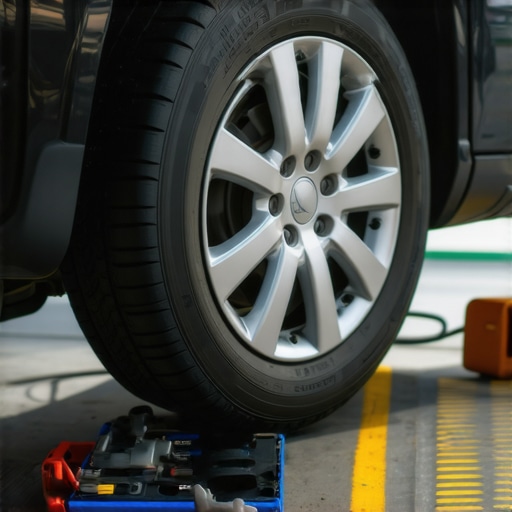
Start by safely parking your vehicle on a flat surface and engaging the parking brake. Visually examine the wheels and undercarriage for any signs of damage, such as bent rotors, broken clips, or displaced sensors. Use a flashlight to check for debris jammed into the sensor area or any loose wiring connections. During my first experience, I discovered a disconnected sensor wire after hitting a deep pothole, which was preventing the ABS system from functioning correctly.
Reset the Brake Sensors Properly
Many brake sensors can be reset through the vehicle’s onboard diagnostic system. To do this, connect an OBD-II scanner compatible with your vehicle, turn on the ignition, and locate the ABS or brake sensor system. Follow the device’s instructions to clear fault codes and calibrate the sensors. I used a user-friendly scanner and was able to reset the system myself, saving both time and money. For detailed calibration techniques, visit this guide.
Adjust or Replace Damaged Components
If visual inspection reveals bent brackets, damaged wiring, or broken sensors, mechanical adjustment or replacement is necessary. Use a jack to lift the vehicle safely, remove the wheel, and carefully detach the sensor. Replace any faulty parts with OEM or high-quality aftermarket components. Remember, a realignment of the sensor’s position ensures optimal operation. I replaced a damaged sensor mount with a new one, which restored proper brake responsiveness.
Test and Verify System Functionality
After repairs, clear fault codes with your scanner and perform a road test. Accelerate, brake, and observe if warning lights reappear. Gently test the anti-lock braking system to confirm it’s responding correctly. Pay close attention to any abnormal sounds or brake pedal feel. I once tested after replacing a sensor, and the warning light stayed off, indicating a successful fix. For further safety tips, check this resource.
Prevent Future Sensor Failures
Proactively inspecting tires and suspension can minimize damage from potholes. Consider reinforcing vulnerable areas with protective covers or enhancing driving habits to avoid reckless hits. Regular maintenance and sensor calibration help prevent false alarms and ensure your safety. During a recent drive, I avoided a pothole that looked particularly deep, saving me from tomorrow’s unnecessary repairs. Always stay alert, especially on poorly maintained roads.
Don’t Believe Every Auto Repair Tip You Hear
One widespread misconception is that all auto repairs are straightforward or universally applicable. Many drivers assume that a quick fix, like buying generic brake pads or resetting sensors, will solve their issues permanently. However, in my experience, such superficial solutions often ignore the Nuances of vehicle systems. For example, professional brake service emphasizes thorough diagnosis over quick fixes, preventing costly repeat repairs.
Advanced Mistakes That Cost You
Another trap is relying solely on DIY methods without understanding the intricate workings of your vehicle’s electronics or transmission. Trying to recalibrate an advanced system like the 2026 EV’s regenerative brakes without proper tools can lead to misalignments or safety hazards. Studies show that improper calibration can cause issues like ghost braking or digital lag, which compromise safety. Always consult auto repair experts when dealing with complex components.
Are You Falling for Simplistic Assumptions?
Many assume that newer cars are less prone to issues like sensor failure or transmission slipping. While advancements like intelligent sensor calibration reduce problems, they don’t eliminate them. For example, transmission issues still occur post-collision or from negligent maintenance, especially if overlooked during routine service sessions. Recognizing these nuances helps you avoid costly surprises.
The Oops That Can Derail Your Repairs
A common mistake is neglecting to perform comprehensive inspections after minor accidents. For instance, a small fender bender can hide hidden damages like frame misalignments or frame cracks that, if overlooked, cause long-term safety issues. Experts suggest regular collision repair assessments to catch these hidden risks early. Take the time to ask your mechanic about thorough diagnostics, especially after accidents or hitting big bumps.
Remember, effective auto repair goes beyond superficial fixes or assumptions. Are you falling into these traps? Let me know in the comments!
Maintaining your vehicle’s optimal performance requires more than just DIY fixes; it demands the right tools, disciplined routines, and a proactive mindset. Over the years, I’ve refined my collection of equipment and adopted systematic methods to ensure vehicles stay reliable, safe, and efficient long-term. In this section, I’ll share my trusted tools and maintenance techniques that have proven invaluable in my auto repair journey.
Precision Diagnostic Scanners
One of the first investments I made was in a high-quality OBD-II scanner compatible with modern vehicles, especially the sophisticated 2026 models. Not all scanners are created equal—some only read basic codes, while others offer real-time data and advanced diagnostics. I personally favor the top auto repair tips that recommend professional-grade diagnostic tools. They help me pinpoint issues like subtle transmission slipping or brake system faults before they escalate, saving both time and money. These tools are essential for verifying fixes, especially after complex repairs like calibrating smart brakes or troubleshooting regenerative braking quirks.
Specialized Calibration Equipment
Modern vehicles rely heavily on electronic sensors and control modules. Correct calibration is crucial for systems like adaptive cruise control, collision avoidance, and regenerative brakes. For this, I utilize manufacturer-specific calibration kits, which I’ve found to be more effective than generic devices. For instance, calibrating 2026 EVs after replacing ADAS sensors often requires precise alignment and calibration—something I ensure with dedicated tools outlined in this article. Proper calibration prevents false alarms and ensures safety features operate seamlessly, prolonging component life and driver confidence.
Quality Lubricants and Fluids
Consistent maintenance extends beyond tools—it involves using top-tier lubricants and fluids tailored to each component’s needs. For transmission repairs, I exclusively use synthetic gear oils that resist thermal breakdown, especially for 2026 hybrid and electric models vulnerable to overheating. Regular fluid exchanges with high-quality products minimize wear and tear, ensuring long-term smooth operation. Staying ahead with fluid maintenance forms a cornerstone of my strategy to prevent issues like transmission jerks or sluggish shifting, as discussed in this guide.
The Power of Routine Software Updates
Beyond hardware, keeping vehicle software up to date is vital. Manufacturers release periodic updates to enhance system stability and security. I routinely connect vehicles to OEM software platforms—like manufacturer-specific diagnostics—to install updates that optimize performance, especially in advanced systems like regenerative braking algorithms or intelligent collision sensors. These updates can resolve bugs and improve long-term reliability, making my maintenance strategy future-proof. The trend points towards increased integration of such software updates, and I recommend proactively scheduling these sessions with your technician.
Future Trends and the Role of AI in Maintenance
Looking ahead, I predict AI-powered diagnostic tools will become standard in auto repair, enabling even more precise and rapid assessments. Already, some advanced scanners analyze patterns and predict component failures before they occur. Embracing these innovations now can provide a significant edge in maintaining optimal vehicle health and safety. For instance, AI systems can warn you of emerging transmission issues, akin to this article discusses. To stay ahead, I recommend trying out AI-enhanced diagnostics when performing major repairs or software updates.
So, if you’re serious about keeping your car running smoothly over the years, invest in a reliable diagnostic scanner, prioritize calibration tools, use quality lubricants, and stay current with software updates. These steps, combined with proactive inspections, ensure your vehicle remains safe, reliable, and efficient long-term. Don’t wait until a breakdown occurs—schedule regular maintenance, leverage advanced tools, and embrace the future of auto care today!
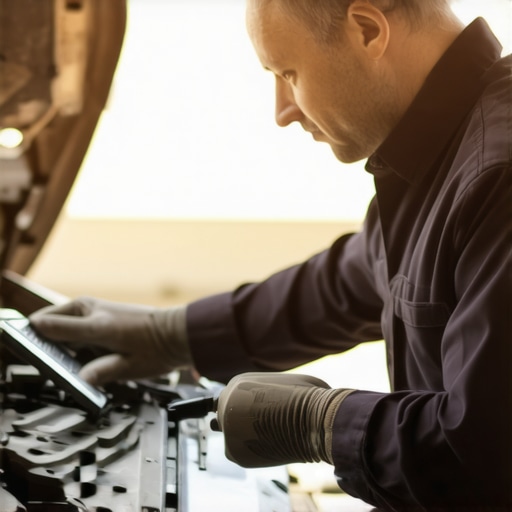
Image prompt: A professional automotive technician using a high-tech diagnostic scanner on a modern vehicle, highlighting the importance of tools in vehicle maintenance. Alt text: Technician performing diagnostics with advanced scanner; Title: Essential Tools for Lasting Vehicle Health.
**Remember**, investing in precise tools and disciplined maintenance pays off by reducing unexpected repairs and extending your vehicle’s lifespan. Try implementing a routine diagnostic check with your trusted equipment, and see the difference it makes in your auto repair workflow.
The Hidden Gems in My Repair Journey
One of the most eye-opening lessons I learned was that even minor road imperfections can cause significant electrical issues—never underestimate the power of a deep pothole to disrupt your vehicle’s delicate sensors. Another insight was that proactive inspections after hitting rough terrain save money and prevent safety hazards, a habit that transformed my approach to vehicle maintenance. Lastly, I discovered that no quick fix replaces thorough diagnostics and proper calibration, especially with the complexity of 2026 models’ electronic systems—trusting expert tools and methods makes all the difference.
Tools and Resources That Reshaped My Approach
My essential toolkit now includes a high-quality OBD-II scanner—it’s indispensable for real-time diagnostics and fault clearance, ensuring I catch issues early. I recommend advanced calibration equipment tailored to modern vehicles; without it, sensor realignment is just guesswork. The book “Auto Repair Strategies 2024” has broadened my understanding of electronic system repairs. Finally, staying connected with manufacturer updates through official software platforms ensures my vehicle’s systems are always up to date, stabilizing advanced sensors and controllers effectively.
Embrace the Power of Action and Knowledge
Your vehicle’s safety and performance depend on proactive care, especially as processes evolve with vehicle technology. Don’t wait for warning lights or mechanical failures—integrate regular diagnostics and calibration into your routine. With the right tools and mindset, you can handle pothole aftermaths confidently and keep your 2026 model running smoothly for years to come. Are you ready to take control of your auto repair journey and stop surprises before they happen? Share your experiences below—let’s learn together!
This article hits close to home because I recently experienced the brake warning light flickering after going over a particularly deep pothole in my neighborhood. I never realized how much such a bump could loosen or damage sensitive electrical components like brake sensors, especially in newer vehicles like the 2026 models. Your tips on inspection and proper sensor reset are really useful; I managed to reset my sensors using an OBD-II scanner and checked for physical damage under the car. The key takeaway for me was how essential it is to perform thorough diagnostics rather than just relying on quick fixes or ignoring warning lights altogether. I’m curious, has anyone here tried professional calibration tools for their sensors versus DIY methods? Did you notice a significant difference in the longevity and performance afterward? I think proactive maintenance, like inspecting suspension components and getting sensor recalibration, can save a lot of trouble and money down the line. Would love to hear more experiences or advice from others with similar issues.
Reading this post really resonated with my recent experience after hitting a deep pothole during my commute. I initially thought it was just a minor jolt, but the alert lights on my dashboard told a different story. Your advice on visually inspecting the sensors and wiring is spot-on—I’ve learned firsthand how easy it is to overlook these small but critical vulnerabilities. What offers even more peace of mind is using a diagnostic scanner not just for clearing codes but for ongoing regular checks. Since I invested in a good quality scanner, I’ve been able to proactively monitor sensor health, which has saved me from unexpected failures. Has anyone here experienced a situation where a simple visual check missed underlying damage? I wonder if incorporating routine calibration after hitting rough roads could extend sensor life and improve overall safety. Also, I’d love to hear about different tools or techniques folks are using for re-calibration, especially for newer 2026 models. Seems like regular maintenance and early detection truly make a difference in avoiding costly repairs down the line.