
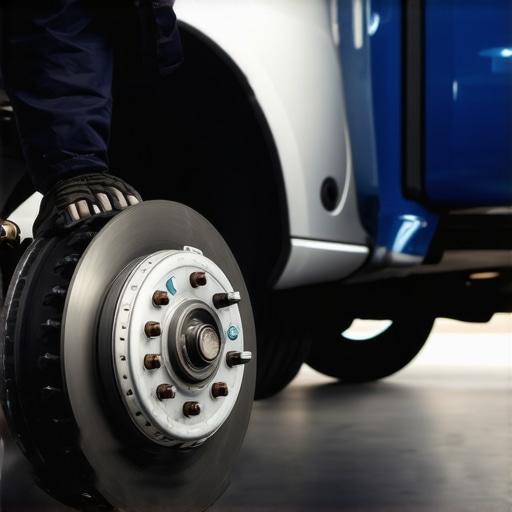
I remember the day my car squealed loudly during a sudden stop, sending a jolt of panic through me. It was a wake-up call—my brake system wasn’t as reliable as I thought. That moment made me realize how easy it is to overlook critical maintenance until it’s almost too late. Now, I’ve learned that staying ahead with top-notch brake and transmission care isn’t just about avoiding annoying noises; it’s about ensuring safety on every trip.
In 2024, vehicle safety is more crucial than ever. With busy schedules and unpredictable road conditions, a sudden brake failure or transmission slip can turn a normal drive into a nightmare. But here’s the good news: many issues are preventable with simple, proactive tips. Today, I promise to share practical, proven strategies to keep your vehicle running smoothly and safely.
Why Proper Maintenance Is a Must in 2024
Regularly inspecting and maintaining your brakes and transmission might seem tedious or expensive, but neglect can lead to costly repairs or dangerous accidents. The truth is, your car’s braking system and transmission are like the heart and backbone of your vehicle—they need attention to keep you safe.
A surprising fact from the National Highway Traffic Safety Administration states that nearly 22% of car crashes involve braking issues. That statistic underscores how vital it is to prioritize brake maintenance. Conversely, transmission problems can cause a vehicle to stall unexpectedly, risking your safety and others’. Trouble might start subtly—sluggish shifts or odd noises—but ignoring these signs can lead to complete system failure.
Have you ever experienced a sudden brake warning or a hard-to-shift transmission? If so, you’re not alone. Many drivers overlook early warning signs, only to face costly repairs or roadside breakdowns later. Trust me, early detection and proper upkeep save money and, more importantly, lives.
By adopting the right maintenance routine, you can avoid the common pitfalls that compromise safety. Next, we’ll dive into specific tips and checklists to tackle brake and transmission care effectively, so you can drive confidently into the future. Ready to get started on a safer, smoother ride? Let’s go!
Conduct a Visual Inspection of Brake Components
Start by parking your car on a flat surface and engaging the parking brake. Remove the wheels to access the brake system—use a jack and proper tools for safety. Examine the brake pads for wear; if they are less than a quarter-inch thick, it’s time for replacement. Check for uneven wear or cracks on the rotors, which can indicate issues that require professional service. While inspecting, look for signs of leaks or corrosion on brake lines that could compromise safety. This basic visual check often caught a worn pad I missed during routine driving, which prevented further damage.
Test Brake Fluid and Replace if Necessary
Brake fluid absorbs moisture over time, diminishing braking effectiveness. Open your hood and locate the brake fluid reservoir. Check the fluid’s color—if it’s dark or cloudy, it’s time to flush and replace. Using a clean syringe or turkey baster, remove old fluid from the reservoir and refill with manufacturer-recommended brake fluid. This simple step can prevent brake failure caused by fluid contamination. I once performed this during a weekend, and noticing the dark fluid prompted an early replacement that prevented a potential brake failure on the highway.
Inspect Transmission Fluid and Change When Due
Park your vehicle on a level surface and warm up the engine to operating temperature. Using your owner’s manual, find the transmission dipstick (for automatic transmissions). Pull it out, wipe with a clean cloth, then reinsert and remove again to check fluid level and condition. The fluid should be pinkish and free of debris. If it’s dark, smells burnt, or the level is low, it’s time for a transmission service. During my recent check, I found the fluid was dark and contaminated, and replacing it improved shifting performance notably. Regular transmission fluid changes can improve transmission longevity and prevent costly repairs. For detailed guidance, visit top transmission brake services.
Schedule Professional Brake and Transmission Services
While DIY checks help identify issues early, routine professional inspections ensure comprehensive safety. Schedule a service appointment before the peak driving season or if you notice signs like squealing brakes or slipping gears. Professionals can perform in-depth diagnostics, replace worn-out parts, and ensure systems operate harmoniously. Remember, proactive maintenance now can save you from future breakdowns or accidents. For expert assistance, explore expert brake and transmission services.
Keep a Maintenance Log and Follow Manufacturer Guidelines
Track your maintenance activities, including dates, mileage, and services performed. Refer to your owner’s manual for recommended service intervals. Staying organized helps you anticipate when to replace fluids or parts, preventing neglect. I started recording my vehicle’s maintenance schedule, which made subsequent inspections faster and more effective—leading to better safety on every trip. Using proper checklists, like the ones available at best brake and transmission tips, ensures you don’t overlook critical steps.
While many drivers rely on routine checks and trust mechanics for essential repairs, there’s a nuanced aspect of car service that’s often misunderstood—especially regarding brake and transmission care. Contrary to popular belief, more frequent service isn’t always better; sometimes, waiting for symptoms to appear can lead to costly damage. Experts warn that following a rigid maintenance schedule without considering actual vehicle usage or manufacturer guidelines can be a trap that compromises safety and efficiency. For instance, blindly replacing transmission fluid every 30,000 miles, regardless of vehicle age or driving conditions, might be unnecessary and even harmful. A comprehensive diagnostic approach, rooted in understanding the specific demands of your car, often provides more value than generic advice; this nuance is supported by studies from automotive precision specialists, emphasizing tailored maintenance over periodic routine alone.
Are We Over-Maintaining or Missing Critical Signs in Auto Repair?
It’s easy to fall into the trap of over-reliance on automated alerts or scheduled services, but this can cause you to overlook early warning signs. For example, ignoring subtle changes in brake pedal feel or transmission responsiveness can culminate in failure when it’s too late. Conversely, unnecessary repairs based solely on time intervals can erode your budget and confidence. The key lies in discerning actual issues from perceived problems—using diagnostic tools and expert insights to guide maintenance. For example, a professional inspection may reveal that your brakes are still within safe limits despite a warning light. This balance between proactive diagnosis and avoiding unnecessary interventions is a core principle many neglect, leading to either complacency or overreaction. The importance of precise diagnosis is underscored by industry reports, advocating for a shift from routine-based to condition-based maintenance, which enhances safety and extends vehicle lifespan. For detailed strategies, consider reviewing top transmission and brake services that leverage diagnostic expertise.
Furthermore, many drivers believe that high-frequency service guarantees safety—this myth can be dangerous. Real-world data shows that improper service timing, such as replacing parts too early or too late, can create vulnerabilities. For example, premature brake pad replacement may lead to unnecessary costs, while delayed transmission fluid changes can cause irreversible damage. The optimal approach involves understanding your vehicle’s specific needs, which varies based on driving habits, conditions, and manufacturer’s recommendations. A recent study by automotive researchers confirms that tailored maintenance based on actual vehicle data outperforms calendar-based schedules in preventing failures and ensuring safety. So, next time you’re tempted to stick rigidly to a schedule, ask yourself—are you reacting to real signs or just following routine? Want to dive deeper? Check out this guide on optimized maintenance for safer roads. And remember—regular inspections, coupled with diagnostics, are your best tools for avoiding costly mishaps and ensuring your vehicle performs at its best.
Achieving Longevity with Proper Equipment and Techniques
Keeping your vehicle performing optimally over time hinges on using the right tools and adopting effective maintenance methods. Personally, I rely on a set of high-quality diagnostic tools like the Autel MaxiCOM scanner. This device allows me to perform advanced code reading, live data monitoring, and system testing, providing insights into engine, brake, and transmission health without immediate professional intervention. Its ability to quickly identify fault codes and sensor issues saves both time and money, enabling proactive repairs.
In addition, I recommend investing in a hydraulic brake caliper tool. This specialized equipment simplifies brake pad replacements by precisely retracting pistons in calipers, avoiding damage to components. I use this tool during DIY brake jobs because it offers control and efficiency unmatched by makeshift methods. Pairing it with a quality torque wrench ensures bolt tightness adheres to manufacturer specifications, further extending the lifespan of brake assemblies.
On the software side, subscription-based maintenance management platforms like Fleetio or Shopmonkey help organize service schedules, track parts replacements, and set reminders aligned with manufacturer guidelines. I personally utilize these systems to keep detailed logs, which are invaluable during troubleshooting or when selling the vehicle, offering proof of diligent maintenance.
Looking Ahead: The Future of Car Maintenance Tools
The trend points toward integrated IoT devices capable of providing real-time diagnostics that sync directly with your smartphone or vehicle system. As vehicle electronics become more complex, I anticipate an increasing reliance on AI-driven diagnostics, which can predict failures before signs even appear. For instance, advanced sensors may monitor brake pad wear proactively, alerting owners via smartphone notifications, facilitating timely replacements.
If you’re serious about maintaining your vehicle’s safety and performance, consider upgrading to a Bluetooth-enabled OBD-II scanner compatible with your phone, like the BlueDriver. It offers detailed reports and integration with maintenance apps, making preventive care straightforward. Plus, with diagnostic technology advancing rapidly, staying informed and equipped with the latest tools will become essential for any car owner committed to safety.
How do I maintain auto repair tools and methods over time?
Regularly clean and calibrate your tools, store them properly to prevent corrosion or damage, and stay updated on latest device firmware or software updates. Building a routine of inspecting and maintaining your equipment ensures they remain reliable and effective, directly translating to better long-term results for your vehicle’s care. For expert suggestions on optimizing your maintenance approach, explore top transmission brake services that leverage the right tools and diagnostics, guiding you towards safer driving in the long run.
What I Wish I Knew About Keeping My Car Safe
One of the most valuable lessons I learned was that patience and attention to detail in maintenance can prevent much bigger problems down the road. Ignoring small signs, like a slight squeal or delayed gear shifts, often leads to costly repairs and safety risks. Taking the time to understand your vehicle’s nuances and addressing issues early is an investment in safety and peace of mind.
Another insight is that personalized maintenance routines, grounded in your car’s specific needs, outperform rigid schedules. Every vehicle has unique requirements based on usage, environmental conditions, and age. Listening to your car and seeking professional diagnostics when something feels off can save you from unnecessary expenses and accidents.
Finally, I discovered the incredible power of quality tools and technology. Using advanced diagnostic devices and proper repair equipment not only improves repair quality but also empowers you to take more control over your vehicle’s health. This hands-on approach, combined with expert guidance, elevates your safety standards and extends your car’s lifespan.
Reading through this post really highlights how vital proactive maintenance is for vehicle safety, especially with the busy schedules most of us have in 2024. I completely agree that early detection of issues like brake wear or transmission fluid problems can save a lot of hassle—and money—in the long run. I recall a time when I ignored subtle brake pedal changes, only to face a costly repair that could have been easily prevented with routine checks. It made me realize that staying on top of these small signs is crucial for safety. I’m curious, how often do others here schedule professional inspections beyond their DIY checks? Do you find that regular professional diagnostics catch problems before they become serious? Personally, I’ve started booking seasonal inspections to complement my home checks, and it’s made me feel much more confident on the road.
This post really hits home about the importance of not overlooking small signs of brake or transmission issues. I remember a time when I ignored a slight delay in shifting gears, thinking it was just normal wear, but it turned out to be a sign of a developing problem that could have been caught early with routine maintenance. It’s easy to assume everything is fine until something major happens, but proactive checks can definitely save us money and, more importantly, ensure safety. I’ve started using a maintenance log to track fluid changes and inspections based on the manual’s recommendations, and I find it helpful to stay organized. How do others here balance DIY inspections with professional diagnostics? Do you rely more on one than the other? I’d love to hear some tips on when it’s best to let the professionals handle the more complex issues.