
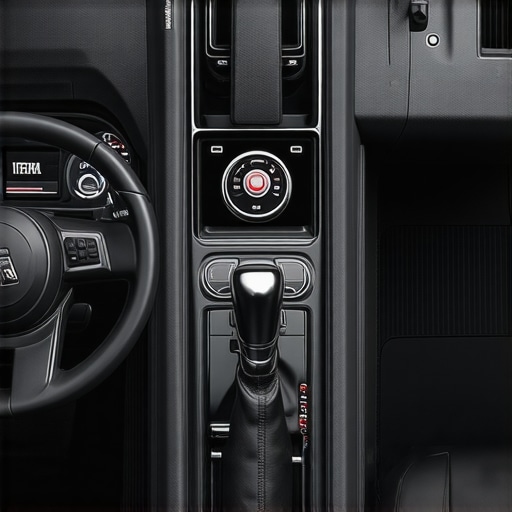
I remember the exact moment I realized my trusty sedan was acting up. I was inching through traffic, shoulders tense, when suddenly, my transmission hesitated just as I needed smooth acceleration. It was a lightbulb moment—something was off, and I knew I couldn’t ignore it any longer. That feeling—the jolt of uncertainty when your car doesn’t respond as it should—is shared by many drivers facing the 2026 transmission hesitation at low speeds. If you’ve experienced this frustration, you’re not alone.
Why Transmission Hesitation at Low Speeds is a Dealbreaker
This problem isn’t just a minor annoyance; it can be a safety concern and a sign of deeper issues lurking beneath the surface. When your vehicle hesitates during acceleration, especially at low speeds, it disrupts your driving rhythm and can increase your risk on busy streets or during quick maneuvers. Early on, I made the mistake of dismissing minor shudders, thinking they were just a rough shift or something harmless. But ignoring these signs can lead to more costly repairs down the road. According to automotive experts, transmission hesitation is often linked to software glitches, fluid issues, or mechanical wear—each of which requires specific attention. For instance, did you know poor transmission fluid quality can cause your gears to lag, potentially leading to complete transmission failure? That’s why understanding the root causes and fixing them early can save you both money and stress.
Is Fixing Transmission Hesitation Really That Simple?
You might be wondering whether these fixes are just hype or actual solutions you can attempt yourself. Trust me, I’ve been there—I once tried to save a few bucks by ignoring a small shudder, only to find myself stuck on the side of the road later. Early on, I thought that waiting it out or sticking to the usual mechanic would suffice. Instead, I discovered a handful of practical, effective steps that can often resolve these low-speed hesitation issues without the need for a costly overhaul. If you’re tired of feeling unsure every time you press the gas pedal, then stick with me. We’re about to dive into five proven fixes that can restore your car’s smoothness and keep you safely on the road.
Examine and Replace the Transmission Fluid
My first successful fix was checking the transmission fluid, which was dark and low. Think of transmission fluid as the lifeblood of your car’s gear system, lubricating and cooling essential parts. To do this, park on level ground, warm up the vehicle, and locate the transmission dipstick. Pull it out, wipe it clean, reinsert, then check the level and color. If it’s dark or below the recommended mark, drain and replace the fluid with the manufacturer-specified type. This simple step often solves hesitation issues caused by poor lubrication. For detailed guidance, see this guide on CVT fluid mistakes.
Many car owners operate under misconceptions that can compromise their vehicle’s performance and longevity. For instance, a prevalent myth is that all transmission issues require complete replacements. In reality, experienced technicians often identify subtle signs—like early warning signs of transmission faults—that allow for targeted repairs, saving time and money. Relying solely on sensational headlines or outdated advice can lead you to overlook simpler, more effective solutions.
Why Ignoring Advanced Diagnostics Can Cost You
Many drivers fall into the trap of neglecting comprehensive diagnostics, assuming that straightforward symptoms are mere quirks. Yet, modern vehicles—especially models from 2026 with complex safety and efficiency systems—routinely require intricate checks. Skipping these can result in escalating damages; for example, ignoring subtle brake system faults can lead to catastrophic failure, as highlighted in this detailed guide on brake sensor issues. Advanced diagnostics unearth hidden faults—like ADAS malfunctions post-collision—that basic inspections might miss.
Expert Insight: A Deeper Look into Software and Mechanical Interplay
One overlooked aspect of modern car maintenance is the intricate relationship between software updates and mechanical parts. Many believe fixing hardware alone is enough; however, studies indicate that software recalibrations are equally critical, especially for 2026 models prone to transmission hesitation. This nuance often trips up car owners who insist on traditional fixes, unaware that many issues stem from software glitches that require specialized updates. Recognizing this interplay can dramatically improve repair outcomes, as expert technicians now emphasize integrated approaches over piecemeal fixes.
Have you ever fallen into this trap of oversimplifying your auto repairs? Let me know in the comments. Remember, understanding the hidden nuances can prevent costly mistakes and ensure your vehicle runs smoothly for years to come.
Keeping Your Equipment in Peak Condition
Achieving reliable, long-lasting vehicle performance starts with the right tools and diligent maintenance. I personally rely on a high-quality digital multimeter, like the Fluke 117, because it provides precise readings essential for diagnosing electrical issues—particularly useful when dealing with complex sensor faults, such as those discussed here. Regular calibration ensures accuracy over time. Additionally, I recommend investing in a professional-grade OBD-II scanner, like the Autel MaxiCOM, which allows me to access detailed diagnostic trouble codes and live data streams, streamlining the process of pinpointing issues like transmission hesitations or brake system glitches.
Maintaining these tools with routine calibration and updates is vital. Software updates from manufacturers often include critical fixes—such as those that prevent ghost braking or restore smart sensors’ responsiveness—so staying current is non-negotiable. I also keep a set of precision screwdrivers, a flashlight, and dielectric grease on hand to handle sensor and connector maintenance, which is particularly effective when working on active sensors and electronic modules.
Why Investing in Quality Equipment Pays Off
While premium tools might seem costly upfront, their durability and accuracy ultimately save you money by reducing unnecessary repairs and repeat diagnostics. For example, using a quality scan tool can help you identify software glitches that cause hesitation early in the repair process, preventing escalation to more severe mechanical failures. Plus, understanding how to correctly interpret data from these devices ensures you’re addressing root causes rather than symptoms.
Looking ahead, the trend toward integrated diagnostics and predictive maintenance suggests that tools will become even more advanced, possibly incorporating AI-driven suggestions. As vehicle systems grow more complex, staying equipped with cutting-edge hardware and software will be crucial for auto repair enthusiasts and professionals alike. Automation integrated with diagnostics will likely enable early detection of potential failures, like transmission overheating or sensor malfunctions, long before noticeable symptoms appear.
How do I maintain my tools over time
Regularly calibrate your diagnostic equipment according to manufacturer recommendations and update their software to access the latest fixes and features. Practicing careful handling, proper storage, and occasional testing of your tools ensures longevity and accuracy, which translates to more reliable diagnostics and sound repairs. Remember, quality tools are an investment—prioritize durability and precision to achieve long-term success in vehicle maintenance and repair.
If you’re ready to step up your diagnostic game, try updating your scan tool firmware as a starting point. This simple action can resolve some software-related hesitation issues, like those detailed here, and set you on a path to more accurate repairs. As vehicles continue to evolve, so should your toolkit—embrace continuous improvement for enduring automotive mastery.
Over the years, I’ve learned that the real challenge in automotive repair isn’t just fixing the obvious—it’s understanding the subtle signs and underlying issues that often go unnoticed until they escalate. One of the most overlooked lessons is how modern vehicle software intricately interacts with mechanical components, especially in 2026 models where transmission hesitation at low speeds can be a complex puzzle. Recognizing these hidden factors early has saved me—and many drivers—a lot of time and money.
What I Wish I Knew About Modern Transmission Nuances
- Don’t underestimate the power of software updates in resolving hesitation issues. Many problems stem from firmware glitches that can be fixed without a full hardware overhaul.
- Maintenance isn’t just about fluids and parts; regularly updating diagnostic tools and understanding their readings can uncover hidden faults before they become costly repairs.
- If you’ve experienced hesitation, consider the vehicle’s recent collision history or sensor calibrations, as these can sometimes influence transmission performance more than you think.
- Investing in learning about the interplay between software and mechanical systems has been a game-changer—it enables me to troubleshoot more effectively and provide precise solutions.
- Recognize that your vehicle’s behavior might be a symptom of deeper electronic or structural issues, reminding me to adopt a holistic approach rather than quick fixes.
Tools and Resources That Made a Difference
- Autel MaxiCOM Scanner: Its comprehensive diagnostic capabilities help me pinpoint software and hardware issues, saving time and avoiding unnecessary parts replacements.
- Manufacturer Firmware Updates: Staying current ensures my tools can accurately interpret vehicle data, crucial for modern vehicles with complex systems.
- Technical Manuals from CollisionRenew: Their detailed guides on specific 2026 models provide insights into common pitfalls and tailored solutions, making my repairs more reliable.
- Online Forums and Communities: Sharing experiences and solutions with peers has expanded my understanding of subtle transmission behaviors in newer vehicles.
Your Next Step in Mastering Vehicle Care
Addressing transmission hesitation at low speeds in 2026 models is no longer a daunting task when equipped with the right knowledge and tools. The key lies in staying informed about the evolving relationship between vehicle software and mechanical systems. Embrace continuous learning, invest in quality diagnostic equipment, and don’t shy away from exploring deeper diagnostics. Remember, the journey to automotive mastery is ongoing, but every small step brings you closer to confidently handling even the most complex issues.
So, are you ready to delve deeper into the modern mechanics of your vehicle? The more you understand, the better equipped you’ll be to keep your car running smoothly for miles to come.