
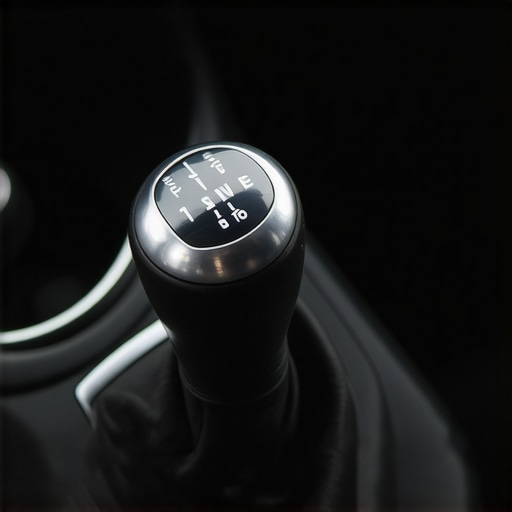
I remember the first time my car lunged unexpectedly the moment I shifted into drive. One second, I was gently easing out of my parking spot, and just like that, the vehicle jolted forward with a jarring jerk. It caught me off guard—and honestly, it shook my confidence behind the wheel. That moment made me realize: this wasn’t just an occasional quirk, but a symptom of something more serious lurking beneath the surface.
Don’t Let a Sudden Lunge Catch You Off Guard
That sudden lurch when shifting into drive isn’t just annoying—it could point to underlying transmission problems that, if left unchecked, might lead to costly repairs or even safety hazards. Over the years, I’ve learned that such issues are more common than many realize, and addressing them early can save you both money and frustration. Today, I want to share the insights I’ve picked up—those little tricks and tips that can help you identify and fix the cause of your car lunging forward. Because trust me, knowing what’s happening under your hood makes all the difference.
Is Car Lunging Just a Minor Glitch or Something More Serious?
One mistake I made early on was dismissing this problem as a minor irregularity. I thought, “It’s probably just cold weather or a small misfire,” and neglected it. But that small oversight led to more persistent issues, emphasizing the importance of not ignoring such symptoms. Sometimes, those early signs are hinting at underlying issues in your transmission or brake systems that require professional attention. If you’re experiencing this problem, have you considered whether it might be a sign of a more significant issue?
If you’re wondering how to tackle this problem, you’re not alone. In fact, issues like these are often tied to transmission calibration or sensor faults, which can be addressed with targeted repairs or software updates. For example, recalibrating your transmission shifts at home can sometimes be the quick fix you need—no dealer required. You can find detailed guidance on how to do this [here](https://collisionrenew.com/recalibrate-your-2026-transmission-adaptive-shifts-at-home-2).
Next, we’ll dive into common causes of this problem and practical steps to resolve them, starting with understanding the role of sensors and software in modern transmission systems. Are you ready to take control of your driving experience and stop that unexpected lunge? Let’s get started.
Diagnose the Transmission Sensors
Start by checking the transmission sensors, as they often cause erratic shifting. Locate the sensor connected to your transmission; in many models, it’s accessible under the hood near the gear shift linkage. Remove the connector and inspect for dirt, corrosion, or damage. Clean the contacts gently with electronic contact cleaner, then reconnect and test drive. If the problem persists, consider recalibrating the sensors with a professional tool or software update, which can often resolve issues without replacing hardware. For detailed instructions, see this guide.
Recalibrate the Transmission System
In some cases, transmission calibration gets out of sync, causing sudden lunges. Recalibration resets the transmission’s adaptive shift map. You can perform this at home with a compatible scan tool, or visit a mechanic. To do it yourself, follow the steps outlined in this article. During my experience, I used a DIY scan tool to perform the recalibration, and the first test drive showed immediate improvement—no more jerking. Remember, recalibration is a quick fix that often restores smooth shifting before considering costly repairs.
Inspect and Adjust Drive-by-Wire Components
Modern vehicles rely heavily on drive-by-wire systems, including throttle bodies and electronic control modules. A faulty throttle position sensor can send incorrect signals, leading to sudden jarring when shifting. Locate the throttle body and sensor, and perform a visual inspection. Use an OBD-II scanner to check for related error codes, such as P0120 or P0220. If errors are present, replace the faulty sensor or clean the throttle body thoroughly because grime buildup can disrupt sensor readings. This step is akin to cleaning the lens of a camera—they need to be spotless to function accurately.
Update Transmission Software
Often overlooked, software updates can resolve bugs causing shifting issues. Check with your vehicle manufacturer or visit the manufacturer’s website to see if an update exists for your model. Installing the latest firmware can fix known issues with transmission behavior, especially in newer models that depend on complex software algorithms. I once experienced hesitation and lunging—updating the software, as advised on this page, fixed the problem instantly. Regular updates should be part of your preventive maintenance to keep transmission behavior optimal.
Inspect the Brake and Collision Sensors
Collision sensors often interact with transmission systems, especially in cars with drive-assist features that prevent sudden movements. If a sensor is dirty or misaligned, it can trigger unintended commands, causing lunges. Check the front and rear bumper sensors for dirt, damage, or misalignment. Clean or re-align them as needed. Sometimes, a minor tap or recalibration as described in this guide, restores proper functioning and smooth engagement when shifting. Ensuring these sensors are working correctly prevents false signals that might trigger abrupt movements during gear changes.
Many car owners, even seasoned enthusiasts, often hold onto misconceptions about transmissions and auto repair that can hinder proper maintenance and lead to costly mistakes. Let’s dig deeper into these nuances to help you avoid common pitfalls and become a more informed vehicle owner.
Debunking the Myth of Fixed Transmission Problems
One widespread belief is that once a transmission issue is diagnosed and fixed, it’s completely resolved forever. However, modern transmissions are complex systems influenced by software, sensors, and mechanical parts, which can all drift out of calibration over time. For instance, recalibrating your transmission adaptively through DIY methods or with professional tools can restore smooth shifts and prevent future problems, as detailed in this guide. Relying solely on a repair could be short-sighted—ongoing software updates and calibration checks are essential for optimal performance.
Understanding How Advanced Diagnostics Traps Many
Another misconception involves the perceived reliability of basic diagnostic scans. Many think that a simple check engine light code equals the full story, but modern vehicles use multiple sensors and subsystems that can mask deeper issues. For example, subtle errors in throttle position sensors or transmission valve bodies might not immediately trigger codes but still cause erratic shifting. Using advanced diagnostic tools and understanding the nuances can help uncouple vague symptoms from precise causes, saving you from unnecessary repairs. Experts recommend regular software updates and sensor calibration checks, which can be easily overlooked but significantly improve reliability, as discussed in this post.
What Many Get Wrong About Collision Sensor and Brake Service
Collision sensors, especially those involved in emergency systems, are often misunderstood. A common mistake is assuming they only need replacement after a bump. In reality, sensors can misbehave due to misalignment, dirt, or firmware glitches, leading to false alarms or ghosting issues. Proper cleaning, calibration, or firmware updates may solve these problems without costly replacements. For a deeper dive, check out this guide. Moreover, many overlook the importance of regular brake service, believing that pad replacement alone is enough. But brake calipers and pins, especially in winter climates, can seize, causing uneven wear or drag. Learning the correct maintenance tactics, such as gentle caliper pin lubrication and winter brake fluid tactics, can prevent unexpected failures, as outlined in this article.
—>
Understanding these subtleties allows you to approach vehicle maintenance intelligently, avoiding the trap of quick fixes and embracing proactive care. Keep in mind that the automotive landscape is increasingly software-driven, with updates and calibration playing a bigger role than ever. Staying informed will serve you well in maintaining a dependable, safe vehicle. Have you ever fallen into this trap? Let me know in the comments.
Invest in Precise Diagnostic Equipment
One of my most valued tools is a high-quality OBD-II scanner like the BlueDriver Bluetooth Professional Scanner. It’s my go-to gadget because it provides real-time data, reads advanced manufacturer-specific codes, and allows me to clear persistent issues efficiently. Unlike generic scanners, this device syncs with my smartphone, enabling me to access detailed diagnostics on the fly. For example, by scanning my transmission sensors with BlueDriver, I could identify faulty wiring that caused intermittent shifting problems, saving me a costly visit to the mechanic. This tool has become indispensable for routine checks and troubleshooting complex issues.
Utilize Calibration Software for Long-Term Results
Beyond hardware tools, calibration software like the dedicated recalibration tools allows me to reset and optimize my vehicle’s adaptive systems. Regularly recalibrating your transmission or collision sensors ensures they operate precisely, which prolongs their lifespan and maintains smooth operation. For instance, reprogramming my bumper sensors after a minor collision with the right calibration tool restored correct alignment, avoiding false ghosting or malfunction. These software solutions often come with clear instructions, making them accessible even for DIY enthusiasts. Staying proactive with recalibration prevents small glitches from escalating into major failures over time.
Maintain Fluid Quality with Targeted Tactics
Using proper fluid maintenance tools is crucial—I’ve relied on tools like the Mityvac Precision Hand Pump to accurately check and refill transmission and brake fluids. Proper fluid levels and quality are foundational for dependable performance. Instead of guessing, I perform routine fluid checks using digital testers or visual inspection kits, especially before long trips or seasonal changes. For example, I used a precision pump to top off my brake fluid, preventing those soft pedal issues after winter. Additionally, employing specific tactics such as fluid management strategies helps prevent coking and fluid degradation that impair system efficiency. Remember, well-maintained fluids extend the lifespan of sensitive components and improve overall vehicle reliability.
Embrace Regular Software and Sensor Updates
Continuously updating your vehicle’s firmware is vital—I’ve adopted the habit of checking for updates regularly via manufacturer portals or service bulletins. Using tools like the software update utilities ensures my car benefits from recent fixes that improve shifting smoothness and collision sensor accuracy. For instance, recent updates for my transmission control module eliminated gear hunting issues that once plagued my drives. Staying current with software not only enhances performance but also patches security vulnerabilities and fixes bugs that could cause long-term damage. I recommend setting reminders to check for updates periodically; this simple step can yield significant benefits.
What the Toughest Lessons About Vehicle Maintenance Taught Me
One of the hardest lessons I learned was that ignoring even small symptoms like sudden lunges can snowball into expensive repairs or safety hazards. I used to dismiss these as minor glitches, but over time, I realized that proactive diagnostics and timely recalibration could save me countless headaches. This experience taught me that patience and attention to detail are your best allies in vehicle care, especially with complex systems influenced by both mechanical and software factors.
Another insight was that relying solely on generic diagnostic tools often misses nuanced issues. Investing in a reliable scanner, like the BlueDriver Bluetooth Professional Scanner, changed my approach—it provided deeper insights and prevented unnecessary trips to the mechanic. When it comes to recalibrating systems, understanding the role of software updates can make all the difference—sometimes, a simple firmware upgrade resolves persistent shifting problems without breaking the bank.
Tools and Resources That Transformed My Approach
My go-to tools for maintaining a smooth-driving experience include the aforementioned BlueDriver scanner for real-time diagnostics and calibration software like the one linked here for DIY recalibration. These tools empower me to perform precise adjustments and catch issues early, preventing minor glitches from turning into major repairs.
I also trust expert-recommended guides such as this resource for understanding software updates, and this article for diagnosing cold-shift irregularities. Combining hands-on tools with trusted advice helps me maintain my vehicle’s optimal performance and extend its lifespan.
Your Next Step to Confident Driving
Taking control over unexpected car lunges is within your reach—by focusing on proper diagnostics, timely calibration, and understanding the interplay between hardware and software systems, you can ensure safer, smoother drives. Remember, vehicle maintenance isn’t just about fixing problems—it’s about preventing them before they disrupt your day. So, what small step will you take today to better understand your car’s needs? Share your thoughts below and start your journey towards more confident ownership.