
Ever been stuck in traffic, feeling that uncomfortable heat creeping up your neck, only to glance at your engine temperature gauge and see it spike unexpectedly? I remember a hot summer day vividly—my car’s temp gauge surged, and I suddenly felt a wave of panic. That moment was a real lightbulb for me about how little I knew about maintaining my cooling system and the importance of proper flush intervals. It made me realize that what I’ve been told—and believed—for years about cooling system flushes might not be the full story.
Why Ignoring Your Cooling System Can Cost You Big Time
Let’s be honest—car maintenance often feels like a puzzle wrapped in mystery. We hear about oil changes, tire rotations, and brake checks, but cooling system flushes? That one tends to fall through the cracks. I used to think that as long as my car ran smoothly, I was doing okay. But a simple mistake early on taught me otherwise: neglecting timely coolant flushes can lead to sediment buildup, corrosion, and ultimately, costly engine repairs.
Understanding the right interval for flushing your cooling system isn’t just about following a schedule; it’s about preventing breakdowns before they happen. For example, did you know that according to CollisionRenew, engine temperature spikes during idle are often linked to coolant degradation? That’s right—your coolant has a lifespan, and ignoring this can turn a small problem into a full-blown engine failure. This is why knowing the proper flush schedule and signs of coolant deterioration is critical for every car owner.
Now, you might be thinking, “Is this really a big deal? Do I really need to flush my cooling system every few years?” The answer is yes—and no. The ideal interval can vary based on your vehicle and driving habits, but no matter what, staying informed can save you a boatload of money and stress in the long run. But here’s the catch: many folks—even seasoned drivers—miss early warning signs or follow outdated advice, which can cause more harm than good.
When I first neglected my cooling system, I dismissed the importance of regular flushing. That was a mistake. I learned the hard way that coolant isn’t just water and antifreeze—it’s a complex chemical blend that breaks down over time, becoming less effective at transferring heat and preventing corrosion. Failing to replace it as recommended can cause sediments to settle, clogging the radiator and hoses, and even leading to engine overheating. So, ensuring your cooling system is serviced at the right intervals is a key step in keeping your engine healthy and your wallet happy.
Are Flush Intervals Just a Money Grab or Really Necessary?
Early in my repair journey, I made the mistake of dismissing coolant flushes as unnecessary maintenance—just another way for shops to make extra cash. But I quickly discovered that assuming your coolant lasts forever is a costly gamble. The truth is, coolant has a finite lifespan, usually between 2 to 5 years, depending on your driving conditions and the type of antifreeze used. Ignoring these guidelines could cause corrosion inside your radiator and engine blocks, leading to leaks or even engine failure, which can become a nightmare to repair.
This is why understanding the real importance of flush intervals is so crucial. Think of it like giving your engine a detox—removing old, sludge-laden coolant so it can function efficiently. If you’re unsure about when to schedule your next flush, check your owner’s manual or consult a trusted mechanic. The key is proactive maintenance, not reactive repairs, which can cost hundreds or even thousands of dollars.
Now that I’ve laid the groundwork, let’s dive into how to determine the right flush interval for your specific vehicle and what signs to watch out for. Are you ready to take control of your cooling system and avoid those costly breakdowns? I sure am, and I’ll show you how to do it in the upcoming sections.
Drain and Refill with the Right Coolant
Begin by safely parking your vehicle on a level surface, turning off the engine, and letting it cool completely. Locate the radiator drain plug—usually at the bottom of the radiator—and place a container underneath. Open the drain valve to release old coolant. I once overlooked this step, and hot coolant splashed, causing minor burns. After draining, close the valve and refill with a mixture of distilled water and the recommended antifreeze as specified in your owner’s manual. Using the correct coolant type is crucial; mixing incompatible antifreeze can cause sediment buildup and corrosion, leading to overheating.
Flush the Cooling System Effectively
Next, connect a garden hose to the radiator fill neck to flush out residual debris and sediment. Turn on the water at a low flow—nothing too forceful—to avoid damaging radiator fins. Run the engine with the heater on for about 10 minutes while the water circulates, then drain the system again. This process helps dislodge stubborn deposits that can block coolant flow. I learned this the hard way when neglecting a system flush led to overheating during a highway trip. Regular flushing prevents sediment accumulation, much like clearing out a clogged artery keeps blood flowing smoothly.
Perform Sensor and Hose Inspections
While the system is cold, inspect hoses for cracks, bulges, or leaks—like checking the veins in your body for blockages. Replace any damaged hoses immediately to prevent leaks that can cause coolant loss or air pockets, which impair heat transfer. Also, verify the radiator cap’s seal—if it’s cracked or not sealing properly, it won’t maintain pressure, reducing boiling point and risking overheating. Think of this as ensuring your engine’s blood pressure is steady to avoid internal damage.
Test Coolant Temperature and Monitor for Spikes
After refilling, start your engine, let it warm up, and keep an eye on the temperature gauge. Spikes during idle, especially after flushing, can indicate trapped air or insufficient coolant—similar to a fever indicating an infection. If you notice rapid temperature rises, bleed the system to remove air pockets by opening the bleed valve or squeezing radiator hoses. Once the engine stabilizes at the normal operating temperature, you can be confident your cooling system is functioning properly. Regular checks like this are akin to monitoring your vital signs—they tell you how well your engine is doing.
Schedule Future Maintenance
Mark your calendar for the next coolant replacement—generally every 2 to 5 years—depending on your driving conditions. Keep a record of the dates to track when maintenance was last performed. Don’t ignore subtle signs like coolant discoloration or a sweet smell inside the cabin, which could indicate leaks or hose failures. Being proactive now saves you from emergency repairs later, much like preventative healthcare keeps you out of the emergency room. Remember, simple corrective actions today can prevent major engine damage tomorrow, extending your vehicle’s lifespan and saving money in the long run.Many car owners believe that all transmission issues are due to simple fluid problems or that small repairs can be ignored until they become emergencies. However, as an auto repair enthusiast and seasoned mechanic, I can tell you that these assumptions often lead to costly mistakes. One prevalent myth is that transmission fluid doesn’t need regular replacement, but studies show that neglecting to change it at recommended intervals—typically every 30,000 to 60,000 miles—can cause metallic particles and debris buildup, accelerating wear and tear. This buildup isn’t just harmless sludge; it can impair valve operation and cause shifting irregularities.
Another common trap is assuming that a noisy brake system is always due to worn pads, ignoring the importance of brake fluid quality. Darkened, murky brake fluid, which could look like coffee, indicates water contamination and corrosion risks, significantly affecting braking performance. Regularly inspecting and replacing brake fluid is essential to maintain safe stopping power; failure to do so could result in brake failure during critical moments. For more details, check out this article.
Advanced car troubleshooting often surprises even experienced DIYers. For example, a vibration during braking might seem like warped rotors, but could actually be worn wheel bearings or a misaligned sensor. While it’s tempting to assume simple fixes, overlooking these nuances can cause perpetual issues. Consider the nuanced difference between a wheel bearing noise and a suspension problem; in hot climates or after minor collisions, these issues can be easily misdiagnosed. According to CollisionRenew, early detection of wheel bearing failure prevents dangerous wheel lockups.
Think about the transmission’s whining or groaning sounds during reverse; many dismiss these as normal or minor, but they could signal internal wear or a failing pump. Transmission problems seldom resolve without proper diagnosis, and delaying repairs could lead to complete transmission failure. A surprised mechanic myself once overlooked a subtle whining noise, only to learn later that it was a sign of imminent major overhaul. Recognizing these little signs makes all the difference.
Why do so many overlook these critical nuances? In my experience, the answer lies in a lack of advanced knowledge and over-reliance on visual cues alone. Modern car systems are complex, integrating sensors and electronic components whose failure modes are less obvious. For instance, sensor calibration post-collision is vital; a minor rear-end tap might misalign collision sensors, leading to false alerts or system failures. You can read more about sensor realignment strategies at CollisionRenew.
Making small but informed adjustments based on these insights saves money and reduces downtime. It’s not just about fixing what’s broken but understanding the deeper mechanics at play. Regularly checking fluid quality, inspecting sensors, and listening carefully to subtle noises empower you to tackle issues early. Remember, the devil is in the details—treat your car’s health with the same vigilance as your own wellness.
Have you ever fallen into this trap? Let me know in the comments.
Investing in the Right Equipment Can Save You Money and Hassle
Maintaining your vehicle’s optimal performance isn’t just about knowledge; having the right tools makes all the difference. Over the years, I’ve refined my toolkit to include specific, reliable equipment that ensures I can handle most issues before they become costly repairs. For example, I never skip checking the brake fluid, which often looks darker than it should. Using a high-quality brake fluid tester like The Brake Fluid Tester Kit allows me to instantly assess its condition and decide whether a flush is due. This proactive approach prevents corrosion and brake failure, saving hundreds in repairs.
How do I keep my car running smoothly over time?
One of my favorite tools is an OBD-II scanner. It provides real-time data and error codes directly from the vehicle’s computer, enabling me to diagnose potential issues early—like a spike in engine temperature that could indicate coolant or sensor problems. I personally prefer models that connect to my smartphone, making diagnostics accessible and easy to interpret. Keep in mind, regular assessment with an OBD-II scanner complements visual inspections such as checking for cracked hoses or worn belts, which can be overlooked but are vital for long-term health.
Beyond diagnostics, I rely on quality mechanical tools such as digital torque wrenches. Precise tightening of components like wheel lug nuts or drain plugs ensures safety and longevity. Remember, over-tightening can cause damage, while under-tightening may lead to leaks or parts coming loose.
My favorite maintenance method involves a detailed coolant flush
Utilizing a transmission funnel with a built-in filter simplifies the refill process, ensuring no debris ends up in the system. Coupling this with a flush kit allows me to thoroughly clean sediments from the radiator and hoses. I also take time to inspect the radiator cap seal and hoses, replacing any that show signs of wear. This comprehensive approach helps avoid overheating issues, especially during hot summer days when engine temperature spikes during idling are common if maintenance is neglected.
Future of Car Maintenance: Smarter, Connected, and More Precise
The trend is moving toward more intelligent tools, like AI-powered diagnostics that can predict failures before symptoms appear. My prediction is that as vehicle electronics become even more complex, integrating apps that track your maintenance schedule and alert you to upcoming services will become standard. This shift will empower car owners to stay ahead of potential issues, extending vehicle life and reducing repair costs.
For now, I recommend investing in a quality OBD-II scanner and maintaining a detailed service log. Try using your scanner to check for error codes today—it’s an excellent way to familiarize yourself with your vehicle’s health. Remember, proactive maintenance, supported by the right tools, is the best way to keep your car dependable for years to come.
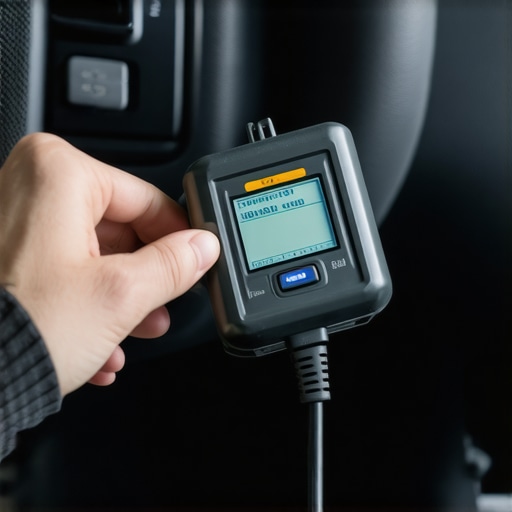
Image prompt: Close-up of a hand using an OBD-II scanner connected to a car’s dashboard, highlighting modern diagnostic tools. Title: “Harnessing Technology for Smarter Car Maintenance”. Alt text: “Mechanic scanning vehicle diagnostics with an OBD-II scanner”.
,
The Hardest Lesson I Learned About Transmission and CollisionRenew
One of the most eye-opening lessons came when I ignored small signals from my transmission, thinking they were just minor annoyances. It wasn’t until a peculiar whining noise during reverse prompted me to seek advice that I realized early warning signs could save a lot of money and stress. That experience taught me the importance of listening closely and acting swiftly—lessons I now wish I had learned sooner.
Another insight struck when I dismissed the significance of sensor realignment after a minor collision. Thinking it was a trivial fix, I postponed it, only to face issue after issue with driver-assist features and safety systems. Connecting the dots revealed how subtle misalignments can compromise vehicle safety, emphasizing that attention to detail pays off in both safety and savings.
I also discovered that trusting outdated advice about brake fluid neglect can lead to dangerous fade and failure. Regularly inspecting and replacing brake fluid, instead of assuming it’s fine, has made a tangible difference in braking performance, giving me peace of mind during every stop, especially in sudden emergency situations.
Gear Up: Essential Tools That Became My Maintenance Allies
My toolkit wouldn’t be complete without a quality OBD-II scanner. It’s an eye-opener that allows me to catch issues early—like detecting a coolant sensor malfunction that could spike engine temperature. Coupling this with a reliable torque wrench ensures that every bolt is secured to factory specs, preventing future leaks or parts failures. For checking fluid quality, I trust a respected brake fluid tester kit—simple, yet vital for maintaining safety and vehicle longevity. These tools have transformed my approach from reactive repairs to proactive care, saving time and money in the process.
Investing in a dedicated coolant flush kit has been a game-changer. It streamlines the process, making thorough system cleaning manageable even for a DIY enthusiast. When combined with diagnostic tools, they empower me to maintain my car’s health confidently, knowing I’m addressing the root causes rather than just surface issues.
Seize the Moment: Drive Your Car Care Forward
The journey toward smarter, more confident vehicle maintenance is ongoing. Every step you take—whether it’s regular coolant flushes, sensor checks, or investing in the right tools—solidifies your role as the guardian of your vehicle’s health. Remember, staying proactive not only prolongs your vehicle’s life but also keeps you safer on the road. Your commitment today will pay dividends in reliability and peace of mind tomorrow. So, why wait? Start implementing these insights now, and transform your car maintenance from a chore into a rewarding routine.