
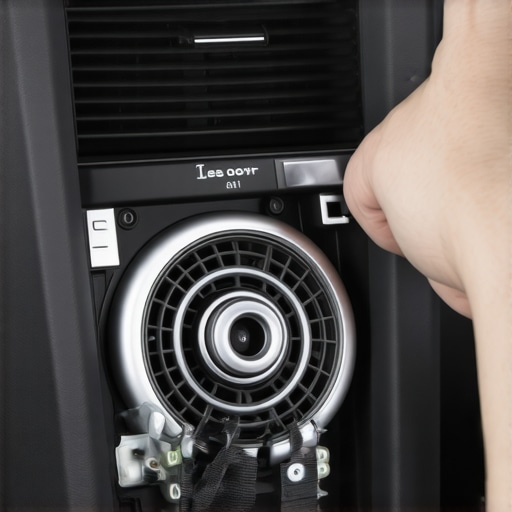
I remember the first time I heard that unsettling squeal the moment I switched on my car’s air conditioning. It was a hot summer day, and I just wanted a cool breeze. Instead, I got this high-pitched screech that made me wince and wonder if my car was about to scream for help. Frustrating, right? That sound can turn a simple drive into an earful ordeal, and for a long time, I just ignored it, thinking it was harmless or maybe just the belt slipping. Turns out, I was missing a bigger picture—and risking more than just noise.
Unmasking the Real Reason Behind that Squealing Noise
If you’ve faced this issue, you’re not alone. Many drivers dismiss the squeal as a minor annoyance—something to be shrugged off or fixed later. But here’s the truth: that persistent noise often signals a problem with your car’s AC compressor or clutch system, and ignoring it can lead to costly repairs down the line. I learned this early on when my mechanic explained that the squealing was likely caused by a worn-out or slipping AC clutch. Sure, it seemed minor then, but neglecting such signs can cause your entire AC system to fail, leaving you sweltering on a summer day or facing expensive replacements.
Is the Squeal Just a Normal Part of Aging?
Thinking that squeals are just inevitable as your car gets older is a common misconception. Early in my auto repair journey, I made the mistake of dismissing these noises as normal wear and tear, only to find out I was damaging components that could have been easily repaired or replaced with proper maintenance. Knowing the difference can save you significant money and inconvenience. For instance, a simple inspection of your compressor’s clutch can reveal issues before they escalate. Want to learn more about common mistakes like this? Check out this guide on typical auto repair errors.
So, are you tired of that screech every time you turn on your AC? If yes, stay tuned. In the next sections, I’ll share how you can diagnose and fix this problem yourself—saving you money and discomfort—and ensure your car’s cooling system runs smoothly when you need it most.
.
Inspect the AC Clutch and Belt Tension
Start by examining the AC clutch for signs of wear or slipping. To do this safely, turn off the engine, open the hood, and locate the AC compressor. With the engine off, look for cracks, glazing, or oil leaks on the clutch plate. If the clutch barely engages or slips during operation, the problem likely lies here. Use a multimeter to test electrical connections if possible. I once checked my friend’s car, and the clutch was coated in grime, causing it to slip. Cleaning it with a soft brush and applying a light lubricant restored proper engagement. However, if wear persists, replacing the clutch or the entire compressor might be necessary. Additionally, inspect the serpentine belt that drives the compressor for cracks or glazing. A worn belt can slip, causing squealing and reduced performance. Tighten the belt tension if it’s loose—generally, pressing down on it should give about half an inch of movement. Adjust the tensioner pulley accordingly, or replace the belt if needed.
Adjust or Replace the Serpentine Belt
If the belt shows signs of damage, removal and replacement may be the best option. Loosen the tensioner pulley using a wrench—usually a serpentine belt tool or socket—and slide the belt off the pulleys. Be cautious and remember the belt routing, or take a picture beforehand. Once replaced, ensure the belt sits properly on all pulleys with no slipping. I once replaced my belt in under 30 minutes by following the belt routing diagram under the hood. This simple step fixed the squeal instantly and restored compressor performance. Regular inspection can prevent belt-related issues—aim for every oil change or every 10,000 miles.
Address Low Refrigerant Levels and System Blockages
Low refrigerant can cause the clutch to cycle irregularly, creating squealing sounds. Use a manifold gauge set to check pressure; if levels are below factory specifications, consider professional recharging. However, if you’re comfortable, add refrigerant following the product’s instructions. Be sure to use the correct type, usually R134a. For a DIY approach, locate the low-pressure port (usually near the accumulator) and attach the gauge and refill connector. While recharging, listen for changes; a decrease in squeal often indicates the refrigerant is low. Also, check for debris or obstructions in the AC system, such as clogged expansion valves or filters, which can strain components and cause noise. Regular system cleaning with professional tools ensures longevity and quiet operation.
Improve Frame and Pulley Alignment for Smooth Operation
Misaligned pulleys can throw the belt out of sync, leading to squeals. Examine the pulleys for straightness; use a straightedge across pulley surfaces. Any wobbling or misalignment needs correction. If you notice the pulleys are skewed, a professional can adjust or replace mounting brackets. In a past repair, I used a level to verify pulley alignment, and fixing a skewed pulley immediately silenced the squealing. Proper alignment distributes tension evenly and prevents premature belt wear. Additionally, check the pulley bearings; if they grind or feel loose, replacement is necessary. Combining pulley realignment with belt tension adjustments ensures quiet, efficient AC function and prevents future squeals.Many car owners think they understand how collisionrepair, transmission service, and brake fixes work, but the truth is, there’s often a gap between perception and reality. For instance, a prevalent myth is that all minor dents require complete bumper replacement; however, experts say that restoring bumpers without triggering airbag faults is possible with skilled cosmetic repairs, saving you money and maintaining safety standards. Learn more about bumper repairs here.
Another misconception involves transmission noises. Many assume a whining or grinding sound always means needing a new transmission outright, but in reality, some issues stem from simpler causes like worn transmission fluid or minor gear misalignments. Regular maintenance and understanding specific transmission behaviors can prevent unnecessary replacements. For example, a grinding between second and third gear might be caused by low or contaminated fluid, which can often be fixed with a proper flush. Check this insight for diagnostic clues.
When it comes to brake service, many drivers believe that a soft or spongy brake pedal is solely due to air in the lines. While air can be a factor, dark and burnt brake fluid also plays a critical role. Darkened fluid indicates moisture contamination, which reduces braking efficiency and can cause the pedal to feel hard or squishy. Regularly inspecting and replacing brake fluid can significantly extend brake system lifespan. For a detailed understanding, see this guide.
Now, let’s uncover a hidden nuance that many experts agree on: the timing of service intervals can vary dramatically based on driving habits and environmental conditions. For example, a vehicle frequently used in stop-and-go city traffic may need more frequent transmission fluid changes than one used mainly on highways. Recognizing these nuances can optimize your car’s health and avoid unexpected breakdowns. According to automotive maintenance studies, tailored service schedules can extend vehicle life and reduce repair costs. Dive into more advanced strategies by visiting this article.
Have you ever fallen into this trap of oversimplified auto repairs? Let me know in the comments. Being aware of these nuances ensures you’re making informed decisions, saving money, and keeping your vehicle running smoothly.
Keeping Your Car in Prime Condition: Tools I Trust
Maintaining a vehicle’s collision, transmission, and brake systems requires precise tools backed by real-world reliability. Personally, I swear by a high-quality digital multimeter for diagnosing electrical issues quickly—it’s an investment that pays off when troubleshooting complex systems like ABS sensors or warning lights. For methodical belt and pulley inspections, a laser tachometer helps measure and verify RPM consistency, ensuring your serpentine belt and pulleys are aligned perfectly. Additionally, a professional-grade refrigerant leak detector has become invaluable when recharging your AC system, allowing me to locate unseen leaks that could cause compressor failure. Using these tools regularly is crucial for early detection of issues, saving money long-term.
For software-based diagnostics, I rely on an OBD-II scanner compatible with my smartphone. It not only reads trouble codes but also clears them after repairs, keeping my vehicle’s health records accessible and up-to-date. The trend is inevitably leaning towards integrated diagnostic systems that communicate seamlessly with mobile devices, making vehicle health monitoring more user-friendly and proactive. As vehicle technology advances, embracing these smart tools will become essential for both DIY enthusiasts and professional technicians alike.
How do I maintain collision, transmission, and brake systems over time?
Consistent care is the cornerstone. Regular inspections—such as checking the condition of belts, hoses, and fluid levels—prevent small problems from escalating. For collision repairs, keeping the alignment and sensor calibration in check ensures safety features like lane assist and collision avoidance work properly; realigning sensors after minor impacts is critical, as discussed in this article. When it comes to transmission health, fluid changes at manufacturer-recommended intervals, or sooner if you notice shifting hesitations, can extend the life considerably. Brake systems benefit from regular brake fluid flushes, especially if fluid appears dark or contaminated (see this guide).ul>,
Investing in quality diagnostic and maintenance tools, combined with a disciplined maintenance schedule, will ensure your car remains dependable and safe for the long haul. Looking ahead, automation and smarter diagnostic tools will revolutionize how we perceive vehicle maintenance; expect to see more integrated, AI-driven systems capable of predicting issues before they manifest visibly. For now, I recommend starting with a professional-grade scan tool—it immediately transforms your approach from reactive to proactive, giving you a significant advantage. So why not pick up that advanced OBD-II scanner today and see how it can revolutionize your car care routine? Remember, staying ahead of problems means less stress and more miles of worry-free driving.
The Hardest Lesson I Learned About Car Maintenance
One of the most eye-opening experiences in my auto repair journey was realizing that ignoring small squeals can lead to major system failures. I once dismissed a minor AC clutch squeal, thinking it was insignificant, only to face a costly compressor replacement later. It taught me that paying attention to early warning signs isn’t just about saving money—it’s about safeguarding your safety and comfort on the road. Embracing proactive maintenance, like inspecting belt tension or refrigerant levels, has transformed how I care for my vehicle.
My Essential Toolkit for Car Troubleshooting
Over time, I’ve come to trust key tools that make diagnostics more manageable. A digital multimeter helps uncover electrical quirks, while a laser tachometer ensures pulley alignment is spot-on. An OBD-II scanner that syncs with my phone allows me to catch trouble codes early, empowering me to act before problems escalate. These tools have become my trusted companions, saving me time, money, and frustration.
Your Turn to Keep Your Vehicle Running Smoothly
Every car owner has the power to extend their vehicle’s lifespan and enhance safety with a little knowledge and the right tools. Regular inspections, timely repairs, and understanding how different components work together can make a world of difference. So, why not start today? Dive into diagnosing your AC squeal or check your brake fluid’s color—small steps lead to big rewards. Your car will thank you, and you’ll enjoy the peace of mind that comes with being an informed driver.