
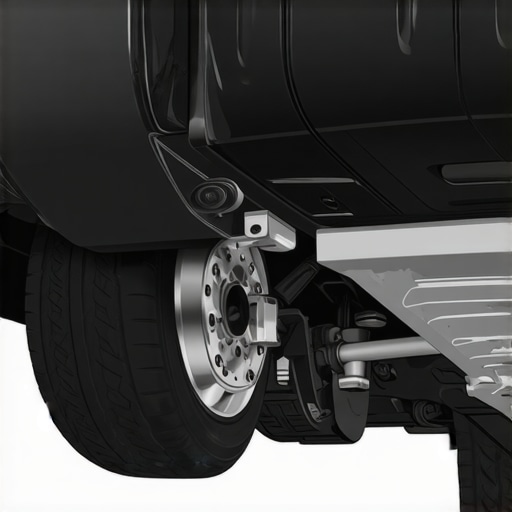
Ever been parking your car, shifting into reverse, and suddenly heard a weird crunching noise from the brake pedal? That unsettling sound can make your stomach drop. I remember the first time it happened to me — I was just trying to carefully back out of a tight spot, and instead of a smooth stop, my brake pedal emitted an unsettling grinding noise. It caught me off guard and left me wondering, “Is this serious? Should I worry about my brakes?” That lightbulb moment made me realize how common and yet how overlooked this issue truly is.
Dealing with Brake Noise in Reverse — Here’s What You’re Missing
The truth is, many drivers experience this problem but dismiss it as normal wear or a minor annoyance. However, this specific crunching when reversing often points to underlying issues that, if left unaddressed, can lead to bigger, more costly repairs.
What I’ll promise today is to walk you through the common causes of brake pedal crunching only when reversing, and more importantly, how you can troubleshoot and fix this issue yourself, saving time and money along the way.
Is scare-mongering about brake trouble justified?
Let me be honest — early on, I made the mistake of ignoring minor sounds, thinking they’d go away. That was a mistake. According to experts, unresolved brake issues can compromise your safety and lead to more expensive repairs. For example, a spongy brake pedal can be linked to uneven pad wear or brake fluid problems, which may also cause noise during reversing. Recognizing and addressing these signs early helps maintain your vehicle’s safety and performance.
Have you ever noticed this crunching sound only when shifting into reverse? If so, you’re not alone. Many drivers experience it—and it’s often a sign that something needs attention, not necessarily a total brake overhaul. That said, jumping in without understanding the cause can sometimes lead to unnecessary repairs. So next, let’s explore what might be causing your specific issue and how to pinpoint it correctly.
Inspect Brake Pads for Uneven Wear or Debris
Start by safely lifting your vehicle with a jack and removing the wheels to access the brakes. Examine the brake pads for uneven wear or debris lodged between the pad and rotor. If you notice uneven wear—meaning one pad has significantly more material than the other—or debris buildup, this could cause the crunching sound only when reversing. Cleaning the brake components with brake cleaner can remove dirt and grime that contribute to noise. When I did this on my own vehicle, I found small gravel trapped in my caliper, which I removed carefully, and the noise stopped temporarily—until the pads wore unevenly again, pointing to a deeper issue that needed addressing.
Check Brake Fluid for Darkness and Contamination
Dark, contaminated brake fluid can diminish brake performance and cause erratic noises. Locate your master cylinder reservoir, remove the cap, and inspect the fluid against a clear container or on a dipstick. If it’s dark or muddy, it’s time for a flush. Replacing brake fluid isn’t just about fluid quality—it also prevents moisture build-up that can corrode brake components. Fresh brake fluid ensures the system works smoothly, reducing noise and improving braking confidence. I noticed my brake pedal becoming spongy after ignoring this for a year; after flushing the fluid, the pedal firmed up, and reversing noise disappeared.
Adjust Your Brake Calipers and Hardware
Loose or misaligned calipers can cause the pads to drag or vibrate, resulting in noise, especially during reverse. Tighten the caliper bolts according to your vehicle’s specifications using a torque wrench to ensure proper seating. Also, inspect the hardware—clips, shims, and pins—that hold the pads in place. Damaged or worn hardware can cause pads to shift during operation, leading to crunching sounds. During one fix, I replaced corroded caliper slide pins and re-lubricated the components; this restored smooth movement and silenced the noise. If you’re unsure about torque specs or hardware condition, consult your manual or a trusted repair guide.
Replace Worn or Damaged Brake Pads
If visual inspection shows the pads are worn down past the manufacturer’s recommended minimum thickness, replacing them is your best bet. Worn pads can’t absorb shocks or vibrations effectively, causing metal-to-metal contact that results in grinding or crunching sounds. Choose quality replacements compatible with your vehicle, and ensure the new pads are properly bedded in following manufacturer instructions. I learned this the hard way after ignoring uneven pad wear, which led to more severe rotor damage and higher repair costs. Timely replacement not only stops the noise but also protects your rotors and overall braking system.
Assess and Replace Brake Rotors if Necessary
Warped or scored rotors can cause uneven contact with pads, producing noise during reversing. Remove the rotors and examine their surface for deep grooves, cracks, or warping (which may be visible as uneven thickness or a wobble). If the surface is damaged, a resurfacing (machining) might suffice, but often replacement is more economical and reliable. When I replaced my rotors, I made sure to select slotted or drilled options to improve heat dissipation, which also reduced noise and improved brake feel. Proper rotor installation, including torque tightness, is crucial for smooth braking and noise-free operation.
Verify Brake Components for Alignment and Morphology
Misaligned calipers or mounting brackets can cause uneven pad contact and noise. Check that all components sit flush and are correctly aligned relative to the rotor. If brackets are bent or damaged, replacing or straightening them restores proper positioning. Additionally, inspecting for loose bolts or damaged mounting points is vital. In my case, an initial wobble in my caliper was corrected by realignment, eliminating the reversing crunch. Regularly inspecting these parts helps prevent issues from escalating into costly repairs.
Keep your Brake System Maintained to Prevent Future Issues
Regular maintenance—such as scheduled inspections, fluid changes, and component replacements—keeps your brakes quiet and responsive. Also, avoid aggressive driving that accelerates pad and rotor wear. Learning to recognize early signs of brake trouble, like unusual noises during reverse, empowers you to act before problems become expensive. When I followed this routine, I prevented much of the surprise noise and ensured my brakes stayed reliable, especially during reversing maneuvers where issues often go unnoticed until they get worse.Many assume that professional car repair shops like CollisionRenew simply perform basic maintenance tasks, but there’s a deeper layer of nuance many overlook. One common misconception is that all brake services are equal; in reality, the quality of brake pad installation and rotor resurfacing can vary greatly, impacting longevity and safety. Relying solely on routine checks without understanding the intricacies of component wear can lead to premature replacements or overlooked issues, like uneven pad wear caused by caliper misalignment. Moreover, the myth that dark brake fluid isn’t urgent can be costly—dark, contaminated fluid can corrode internal parts, emphasizing the importance of regular flushes as highlighted in expert analyses. Advanced diagnostics have revealed that sometimes, what appears as a transmission slipping might actually be issues with engine mounts or fluid pressure inconsistencies—a reminder that surface symptoms often mask deeper systemic problems. Don’t fall for the trap of assuming that quick fixes or generic solutions will suffice; genuine expertise involves diagnosing root causes, not just symptoms. For instance, if your brake pedal feels spongy, it could be linked to hidden air bubbles or moisture in the system, which can be effectively resolved by skilled technicians following proper bleeding procedures.
What Advanced Techniques Can Improve Long-Term Vehicle Reliability?
Incorporating precise calibration and alignment post-repair ensures parts like bumpers or steering components function as intended, avoiding secondary issues. Studies from automotive engineering research, such as those published in the Journal of Vehicle Safety, underscore that meticulous attention to hardware torque and component positioning substantially reduces repeat visits. So, next time you consider a repair, ask whether the technician employs these advanced practices—it’s an investment in your vehicle’s durability. Have you ever fallen into this trap? Let me know in the comments.
Keeping Your Auto System in Top Shape
Consistency is key when it comes to vehicle upkeep. I rely heavily on specialized tools and software to diagnose and fix issues efficiently, saving time and money. For example, investing in a high-quality OBD-II scanner like the BlueDriver Bluetooth Pro has transformed how I handle diagnostics — it provides comprehensive reports and live data streams that pinpoint problems accurately, such as misfires or sensor faults. This device connects seamlessly with my smartphone, enabling me to run quick tests and clear error codes on the go, which keeps my vehicle running smoothly over the long haul.
Another invaluable tool is a digital multimeter. I use mine daily for testing battery health, electrical circuits, and continuity — crucial when dealing with components like alternators or starters. Having a reliable multimeter with auto-ranging capabilities simplifies troubleshooting, especially for intermittent issues that aren’t obvious visually. Additionally, quality safety gear like gloves and goggles can’t be overlooked; they protect you during repairs, especially when handling brake components or replacing fluids.
How do I maintain car health over time?
Regularly scheduled inspections combined with advanced diagnostic tools ensure that minor problems don’t escalate into costly repairs. For instance, routinely checking brake fluid with a dedicated tester—like the ones described here—helps identify contamination early. Keeping a detailed maintenance log, either digitally or in a dedicated notebook, helps track service intervals and component wear patterns, making it easier to plan proactive replacements.
In terms of software, apps like OBDLink or manufacturer-specific diagnostics can offer real-time data and alerts. These platforms are evolving rapidly, integrating predictive analytics that forecast when parts might fail based on driving habits and sensor readings. This trend suggests that in the future, your vehicle could proactively inform you about maintenance needs—much like a health tracker for your car.
The importance of long-term planning
Prioritizing preventive maintenance, such as timely brake pad replacements or brake fluid changes, helps extend component lifespan and maintains safety margins. Plus, staying updated with manufacturer recalls and technical service bulletins through online forums or dealership notifications can prevent unexpected breakdowns. Remember, using the right tools combined with a disciplined schedule allows your vehicle to serve reliably for years to come.
Looking ahead, I predict that automation and AI-driven diagnostics will become standard in vehicle maintenance, enabling even amateur enthusiasts to undertake complex repairs with remote guidance. In the meantime, mastering tools like an OBD-II scanner and establishing routine inspections are your best bets for keeping your car running at peak performance long-term.
Uncover the Hidden Lessons from My Brake Repair Journey
- Sometimes, what seems like a minor noise can be a sign of a deeper issue—ignoring it might save money now but cost much more later. My experience with reversing crunching noises taught me to listen carefully and act promptly.
- Using simple tools like brake cleaner and a flashlight can reveal debris and uneven wear that cause brake noises. I realized that knowledge and a few basic tools empower you to handle many common brake issues yourself.
- Regularly inspecting brake components and fluid can prevent emergency repairs. Adopting a maintenance routine has helped me and many others stay ahead of costly brake failures.
Diving Into the Toolbox for Long-Term Brake Peace of Mind
- BlueDriver Bluetooth Pro: This diagnostic scanner provides comprehensive data that help identify hidden issues early, saving you from surprise breakdowns and expensive repairs.
- Brake Caliper Pliers: Essential for freeing stuck calipers and ensuring proper pad alignment, this tool made my brake adjustments smoother and more reliable.
- Quality Brake Lubricant: Using a good lubricant on sliding parts prevents squeaks and uneven wear, extending the lifespan of your brake system.
- Service Manual or Expert Guides: Resources like repair manuals or trusted online guides ensure you’re following safe, proper procedures and understanding your vehicle better.
Your Push to Take Control of Vehicle Care
Understanding and addressing brake noise, especially during reversing, isn’t just about saving money—it’s about safeguarding yourself and loved ones on the road. By applying these insights and tools, you become an active participant in your vehicle’s health, turning potential worries into confidence. Remember, proactive maintenance today paves the way for smoother drives tomorrow. Don’t wait for a squeal to become a costly repair—take charge now and keep your brakes whisper-quiet and reliable. Have you ever caught a small brake issue before it became a big problem? Share your story below and let’s learn together.