
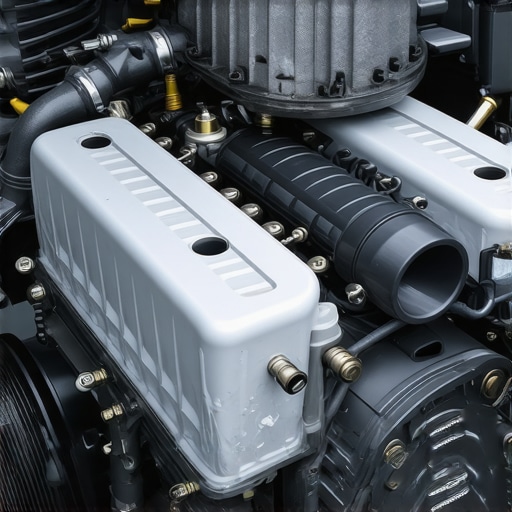
It was a typical Saturday morning, the sun barely peeking through the curtains, when I turned the key in my car and immediately regretted it. Instead of the familiar purr of my gas engine, a loud, rumbling noise erupted—like I was driving a diesel truck. My stomach sank. I’d been there before, stuck wondering why my engine’s worst impression was that of a heavy-duty workhorse. If you’ve experienced that unsettling growl, you’re not alone.
How a Gasoline Engine Turns Diesel-Deep NOISE
In my early days tinkering with cars, I underestimated just how much a simple issue could make a gas engine sound like a diesel. This isn’t just an oddity; it can point to underlying problems that might be affecting your car’s performance and longevity. Luckily, through trial, error, and plenty of garage hours, I’ve learned how to identify and fix this common issue.
But why should you care? Because that diesel growl isn’t just a noise nuisance—it could be a sign of something more serious, like incomplete combustion or a clogged air filter. These problems can lead to reduced fuel efficiency, engine damage, or even costly repairs down the line. Recognizing the root cause early on saves you money and prevents breakdowns.
Now, I’ll walk you through what’s really happening when your engine sounds like a diesel and how you can troubleshoot it yourself. Spoiler: It’s often a fix as straightforward as checking your spark plugs or cleaning your fuel injectors. Stay tuned.
Is This Just a Bad Sound or a Warning Sign?
Early on, I made the mistake of dismissing that deep engine noise as just a quirky sound. That was a mistake. Ignoring the symptoms can lead to more severe engine problems. That’s why I recommend paying close attention to any unusual noises—because these are often your car’s way of telling you something isn’t quite right. Want to understand the subtle clues your engine gives? Check out this guide on diagnosing strange sounds under your dashboard to get started.
Have you noticed your engine making a strange, dull roar that resembles a diesel? If so, it’s time to act before the problem worsens. The good news is that many of these issues are simple to diagnose and fix if you know what signs to look for. Next, let’s explore what might be causing your engine’s unexpected deep voice—so you don’t have to guess what’s wrong every time.
By understanding what’s behind that roar and taking proactive steps, you can return your car to its smooth, gas-powered hum. Ready to get your engine sounding right again? We’ll start with common causes and practical troubleshooting tips that will save you time and money.
Check the Spark Plugs and Ignition System
Start by inspecting the spark plugs, which are like the ignition team’s quarterback—they spark the combustion process crucial for smooth engine noise. Remove each plug and look for signs of fouling or wear, such as carbon deposits or cracks. If any plug appears damaged, replace all plugs to ensure consistency. I once replaced a single worn-out spark plug on a weekend project, and it immediately reduced that diesel-like growl, restoring a harmony to my engine’s tone.
Clean or Replace Fuel Injectors
Next, focus on your fuel injectors—they’re like the delivery drivers ensuring precise delivery of fuel into the cylinders. Over time, dirt and carbon buildup reduce their efficiency, causing incomplete combustion and loud noises. Use a specialized injector cleaning kit or have them professionally serviced. I once used a fuel injector cleaner additive; after a full tank, the engine sounded much cleaner, and my gas mileage improved noticeably. For detailed guidance, visit this diagnostic guide.
Inspect the Air Intake System
Your engine breathes through the air filter, which can become clogged much like a stuffy nose. Remove and examine the filter—if it’s dirty or clogged, replace it. A fresh filter allows proper airflow, reducing that deep rumble. I once cleaned a filter that was so caked with dirt, it sounded like I was running a tractor—once replaced, the engine tone normalized. Also, check the intake hoses for cracks or leaks, as these can disrupt airflow and cause noise irregularities.
Synchronize Timing and Sensors
Misaligned timing or malfunctioning sensors can lead to rough engine sounds. Use a diagnostic scanner to check for error codes related to the camshaft or crankshaft position sensors. Correcting timing issues is akin to tuning a musical instrument—proper synchronization results in a harmonious engine sound. During my last repair, I replaced a faulty sensor, which instantly eliminated the diesel growl and improved my engine’s responsiveness. For troubleshooting tips, see this resource.
Ensure Proper Exhaust System Operation
The exhaust system expels harmful gases and influences engine noise. Check for leaks, holes, or rusted-out sections. Tiny leaks can turn your engine’s hum into a cacophonous growl. Replacing damaged mufflers or seals can restore a clean, refined sound. I once patched a tiny hole in my exhaust with high-temperature repair tape, which subdued the noise temporarily, but a full replacement restored my engine’s peaceful hum. Regular inspections prevent small issues from escalating into costly repairs.
When it comes to car maintenance, there’s a lot of misinformation circulating, often leading drivers to make costly mistakes. One widespread myth is that all brake pads are interchangeable, but in reality, choosing the wrong type can compromise safety and braking performance. Many assume that topping off fluids is sufficient, yet neglecting to perform scheduled replacements or diagnoses can result in component failure. It’s a misconception that DIY fixes always save money; improper repairs can lead to dangerous situations or expensive repairs down the line. Advanced issues in transmissions, such as grinding between second and third gear, often get overlooked because of a lack of awareness about internal damage and fluid conditions. Regularly, vehicle owners ignore warning signs like pulsating brake pedals at high speeds, which can indicate uneven wear or rotor issues—neglecting these can escalate into complete brake failure.
A hidden nuance many miss is that upgrading parts without proper calibration or understanding of the system can lead to unintended damage. For example, installing aftermarket transmission components without proper coding may cause shifting problems or reduce lifespan. Conversely, some mechanics promote unnecessary replacements, driven by the hope of higher profits, leading to superfluous repairs. Recognizing the difference between superficial fixes and the root cause requires knowledge and experience. For example, a car making a popping sound when pulling out of driveways might seem trivial, but ignoring it could obscure deeper suspension or drivetrain issues which, if left unchecked, might cause more serious damage.
Moreover, many believe that modern cars are maintenance-free; however, sensors and electronic modules need diagnostic checks to prevent misdiagnosis or overlooked faults. For instance, a stuck trunk latch while driving could be a simple sensor failure or an actual mechanical issue, but without proper diagnosis, it might be misinterpreted. Recognizing these nuances can save you a significant amount of money and hassle. Understanding what truly matters in auto repair—like proper transmission fluid levels, timely brake service, and accurate diagnostics—sets apart informed drivers from amateurs. Recent studies, such as one by the Vehicle Care Council, emphasize the importance of professional inspections for longevity and safety.
Are you falling for common repair myths? Have you ever been convinced to replace parts that weren’t faulty or overlooked subtle signs of impending failure? Share your experiences in the comments and let’s demystify auto repair together.Maintaining your vehicle’s optimal performance requires more than just occasional visits to the shop; it demands the right tools and consistent upkeep. As a seasoned car enthusiast, I rely on a carefully curated set of equipment and methods that ensure my vehicle stays in peak condition over time.
One indispensable item is a high-quality OBD-II scanner. I personally use the Autel MaxiCOM series because of its comprehensive diagnostics and user-friendly interface. It allows me to quickly identify error codes—like those related to transmission issues—saving hours of guesswork. For example, if your car is grinding between gears, connecting a scanner can reveal specific sensor faults or fluid problems. Regular diagnostics help catch potential failures early.
In addition, a good set of hand tools is fundamental. I prefer a metric wrench set from Craftsman because of its durability and precision. Tightening or replacing components like serpentine belts (check out this quick fix for squeaky belts) becomes straightforward when equipped with the right tools, reducing the likelihood of damage from improper handling.
Another crucial aspect is a reliable jack and stands. I recommend the RhinoGear adjustable jack stands—they’re sturdy and adjust smoothly for safe maintenance, whether you’re changing brake pads or inspecting wheel bearings. Elevating the vehicle securely and correctly is paramount for both safety and effectiveness.
Cleaning supplies are often overlooked but essential for long-term care. I swear by a quality engine degreaser and microfiber cloths that won’t scratch surfaces. Keeping components like sensors and radiators clean prevents overheating and improves sensor accuracy. For instance, maintaining proper cooling with regular radiator flushes can prevent engine temperature spikes, especially when the AC is on during summer.
To address long-term results, routine fluid analysis is key. I’ve adopted a habit of checking brake fluid and transmission fluid, noticing darkening or bubbling as early indicators of degradation. Tools like test strips for brake fluid help determine when a flush is necessary, which extends the life of critical components. Be sure to reference expert guidelines such as those outlined in the vehicle service manual.
Looking ahead, trendlines in auto maintenance suggest increasing integration of smart diagnostic tools and predictive analytics. Apps and sensors will soon enable us to monitor wear in real-time via smartphone alerts, making proactive interventions more accessible.
Question for readers: How do you maintain your car’s transmission over time? Regular checkups and fluid replacement are vital—visit this guide to learn about early signs of transmission wear.
If you want to take a big step forward, try recalibrating your sensors manually with a diagnostic scanner. For example, resetting your tire sensors or camshaft position sensors can significantly improve performance and fuel economy. It’s simple, precise, and a game-changer for long-term maintenance. Remember, a little effort now can save you costly repairs later—so gear up with these tools and keep your vehicle running smoothly for years to come.
The Hardest Lesson I Learned About Car Maintenance and Repair
Early in my automotive journey, I underestimated the complexity of seemingly simple fixes like replacing spark plugs or cleaning fuel injectors. I thought DIY was straightforward until I caused more issues by rushing or skipping steps. The lesson: patience and thorough research are invaluable. Taking the time to understand every component saves money and prevents future headaches.
Why Trusting Expert Tools and Resources Transformed My Approach
Discovering reliable diagnostic tools and authoritative sources changed my entire perspective. Using an OBD-II scanner like the Autel MaxiCOM gave me real-time insights into my vehicle’s health, enabling proactive maintenance instead of reactive repairs. Coupling this with trusted manuals and guides from CollisionRenew empowered me to tackle problems confidently. Remember, investing in good tools and knowledge pays off in the long run.
Don’t Wait for Warning Signs to Escalate
Ignoring subtle clues—like a faint engine roar—led me to costly repairs down the line. Recognizing early symptoms and acting promptly keeps your car running smoothly. Regular inspections and diagnostics, paired with my newfound understanding, mean I address potential issues before they become emergencies. Your vehicle gives you signals; learning to interpret them is the key to a reliable ride.
Turning Auto Challenges Into Confidence
Auto repair isn’t just about fixing cars; it’s about building confidence and independence. Every troubleshooting step, whether cleaning a filthy air filter or resetting sensors with a scanner, reinforces your skills. It’s incredibly rewarding to diagnose a problem and successfully resolve it—saving time and money while gaining peace of mind. Embrace the learning curve, and soon auto repairs will feel less daunting and more empowering.