
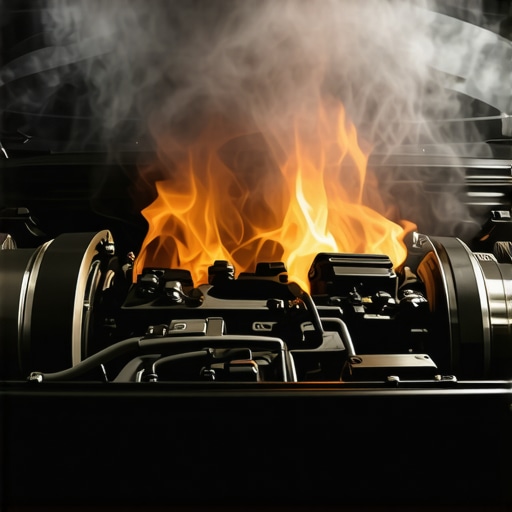
One afternoon, as I was driving home, I caught a whiff of something sharp and rubbery wafting into my car’s cabin. At first, I thought it was just the remnants of a recent repair or perhaps a burnt cigarette. But then I noticed that unmistakable smell lingering like a bad omen—intensifying every time I pressed the accelerator. It was a moment of quiet panic mixed with curiosity. I pulled over, popped the hood, and suddenly, the problem became glaringly obvious—there was a distinct burning rubber smell emanating from somewhere under my engine bay. That day, I realized this wasn’t just a minor inconvenience; it was a sign that something crucial was wrong.
How Do You Know When Burning Rubber Is More Than Just a Burning Smell?
Is the Rubber Smell Truly Worth the Worry?
When I first experienced this, I’d dismissed it as a minor issue, perhaps a loose belt or a small plastic component melting due to heat. But I quickly learned that ignoring such a smell can lead to serious engine problems or even a fire. The burning rubber smell often indicates that rubber or plastic parts are overheating or coming into contact with hot surfaces. It’s essential to address such symptoms promptly, or you risk damaging your engine or compromising your safety. Trust me, a small oversight can turn into an expensive repair if left unchecked. To better understand the scope of this issue and avoid common pitfalls, I recommend reading about the importance of inspecting under-the-hood components regularly, especially after any collision or service that might loosen or dislodge parts. For instance, collision repair can sometimes cause misalignment that leads to friction and heat buildup, which you can learn more about at this helpful guide.
Identify the Source of the Smell
Start by safely parking your vehicle in a well-lit area and turning off the engine. Open the hood carefully to inspect under the engine bay. Look for signs of melted or burnt rubber around belts, hoses, or wiring harnesses. During my own experience, I noticed a frayed serpentine belt that was rubbing against pulleys, which explained the smell. If you’re unsure, use a flashlight to check for any components that appear discolored or melted. Recognizing the exact source prevents unnecessary repairs and narrows down potential issues.
Check Belt Tension and Condition
Assess the tension of serpentine and accessory belts. A belt that’s too loose can slip and generate heat, producing a burning rubber smell. To test tension, press down on the belt at the midpoint; it should have minimal give. If the belt feels loose or shows cracks, replace or tighten it as necessary. Remember, belts are the heartbeat of your engine’s accessories—keeping them in prime condition avoids overheating and breakdowns.
Inspect Hoses and Plastic Components
Examine hoses for signs of melting or cracking. Plastic engine covers or wiring insulation may also soften or burn if near heat sources. In my case, plastic clips holding wiring were slightly melted, indicating contact with hot engine parts. Replacing damaged plastics or rerouting wires can prevent ongoing friction and heat buildup that causes burning smells. Use gloves and ensure the engine is cool before handling these parts.
Address Overheating Issues Promptly
If the engine runs hot, it can cause rubber and plastic to degrade faster. Check coolant levels and look for leaks in the radiator, hoses, or water pump. Overheating can also be caused by a malfunctioning cooling fan or thermostat. During my last check, I found debris blocking the radiator fins. Clearing obstructions or replacing faulty thermostats restores proper cooling and reduces heat contact with rubber components.
Test for Friction or Contact Points
Sometimes, misaligned pulleys or loose mounting brackets cause belts or hoses to rub against hot engine parts. Use a pry bar or your hand (engine off, cooled down) to gently move components and see if they contact each other. If misalignment is evident, realigning pulleys or tightening brackets will stop the friction. For complex alignments, professional calibration might be required.
Prevent Future Burnouts and Smells
Regular maintenance is key. Replace belts before they show signs of wear, and keep hoses and wiring in good condition. Schedule inspections especially after collision repairs or service, as misaligned parts can cause friction. Recognize early warning signs like abnormal noises or slight smells, and address them immediately to avoid costly repairs.
For example, after noticing the burn smell last winter, I examined my vehicle and found a loose alternator belt. Tightening it restored proper tension and eliminated the smell—saving me from a potential breakdown. Adopting proactive inspection routines ensures your vehicle stays safe and reliable, long-term.
Many car owners operate under a set of misconceptions about essential services like brake and transmission repair. One common myth is that if a vehicle seems fine after a quick fix, it doesn’t need further attention. However, in my experience, overlooking the fine details—such as subtle wear patterns on brake pads or slight delays in shifting—can lead to costly failures down the line. Expert mechanics know that understanding these nuances is crucial for proactive maintenance. For instance, a spongy brake pedal might seem minor, but it often indicates deteriorating brake fluid or failing calipers. Ignoring such signs could culminate in complete brake failure, something you definitely want to avoid. To avoid falling into these traps, always ask your mechanic about the nuanced symptoms that might not be immediately obvious; they can make all the difference in ensuring your safety and saving money.
Why Do So Many Professionals Get It Wrong When Diagnosing Transmission Issues?
One advanced mistake I frequently see is the misdiagnosis of sluggishness or erratic shifting. Some assume low transmission fluid is the culprit when, in reality, sensor misalignment caused by collision damage can throw off shift points without any low fluid levels. CollisionRepair experts emphasize that after an accident, certain components like sensors or mounts might shift slightly, creating unpredictable behavior. This nuanced problem might not be immediately apparent without a detailed inspection, including sensor calibration or realignment—steps often overlooked by less experienced technicians. In fact, studies show that sensor errors account for a significant percentage of transmission complaints, yet many auto shops default to fluid replacement as the first solution. So, my advice: dig deeper into the possible collision-related causes before replacing parts—it’s a nuanced repair that can save you from unnecessary expenses and recurring problems. Learn more about how collision repair affects sensor accuracy at this resource.
Another area riddled with myths is the importance of routine oil changes. While changing oil regularly is foundational, some believe synthetic oils don’t require as frequent changes. In reality, the nuances of your driving habits, climate, and engine condition influence optimal intervals more than the oil type alone. Incorrect assumptions here can lead to sludge buildup or wear that accelerates engine damage. Taking proactive steps by consulting your vehicle manufacturer’s detailed guidelines or an experienced mechanic—who understands the complex interplay of these factors—can extend your engine’s life significantly.
Preventive maintenance becomes even more critical when considering collision repair. Many drivers underestimate how small collision-related misalignments or hidden damages can gradually affect braking and suspension systems. For instance, a minor tap that doesn’t register as significant might shift critical components, causing uneven brake pad wear or steering issues over time. Recognizing these hidden damages requires an expert eye—something I’ve learned firsthand through inspecting collision-damaged vehicles. If you want to delve into more about collision damage assessments, check out this detailed explanation.
In essence, uncovering these hidden nuances and avoiding common myths in auto repair hinges on knowledge and vigilance. Don’t settle for surface-level fixes; always inquire about the details that might be overlooked. Recognizing these subtle signals can make the difference between a simple patch-up and a lasting repair—saving you money, time, and stress in the long run. Have you ever fallen into this trap? Let me know in the comments.
Keep It Running: The Tools I Rely On
Maintaining a vehicle over the years requires the right equipment and a disciplined approach. I personally swear by a high-quality digital multimeter, which I use not just for checking batteries but also for tracing electrical issues that can cause mysterious sensor errors or warning lights. For instance, ensuring sensor accuracy after collision repairs is critical; I use a multimeter to verify voltage outputs, sidestepping costly diagnostics later. A reliable code scanner is also indispensable; I prefer Bluetooth-enabled models that sync with my smartphone, giving me quick access to live data during tune-ups or troubleshooting sessions. This directly impacts long-term results, as catching issues early—like a slipping serpentine belt or misaligned sensors—can save hundreds in repairs.
Alongside hardware tools, I leverage diagnostic software. For collision repair, I regularly update my vehicle’s ECU calibration files using manufacturer-specific software, which is crucial for restoring factory performance after repairs. This practice helps prevent issues like uneven brake wear or transmission sluggishness. The software often provides detailed explanations of trouble codes, making diagnostics more intuitive and less guesswork.
Developing a Maintenance Mindset
Consistency is key; scheduling regular inspections is the difference between a minor fix and a costly overhaul. Part of my routine involves visually inspecting belts, hoses, and wiring harnesses—especially after collision-related repairs—since misalignments can cause friction and heat buildup, leading to burning smells or component failure. I set calendar reminders to check fluid levels, replace worn parts proactively, and verify the integrity of critical components. Over time, this proactive approach yields better long-term results, leading to smoother rides and fewer breakdowns.
Scaling for a Growing Fleet
If you’re managing multiple vehicles, automation and record-keeping become vital. I’ve transitioned to Fleet Management Software that logs maintenance history, alerts me when specific components are due for replacement, and tracks costs. Automation ensures no vehicle is neglected, especially beneficial for collision renews, brake servicing, or transmission overhauls. The trend is moving toward IoT-enabled diagnostics, where sensors continually monitor critical parts and alert owners via smartphone alerts—imagine knowing immediately if a sensor’s readings drift out of ideal ranges, preventing potential failures before they happen.
How do I maintain these tools and systems over time?
Regular calibration of diagnostic tools is essential—beyond initial setup, I revisit calibration protocols annually, as manufacturers often release updates. Keeping software up to date is equally important; I subscribe to manufacturer notifications to receive the latest patches, which optimize performance and compatibility. Investing in quality maintenance supplies like synthetic lubricants and durable replacement parts ensures longevity of repairs and helps avoid recurring issues. For example, replacing worn-out brake fluid with high-quality synthetic options prevents corrosion and maintains optimal brake performance, especially vital after collision work.
Looking ahead, I predict that AI-driven diagnostics and predictive maintenance tools will become standard, enabling us to foresee issues before they manifest. This evolution will make long-term maintenance less reactive and more anticipatory, ultimately saving money and increasing vehicle reliability.
If you haven’t already, I recommend trying advanced diagnostic techniques like verifying ECU sensor calibration after collision repairs. It might seem technical, but the payoff in vehicle longevity is significant. For instance, restoring sensor accuracy using specialized software can make your vehicle perform as well as new, and prevent issues like uneven brake wear or engine misfires. A simple step like this can redefine your maintenance game and prolong your car’s lifespan considerably.
The Hardest Lesson I Learned About Brake Service and Collision Renew
One of my most eye-opening experiences was realizing that strange smells from under the hood often hide deeper issues that can lead to costly repairs if ignored. A burning rubber smell wasn’t just about a worn-out belt; it was a sign of misaligned components after collision repairs, reminding me the importance of detailed inspections.
My Go-To Tools for Auto Repair Success
Over the years, I’ve found that investing in high-quality diagnostic tools, like Bluetooth-enabled code scanners and software for ECU calibration, makes all the difference. These tools help uncover hidden problems early, ensuring repairs are thorough and long-lasting, especially after collision work or collisionrenew procedures.
Embrace Vigilance for Peace of Mind
Proactive maintenance isn’t just about fixing problems—it’s about preventing them. Regularly inspecting belts, hoses, and wiring harnesses, and verifying sensor calibration after collision repairs, saves you stress, money, and safety concerns. Remember, a little vigilance today prevents major headaches tomorrow.
The Insight Many Professionals Overlook with Transmission Diagnoses
One common mistake is assuming low fluid levels cause erratic shifting when, in fact, collision-related sensor misalignments are often the culprit. Learning to recognize these nuances can save you from unnecessary part replacements, highlighting the value of detailed diagnostics and realignment after collision repairs. Explore more about how collisionrenew restores sensor accuracy to keep your transmission smooth.
Take Action Now—Your Vehicle Will Thank You
Trust your instincts and stay attentive to unusual smells or sounds. Regular inspections and using the right tools empower you to catch issues early. Whether it’s a burning smell or a sluggish transmission, remember: timely action maintains your car’s health, safety, and performance. How will you prioritize your vehicle’s maintenance routines starting today? Let me know below.