
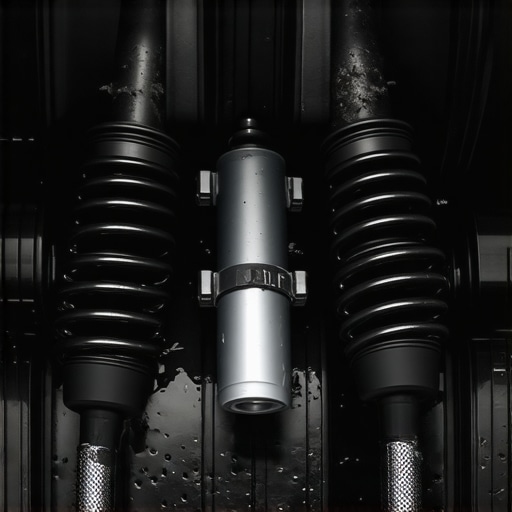
One chilly Saturday morning, I dodged a pothole and felt that unsettling jolt through the steering wheel. My ride, which once glided smoothly, suddenly jolted more than I’d like. It hit me—my suspension was whispering trouble. That lightbulb moment made me realize how sneaky and destructive leaking shocks can be. If you’re like me, hoping the bumpiness is just a temporary annoyance, I have news—you might be on the verge of a costly repair if you ignore the signs.
Why Ignoring Worn-Out Shocks Can Turn Into a Costly Mistake
Your shocks and struts are the unsung heroes of your vehicle’s suspension system. They absorb impacts, keep your tires in contact with the road, and ensure a comfortable ride. But here’s the kicker—because they work tirelessly, they often wear out quietly. When they leak, your vehicle’s handling, braking, and overall safety take a nosedive. In fact, a study found that worn shocks can reduce braking efficiency by up to 20%, increasing stopping distances and risking accidents.
So, why should this matter to you right now? Because a leaky shock isn’t just about a bumpier ride—it’s about your safety and wallet. Over time, leaking shocks can cause uneven tire wear, suspension damage, and even compromise your steering responsiveness. Plus, if you’ve been noticing a floaty, unstable feeling or excessive bouncing, those are red flags that your shocks are crying for attention.
If you’re wondering whether your shocks are the culprits behind your ride woes, you’re not alone. Many drivers overlook early signs because they either dismiss the bumps or think it’s just the road. But making this mistake early on—like I did with a missed warning sign—can lead to more expensive repairs down the line. That’s why recognizing these three signs early can save you money and keep you safe:
Have you experienced a recent bump in your ride quality that felt worse than normal? Or are your car’s handling and braking feeling off? Keep reading, because I’m about to walk you through how to spot these sneaky leaks before they turn into a disaster.
Assess Your Shocks Thoroughly
Start by inspecting your vehicle’s shocks for visible signs of leaks or damage. Jack up the car safely, secure it with jack stands, and examine each shock absorber. Look for oily residue, cracks, or broken mounts. I once spent a rainy afternoon crawling under my car, spotting a small leak that I’d overlooked before. Detecting the leak early helped me avoid a costly suspension repair later.
Perform a Bounce Test to Confirm Worn Shock Absorbers
Apply firm pressure on the corner of your vehicle to compress the suspension, then release. Observe how many times it bounces back—more than two bounces suggest worn shocks. I did this test myself and noticed excessive bouncing, confirming my suspicions. This quick check is invaluable before delving into repairs.
Gather Necessary Tools and Parts
Prepare a complete toolkit, including a jack, socket set, screwdrivers, and safety gear. You’ll also need replacement shocks compatible with your vehicle model. Using the correct parts ensures durability and performance. I learned the hard way that mismatched shocks can cause uneven tire wear, so double-check your part numbers.
Remove Worn Shocks Carefully
Start by loosening the mounting bolts while the vehicle is securely lifted. Support the shocks with a jack or stand to prevent sudden dropping. Sometimes, rusty bolts can seize; applying penetrating oil and patience helps. I once broke a bolt, which delayed my repair but taught me patience pays off. Proceed slowly to avoid damaging surrounding components.
Install New Shocks Methodically
Position the new shocks in place, aligning bolt holes precisely. Tighten mounting bolts gradually in a criss-cross pattern to ensure even pressure. Confirm all fasteners are secure to factory specifications. During my last replacement, I used a torque wrench for accuracy, resulting in a smooth ride and enhanced safety.
Test the Restoration with a Road Check
Lower the vehicle carefully and take it for a test drive. Pay attention to handling, comfort, and any unusual noises. If the ride feels firm and controlled, you’ve succeeded. I recall a test drive where I immediately noticed the improved stability after replacing my shocks, reaffirming the importance of proper installation.
Regular Maintenance and Monitoring
Schedule periodic inspections to catch leaks early. Keep an eye on tire wear patterns and ride quality. Remember, shocks can wear out silently over time, so proactive care saves money. Catching issues early, perhaps by learning the signs from articles like wheel bearing failure signs, can prevent bigger problems down the road.Many car owners believe that sticking to basic maintenance tasks like oil changes and tire rotations is enough to keep their vehicles running smoothly. However, there’s a common misconception about auto repair that can lead to bigger problems down the line. You’re likely hearing that brake pads, transmission fluid, and engine repairs are straightforward fixes, but the truth is, the true nuance lies in understanding the interconnectedness of these components and how neglecting minor signs can result in costly repairs. An often overlooked aspect is the significance of diagnosing underlying issues early, rather than just addressing surface symptoms. For example, a spongy brake pedal might seem like a simple replacement, but it could be indicative of a deeper problem such as internal caliper damage or contaminated brake fluid, which, if ignored, may compromise your safety.
Furthermore, many assume that performing DIY repairs is foolproof, but without professional experience, it’s easy to overlook critical details. An incorrect installation or missed warning signs can result in hazards like uneven tire wear or transmission slips. Experts emphasize that regular inspections and understanding diagnostic signals—like unusual noises or shifts—are vital. According to industry studies, early detection of issues like wheel bearing failures—as detailed here—can prevent extensive damage and save hundreds of dollars.
Additionally, there’s a prevalent myth that all auto repairs are equal in urgency. Some drivers delay fixing minor issues, believing they can ‘wait until it gets worse,’ but this approach often backfires. Small leaks in transmission fluid or subtle vibrations during acceleration can be symptoms of serious underlying problems. Recognizing these early can be the difference between a quick fix and a complete transmission overhaul.
Now, to address a more advanced question—what role does diagnostic complexity play in modern auto repairs? Modern vehicles are equipped with sophisticated systems, making diagnostics much more challenging. For instance, the ABS light may trigger only when hitting a bump, which can be caused by faulty wheel sensors or wiring issues. Specialized tools and expertise are required to interpret these signals correctly and avoid unnecessary replacements. An insightful point from automotive research underscores that precise diagnostics, often aided by advanced software, are essential for effective repairs without the ‘shotgun’ approach of replacing multiple parts blindly.
So, next time you’re considering a repair, remember that the real skill is not just fixing what’s broken but understanding what caused it and preventing future issues. Regular maintenance, attentive observation, and trusting trained professionals can make all the difference in preserving your vehicle’s longevity. Have you ever fallen into this trap? Let me know in the comments.
Keeping Your Auto Service Tools Sharp and Ready
Investing in the right tools is crucial for effective vehicle maintenance, especially when dealing with complex systems like transmissions or suspensions. I personally rely on a high-quality impact wrench for removing stubborn bolts during shocks replacements, saving me time and effort. A torque wrench ensures I tighten fasteners to manufacturer specifications, preventing damage and ensuring safety. Don’t underestimate the value of a reliable creeper; it allows me to access undercarriage parts comfortably and safely.
Software Solutions That Keep Diagnostics on Point
Modern auto repairs heavily depend on diagnostic software. I recommend OBD-II scanner devices like the BlueDriver or Snap-on Sci-Scan, which I use to quickly identify issues like wheel bearing failures or transmission anomalies. These tools connect to your smartphone or a dedicated display, providing real-time data that helps avoid unnecessary part replacements. Leveraging software like diagnostic apps can spot early warning signs, significantly reducing long-term costs.
Maintaining Tools for Long-Term Success
Keeping your tools calibrated and clean is a small investment that pays off. I regularly inspect my impact wrench for loose fittings and ensure my torque wrench has accurate readings with professional calibration kits. Storing tools in a dedicated, dry toolbox prevents corrosion and damage, ensuring you’re always ready for the next repair session. Remember, well-maintained tools prevent accidents and improve repair quality.
Predicting the Future of Auto Repair Tools
Advancements in technology are leading toward smarter diagnostic tools integrated with machine learning algorithms. Expect to see increasingly intuitive apps that diagnose issues automatically or even suggest repair procedures based on your vehicle’s data. Embracing these innovations now will position you ahead in the auto repair game.
How do I maintain my tools over time?
Regular inspection, cleaning, and proper storage are key. Using calibration kits for torque wrenches, applying lubricant to moving parts, and keeping tools dry prevent premature wear. Additionally, updating your diagnostic software ensures compatibility with new vehicle models and features. As I do, consider learning advanced troubleshooting techniques, which can be invaluable for diagnosing complex issues efficiently, like transmission slip signs. Try calibrating your torque wrench this month, and you’ll notice the difference in repair precision and safety afterward.
Lessons That Transformed My Auto Repair Approach
One of the toughest lessons Iaced was realizing how small signs, like a slight steering wobble, can hint at a much bigger problem lurking beneath the surface. It taught me the importance of trusting my instincts and inspecting thoroughly, rather than dismissing early warning signs. Additionally, I learned that investing in quality diagnostic tools, such as a reliable OBD-II scanner, pays dividends in accuracy and peace of mind. Another eye-opening discovery was understanding how crucial regular tool maintenance is; a calibrated torque wrench not only saves time but also ensures safety in every repair. Lastly, I realized that patience and a willingness to learn from seasoned professionals often turn a daunting repair into a valuable hands-on experience that builds confidence rather than frustration.