
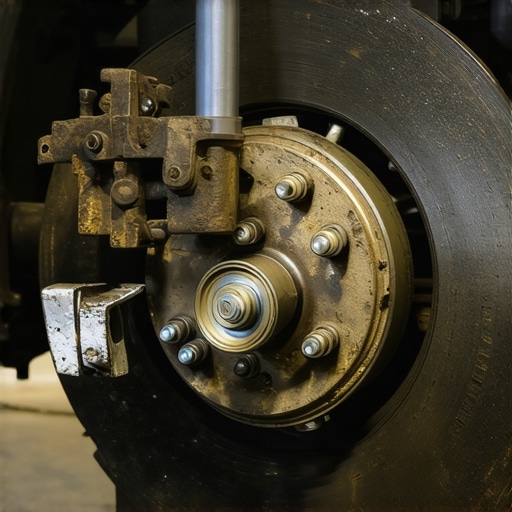
It happened to me just last month—driving home after a long day, I hit the brakes and felt a wobble through the pedal. My heart sank. Uneven brake wear is more than a minor annoyance; it’s a sign of underlying issues that, if ignored, could lead to costly repairs or even safety risks. That lightbulb moment made me realize I’d been overlooking a simple, inexpensive solution that could have saved me both time and money.
Your Brakes Might Be Asking for Help—And You Might Not Even Know It
Brakes are one of those components that silently work in the background—until suddenly, they don’t. Uneven brake wear can cause vibrations, squealing, and, in severe cases, brake failure. The frustrating part? It often sneaks up on us, especially if we’re not familiar with the subtle signs. I used to think uneven wear was just a result of tough driving or bad pads, but I learned it’s frequently linked to something much simpler—and fixable.
Today, I want to share a game-changing tool that costs less than a pizza but could save your brakes—and your wallet—big time. It’s a small, inexpensive device that helps ensure your brake calipers are functioning properly, preventing uneven wear before it starts. Trust me, when I discovered this tool, it was like a light switch clicked on in my brain. And if you’re tired of pouring money into brake repairs, you’ll want to pay attention.
Will a $10 Tool Truly Make a Difference? Your Skepticism Is Valid
When I first heard about a tool that costs only about ten dollars and claims to balance your brake calipers, I was skeptical. I’ve seen fancy gadgets promising miracles, only to be disappointed. But after some research and a bit of trial and error, I found that proper caliper management is crucial in preventing uneven wear. Early on, I made the mistake of ignoring caliper stiffness, thinking all pads wore out at the same rate. That mistake nearly caused me more trouble.
If you’ve ever neglected your brake calipers or dismissed the importance of keeping them in perfect condition, I urge you to consider this simple solution. It’s not just about brake pads; it’s about maintaining even pressure and preventing uneven wear that can compromise safety. For a deeper dive into what causes brake pads to wear unevenly, check out [this detailed guide](https://collisionrenew.com/the-real-reason-your-brake-pads-wear-out-unevenly).
Stay with me, because next, I’ll walk you through exactly how this tiny tool can make a big difference—saving you money and peace of mind.
Get Your Hands Dirty: How to Use the $10 Brake Caliper Balancer
Start by safely lifting your vehicle on jack stands, ensuring stability before working underneath. Remove the wheel closest to the brake caliper you want to check. Identify the brake caliper, paying attention to its mounting bolts and piston.
Prepare the Balancer and Inspect
Take your inexpensive brake caliper balancer device and read the instructions carefully. It works like a scale or measuring tool, helping you gauge whether the caliper piston is moving freely or sticking, similar to checking the tension in a guitar string to ensure even sound.
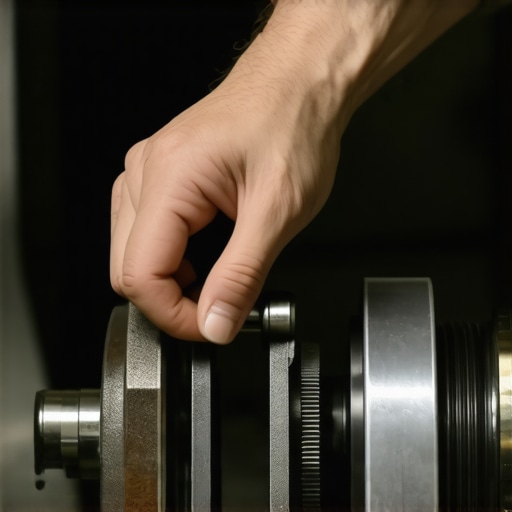
Attach the device according to the manufacturer’s instructions, placing it on the piston. Pump the brake pedal gently a few times; if the balancer indicates uneven pressure or the piston doesn’t settle evenly, your caliper may need attention. I applied this method during my weekend project and found a caliper sticking slightly, which, once fixed, improved braking feel substantially.
Test and Confirm Balance
Reassemble everything temporarily and perform a test drive. Feel for vibrations or pulling—symptoms of uneven wear. If issues persist, repeat the measurement on the opposite side to compare caliper performance, much like comparing two tires for balance. Knowing the exact status helps prevent further damage and extends your brake system’s life.
Prevent Future Damage with Routine Checks
Regularly visual inspect brake components and use your balancer quarterly—think of it as a health check-up for your brakes. This proactive approach can spot problems before they escalate, similar to how monitoring car fluids and belts can prevent costly breakdowns. For more insights on brake longevity, explore this comprehensive brake wear guide.
When it comes to car care, many DIY enthusiasts and even seasoned mechanics fall prey to misconceptions that can cost more than just time—they can threaten safety and lead to unnecessary expenses. One common myth is that all brake pads wear out uniformly; in reality, subtle issues like caliper sticking or uneven pressure distribution can cause premature and uneven brake pad wear, making routine checks vital. Overlooking these nuances often results in more extensive repairs down the line, like rotor replacement or complete caliper rebuilds, which are far more costly. Interestingly, studies suggest that improper brake service is among the top reasons for premature brake components failure, highlighting the importance of understanding the hidden nuances behind simple maintenance tasks.
Keep Your Vehicle Running Smoothly with Precision Tools
When it comes to auto repair, having the right equipment is crucial for both safety and efficiency. Personally, I rely on a high-quality digital multimeter for diagnosing electrical issues; it offers quick, accurate readings that help me pinpoint problems without guesswork. For brake work, I trust a calibrated brake caliper analyser, which simplifies checking for sticking calipers or uneven pressure—a key to preventing premature pad wear. Investing in a good set of socket wrenches with ratchets and extensions has transformed my DIY approach, saving time during even complex tasks like transmission or suspension repairs.
The Power of Diagnostic Software in Modern Maintenance
Beyond hand tools, diagnostic scan tools like the Autel Maxisys or BlueDriver interface enable me to access engine and transmission error codes directly from my smartphone. These tools cut through guesswork and give you real-time insights, making routine inspections or troubleshooting events like wandering steering or ABS sensor failures much more manageable. As vehicle electronics become increasingly sophisticated, having these software solutions on hand ensures you’re not left in the dark when problems arise. Regular use of diagnostic software helps maintain optimal performance and reduces unexpected breakdowns, which is vital for long-term vehicle health.
Maintaining Long-Term Vehicle Performance
Consistent maintenance is key to long-lasting vehicles. For example, regularly checking and replacing serpentine belt tensioners—using a dedicated tensioner gauge—helps prevent sudden failures that can leave you stranded. Implementing scheduled fluid flushes based on manufacturer recommendations, especially for transmission and coolant systems, keeps components operating efficiently. Moreover, inspecting and maintaining safety-related parts like brake lines and rotors ensures your vehicle remains reliable. By combining precise tools with disciplined routines, you can extend your car’s lifespan and enjoy dependable transport for years to come.
Can I keep my car performing at its best over time?
Absolutely. Routine checks using specialized tools, like a brake caliper balancer or transmission leak detector, prevent minor issues from escalating into costly repairs. For instance, maintaining proper brake caliper function with a simple, inexpensive device can save you hundreds over the vehicle’s lifespan, especially if you catch sticking calipers early. Regularly inspecting belts, fluid levels, and electrical connections with dedicated tools ensures every system operates smoothly—delivering long-term savings and peace of mind. If you haven’t integrated diagnostic software into your maintenance routine, I highly recommend trying it—it’s a game-changer for proactive vehicle care.
To deepen your understanding, check out this guide on preventing uneven brake wear, which emphasizes the importance of precise caliper management. Embracing these tools and strategies will keep your vehicle’s performance top-notch and reduce unexpected breakdowns, making every drive safer and more comfortable.
Don’t wait for problems to surface—start integrating these expert-recommended tools into your routine today. A small investment in quality diagnostic and maintenance equipment can pay off substantially over time, preserving your car’s value and reliability.
Hidden Lessons from My Brake Repair Journey
One of the most valuable insights I gained was realizing that regular checkups with simple tools could have prevented my wobbling brakes. It’s easy to assume that brake wear is just part of aging, but neglecting the calipers’ health often leads to bigger problems down the line. Now, I understand that paying close attention to the subtle signs—like vibrations or squeals—can save a lot of hassle and money.
I also learned that DIY solutions, even inexpensive ones, can be incredibly effective. Using a basic caliper balancer offered me clarity on my brake condition and empowered me to act promptly. Sometimes, a small investment of time and money pays huge dividends in vehicle safety and longevity.
Finally, I discovered that proactive maintenance isn’t just about fixing issues—it’s about creating a mindset of care. Routine checks, routine tools, and a bit of education turn car ownership into a rewarding experience rather than a source of stress. These lessons have made me more confident and attentive on the road, and I hope they inspire you to take control of your brake health too.
Tools and Resources That Elevated My Auto Repair Game
My essential toolkit includes a dependable digital multimeter—trust me, it’s a game-changer for electrical diagnostics, saving me from unnecessary guesswork. For brake work, I rely on a calibrated brake caliper analyser which simplifies checking for sticking calipers and uneven pressure—something I often overlook. Good quality socket wrenches with ratchets and extensions have also made regular maintenance less daunting and more precise.
When I want to dive deeper, I turn to comprehensive guides that break down complex topics into manageable steps. The articles and tutorials on preventing uneven brake wear have been particularly insightful, helping me understand the nuances behind brake system health. Combining practical tools with expert knowledge transforms DIY maintenance from a challenge into an empowering routine.
Your Next Move: Embrace Smarter Vehicle Care
Taking action today is the best gift you can give your vehicle—and yourself. Incorporate routine checks using simple, affordable tools like a brake caliper balancer to catch trouble early. Remember, consistent maintenance is a small price for long-term peace of mind and safety on the road.
Are you ready to start applying these insights to your own vehicle? Share your experiences or ask questions below—I’d love to hear what’s worked for you or what challenges you’ve faced when maintaining your brakes. Let’s build a community that keeps cars safer and drivers smarter.