
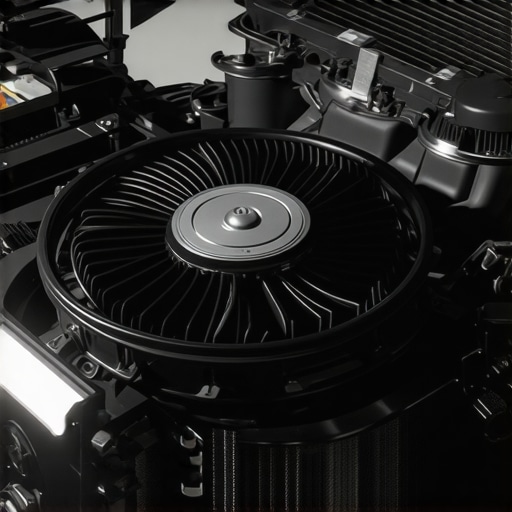
It was a hot summer afternoon when I first noticed my car overheating on the highway. The temperature needle was climbing faster than I expected, and I had that sinking feeling—was my radiator fan actually doing its job? Turns out, I had been driving for weeks with a faulty fan, not realizing it until it was almost too late. That moment made me realize how easy it is to overlook one of the most crucial components for engine health.
If you’ve ever wondered whether your radiator fan is spinning like it should, you’re not alone. Many car owners underestimate the importance of this seemingly simple part, which can lead to costly repairs or dangerous breakdowns. But don’t worry—by the end of this post, you’ll have the confidence to check your fan’s operation yourself, saving you time, money, and a lot of stress.
Why Knowing Your Radiator Fan’s Status Matters
Your radiator fan acts as your engine’s cooling buddy, ensuring that the coolant temperature stays within optimal limits. When your car is stationary or moving slowly, the fan is the primary device preventing your engine from boiling over. If it’s not working properly, your engine temperature can skyrocket, leading to overheating, engine damage, or even complete breakdown.
I’ve seen firsthand how overlooked radiator fans can cause severe issues. For instance, a faulty fan can cause your car to emit a burning smell or trigger the check engine light. Plus, heat-related engine damage can be expensive to fix. According to automotive experts, many engine failures can be traced back to cooling system problems, including the radiator fan not functioning as it should.
Perhaps you’ve experienced a situation where your car seems fine at first, but then overheats after errands or long drives. Those signs should be your wake-up call to verify if your fan is operational. Trust me, catching a failing radiator fan early can save you forking out hundreds of dollars for repairs down the line.
So, how do you know if your fan is actually doing its job? Let’s walk through simple, actionable ways to check it yourself. But first, I want to address a common skepticism among car owners—”Is checking the radiator fan really worth my time?”
Is Checking Your Radiator Fan Just a Waste of Time?
Early in my automotive journey, I made the mistake of ignoring minor signs of cooling issues, thinking they’d just go away. Spoiler alert: they didn’t. Neglecting essential checks like your radiator fan can lead to engine overheating, which might force you to replace the entire engine—an expense that could have been avoided with a quick inspection. According to industry insights, regular checks can catch issues before they turn catastrophic, safeguarding your vehicle and your wallet.
If you’ve faced situations where your car suddenly overheats despite being relatively new or well-maintained, this is precisely why knowing how to test your radiator fan matters. Now, let’s get into the practical steps to verify whether your fan is working—no fancy tools required!
Start Your Engine and Watch Closely
With your engine cold, start your car and let it idle. Keep an eye on the radiator fan area—usually at the front of the engine bay. Observe if the fan begins to spin as the engine warms up. This initial step is straightforward but critical. I once neglected this simple check, leading to an overheating incident on a summer day, which could have been avoided with a quick visual inspection.
Use the Temperature Gauge as a Clue
As your engine warms, the thermostat opens, and the fan should activate. Keep the engine running until it reaches normal operating temperature—typically indicated by the needle in the middle of the gauge. If your fan doesn’t spin, it’s a red flag signaling a potential problem. Remember, the fan usually engages around 200°F (93°C). If you’re unsure, you might want to consult your vehicle’s manual or an online guide on engine cooling basics.
Feel for the Fan’s Operation
Turn off the engine and pop the hood. Carefully, without risking injury, try to spin the radiator fan blades with your hand—they should rotate freely. If they resist or are completely static, the motor or the fan itself might be faulty. But beware: never spin blades vigorously while the engine is hot—wait until it cools down entirely to avoid injury or damage. This tactile check is a quick method I use after every long drive, especially during summer months.
Test the Fan Engagement Manually
Some vehicles rely on an electric relay or temperature sensor to activate the fan. To test if these parts are functioning, turn on the AC—this often forces the fan to run, even if the engine isn’t hot. If the fan doesn’t come on, there’s a good chance of an electrical issue. Alternatively, you can manually trigger the relay using a jump wire if you’re comfortable with auto repair. For a detailed look at electrical diagnostics, visit checking electrical systems.
Scan for Error Codes
Modern cars have sensors that monitor cooling system performance. Using an OBD-II scanner, you can look for codes related to the cooling fan or temperature sensors. If your scanner displays codes like P0480 or P0481, it’s an indicator that your fan circuit might be malfunctioning. I once used a scanner during a routine check and identified a failing fan relay, saving myself from a costly breakdown. For more on advanced diagnostics, see diagnosing other engine components.
When it comes to automotive service, many car owners operate under misconceptions that can hinder effective maintenance and repair decisions. A prevalent myth is that all auto shops deliver the same quality of work, but in reality, the expertise and tools vary significantly, impacting the longevity and safety of your vehicle. Relying solely on high-volume chain service centers often leads to rushed diagnoses and subpar repairs. For instance, specialized services like collision repair for aluminum panels require precise techniques — a topic often misunderstood by generalists. It’s crucial to seek professionals skilled in specific areas, such as aligning bumper brackets after impacts. Another misconception is that all brake fluid is alike; however, dark, contaminated brake fluid indicates impending failure and warrants immediate attention to prevent safety hazards. Be wary of shops that overlook fluid condition, as neglect can cause spongy brakes or pedal difficulties. Many believe that ‘once fixed, always fixed’—but vehicles require ongoing maintenance to prevent issues like uneven brake pad wear or transmission stress. Overlooking preventative steps can result in costly repairs down the line. One advanced consideration that often trips up even seasoned owners is the importance of diagnosing hidden issues that might not manifest overtly. For example, a subtle whining sound related to your transmission could hint at a deeper problem (like grinding between gears) that unchecked could lead to complete failure. This underscores why regular diagnostic scans are vital—tools like OBD-II readers can spot problematic codes early. Remember, comprehensive vehicle health isn’t just about fixing what’s broken but understanding the nuances behind potential failures. Have you ever fallen into this trap? Let me know in the comments. Staying informed about these hidden nuances empowers you to make better maintenance decisions and extend your vehicle’s lifespan.
Keeping Your Car Running Smoothly with the Right Tools
Maintaining your vehicle over the long term requires more than just basic knowledge—it demands the right equipment and a strategic approach. For auto enthusiasts and DIYers alike, investing in quality tools can make all the difference. I personally recommend a digital infrared thermometer. This device allows you to quickly check temperatures of critical components, like radiator fluids or brake calipers, helping you spot issues before they become costly problems. For example, regularly monitoring your brake rotor temperatures during a long drive can prevent uneven wear or warping, as detailed in this comprehensive guide.
Another vital tool is an OBD-II scanner. Unlike generic code readers, opting for a Bluetooth-enabled scanner integrated with your smartphone app provides real-time data and advanced diagnostics. I use the BlueDriver scanner; its ability to read freeze frames and monitor live sensor data has saved me time and money when troubleshooting engine or transmission issues. Looking ahead, the trend in automotive maintenance is heading towards more sophisticated diagnostics, possibly incorporating AI to predict failures before they happen.
How do I maintain my vehicle’s health over time?
Developing a routine maintenance schedule is key. For example, regularly checking your brake fluid condition and replacing it when it appears dark or contaminated ensures your braking system remains responsive. Using quality lubricants and fluids is equally important; synthetic oils, for instance, reduce engine wear and improve fuel efficiency, especially in extreme temperatures.
Additionally, applying a UV-protectant spray to your dashboard and interior plastics can prevent cracking and fading, which is often overlooked but extends the lifespan of your vehicle’s aesthetics and components. To properly diagnose and address small issues—like a squeaky door hinge or a loose serpentine belt tensioner—having a set of mechanic-grade pry tools and a multimeter is invaluable. These tools enable you to perform precise repairs or inspections, reducing dependence on costly professional visits for minor fixes.
In terms of long-term results, consistent maintenance with the right tools not only preserves your vehicle’s resale value but also enhances safety. For instance, timely attention to brake system components, facilitated by proper diagnostic tools, can prevent accidents stemming from brake failure. Looking into the future, I believe increasing integration of smart diagnostics and predictive maintenance will empower car owners to catch issues before they impact driving safety or comfort.
For those serious about keeping their cars at peak performance, I highly recommend trying out an infrared thermometer and an advanced OBD-II scanner. These tools have transformed my approach to vehicle care, making it more proactive rather than reactive. Regularly scheduled inspections combined with these technologies ensure that your car remains reliable mile after mile, helping you avoid unexpected breakdowns and costly repairs.
Secrets Only Experience Reveals about Car Cooling Systems
One of the most valuable lessons I’ve learned in auto repair is that seemingly minor components like the radiator fan hold the key to preventing costly breakdowns. If I had known earlier how critical is to regularly verify the fan’s operation, I could have avoided overheating incidents that not only threatened engine health but also drained my wallet. Remember, the difference between a simple check and a costly repair often boils down to paying attention to the details that most overlook.
Gear Up: Tools That Elevate Your Car Care Game
Over the years, I’ve come to trust tools like a quality infrared thermometer and an advanced OBD-II scanner. These powerful gadgets turn a daunting diagnosis into a straightforward task, allowing you to spot issues such as uneven brake wear or cooling system malfunctions early. Investing in such tools, which I detail in my recommended resources, saves time, money, and stress—especially when you stay ahead of potential problems.
Fueling Your Confidence with Insider Knowledge
The journey to mastering car maintenance is as much about mindset as tools. Embracing the idea that every component, no matter how small, contributes to your vehicle’s health is transformative. By understanding the nuances of systems like the cooling circuit, you avoid the trap of complacency and become proactive. Remember, your vehicle responds to your attention—giving it care and insight leads to safer, more reliable rides.
Discovered Truths That Changed How I Maintain Vehicles
- Stay curious about every noise and indicator. Small signs often reveal larger issues, like an unengaged radiator fan hinting at electrical problems.
- Never underestimate the power of visual inspections. A quick glance can sometimes prevent a major engine overheating crisis, especially if you combine it with a simple manual test of the fan blades.
- Regular diagnostics are your best allies. Using tools like a Bluetooth scanner can uncover hidden errors before they escalate into expensive repairs, turning maintenance into a preventive strategy rather than a reactive fix.