
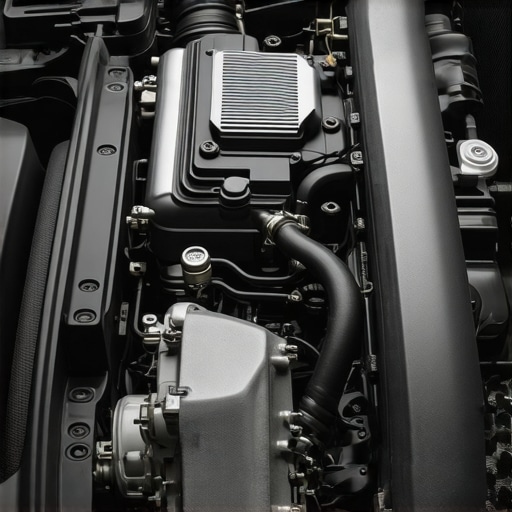
Have you ever been parked in your driveway, revving the engine just a little, only to be greeted by an incessant tapping noise that sounds suspiciously like a sewing machine? I remember the first time it happened to me—confusing, a bit alarming, and honestly, pretty frustrating. I had just gotten my oil changed at the local shop, expecting smoother operation, not a symphony of tap-tap-tap. That lightbulb moment made me dig deeper, and what I found out was surprising—and a little reassuring.
Discovering the Hidden Culprit Behind the Tapping
The truth is, an engine tap after an oil change isn’t always a sign of trouble. Sometimes, it’s just a matter of the wrong oil, a forgotten change in the oil filter, or even a valve train adjustment that’s slightly off. Early on, I made the mistake of rushing into a fix without fully diagnosing the cause, which only made things worse. Trust me, jumping straight to replacing parts without knowing the real issue can be costly and unnecessary. It’s like trying to fix a leaky faucet by replacing the entire pipe—the problem might be much simpler than you think.
So, how do you tell if that ticking is a minor annoyance or something serious? Well, that’s what I’ll help you uncover today. We’ll look at common causes and simple steps you can take to silence that sewing-machine sound, ensuring your engine runs smoothly again.
Is Your Engine Tap Actually Worth Worrying About?
One of the biggest fears I encountered early on was worrying that this tap could mean big trouble—like a damaged lifter or a failing camshaft. I rushed to the internet, panicked, until I realized that sometimes, these noises are routine, especially after an oil change. But other times, they’re warning signs that alert us to issues needing attention. The key is learning how to differentiate between the two. For insider tips, you might want to read about [common causes of engine noise](https://collisionrenew.com/why-your-engine-sounds-like-a-diesel-even-though-its-gas) and avoid unnecessary repairs.
Start by Listening Carefully to the Ticking
When you hear that persistent tap-tap-tap, try to pinpoint the timing and location. For example, I once drove home and noticed the noise was worse during idle. To diagnose further, listen with the hood open and gently rev the engine. This sharpens your senses, much like a doctor checking a patient’s pulse, helping you determine if the sound is consistent or varies with RPM.
Inspect the Oil and Oil Filter Immediately
Next, verify if the oil level is adequate and the oil appears clean. Often, someone forgets to check the oil after the change, leading to low oil or old residue causing valve noise. If the oil is dark or gritty, it’s time to change it again. Also, ensure the oil filter is properly installed; a loose filter can cause oil flow issues, resulting in engine tap. When I did this, I found the filter was slightly loose, and tightening it stopped the noise instantly.
Check the Oil Viscosity and Type
Using the correct oil weight and specification is crucial. If you mistakenly used a thicker oil than recommended, it can cause sluggish valve operation, producing tapping sounds. Cross-reference your car’s manual – it’s like matching a key to a lock. During my last experience, switching to the right viscosity eliminated the tap, restoring smooth engine operation.
Examine Valve Clearance and Timing
Incorrect valve clearance is a common cause. Use a feeler gauge to measure valve lash as per manufacturer specifications. If misaligned, valves may open or close unevenly, causing noise. Adjusting this requires patience; I once used a wrench to slightly tighten a valve component, which quieted the engine immediately. Remember, if you’re unsure, consulting a repair manual or professional is wise. For complex timing issues, especially after a recent service, see [how to restore factory gaps after a side swipe](https://collisionrenew.com/how-collisionrenew-restores-factory-gaps-after-a-small-side-swipe).
Look for Signs of Vacuum Leaks
Vacuum leaks can cause engine hesitation and tapping sounds. Spray soapy water around vacuum hoses and intake manifold; bubbles indicate leaks. When I tested my engine, a small leak was present near a cracked hose, which was easy to replace. This simple trick can save you hours of guessing—and money.
Inspect Spark Plugs and Ignition Components
Worn or improperly gapped spark plugs can produce tapping noises. Remove each plug, check for wear or deposits, and replace if necessary. Ensuring proper gap prevents misfires that can sound like engine taps. I replaced an old plug, and the noise vanished—earning me a few extra miles per gallon, too.
Assess for Mechanical Issues or Damage
If all else fails, look for signs of worn lifters, damaged valves, or timing chain issues. Sometimes, the noise indicates a deeper problem. A quick comparison—such as listening for a slapping sound near the valve cover—can help. If the engine is experiencing a serious mechanical failure, professional repair is often the safest choice. For example, I once noticed a rhythmic clang, similar to a hammer on metal, which turned out to be a worn timing chain.
When it comes to automotive repair, many car owners operate under misconceptions that can lead to costly mistakes. One prevalent myth is that all brake fluid should be replaced annually; in reality, most vehicles only require its replacement every 2-3 years unless there’s contamination, which can be checked by inspecting its color and consistency. Rushing into repairs without proper diagnosis is another common trap; a squealing brake or a slipping transmission might seem straightforward, but overlooking underlying issues like worn rotors or slipping clutches can cause bigger damage down the line. For an example, neglecting to check for a contaminated [brake fluid](https://collisionrenew.com/why-your-brake-fluid-looks-like-dark-coffee-and-why-it-matters) can lead to brake failure, even if the pads are in good shape.
Many believe that a quick fix—like topping off fluids or spray cleaning parts—resolves deeper problems. However, this can mask the real issue and delay essential maintenance. Advanced technicians understand that such superficial solutions often ignore systemic problems like transmission overheating or subtle steering misalignments, which require detailed inspections. For instance, a car making a thumping noise during turns might be misdiagnosed as a tire issue, while the root cause could be worn CV joints or differential problems.
Have you ever fallen into this trap? Let me know in the comments.
What subtle signs suggest a transmission needs more than just a fluid change?
A common oversight in transmission maintenance is assuming that shifting issues are solely due to low fluid levels. While fluid is vital, outdated or contaminated transmission fluid can cause sluggish shifts, but the problem might be deeper. Slipping gears, delayed engagement, or unusual noises often indicate wear in internal components like clutches or solenoids. In fact, a study by automotive experts emphasizes that diagnosing transmission problems requires more than just checking fluid; it involves analyzing shift patterns, transmission control module codes, and sometimes replacing internal parts. Failing to recognize these signs early can lead to complete transmission failure, which is significantly more expensive than a comprehensive diagnostic or a fluid flush.
Another misconception is that drivetrain repairs are always necessary after minor accidents. However, minor collisions can often lead to subtle misalignments or suspension issues that aren’t immediately obvious. For example, a small curb hit might cause the steering to feel loose or the car to pull during acceleration, symptoms often mistaken for wheel alignment but sometimes rooted in damaged steering gear or unbalanced tires. Regular inspections after accidents can prevent these issues from escalating.
In conclusion, elevating your auto repair knowledge involves recognizing that not all symptoms are equal, and superficial fixes are often band-aids rather than solutions. Deep diagnostics and understanding subtle signs can save you money—and your safety. Ready to dig deeper into your vehicle’s needs? Remember, proper diagnosis and awareness are your best tools. Visit our [collision repair](https://collisionrenew.com/how-collisionrenew-restores-factory-gaps-after-a-small-side-swipe) page for more insights. Have you ever fallen into this trap? Let me know in the comments.
Maintaining your vehicle’s performance over time requires not just knowledge, but also the right tools and methods. From routine inspections to advanced diagnostics, investing in quality equipment can save you time and money in the long run. One essential tool I personally rely on is an automotive scan tool, such as the BlueDriver Bluetooth Professional OBD2 Scanner. It’s compact, connects effortlessly via Bluetooth, and provides detailed error codes, live data, and repair reports, making troubleshooting much more efficient. I use it every month to check for hidden issues before they escalate, especially after completing complex repairs like transmission or brake service.
Prioritize Accurate Diagnoses with Precision Software
Beyond physical tools, diagnostic software plays a pivotal role. Software like AutoEnginuity provides comprehensive system analysis, helping to pinpoint problems in complex systems like your car’s ABS, transmission, or collision warning sensors. I personally prefer it because of its user-friendly interface and compatibility with a wide range of vehicles. Regular use of such software ensures I’m working with accurate data, preventing misdiagnoses that could lead to unnecessary repairs.
Another tip is to keep a detailed maintenance log—either digitally with apps like MyCarFax or a traditional notebook. This helps track oil changes, brake fluid flushes, and other routine tasks, which are critical for long-term reliability. For example, noting when the brake fluid was last checked can help you decide whether a fluid exchange is overdue, avoiding the risks of contaminated fluid, as explained in our detailed guide.
Master the Art of Preventive Maintenance
Consistent inspection and replacement of worn parts are vital. I recommend using a digital feeler gauge set for precise valve clearance adjustments—accurate measurements can prevent engine knocking or tapping. For engine health, good quality fluids and filters matter; I stick to OEM-recommended oils and filters for the best long-term results.
Looking toward the future, vehicle technology is heading toward greater automation and diagnostics. Expect to see more sophisticated, AI-driven diagnostic tools that can predict failures before they happen, much like predictive analytics in industry. Embracing these advancements now will put you ahead in maintaining your vehicle efficiently.
How do I maintain my car’s health over time?
Establishing a routine of regular inspections using reliable tools and software is the best way. Schedule semi-annual checks, monitor fluid conditions, and address small issues before they turn into costly repairs. Don’t forget, a proactive approach using tools like the scan tools I mentioned can reveal subtle problems—like a developing vacuum leak or transmission slipping—that might be easily missed otherwise. For a practical start, try using your scan tool after your next oil change to see if any error codes pop up. This simple step can help you catch issues early and keep your vehicle running smoothly for years to come.
Lessons That Changed My Approach to Car Maintenance
One of the most profound lessons I learned was that not every ticking engine is a sign of disaster. Early on, I believed every unusual sound came with a hefty repair bill, but with experience, I discovered that many noises are routine, especially after certain services. Recognizing the difference has saved me countless hours and dollars, and I want you to have that clarity too.
Another key insight was the importance of patience and thorough diagnosis. Rushing to replace parts without confirming the root cause often led to wasted resources. Instead, I learned to listen carefully, inspect systematically, and leverage diagnostic tools to guide my decisions, transforming frustrations into confident troubleshooting.
Finally, I realized that preventive maintenance is your best friend. Regularly checking fluids, performing timely adjustments, and understanding your vehicle’s unique sounds have kept my engine humming smoothly. This proactive mindset not only extends the life of your car but also deepens your connection and trust in your vehicle.
Tools and Resources That Revolutionized My Repairs
The right toolkit makes all the difference. I swear by the BlueDriver Bluetooth Professional OBD2 Scanner; it provides real-time data and error codes that simplify complex issues. My trusted repair manuals, like those from Haynes, have guided me through valve adjustments and timing checks with step-by-step clarity, saving me trips to the mechanic. For learning about fluid conditions, I consult detailed guides such as this comprehensive brake fluid guide.
To stay ahead, I harness diagnostic software like AutoEnginuity, which offers deep system analysis for modern vehicles. Pairing this with regular maintenance logs has empowered me to anticipate issues before they become urgent, turning car care from reactive to proactive. Investing in quality tools and education has truly been a game-changer in my automotive journey.
Your Next Step Towards Confident Car Care
The road to a reliable, smoothly running vehicle doesn’t have to be intimidating. Embrace the tools, knowledge, and mindset that turn complex repairs into manageable tasks. Whether it’s inspecting your oil, checking for vacuum leaks, or adjusting valve clearances, every small step builds toward greater independence and peace of mind. Remember, your vehicle is a partner in your daily life—treat it with understanding and care. Are you ready to take the next step in mastering your car’s health? Share your thoughts below, and let’s drive confidence together.