
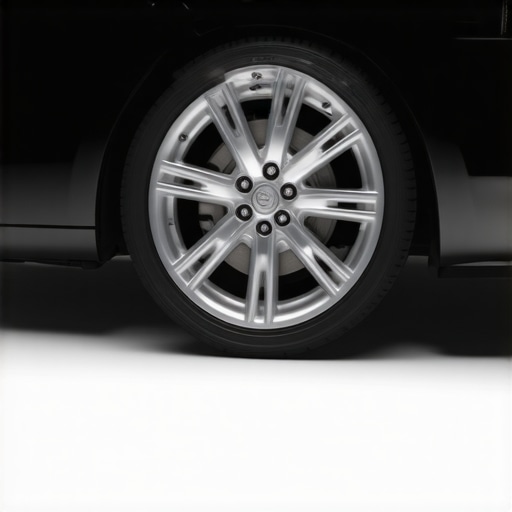
Ever looked at your shiny alloy wheels and felt a sinking dread when you see that dull, gritty film building up overnight? I remember the first time I woke up to a layer of bronze-colored grime coating my expensive rims. At first, I thought it was just dirt—no big deal, right? But then I noticed tiny spots turning into pits, causing irreversible damage. That moment was a lightbulb for me: brake dust isn’t just a cosmetic annoyance; it can seriously pit and damage your rims over time.
Why Brake Dust Is More Than Just a Nuisance
Brake dust is a mix of tiny metal particles, carbon fibers, and rubber fragments from your brake pads and rotor wear. When left unchecked, these particles settle on your wheels and, due to their abrasive nature, cause pitting—a process where small holes and grooves form on the metal surface. This is not only unsightly but can also weaken your wheels’ structural integrity, leading to costly repairs or replacements.
According to automotive industry experts, neglecting brake dust can accelerate rim deterioration. A study from the auto repair specialists highlights that regular cleaning and protective measures can extend the lifespan of your wheels significantly.
This realization prompted me to dig deeper into practical solutions, which I’ll share with you. But first, have you ever faced the frustration of cleaning your rims only to see the grime return within days? If so, you’re not alone—and there’s definitely a way to keep those dazzling rims pristine.
Let’s explore how to prevent brake dust from turning your beautiful rims into a pitted mess, saving you money and maintaining that showroom shine much longer.
Apply a High-Quality Protective Coating
Start by thoroughly cleaning your wheels with a dedicated wheel cleaner to remove existing brake dust and grime. Once dry, apply a ceramic or polymer wheel coating, which forms a protective barrier against brake dust accumulation. During my personal experience, using a ceramic coating helped my rims stay cleaner longer, reducing the time spent on maintenance. Be sure to follow the manufacturer’s instructions carefully for optimal results.
Use Brake Pads for Less Dust Generation
Switch to low-dust brake pads designed specifically to produce minimal brake dust. These pads are made from different materials that generate fewer particles upon wear, much like choosing a soft-bristled brush over a stiff one to prevent scratching. When I replaced my stock brake pads with low-dust options, I noticed a significant decrease in grime settling on my rims within just a few parking days. Check the compatibility of such pads with your vehicle’s braking system before installation.
Install Dust Shields or Wheel Covers
Adding aftermarket dust shields between the brake components and wheels creates an effective physical barrier, preventing brake dust from reaching your rims. I installed custom shields on my SUV after noticing the heavy buildup; it was straightforward and instantly improved the appearance of my wheels. Similar to how a splash guard keeps water from splattering onto your clothes, dust shields protect your rims from grime.
Regular Maintenance and Cleaning Schedule
Establish a routine to clean your wheels every 2 to 4 weeks—more frequently if you drive aggressively or in dusty conditions. Use a soft brush or microfiber cloth along with a pH-balanced wheel cleaner to avoid damaging the finish. During a recent detail session, I used a dedicated wheel brush, which effectively removed brake dust without scratching, maintaining a shiny appearance. Consistency is key; neglecting cleaning allows dust to embed into the surface, making future removal more difficult.
Park Strategically and Drive Mindfully
If possible, park your vehicle in shaded, dust-free areas and avoid frequent short trips that don’t allow brakes to cool. Overheated brakes produce more dust; just like how a hot pan tends to produce more smoke, brakes generate more dust when hot. I noticed less dust accumulation when I started parking in the garage and planning longer drives that help cool the braking system. This simple step reduces the amount of dust produced during each braking cycle.
Consider Professional Detailing and Restoration
For severely pitted or heavily stained wheels, professional restoration might be necessary. Techniques like wheel polishing or repainting, as explained in this detailed guide, can restore the surface to a new-like condition and make cleaning easier. In my case, a professional detailing session eliminated years of built-up grime, restoring my wheels’ original luster and simplifying maintenance tasks.
While many car owners believe they understand the basics of collision repair and auto maintenance, there’s a lot more beneath the surface that often gets overlooked. One prevalent misconception is that all repair shops approach issues similarly, but in reality, nuances in techniques like glue pulling for hail damage or alloy wheel restoration can dramatically affect outcomes. For example, some technicians treat paint matching as a simple color correction, but detailed processes like matching metallic paints after a door ding require specialized skills, as explained in this article. Moreover, a common mistake is neglecting the importance of addressing the root cause of recurring problems, such as a persistent fluid leak, which can lead to more costly repairs down the line. An often-overlooked aspect is the significance of proper inspection procedures—skipping detailed diagnostics can lead to patchwork fixes that don’t last and may even exacerbate issues, as highlighted in this guide. Advanced technicians understand that for long-lasting repairs, uncovering hidden problems, like subtle transmission or brake system faults, requires a keen eye and experience. For example, a slight vibration during braking might seem minor but can indicate uneven rotor wear or caliper issues, which if ignored, can compromise safety and lead to more expensive replacements. To avoid falling into these traps, always seek comprehensive diagnostics rather than quick fixes. Remember, quality repair isn’t just about aesthetics; it entails a thorough understanding of vehicle mechanics and meticulous attention to detail. Think about it—have you ever fallen into this trap of assuming a quick repair solved the problem, only for it to reappear later? Let me know in the comments!
Keeping It Working: Essential Tools for Auto Maintenance
Maintaining your vehicle’s collision repairs and auto systems over the long term requires the right equipment. I personally rely on a high-quality digital inspection camera, such as the DEPSTECH DS430, which allows me to inspect hard-to-reach areas like behind dashboards or deep within engine bays without dismantling parts unnecessarily. This tool has saved me countless hours and prevented unnecessary disassembly, especially when diagnosing inner panel damage or inspecting for hidden fluid leaks, as discussed here.
Alongside the inspection camera, a precise torque wrench like the ACDelco 19353663 is indispensable for ensuring bolts are tightened to manufacturer specifications during reassembly. Proper torque application prevents over-tightening that can damage components and under-tightening that could lead to future failures. I’ve found that maintaining correct bolt tension extends the lifespan of collision-repaired damage and helps keep systems like transmission mounts and brake assemblies functioning smoothly.
Leveraging Software for Accurate Diagnosis
Modern auto repair heavily depends on diagnostic tools. I use a professional-grade OBD-II scanner such as the BlueDriver Bluetooth Pro, which pairs with my smartphone and provides real-time data and code troubleshooting. This allows me to quickly identify issues like catalytic converter clogging or misfires that may mimic damage symptoms, reducing guesswork and ensuring repairs are targeted precisely. For example, if your car stalls unpredictably, a thorough diagnostic with an advanced scanner can reveal hidden causes as outlined here.
Predicting where repair technology is headed, I believe the integration of AI-driven diagnostic apps and telematics will make preventive maintenance more accessible and affordable. Vehicles will increasingly communicate their needs proactively, minimizing damage and optimizing repair timelines.
How do I keep collision repairs running smoothly over time?
Establish a scheduled maintenance routine that includes regular software updates for diagnostic tools, timely fluid changes, and periodic inspections of critical collision repair components such as bonding adhesives and re-aligned panels. Don’t forget to consult expert resources—like the comprehensive guides available at this link—to ensure your procedures align with industry standards. Regularly checking alignment and material integrity also prevents minor issues from escalating, saving time and money in the long run. Remember, consistent maintenance is key; incorporating these tools and practices will keep your vehicle’s collision repairs durable and reliable. Give these advanced tips a try today, especially investing in that inspection camera, to identify and resolve hidden issues before they turn into costly repairs!
Lessons from a Wheel Whisperer
One of the most eye-opening lessons I learned is that neglecting brake dust can lead to irreversible damage, much like ignoring the warning signs of a creeping illness. I used to think regular washing was enough, but only after restoring a set of pitted, rusted rims did I realize the importance of proactive protection. Sometimes, the smallest changes—like applying a ceramic coating—made the biggest difference in preserving my wheels’ beauty and strength. The key insight? Preventive measures like using quality protective coatings and choosing low-dust brake pads can save you from costly repairs down the line.
Tools and Tricks That Changed the Game
Over time, I found that having a reliable inspection camera, such as the DEPSTECH DS430, allowed me to identify hidden brake dust buildup before it caused damage. Additionally, a precision torque wrench like the ACDelco 19353663 ensured I reassembled components with perfect tightness, preventing future issues. Don’t overlook the power of a good wheel brush paired with a pH-balanced cleaner—it’s surprising how much grime you can remove without scratching your rims. These tools, combined with my routine and strategic upgrades like dust shields, transformed my approach to wheel care, making maintenance less of a chore and more of an investment in longevity.
Fueling Your Passion for Pristine Rims
Now, it’s your turn—imagine rolling up to your favorite spot with rims that turn heads and withstand the test of time. Every effort you put into understanding brake dust and implementing protective steps is a step toward car care mastery. With the right knowledge, tools, and attitude, you can keep your alloy wheels shining brighter for longer, avoiding pitfalls and embracing the joy of driving a well-maintained vehicle. Ready to take action? Share your experiences or ask questions below—together, we can keep our rides looking their best!