
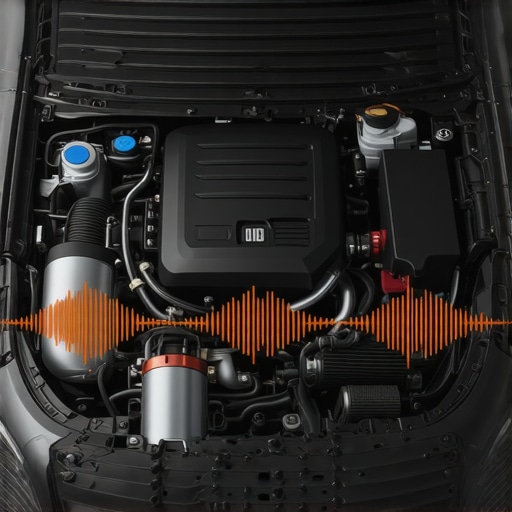
One morning, I was backing out of my driveway when I suddenly heard that persistent ticking noise coming from my engine bay. At first, I thought it was just a harmless spark plug or a temporary glitch, but as I turned onto the street, the sound grew louder and more insistent. A sinking feeling settled in — was my engine about to give out? That moment made me realize how confusing and nerve-wracking it can be when your car starts making strange noises, especially when you’re not sure if it’s serious or just a minor quirk.
Decoding the Mystery: Why Knowing the Difference Matters
I’ve learned through trial, error, and plenty of research that understanding whether that ticking is a valve issue or an exhaust leak can save you a lot of time, money, and stress. Not every tick is a sign of imminent disaster, but ignoring persistent engine noises can sometimes lead to more costly repairs down the line. In my own experience, misdiagnosing the source of the noise resulted in unnecessary parts replacements and a deep dive into my vehicle’s inner workings. It’s a mistake I wouldn’t want you to repeat. Today, I’ll share practical tips to help you tell the difference between a valve tick and an exhaust leak, so you can make informed decisions and avoid unnecessary trips to the mechanic.
Is This Noise Actually Worth Worrying About?
One common Skepticism I’ve encountered is whether these engine ticks are ever truly urgent or if they’re just part of normal engine operation. I used to dismiss faint ticking sounds as typical engine chatter—until it turned into a full-blown rattle that felt like my car was protesting. Early on, I made the mistake of ignoring subtle signs, which later cost me time and money—especially when a minor issue became a major problem. Trust me, paying attention to these sounds can prevent much bigger headaches. For more insights on how small signs can reveal big problems, check out [this article](https://collisionrenew.com/the-real-reason-your-car-smells-like-burning-plastic). Now, let’s get into how you can identify what’s really going on under your hood.
Listen Closely and Reproduce the Sound
Start your engine and listen carefully to the ticking noise. Try to reproduce it by engaging different engine functions—such as revving slightly or idling longer—to observe when it intensifies or diminishes. During one instance, I found that revving caused my ticking to accelerate, indicating a potential valve issue. This initial step helps you determine if the sound is consistent or varies with engine activity.
Check for Visible Signs and Leaks
Open the hood and visually inspect for signs of wear or leaks. Look around the exhaust manifold and valve cover gaskets. If you notice black soot or oil traces near these parts, it suggests a leak or worn valve seals. A quick visual check saved me from unnecessary part replacements when I spotted an exhaust leak that was producing that familiar ticking sound.
Test the Exhaust System
Have someone start the engine while you listen near the exhaust pipe. A louder, abrupt noise may indicate an exhaust leak. To be precise, I used a piece of cardboard to localize the leak — placing it near suspected areas and listening for change in sound. Remember, an exhaust leak can sound like a rhythmic ticking, especially at certain RPMs. For a detailed method, see matching the metallic paint after a ding.
Perform a Valve Clearance Inspection
This requires removing valve covers and measuring the clearance between the valve stem and rocker arm, usually with a feeler gauge. If the clearance is out of specification, it causes ticking sounds. I once adjusted valve lash myself after watching a detailed video, resulting in a quieter engine. Always consult your vehicle’s service manual before attempting this step, or consider professional assistance if unsure.
Listen for Piston and Rod Noise
If the ticking is rhythmic and changes with engine speed, it could stem from piston slap or loose connecting rods. To test, gently rev the engine and note the pattern of the noise. If it persists consistently, it’s worth checking your engine’s internal components with a mechanic. For more insights on engine sounds, explore sewing-machine-like engine taps.
Utilize Diagnostic Tools
Finally, connect an OBD-II scanner to check for error codes related to engine misfires or sensor malfunctions influencing your noise. While I didn’t need to do this myself initially, it can rapidly narrow down the causes—saving time and effort. This step is analogous to using a metal detector before digging—eliminating unnecessary work.
Document Your Findings
Keep a record of the noises, associated conditions, and any visual signs you observe. This documentation proved invaluable when I consulted a mechanic later, providing them with precise details about my engine’s behavior. It helps differentiate between minor irregularities and something requiring urgent attention, such as a failing fuel pump—see fuel pump issues.
Many car owners operate under misconceptions that can lead to costly mistakes. One prevalent myth is that all brake pads wear evenly, which isn’t true—neglecting uneven wear can result in premature replacements or worse, brake failure. Understanding the nuanced behavior of braking systems helps prevent such pitfalls. Contrary to popular belief, not every symptom indicates immediate danger, but overlooking early signs often exacerbates problems.
Are Cheap Parts Always a Good Deal, or Do They Conceal Risks?
Many believe that aftermarket, budget-friendly parts are interchangeable with OEM components. However, in my experience, quality disparities can compromise vehicle safety and longevity. Using subpar parts might save money initially, but often leads to repair repeats or system failures. According to automotive expert Mark McArdle, opting for high-quality parts ensures better performance and durability, especially for critical components like transmissions and suspensions. This article details how inferior brake parts can compromise safety during emergencies.
Another common mistake is ignoring signs of transmission slipping or harsh shifts, assuming they will fix themselves. Transmission issues rarely resolve without intervention, and delaying repairs can result in more extensive damage. Many believe a transmission flush will always fix shifting problems; however, it can sometimes exacerbate existing issues if contaminants are not addressed properly. Regular diagnostics are essential—connecting an OBD-II scanner reveals error codes that direct repairs precisely, preventing unnecessary replacements and saving money in the long run.
When it comes to collision repairs, some assume that minor dents don’t affect vehicle safety. But as I’ve learned, even small damages can hide structural weaknesses. Misdiagnosing collision damage can lead to more serious issues down the road, including compromised crumple zones and internal misalignments. Always trust detailed inspections from certified specialists to identify underlying damage.
Furthermore, many drivers overlook how routine maintenance can be a double-edged sword. Skipping fluid changes or neglecting filter replacements isn’t just about saving money; it’s about risking engine or transmission failure. Advanced drivers stay informed about service intervals, understanding that ignoring recommendations, especially for cooling system flushes or oil changes, can precipitate overheating and component failure. For example, in high-mileage vehicles, failing to address cooling system concerns can lead to engine warping—something I experienced firsthand when neglected radiator maintenance caused costly repairs. Check out this detailed guide on proper cooling system management.
In summary, debunking these myths and acknowledging advanced mistakes can extend your vehicle’s lifespan and improve safety. Remember, the difference between a good repair and a costly mistake lies in your knowledge and attention to detail. Stay curious, stay vigilant—and don’t hesitate to ask your mechanic questions. Have you ever fallen into this trap? Let me know in the comments.
Maintaining your vehicle’s health requires more than just basic oil changes and tire rotations. Investing in the right tools and adopting precise methods can significantly extend your car’s lifespan and save you money on repairs. Personally, I swear by a few essential pieces of equipment that have made diagnosing and fixing issues far more manageable.
Prioritize a Reliable Scan Tool for Accurate Diagnostics
One of the most valuable tools I own is a quality OBD-II scanner, like the Autel AutoLink AL519. Unlike generic devices, this scanner offers live data, freeze-frame readings, and the ability to clear codes. It has been instrumental in diagnosing issues before they escalate, such as detecting early signs of a failing fuel pump or transmission slip. Regular scans, especially when symptoms first appear, help prevent costly breakdowns. I recommend learning how to interpret these codes properly; sometimes, understanding a simple P0171 code can reveal a vacuum leak that could otherwise cause rough idling or poor fuel economy. For more detailed insights, check https://collisionrenew.com/how-to-spot-a-failing-fuel-pump-before-it-leaves-you-stranded.
Use Precision Tools for Fine Adjustments
When it comes to long-term maintenance, tools like a digital feeler gauge set make all the difference. I’ve used these to accurately set valve clearances during a DIY job, which can reduce engine ticking and improve efficiency. Avoid relying solely on manual feeler gauges; digital versions provide more precise measurements, especially in tight engine compartments. These adjustments can prevent issues like engine knocking or premature wear, extending your engine’s service life. Remember, always refer to your vehicle’s service manual for correct specs, or consider professional help for complex tasks.
The Future of Car Maintenance: Smart and Automated
Looking ahead, the trend points toward smart diagnostics and automation. Vehicles are increasingly equipped with onboard systems that track component health in real-time, alerting owners to maintenance needs before problems develop. Advanced telematics and AI-driven software will likely make ownership more convenient, reducing unexpected repairs. For example, predictive maintenance can inform you when to replace your serpentine belt or coolant flush, ensuring reliability without guesswork.
Question: How do I maintain my vehicle over time?
Consistent upkeep relies on a mix of regular inspections, using the right diagnostic tools, and executing precise repairs. Keeping a detailed maintenance log, noting issues like rattles or uneven wear, can reveal patterns that point to underlying problems before they become serious. Also, leveraging specific tools for parts replacement—such as a torque wrench for proper bolt tightening—ensures repairs last longer and prevent damage. For instance, correctly torquing your wheel lug nuts is vital to avoid uneven tire wear or safety hazards. For help with the detailed steps, consider reading https://collisionrenew.com/why-your-brake-pedal-shakes-only-during-emergency-stops. Attempting to fix a misaligned engine mount or a slipping transmission with the right tools and knowledge can save a trip to the shop and extend your vehicle’s life.
To maximize reliable performance, I strongly recommend testing your vehicle’s systems periodically—especially before long trips. Use your diagnostic scanner to check for stored error codes, and address minor issues promptly. Remember, a well-maintained vehicle isn’t just about avoiding breakdowns; it’s about preserving safety, efficiency, and comfort for the years to come. So, get started today by investing in a good scan tool and committing to regular checkups—your car will thank you!
,
Throughout my years of repairing cars, I’ve come to realize that engine noises often tell a story far richer than their initial impression suggests. The ticking, knocking, or rattling sounds are like whispers from your vehicle—clues that, if interpreted correctly, can prevent costly repairs and keep your car running smoothly for years to come. Real insight comes from paying attention, understanding the context, and knowing when to act—and when to simply listen.
Lessons Car Whisperers Won’t Tell You About Diagnosing Engine Sounds
- Not every noise signals disaster. Understanding the subtleties—like whether a tick speeds up with RPM or remains constant—can distinguish minor issues from major failures. During my own misdiagnoses, I learned that patience and keen listening can save both money and time. This experience taught me that trusting your ears, combined with visual checks, is a skill worth cultivating.
- Seeing is understanding. A quick visual inspection can reveal leaks or soot marks that explain the noise. I once identified an exhaust leak simply by noticing black soot around the manifold, which turned out to be the culprit for a ticking sound. Don’t underestimate the power of a thorough eye examination before diving into complex diagnostics.
- Tools magnify your intuition. Connecting an onboard diagnostic scanner or using a feeler gauge during valve adjustments transformed my approach from guesswork to precision. These tools revealed hidden problems early, often before I noticed the first symptoms. Embracing the right equipment amplifies your ability to maintain your vehicle proactively.
- The story behind each sound. For internal engine noises, understanding whether they stem from pistons, valves, or rods helps in making informed decisions. I faced a rhythmic ticking that turned out to be a loose rocker arm—fixable with a simple adjustment. Knowing the typical patterns enhances your confidence and cuts through unnecessary worry.
- Never skip regular diagnostics. Incorporating periodic checks with reliable scan tools helps catch issues early. For example, monitoring error codes related to misfires or sensor malfunctions can save you from sudden breakdowns. Think of it as regular health checkups for your car—vital for longevity and safety.
Gear Up with Solutions That Keep You Moving
- High-quality paint matching tips—ensure your collision repairs are seamless and durable, minimizing future touch-ups.
- Understanding brake system nuances—prevent unexpected behaviors and improve safety during stops.
- Detect early signs of fuel pump failure—keeping your engine running reliably without surprises.
- Assessing spare tire safety—avoid emergencies with a quick check.
- Addressing driving quirks—improve your ride’s stability and comfort.
Own Your Journey: Take Charge and Keep Your Car in Top Shape
Maintaining a vehicle is a blend of science and intuition. Trust your instincts, leverage the right tools, and stay curious about the stories your car tells through its sounds. With knowledge and proactive care, you ensure not just safety and reliability but also the satisfaction that comes with mastering your vehicle. Remember, every ticking or knocking is an opportunity—an invitation to learn and to act.
What unexpected engine noise have you encountered, and how did you resolve it? Share your story below—I’d love to hear your experiences and tips!