

Ever spent ages polishing your car, only to step back and see your carefully applied paint shimmering with tiny bumps that resemble an orange peel? I remember the moment vividly—after hours of spraying and buffing, I thought I had nailed the perfect finish, but in the sunlight, it looked lumpy and uneven. Frustration set in. It was a classic case of spray paint going wrong, and I couldn’t help but wonder: why does my car’s paint look like an orange peel, and more importantly, how can I fix it?
Getting to the Root of the Texture Trouble
This nagging issue isn’t just about aesthetics. Uneven paint can compromise the protection against rust and environmental damage. When I first noticed my paint texture was rough, I thought it was just bad luck or a poor quality product. But I soon learned that it’s often related to specific application conditions and techniques that anyone can overlook. Understanding these factors can help you avoid the same mistakes I made early on, like not properly preparing the surface or rushing the drying process. For a deeper dive into common automotive paint problems, check out this article.
Now, let’s tackle how to achieve a smooth, professional-looking finish and truly understand why your paint sometimes ends up resembling that orange peel texture. If you’ve ever felt the sting of disappointment after a paint job, you’re not alone. Trust me, with the right knowledge and practice, you can turn this around and get that sleek, glossy look every car owner dreams about.
Prepare Your Surface for Success
Start by thoroughly washing your car with a high-quality car shampoo to remove dirt, grease, and contaminants. Next, use a clay bar to eliminate ingrained particles, ensuring a smooth base. For instance, I once overlooked this step and ended up with a rough finish; after re-prepping, the paint applied smoothly.
Optimize Your Environment and Conditions
Work in a Controlled Area
Choose a clean, dust-free garage or shaded outdoor space to prevent debris from settling on wet paint. Avoid windy days that can cause overspray and dirt particles to land on your surface. I learned this the hard way when a slight breeze ruined my first attempt, leading to a textured finish.
Control Temperature and Humidity
Maintain a stable temperature between 70-75°F (21-24°C) and humidity levels below 50%. Use a heater or dehumidifier if necessary. High humidity can cause the paint to dry unevenly, resulting in that orange peel look. During a project, I used a portable heater and noticed the paint dried uniformly, yielding a glassy smooth surface.
Adjust Your Spray Technique
Use a HVLP spray gun set to the correct pressure—usually around 10 PSI for automotive paint. Hold the gun at a consistent distance of about 6-8 inches from the surface. With experience, I learned to move my hand smoothly in steady, overlapping passes, similar to painting with a wide brush, which minimized runs and texture.
Apply Thin, Even Coats
Don’t rush; apply multiple light coats rather than a single thick layer. Wait 10-15 minutes between coats to let the solvent evaporate. I once applied a thick coat, causing drips and an uneven surface. After switching to thin coats, the finish became much smoother.
Allow Proper Curing and Drying
After the final coat, let the paint cure in a dust-free environment for at least 24 hours. Refrain from touching or buffing prematurely. During my last project, I thought I could accelerate drying, but the resulting texture was rough and dull. Patience here pays off big time.
Finish with Wet Sanding and Polishing
Use 1500-2000 grit wet sandpaper to gently smooth out any imperfections, then polish with a fine car polish to achieve a mirror-like shine. I once skipped this step, ending with a surface that looked okay but lacked that deep gloss. When I finally added wet sanding and polishing, the difference was night and day.
Regular Maintenance and Inspection
Keep an eye on your paint’s condition, addressing small chips or scratches promptly to prevent further damage. Proper washing and waxing extend the paint’s life and help maintain that sleek appearance. Avoid harsh detergents that can strip the paint, as I once did, which led to a dull finish and uneven texture over time.
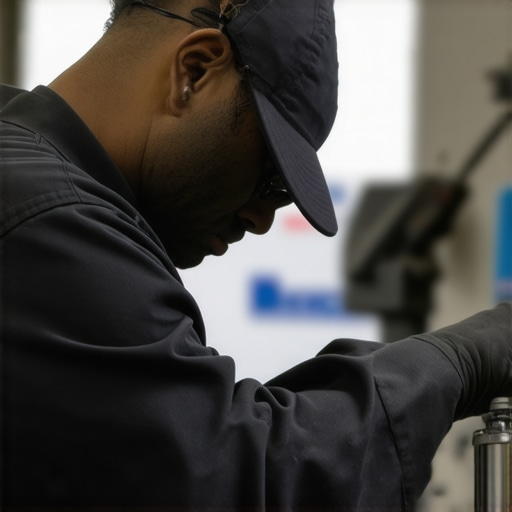
Many car owners believe that following the basic instructions or trusting popular advice is enough to keep their vehicle in top condition. However, as an auto repair expert, I’ve seen countless myths and misconceptions that lead people astray, sometimes causing more harm than good. Let’s examine some of these pitfalls and the nuanced truths behind them, so you can approach your vehicle maintenance with informed confidence.
Why Rushing Repairs Can Lead to Bigger Problems
It’s a common belief that delaying repairs or skipping routine maintenance saves money. Conversely, neglecting small issues often allows them to escalate into costly repairs. For instance, ignoring a slow leak in your brake system might seem minor initially, but over time, it can compromise your braking performance and lead to expensive fixes. Proper diagnosis and timely intervention are critical, as emphasized by automotive safety studies, which show that early repairs significantly reduce long-term costs. Never assume that a delay won’t impact safety or expenses—brake issues are a classic example.
Misunderstanding Transmission Care and Overlooking the Heat Factor
A prevalent myth is that transmission fluid lasts forever if it looks clean. In reality, transmission overheat is one of the most overlooked issues, especially during long road trips or in hot climates. Overheating can cause fluid breakdown, leading to hard shifting, slipping, or even transmission failure. Regularly checking and cooling your transmission, especially during demanding drives, is essential. Remember, transmission fluid contamination and overheating are often indirect causes behind shifting problems, even when fluid levels seem fine. For advanced guidance, see how overheating affects transmissions.
Is Your Car Service Actually Covering the Right Troubles?
Many assume that routine maintenance only involves oil changes and tire rotations. While these are vital, comprehensive inspections are often overlooked. For example, a misdiagnosed engine misfire could stem from minor issues like spark plug gaps or more complex problems like fuel injector malfunctions. Overlooking these nuances can lead to repeated trips to the shop and increased costs. A thorough diagnostics approach—especially for complex systems such as emissions or drive belts—can prevent the many pitfalls associated with superficial repairs.
Understanding the Hidden Dangers of Using Mismatched Parts
Car owners often replace faulty components with whatever parts are available, assuming that similar-looking parts are interchangeable. However, mismatched or low-quality components can cause unexpected behavior or damage. For example, mismatched brake pads or tires can result in uneven wear, reduced safety, and even damage to braking systems. Ensuring compatibility and quality, especially with critical parts, protects both your investment and safety. Want to learn about common mistakes in part replacement? Check this article.
Advanced Tips for an Expert Edge
Today’s vehicle systems are increasingly sophisticated, integrating electronic controls that require detailed understanding. For example, many technicians still believe that resetting the check engine light is as simple as disconnecting the battery—a misconception that can mask underlying issues. Proper diagnostics using advanced scan tools are essential. Furthermore, understanding the nuances of system interactions, such as how transmission and cooling systems influence each other during extended driving, can prevent issues before they manifest. For an in-depth technical approach, see how transmission and engine interactions.
Involving yourself with accurate knowledge—not just assumptions—can save you significant time and money. Don’t fall victim to common misconceptions that can undermine your vehicle’s reliability and safety. Instead, equip yourself with nuanced insights and proactive strategies. Have you ever fallen into this trap? Let me know in the comments and share your experiences.
Can You Keep Your Car Running Smoothly Over the Years?
Maintaining your vehicle’s performance isn’t just about quick fixes—it’s about building a reliable system that endures. Over the years, I’ve found that a few key tools and disciplined routines make a world of difference in keeping your car working efficiently and extending its lifespan. One tool I rely on heavily is a high-quality scan tool like the OBD-II Scanner. Not only does it allow me to diagnose engine and transmission codes accurately, but I also use it to reset warning lights after repairs, preventing unnecessary worries. For consistent updates and troubleshooting, I prefer software such as BlueDriver, which pairs with my smartphone and provides real-time data on critical systems.
Beyond diagnostic devices, having a dependable set of hand tools is essential. I always recommend a digital torque wrench for precise tightening, especially on critical components like suspension and brake parts. This ensures you avoid over-tightening, which can cause damages or safety issues down the line. Investing in quality sockets, ratchets, and screwdrivers with corrosion-resistant finishes will also pay dividends, especially when accessing hard-to-reach areas.
High-Performance Cleaning and Inspection
Regular cleaning is vital for long-term performance. I swear by the ultrasonic cleaner for delicate components such as sensors or injectors. It effectively removes stubborn dirt and grime without damaging delicate parts. Additionally, inspecting parts like serpentine belts and hoses with a specialist’s tip helps prevent sudden failures. When inspecting critical components, I use a flashlight with a focused beam to spot cracks or signs of wear that might be missed otherwise.
Adapting Tools for Better Outcomes
As vehicle systems become more complex, tools like scanning mirrors and borescopes have become game-changers. They let me peek into tight spaces without dismantling entire assemblies. For instance, using a borescope, I can check the inside of a transmission without removing it—saving hours of labor and reducing costs. The integration of diagnostic software with these tools is heading toward AI-driven recommendations, making maintenance more precise than ever. I expect this trend to grow, revolutionizing how we approach long-term car care.
When it comes to future maintenance, predictive analytics based on vehicle data will become the norm, allowing for proactive interventions before issues become critical. This evolution will demand vehicle owners and technicians alike to stay updated with the latest software and tools. To get started today, I recommend trying out a code reader app combined with a Bluetooth dongle; it’s an affordable way to gain immediate insight into your car’s health, aligning with the advice from this article.
How Do I Maintain My Car’s Performance Over Time?
Establishing a routine of regular inspections, proper fluid changes, and using precise tools like a torque wrench can vastly improve your vehicle’s longevity. Remember, diagnostics and preventive care are your best allies. Don’t forget to check out this guide for tips on maintaining fuel system health. Be proactive—your car will thank you with years of dependable service. Ready to try a powerful strategy? Grab a diagnostic scanner or an ultrasonic cleaner today and take control of your car’s long-term health.
Lessons That Nobody Tells You About Perfecting Your Car’s Finish
One of the most valuable lessons I’ve learned in automotive care is that patience is a secret weapon. Rushing through paint application or skipping surface prep can lead to that dreaded orange peel texture, undermining even the best efforts. Another insight is that small, seemingly insignificant environmental factors—like humidity levels—can drastically alter the outcome. Real improvements come from meticulous attention to detail and embracing the process, not rushing to finish.
Additionally, I discovered that investing in the right tools, such as a precise HVLP spray gun and a quality wet sandpaper set, can save hours of rework and frustration. Sometimes, the simplest adjustments—a slight change in spray distance or applying thinner coats—make all the difference in achieving that mirror-like finish. The knowledge that every step in surface preparation and curing affects the final result has been a game-changer for me.
My Go-To Resources for Long-Lasting Car Care Innovation
- OBD-II Scanner Devices: These tools, like BlueDriver, have transformed my diagnostics routine, allowing me to understand vehicle issues at a glance and avoid unnecessary repairs. They’re dependable and make early problem detection accessible to everyone.
- Auto Repair Books: Titles such as “High-Performance Automotive Maintenance” offer deep insights into complex systems and boost confidence when tackling tricky repairs. They’re a treasure trove of practical knowledge I keep coming back to.
- Educational Websites and Forums: Platforms like CollisionRenew are invaluable for troubleshooting specific issues, reading expert advice, and staying updated on emerging automotive technologies. The community support there provides clarity you just can’t get elsewhere.
- Quality Parts Suppliers: Using reputable sources ensures compatibility and longevity. I trust brands with a history of reliability, as they prevent accidental mismatches or premature failures during repairs.
Your Next Step Toward Confidence in Automotive Maintenance
Remember, mastering vehicle care means blending patience, precise technique, and ongoing learning. Every successful repair or finish enhances your confidence, saves money, and keeps your car running smoothly for years to come. Don’t shy away from trying new tools or exploring detailed guides—these steps can make all the difference. Your car’s health is worth the effort, and with the right mindset, you’ll enjoy a safer, more reliable driving experience. Are you ready to take control of your car’s future and make maintenance a rewarding habit? Share your thoughts below and let’s grow together in this journey.