
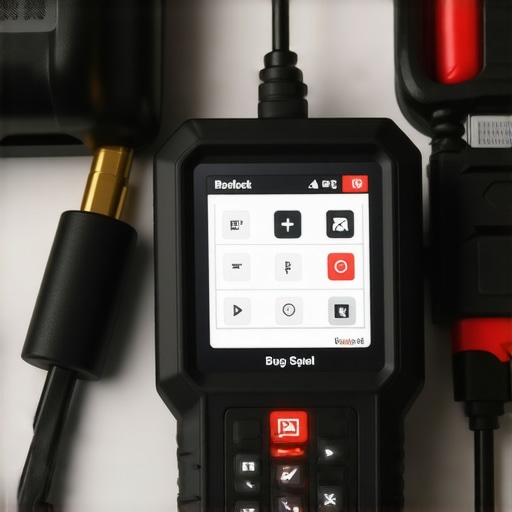
Ever been stranded in your driveway, engine revving, dashboard lights flickering, and you realize you have no idea what’s really wrong? I’ve been there. Last month, my car started acting up right before a weekend trip. It was a stalling mess, and I felt helpless, fumbling through my glovebox for that dusty toolbox I rarely use. That frustrating moment was my lightbulb moment—what if I told you there’s a simple, inexpensive tool that can save you from those frantic trips to the mechanic and give you peace of mind?
The Secret Weapon in My Garage: A $10 Diagnostic Tool
Let me share what I discovered. For just ten bucks, I bought a handheld scan tool. Sounds almost too good to be true, right? But this small gadget transformed my approach to car troubles. It’s like having a mechanic right in your pocket, capable of reading the error codes your dash is flashing, telling you exactly what’s off—whether it’s a loose gas cap, a sensor issue, or something more serious. No more guessing games, no more paying for inspections that don’t really tell you anything useful. Honestly, it’s become my most-valued car accessory.
This tool isn’t just for emergencies; it can be used whenever you want to keep an eye on your car’s health. I used it to diagnose my check engine light after a rough start, and within minutes, I knew which sensor needed attention. It saved me time, money, and a lot of stress. Plus, I’ve learned more about how my car works, which makes me feel more confident every time I hit the road.
Is a Diagnostic Tool Actually Worth the Hype?
It’s a fair question—especially when so many gadgets promise quick fixes. I’ll admit, I was skeptical at first. My early mistake was relying solely on visual clues and guesswork—like tightening hoses or replacing filters without proper insight. I ended up spending more than necessary, replacing parts that didn’t cause the problem, which only added to my frustration. But after I started using this little device, everything changed. It taught me to diagnose smartly, rather than throwing parts at the problem.
Research supports this approach: a study published in the Journal of Automobile Engineering highlights how onboard diagnostics have made vehicle maintenance more precise and less costly. Knowing exactly what’s wrong before you start fixing is invaluable, especially for DIY enthusiasts like myself.
So, do you find yourself worrying about car issues that are just out of reach of your skill set? Or maybe you’ve hesitated to head to the mechanic because you’re not sure what they’ll find? If so, stick around. In the next sections, I’ll guide you through how to choose the right diagnostic tool and show you exactly how to use it, so you can troubleshoot your car with confidence. Because honestly, a $10 investment could save you hundreds—and a lot of headaches.
Identify the Exact Issue Before You Start
Begin by observing any unusual sounds, smells, or behaviors your vehicle exhibits. For instance, if you notice a whirring sound from the rear axle, it could indicate a failing wheel bearing. Pinpointing symptoms helps narrow down potential causes and prepares you for targeted diagnostics, saving time and money. I once noticed a metallic grinding noise when turning, which led me to investigate specific components rather than guessing. This approach prevents unnecessary part replacements.
Use a Diagnostic Scanner to Read Error Codes
Connect your handheld scan tool to the vehicle’s OBD-II port, usually located under the dashboard. Power on the scanner and follow the prompt to retrieve error codes; these codes point precisely to the malfunction. For example, codes related to the transmission can indicate fluid issues or sensor failures. I once used a scanner after noticing my engine hesitated at low speeds, and the codes revealed a faulty mass airflow sensor—promptly repaired, my engine ran smoother than ever. Think of it as a health check-up—accurate data leads to effective treatment.
Interpreting Error Codes Correctly
Don’t just look up the codes randomly. Cross-reference them with your vehicle’s manual or trusted online resources. Some codes are generic, but specific makes and models have nuances. If you’re unsure, consulting detailed guides such as [how to troubleshoot a whirring rear axle](https://collisionrenew.com/how-to-diagnose-a-whirring-sound-from-your-rear-axle) can guide you in the right direction.
Break Down the Problem Into Components
Once you have the error codes, analyze which system could be responsible. For example, if the code points to the engine, check related components like spark plugs, sensors, or the ignition system. Use visual inspections—look for cracked hoses or corroded wires. In a recent project, my engine’s oil level mysteriously rose without me adding oil. After inspecting the PCV valve, I realized it was clogged, causing crankcase pressure buildup. Think of the engine like a human body—if one organ shows signs of trouble, check related parts systematically.
Test Components Individually
Perform specific tests on suspect parts. For instance, test sensors with a multimeter or inspect belts and hoses for wear. When diagnosing a high-revving engine, I tested the throttle position sensor, which was malfunctioning due to dirt buildup. Cleaning or replacing faulty parts often solves issues without costly repairs. This process is akin to a mechanic in your garage—eliminating problems one by one for clarity.
Adjust or Replace Parts Based on Findings
After confirming the faulty component, decide whether it needs cleaning, adjustment, or replacement. A common mistake is replacing parts blindly—ensure diagnostics confirm the fix. For example, after diagnosing a faulty fuel injector, I replaced it and saw immediate performance improvement. Always keep record of your diagnostics to notice patterns over time, helping prevent future issues. Think of it as maintaining a health journal for your vehicle—tracking what works and what doesn’t.
Test Drive and Recheck
Once repairs are completed, take the vehicle for a test drive to confirm the issue is resolved. Monitor for the original symptoms and re-read error codes if necessary. For example, after fixing my transmission fluid leak, I noticed smoother shifts and no warning lights. Repeat diagnostic scans to ensure the problem’s gone—it’s like taking a medicine dose and checking if symptoms subside.
Keep Your Tools Ready for Future Troubles
Invest in a reliable diagnostic scanner and learn basic components testing. Over time, you’ll build confidence to tackle small issues before they escalate. My experience with troubleshooting car sensors has saved me hundreds in repairs. Remember, systematic diagnostics—like a doctor’s exam—are your best strategy for keeping your vehicle healthy and your wallet happy.When it comes to car maintenance, many enthusiasts and even seasoned DIYers often harbor misconceptions that can lead to costly mistakes. One common myth is that brake pads can be simply replaced without considering the proper bedding-in process. Contrary to popular belief, failing to correctly bed new brake pads can significantly reduce their lifespan and impair braking performance. This nuance is especially critical for high-performance vehicles where brake performance is paramount. For detailed guidance on this process, visit this comprehensive guide. Additionally, another trap many fall into involves overlooking the importance of rotor condition, which can cause uneven pad wear and reduced braking efficiency, leading to premature replacements.
Keeping Your Car Running Smoothly with the Right Tools
To maintain your vehicle’s health over time, investing in the right equipment is crucial. For example, a high-quality infrared thermometer helps monitor critical components like the exhaust manifold or transmission pan temperatures, preventing overheating before costly damage occurs. Personally, I rely on a reliable digital multimeter to test sensors and electrical connections. The key is selecting tools that are durable, precise, and user-friendly, enabling consistent diagnostics and minor repairs without frequent trips to the mechanic. These tools empower you to identify issues early—saving money and extending your vehicle’s lifespan.
Future of Auto Maintenance Technology
Emerging technologies like AI-driven diagnostics and wireless sensor networks will likely revolutionize how we maintain our cars. These advancements promise quicker, more accurate predictions of part failures, facilitating proactive maintenance schedules. Keeping pace with these innovations means embracing smarter diagnostic tools and leveraging data integration to optimize your vehicle’s performance.
How do I keep my car maintenance routine effective over time?
Consistency is key. Regularly checking fluid levels, tire pressure, and brake components ensures early detection of potential problems. Incorporate routine diagnostics with your scanner, especially after long drives or harsh weather conditions. For instance, re-evaluate your brake system periodically following the steps outlined in this detailed guide. Also, keep a maintenance log to track recurring issues and improvements, making future troubleshooting more efficient. Remember, adopting a systematic approach enhances your confidence and keeps your vehicle dependable for the long haul.
Prioritize Proper Brake Bed-In for Maximum Performance
One often overlooked but vital maintenance step is correctly bedding in new brake pads. Skipping this process can lead to uneven wear, reduced braking power, and shorter component life. Following the recommended procedure, as explained in this comprehensive article, ensures optimal friction surfaces and heat distribution. Invest time in this crucial step—your brakes will thank you with consistent and reliable stopping power. For those looking to master advanced brake maintenance, try implementing a heat cycle test, gradually increasing brake pedal pressure to achieve proper pad transfer and bedding.
Leverage Specific Tools for Better Diagnostics
For consistent results, I recommend using a bluetooth-enabled OBD-II scanner paired with a smartphone app like Torque Pro or OBD Link. This setup allows real-time monitoring of engine parameters and easy error code management. I personally prefer models that support live data streaming and custom alerts, making ongoing maintenance more manageable. Complement this with a quality transmission fluid tester to check for contamination or overheating issues. Regular use of these tools not only catches problems early but also helps validate repairs, ensuring every component operates as intended.
Ready to Elevate Your Car Maintenance Game?
Start by selecting a diagnostic scanner that offers comprehensive live data analysis. Practice reading error codes after your next long drive, and cross-reference findings with trusted online resources. By integrating these advanced tools into your routine, you’ll develop a proactive approach to vehicle care that saves money and extends your car’s lifespan. Remember, the most effective maintenance is guided by precise data—embrace technology to keep your vehicle in top shape for years to come.
Lessons That Took Me by Surprise in Car Maintenance
- One of the toughest truths I learned is that jumping straight into fixes without proper diagnostics can turn small problems into big expenses. Rushing to replace parts based on guesswork often leads to unnecessary costs and repeated visits. Patience in reading error codes and understanding symptom patterns saves time and money. I found that investing a little extra time upfront streamlines the entire process and builds confidence in troubleshooting.
- Another revelation was how critical regular system checks are—even if your car seems perfectly fine. Small issues like slight vibrations or minor leaks, if ignored, can escalate into major failures. Scheduling routine diagnostics with a quality OBD-II scanner helps catch these early, transforming maintenance from reactive to proactive. This proactive mindset enabled me to extend my vehicle’s lifespan significantly.
- I also realized that not all diagnostic tools are created equal. Investing in a Bluetooth scanner that syncs with smartphone apps provided real-time data and made troubleshooting more intuitive. This experience taught me that choosing the right tools, tailored to your vehicle’s needs, makes DIY repairs more accurate and less daunting. It’s an empowering shift from guesswork to data-driven decisions.
- Understanding the nuances of brake bed-in procedures was an eye-opener. Many overlook how vital proper bedding is for brake longevity and performance. Following detailed guides ensures optimal friction transfer and prevents uneven wear. This insight underscored how small, deliberate steps can dramatically improve safety and component life.
- Finally, recognizing the importance of correct component testing before replacement helped me avoid costly mistakes. Whether testing sensors, fluid quality, or mechanical parts, targeted diagnostics prevent unnecessary repairs. This disciplined approach has made me more resourceful and confident in managing vehicle health.
Tools and Resources I Trust for Auto Repair
- OBDLink MX+ Bluetooth Scanner: I rely on this device for its fast, reliable connections and comprehensive data streaming. It’s compatible with multiple apps and supports advanced diagnostics, making it my go-to tool for regular checks and troubleshooting complex issues.
- Repair manuals from Haynes and Chilton: These guides are my library for understanding specific vehicle systems. They provide detailed diagrams and step-by-step instructions, which have been invaluable when performing repairs or verifying diagnostics myself.
- Online Communities and Forums: Platforms like Reddit’s r/MechanicAdvice and dedicated car repair forums offer real-world insights and troubleshooting tips. Engaging with fellow enthusiasts accelerates learning and problem-solving, especially for model-specific quirks.
- Manufacturers’ Technical Service Bulletins (TSBs): Accessing official updates from vehicle manufacturers helps me stay informed about recalls, common faults, and recommended fixes. These resources ensure I approach repairs with the latest, most accurate information.
Your Turn to Take Control of Your Vehicle’s Health
Empowering yourself with the right diagnosis tools and knowledge transforms how you care for your car. Whether it’s catching early warning signs or confidently fixing small issues, embracing a proactive approach keeps your vehicle running smoothly and saves you money. Remember, every repair or checkup built on data is a step toward independence and peace of mind on the road. Ready to dive deeper and practice what you’ve learned? Your car’s health—and your wallet—will thank you.