
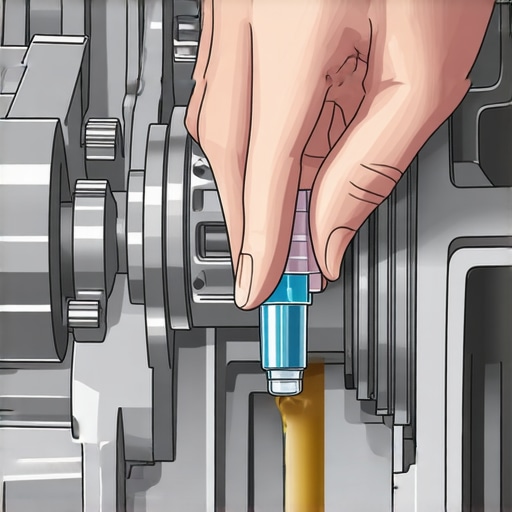
It was a chilly morning when I first noticed the hesitation. My transmission was acting up, slipping gears, and a strange burning smell wafted from under the hood. I felt that familiar knot of dread knowing that a costly repair might be lurking just around the corner. That moment was my lightbulb moment—realizing I had blindly trusted those so-called quick fixes like stop-leak additives without truly understanding their impact.
Why I Almost Rushed to Pour in That Magic Liquid
Like many car owners, I’d heard stories about how a simple bottle of stop-leak could fix stubborn transmission leaks in a jiffy. The idea of avoiding a costly visit to the mechanic was tempting. But here’s the thing—those additives promise a quick fix, yet often come with hidden risks. My early mistake? Assuming these products are all the same and that they won’t do more harm than good. That misconception nearly cost me a significant transmission upgrade. Instead of blindly trusting, I learned the importance of understanding what these additives really do, and more importantly, when they might be making things worse.
Is Using Stop-Leak Additives Actually Worth the Hype?
Many enthusiasts and even some mechanics swear by them, claiming they can extend the life of your transmission and save you money. But is that really the case? According to industry experts, using such products without proper diagnosis can clog vital components or interfere with the transmission’s delicate hydraulic functions. Before dashing to the store, it’s crucial to weigh the potential benefits against the risks—something I wish I’d done earlier. Curious about how to tell if those additives are safe for your specific situation? Check out our comprehensive guide on preventing costly transmission repairs over at top transmission repair tips.
If you’ve ever felt that sinking feeling of watching your transmission struggle without knowing why, you’re not alone. The good news is, with the right knowledge, you can make informed decisions that protect your car—and your wallet. Up next, I’ll walk you through the essential facts about Stop-Leak additives, so you won’t have to learn the hard way like I did. Ready to get started? Let’s go.
Drain and Replace Transmission Fluid Regularly
Think of your transmission fluid as the lifeblood of your car’s shifting mechanism. When I first neglected my fluid changes, my transmission started slipping during cold mornings. To fix this, I drained the old, burnt fluid using a transmission fluid pump, replaced the filter, and filled it with fresh fluid matching your vehicle’s specifications. This simple maintenance often restores smooth shifting—think of it like infusing fresh blood into a tired system. Regularly performing this step, based on your car’s manual or reliable advice like essential car service checks, prevents the need for costly repairs.
Check and Adjust Transmission Cable
Locate the cable and inspect its condition
Recently, I had a stiff gear shift that felt more like pulling an old lever than a smooth transition. I found the cable attached to the transmission was loose and worn. To adjust, I loosened the cable clamp, pulled it slightly to increase tension, and re-tightened it. This alignment ensures correct gear selection, much like tuning a guitar string—proper tension yields the right notes. For precise adjustment, consult your vehicle’s repair manual or trusted advice like top transmission repair tips.
Use Diagnostic Tools to Identify Hidden Issues
Once, my car exhibited a subtle shudder during gear shifts. I hooked up an OBD-II scanner—a device akin to a diagnostic stethoscope—and read the engine and transmission codes. This step uncovered a failing sensor causing erratic behavior. Investing in a quality scanner enabled me to pinpoint issues early, similar to a doctor detecting the cause before symptoms worsen. Regular diagnostics can catch problems before they escalate into expensive repairs. Find more about diagnostic tools and their use at these essential tools.
Perform a Visual Inspection of Transmission Components
I once noticed a small, dark fluid spot under my car. A thorough inspection revealed a cracked transmission pan gasket. Replacing it involved draining remaining fluid, removing the pan, cleaning the surface, and installing a new gasket—much like replacing the seal on a leaky pipe. Keeping an eye out for cracks, wear, or loose bolts can prevent leaks and further damage. Regular visual checks, combined with car maintenance routines outlined at restoring your car to perfection, prolong your vehicle’s health.
Understand When to Seek Professional Help
Despite DIY efforts, sometimes issues like persistent slipping or overheating require expert intervention. Once, I tried to fix a transmission that refused to shift into overdrive. After spending hours and a lot of effort, I realized my limits and took the car to a trusted mechanic. Knowing when to stop and call in professionals saves time, money, and prevents further damage. For guidance on choosing reliable service, visit brake service selection tips—the same applies to transmission specialists.Many car owners operate under misconceptions that can lead to costly mistakes. One common myth is the belief that all transmission fluid is interchangeable, leading many to top up with the wrong type, which can damage your transmission over time. In reality, using the specified fluid is crucial for proper lubrication and longevity. Another misconception is that minor leaks or strange noises will resolve themselves, but these are often early warning signs that require professional attention to prevent major failures.
A frequent trap is trusting quick-fix solutions like OTC additives without understanding their impact. While some believe these products can seamlessly mend issues, experts warn they often clog vital components or mask problems, making eventual repairs more expensive. As detailed in industry studies, such as those referenced by automotive experts, improper use of additives can accelerate wear and tear rather than prevent it.
Why Do Many Overlook the Nuances of Proper Maintenance?
It’s easy to assume that car maintenance is straightforward or that modern vehicles are almost maintenance-free. However, advanced systems in contemporary cars demand a nuanced understanding—think of how proper maintenance practices differ significantly from older models. Overlooking these intricacies can lead to overlooked symptoms like subtle shifts in performance or strange noises, which could escalate into costly repairs if ignored.
A prime example is the misconception surrounding brake service. Many believe that as long as the brake pedal feels firm, everything’s fine. But experts emphasize that thorough inspection and timely replacement of brake fluid, pads, and rotors are vital, especially since brake systems require more nuanced care in modern vehicles. Ignoring these details can lead to compromised safety, which should never be underestimated.
Have you ever fallen into this trap? Let me know in the comments.
The key takeaway is that auto repair involves much more than surface-level fixes. Recognizing the nuances—such as correct part specifications and understanding early warning signs—can save hundreds or even thousands of dollars. So, the next time you consider a quick fix or overlook minor issues, remember that expertise and attention to detail are your best allies in maintaining a healthy vehicle.
Keeping It Working: Tools and Methods I Trust
Maintaining your vehicle beyond basic services requires investing in reliable, precise tools and proven methods. I personally swear by a high-quality scan tool like the Autel MaxiAP, which provides comprehensive diagnostics directly from the OBD-II port. Unlike generic scanners, this device offers real-time data, code definitions, and live sensor readings, empowering me to identify issues early, such as subtle transmission or engine faults, before they escalate into costly repairs. Regular diagnostics through such tools help maintain your car’s health, ensuring longevity and safe operation. Essential routine checks complement these diagnostics, forming a robust maintenance routine that saves money over time.
How do I maintain these systems over time?
Routine software updates for your diagnostic tools are critical to ensure compatibility with newer vehicle models and software protocols, which are constantly evolving. I set reminders every six months to download firmware updates from the manufacturer’s website. For physical tools, quality replacement parts like OEM filters and transmission fluids are non-negotiable—they prevent damage caused by subpar components. Additionally, employing ultrasonic cleaners for delicate sensors or valves keeps parts in prime condition, avoiding misreads that could lead to unnecessary repairs. These practices create a maintenance cycle geared toward long-term reliability, much like the comprehensive guidance we advocate. Prediction suggests that in the future, AI-powered diagnostic platforms may further streamline this process, offering real-time predictive maintenance alerts based on sensor data.
Leveraging Advanced Diagnostic and Repair Tools
One of the most game-changing tools I’ve integrated is a digital scope. This allows me to visualize and analyze waveforms from sensors like the transmission solenoid or throttle position sensor, revealing hidden issues that a simple code reader might miss. For example, detecting irregular voltage patterns has helped me pinpoint faulty wiring or failing sensors before their issues trigger check engine lights. Alongside the scope, I rely on specialty grease and lubricants recommended by vehicle manufacturers, applied with precision tools like needle applicators and fine brushes. These methods ensure components like shift linkages, gaskets, and thermostats operate flawlessly, preserving smooth operation. The importance of these detailed procedures is underscored in related maintenance articles.
What’s the future of auto maintenance tools?
Looking ahead, the integration of AI and machine learning into diagnostic procedures will likely transform vehicle maintenance. Predictive analytics could warn us of impending failures weeks or months before they happen, saving time and money. As vehicles become more connected via IoT, maintaining their complex electronics will require even more sophisticated tools. Until then, I recommend investing in a versatile scan tool combined with precise mechanical instruments to keep your vehicle running smoothly over the years. Want to see how I troubleshoot a complex transmission issue? Try using a waveform analyzer alongside your code scanner—it’s eye-opening how much detail these tools can reveal about your car’s inner workings.During my years maintaining vehicles, I’ve learned some lessons that no DIY guide or mechanic’s advice can fully convey. One of the most profound insights is how easily we assume quick fixes like stop-leak additives are harmless, only to discover they can cause more harm in the long run. For example, I once used a popular additive to seal a transmission leak, expecting a quick solution, but it ended up clogging vital components, leading to costly repairs. This taught me the importance of thorough diagnostics and understanding the mechanics behind the problem, not just masking symptoms with chemicals.
Another realization is that regular maintenance, such as fluid changes and visual inspections, saves a substantial amount of money and stress. I now check my transmission fluid and inspect hoses periodically, catching issues early before they escalate. Using reliable diagnostic tools has also been a game-changer—being able to read error codes and visualize sensor data allows me to address issues proactively rather than reactively.
Most importantly, I’ve understood that seeking professional help when necessary is a sign of wisdom, not weakness. Sometimes, complex problems require expert insight, especially when DIY efforts hit their limits. Visiting skilled technicians who use advanced tools ensures that repairs are accurate and durable.
From my experience, the biggest takeaway is that understanding your vehicle and investing in proper care builds confidence and peace of mind on the road. If you’re eager to dive deeper into effective auto maintenance strategies, check out our comprehensive guide to auto repair. Remember, your car’s health reflects your awareness and effort—so stay curious and proactive.
The Unexpected Wisdom Behind Car Maintenance
- Skipping routine fluid changes might save time now, but it costs more later when components wear out prematurely.
- Over-relying on quick-fix products can mask underlying issues, turning minor problems into major repairs.
- A well-equipped toolbox with diagnostic devices empowers you to detect issues early, saving money and time.
- Knowing when to seek professional help is crucial—sometimes, DIY isn’t enough, and honest mechanics are your best allies.
- Understanding your vehicle’s specific needs prevents costly mistakes caused by misconceptions about parts and fluids.
Gear Up for Better Auto Care
To support your maintenance journey, I recommend investing in a quality OBD-II scanner, such as the Autel MaxiAP, which provides comprehensive diagnostics. Regular updates to your diagnostic software ensure compatibility with newer car models, keeping you ahead of potential issues. Additionally, sourcing OEM parts, like filters and transmission fluids, guarantees compatibility and longevity. For delicate sensor cleaning, ultrasonic cleaning kits can restore parts to near-new condition, preventing misreads that lead to unnecessary repairs. These tools and practices are the backbone of a proactive maintenance routine that extends your vehicle’s lifespan.
Take Charge of Your Car’s Future
Remember, adopting these insights makes you not just a car owner but a confident steward of your vehicle’s health. Armed with knowledge and the right tools, you’ll be better prepared to handle surprises on the road and avoid costly repairs. So, what’s the first maintenance step you plan to implement today? Share your thoughts below and let’s grow together in auto care excellence!