
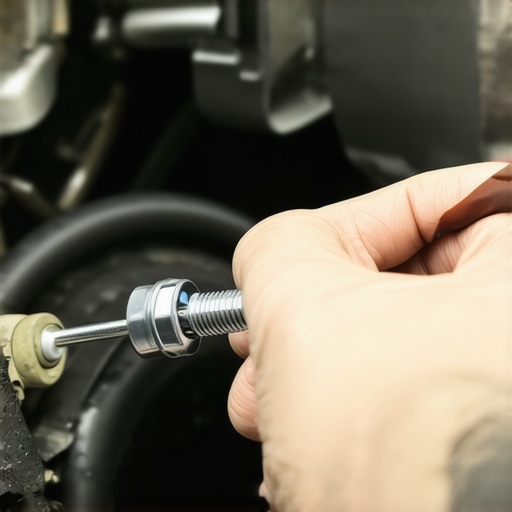
Ever faced that sinking feeling when you realize your oil drain plug won’t budge, and all your usual tricks fail? I remember the first time I fought with a stubborn drain plug—arms aching, frustration mounting. It was a weekend, and the thought of towing my car to the shop felt overwhelming, especially with my budget tight. That was a real lightbulb moment for me: there has to be a better way.
Why You Should Care About Removing a Stripped Oil Drain Plug
When your oil pan drain plug strips, it might seem like the end of the world. But, in truth, it’s a common headache that can be tackled without specialized tools like a drill. If neglected, it can lead to leaks, engine damage, or costly repairs. Knowing how to deal with this problem safely and effectively not only saves time and money but also keeps your engine in top shape. Trust me, once you master this trick, you’ll feel more confident on the road and less stressed during oil changes. Curious if you’ve ever faced this issue? The answer might surprise you—many car owners run into this without realizing there’s a simple fix.
Is This Trick Worth the Hype, or Just a Waste of Time?
Early in my DIY journey, I made the mistake of sitting on my hands, trying to twist that stubborn plug with everything I had… including a wrench that was way too big. That only damaged the hex head further, making future removal even harder. It’s a common mistake—using brute force instead of clever tricks. Luckily, I discovered that patience and some creative techniques can go a long way. According to a reputable source, addressing stripped threads properly can prevent more serious problems and extend the life of your vehicle’s components (view essential maintenance tips here). So, let’s get into how you can fix this issue without risking more damage—because your car deserves gentle but effective care.
Gather the Right Tools Before You Start
In my experience, the first step to a successful drain plug removal is assembling the right tools. You’ll need a set of good-quality Allen wrenches, a rubber mallet, penetrating oil like WD-40, and a pair of vice grips or locking pliers. Remember, using cheap tools might cause further damage, so invest in durable equipment. I once tried to fix my friend’s truck with a rusty screwdriver, which only worsened the strip; so don’t cut corners here.
Apply Penetrating Oil and Wait
Spray the stripped drain plug with penetrating oil generously and wait at least 15-20 minutes. This step is crucial. Think of it as giving the oil a chance to seep into corrosion and loosen the threads—similar to how you’d loosen a stubborn bolt on a bicycle chain. I recall a time when I neglected this step, causing the tool to slip and aggravate the damage. Patience here is your best friend.
Use the Correct Size Locking Pliers for Extraction
Next, position your vice grips or locking pliers around the hex head of the drain plug. Ensure they grip firmly without slipping. Turn slowly and steadily—avoid applying excessive force. If the plug refuses to budge, tap the handles gently with a rubber mallet to help loosen it. Once I managed to get a stubborn plug loose with this method, I felt the adrenaline rush of a quick victory, but I learned to proceed carefully to avoid stripping further threads.
Create a Drain Plug Extractor with an Allen Wrench
When external methods fail, a clever trick is to fashion an extractor from an Allen wrench. Insert the wrench into the stripped head, then tap it counterclockwise with a hammer, turning the wrench bit by bit. The idea is to create enough grip to turn the plug out. This technique is a lifesaver if you find yourself in a tight spot. I once used a broken Allen key this way, and it actually worked better than expected. Practice patience and work slowly to avoid damaging the threads deeper in the oil pan. For more car maintenance strategies, visit essential maintenance tips.
Fixing or Replacing the Damaged Threads
If the threads are damaged beyond repair, you may need to re-tap or helicoil the hole. Re-tapping involves cleaning up the existing threads, while helicoils insert new threaded inserts to restore a secure fit. This process is akin to repairing a damaged screw hole in furniture—successful repair saves the entire project. If you’re uncomfortable doing this yourself, consider reaching out through contact to professionals. Remember, a poorly repaired drain plug can cause leaks or even engine damage if not addressed properly.
Prevent Future Stripping Problems
Once you’ve successfully removed and replaced your drain plug, take preventive steps. Use a torque wrench to tighten the plug to the manufacturer’s specifications—over-tightening can strip threads again, while under-tightening risks leaks. Additionally, replacing worn-out drain plugs with quality replacements can save you headaches down the line. Regularly inspecting the oil pan’s drain area ensures you catch issues early. For ongoing vehicle care, check more maintenance tips here.
By following these targeted steps, you can confidently tackle even the most stubborn drain plug issues, saving money and preventing further damage. Remember, patience and precision are your best allies in automotive repairs.
When it comes to vehicle maintenance, there’s a common misconception that all transmission issues or brake problems are straightforward and easy to diagnose. However, as an automotive expert, I’ve seen many enthusiasts fall into traps because they rely on oversimplified beliefs. Let’s get into the nuances that often get overlooked and can make all the difference in long-term vehicle reliability.
The Myth That All Transmission Problems Are Similar
Many assume that transmission issues manifest uniformly; for instance, if your car shifts hard, it must be a fluid problem. While low or contaminated fluid is a frequent culprit, the reality is that complex issues like worn clutch packs, faulty sensors, or solenoid failures can mimic similar symptoms but require vastly different solutions. Relying solely on this oversimplified view can lead to unnecessary replacements or overlooked root causes. According to industry specialists, understanding the specific transmission type—whether automatic, CVT, or dual-clutch—is essential for accurate diagnosis (learn more about effective transmission repair tips).
Are there hidden signs that your transmission is failing before it shows obvious symptoms?
Advanced diagnostic techniques, like analyzing sensor data or conducting road tests with specific parameters, often reveal issues too subtle for routine checks. Think of it like a doctor catching an illness early through precise testing rather than waiting for full-blown symptoms. Many vehicle failures could have been prevented with early intervention—so don’t dismiss weird noises or intermittent behaviors. Explore comprehensive strategies at your guide to preventative auto repair.
The False Promise That Regular Oil Changes Fix All
It’s a well-peddled myth that regularly replacing engine oil alone guarantees the engine’s health. While oil changes are vital, neglecting other critical factors like coolant health, timing belt conditions, or inspecting for micro-dents can lead to engine stress and, eventually, serious damage. For example, ignoring signs of coolant corrosion can cause overheating, which in turn damages the head gasket—a mistake that many overlook until it’s too late. Regular, holistic inspections are key. Learn more about what comprehensive maintenance entails at restoring your car to perfection.
Don’t Underestimate Brake System Complexity
Many believe that brake repairs boil down to just replacing pads. But the brake system involves more than that. For instance, issues like warped rotors, contaminated brake fluid, or improperly bedded pads can cause vibrations or squeals that simple pad replacements won’t fix. Additionally, modern braking systems include sensors and electronic components that require specialized diagnostics. Failing to address these nuances can reduce braking efficiency, jeopardizing safety. For up-to-date advice on brake service standards, visit how to choose the best brake service in 2025.
In essence, understanding these hidden nuances prevents costly mistakes and enhances vehicle longevity. Don’t accept the surface level—delve deeper into your car’s needs, and you’ll be rewarded with a vehicle that performs reliably for years to come. Have you ever fallen into this trap? Let me know in the comments, and share your experiences with overlooked issues or mistaken beliefs about auto repair.
Keeping It Working: Tools I Recommend for Auto Care
Ensuring your vehicle stays in top condition over the years requires more than just basic maintenance; it calls for the right tools and a disciplined approach. From personal experience, the foundation of reliable auto repair lies in investing in quality equipment designed for precision and durability. One tool I rely on heavily is a high-accuracy digital torque wrench. Unlike standard wrenches, it allows me to tighten bolts, such as those on brake calipers or suspension components, to manufacturer specifications, preventing over-tightening that can cause stripped threads (see why torque precision matters). Moreover, a good set of automotive specialized screwdrivers and a magnetic pickup tool are invaluable for accessing tight spaces and retrieving fallen parts, respectively, saving time and frustration.
As technology advances, software tools also play a critical role. I use diagnostic scan tools compatible with my vehicle’s OBD-II port, which help me identify issues early before they escalate. Investing in a professional-grade scanner like the Autel MaxiScan MS300 has drastically improved my ability to interpret trouble codes accurately—saving trips to the mechanic and reducing repair costs. Additionally, a reliable lubrication gun ensures consistent application of grease during suspension work, prolonging component life.
For long-term results, routine inspections with these tools can catch minor issues before they become costly repairs. Regularly checking fluid levels with a transparent, calibrated measuring tool and tracking wear patterns with a magnifying mirror help maintain safety and performance. Remember, the key is consistency—integrate these tools into your maintenance routine, not just occasional fixes.
How do I maintain my tools over time?
Proper maintenance of your equipment ensures longevity and accuracy. Clean tools after each use, lubricate moving parts periodically, and store them in a dry, organized space to prevent rust and damage. Calibrating your torque wrench annually or as recommended keeps it performing accurately, which directly impacts the safety and reliability of your repairs. Explore more about effective auto maintenance strategies at your comprehensive auto repair guide. Investing in quality tools and routine care transforms DIY efforts into professional-level maintenance, paving the way for dependable vehicle performance for miles to come. Ready to upgrade your setup? Try calibrating your torque wrench with a calibration kit, and experience the difference it makes in your work results.
Lessons That Changed My Approach to Auto Repair
- I learned that patience and precision trump brute force every time; rushing often worsens the problem. Tackling a stubborn transmission or an oil drain plug requires a calm mind and careful technique.
- Understanding your vehicle’s unique quirks makes a huge difference. Not all cars respond the same way, so personalized strategies can save you time and money.
- Sometimes, the simplest tools—like a quality torque wrench or a magnetic pickup—are your best allies. Investing in these has prevented countless headaches and repair mishaps.
- Jumping straight into repairs without proper diagnostics can lead to unnecessary expenses. Accurate diagnosis, even for minor issues, maintains your vehicle’s health long-term.
- Preventive maintenance beats reactive fixes. Regular inspections, proper torque application, and using quality replacement parts keep your auto repair costs down and reliability up.
My Go-To Resources for Auto Repair Wisdom
- CollisionRenew’s Guide to Auto Maintenance: A treasure trove of practical advice rooted in real-world experience, helping me understand what truly matters in car care.
- Top Transmission Repair Tips: This resource opened my eyes to the nuances of transmission issues and how to troubleshoot them effectively, avoiding costly full replacements.
- Repair Tools like a Digital Torque Wrench: I trust tools that offer precision. Proper tightening prevents further damage and prolongs component life, making DIY repairs as reliable as professional work.
- Diagnostic Scan Tools: Using reliable scanners saves trips to the mechanic and helps me catch issues early. The Autel MaxiScan MS300, for example, has been invaluable in my auto toolkit.
Challenging Myself to Grow as a Car Owner
Taking the leap into auto repair has been an enriching experience filled with lessons and small victories. Each stubborn bolt or misaligned component has taught me patience, creativity, and the importance of investing in quality tools. I encourage you to embrace this journey—start with small repairs, learn from seasoned experts, and remember that your car’s health is an ongoing relationship, not just a quick fix. Ready to dive into your next maintenance project? Share your experiences or ask questions below—your journey to confident auto repair begins now!