
Have you ever pressed the gas just a little too eagerly after a long stop at a red light, only to feel your engine jerk or stumble unexpectedly? That initial hesitation can feel like your car is protesting or struggling to catch up, leaving you frustrated and wondering if there’s a major repair lurking around the corner. I know I’ve been there—one moment you’re smoothly accelerating, and the next, the engine hiccups like it’s catching its breath. It’s an unsettling experience that many drivers overlook as minor, yet it can be a sign of underlying issues that, if left unchecked, might lead to bigger problems down the road.
The urgency of understanding engine stumbles
This aren’t just minor inconveniences; they can be clues about what’s happening beneath your hood. A stumble or hesitation when accelerating from a stop isn’t just about the momentary jerk—it can point to issues with your fuel system, spark plugs, or even transmission components. Ignoring these signs could result in decreased fuel efficiency, increased emissions, or, worse, a complete breakdown when you least expect it. Having worked in auto repair for years, I’ve seen how overlooked engine stumbles can escalate into costly repairs. That’s why understanding the root cause is essential, and I’m here to help you decode what your vehicle is telling you.
Today, I’ll walk you through some common reasons behind this problem and, more importantly, how you can identify and fix the issue before it spirals into something serious. Think of it as a friendly neighbor guiding you to keep your car running smoothly—all backed by practical experience and reliable information. Ready to get your engine back on track? Let’s dive into what might be causing that frustrating stumble and, more importantly, how to fix it effectively.
Will this problem solve itself, or am I in trouble?
Now, I’ll admit—when I first encountered a rough start myself, I was tempted to dismiss it as just a minor glitch. Especially when my car was still running okay after the hiccup. But I quickly learned the hard way that such symptoms don’t just go away. They tend to worsen if ignored. A mistake I made early on was assuming that the engine was simply cold or that it was a ‘normal’ rough start. It’s a common misconception, but the reality is that consistent hesitation points to something that needs attention. For peace of mind and to avoid costly surprises, it’s best to address these issues proactively. Want to explore more about keeping your vehicle reliable? Check out the [Ultimate Guide to Auto Repair](https://collisionrenew.com/the-ultimate-guide-to-auto-repair-keep-your-car-running-smoothly) and learn how regular maintenance can prevent such surprises.
Start with a Visual Inspection
Before diving into complex tests, open your hood and perform a thorough visual check. Look for loose or disconnected hoses, cracked vacuum lines, or any signs of oil and fluid leaks. Wear gloves and use a flashlight to spot tiny cracks or corrosion. I once found a loose spark plug wire that was causing hesitation, tightening it instantly restored smooth acceleration.
Check the Spark Plugs and Wires
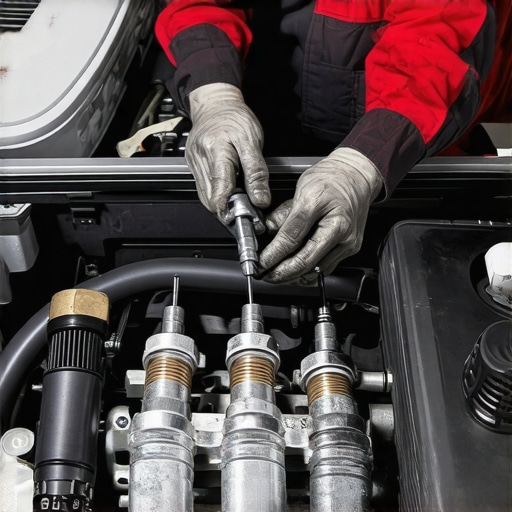
Remove the spark plugs following your vehicle’s manual. Inspect for signs of wear, fouling, or carbon buildup. Worn plugs can misfire, leading to hesitations. Replace any damaged plugs with brand-new ones, ensuring they are correctly gapped. Also, examine the spark plug wires for cracks or brittleness; replacing old wires can significantly improve ignition reliability. Remember, fresh spark plugs are like fresh batteries for your engine’s heartbeat.
Test the Fuel System for Blockages
Fuel delivery plays a vital role. Start by listening for a smooth humming from the fuel pump when turning the key. If you hear a buzzing sound shortly after ignition, your pump is likely functioning. Use a fuel pressure gauge to verify correct pressure—typically around 30-60 psi depending on your car model. Low pressure could mean a clogged filter or failing pump. If the fuel filter hasn’t been changed in over 30,000 miles, replace it—it’s the first line of defense against fuel flow issues. For more detailed guidance, consult the ultimate repair guide.
Evaluate the Air Intake System
A clogged air filter suffocates your engine, reducing airflow needed for optimal combustion. Remove the filter and hold it up; if it’s dirty or looks gray and clogged, it’s time for a replacement. A clean air filter ensures proper air-fuel mixture, preventing hesitation. Check for any cracks or leaks in the intake ductwork, as these can cause unmetered air and worsen performance. Regular inspection of the car service checks helps maintain overall engine health.
Scan for Diagnostic Trouble Codes (DTCs)
Using an OBD-II scanner reveals hidden faults affecting performance. Connect the scanner to your vehicle’s port, usually located under the dashboard. Read the codes and interpret them to identify issues such as misfires, oxygen sensor faults, or transmission problems. Codes like P0300 indicate random misfires, which can cause hesitation. Address detected issues promptly by replacing sensors or components as prescribed. This step is pivotal for pinpointing root causes that simple inspection might miss.
Assess the Transmission’s Role
If your engine and fuel system appear fine, consider the transmission. Hesitation during acceleration could be a sign of slipping or delayed engagement, especially in automatic transmissions. Check fluid levels and condition; burnt or low fluid impairs shifting. Follow the transmission repair tips for proper diagnosis and fluid change procedures. Transmissions, like gears in a watch, need smooth engagement; neglecting them is a recipe for rough operation.
Perform a Test Drive and Fine-Tune
After these checks and repairs, take your car for a test drive. Accelerate from a stop and observe. If hesitation persists, revisit the components or consider professional diagnostics. Logging your findings helps in diagnosing tricky issues. Remember, persistence pays off; fixing hesitation often involves iterative testing and tuning. This hands-on approach keeps your engine purring and prevents minor issues from escalating into costly repairs.
**For ongoing maintenance tips, explore the collision renewal strategies that keep your vehicle running smoothly in the long run.**
Many car owners believe that regular maintenance is all it takes to keep their vehicles in top shape, but in reality, there’s often a misconception about what truly matters. A common trap is assuming that a generic brake service or transmission check is sufficient without considering the nuanced needs of different models or driving habits. Overlooking these subtle differences can lead to premature wear or even costly repairs down the line. For instance, specialists agree that certain brake pad materials perform better in specific climates, a detail many drivers miss when choosing service options. This oversight can compromise safety and durability, highlighting the importance of understanding the hidden nuances behind auto maintenance.
Is there more to brake service than just replacing pads?
Absolutely. Many think that brake pads are the only component that matters, but the real story involves inspecting rotors, calipers, and brake fluid quality. Neglecting these can cause uneven brake wear or reduced stopping power. Advanced issues, like sticking calipers, often go unnoticed because they don’t immediately affect braking but will deteriorate system components over time. Proper brake maintenance isn’t just about stopping when you need to; it’s about ensuring consistent, safe performance throughout the vehicle’s lifespan. Learn more about how comprehensive brake checks prevent these pitfalls by visiting the latest brake servicing insights.
Why is transmission care more complex than many think?
People frequently assume that a transmission only requires fluid changes at specified intervals, but the reality is more nuanced. Different transmission systems demand tailored care: automatic transmissions may need flushing with special additives, while manuals require precise clutch adjustments. Moreover, using the wrong type of transmission fluid or ignoring minor shifts can accelerate wear significantly. An often-overlooked factor is the condition of the transmission filter, which, if clogged, can mimic more serious failures. Regular diagnostics and attention to subtle signs like slipping or delayed engagement can extend your transmission’s lifespan substantially. For an in-depth look at preserving your transmission, check out these expert tips.
How does understanding car electronics prevent costly mistakes?
The rise of sophisticated vehicle electronics often surprises owners who might think that basic mechanical maintenance is enough. Modern cars rely heavily on sensors and control modules that require precise diagnostics. Misinterpreting error codes or ignoring warning lights can lead to unnecessary parts replacements or overlooking underlying electronic faults. For example, a malfunctioning oxygen sensor affects fuel efficiency far beyond just emissions, making it crucial to have the right diagnostics tools. Recognizing these complex interactions is vital; a minor electronic glitch can cause drivability issues that, if ignored, become more expensive fixes. Regular scans and updates, as recommended in the comprehensive repair guide, are essential to staying ahead of electronic problems.
Many drivers fall into the trap of oversimplification—believing that once parts are replaced or fluids are topped off, the job is done. But understanding the subtle, often hidden nuances of auto repair can make the difference between a vehicle that simply runs and one that maximizes safety, performance, and longevity. So, the next time you hear that strange noise or feel a hesitation, remember—your car often warns you in subtle ways. Staying informed and proactive can save you money and stress in the long run. Have you ever fallen into this trap? Let me know in the comments!
Keeping your vehicle running smoothly over the years requires more than just routine check-ups; it demands the right equipment, software, and a strategic approach to maintenance. As a seasoned auto repair enthusiast, I rely on a carefully curated set of tools that ensure precision, efficiency, and peace of mind. In this guide, I’ll share the exact equipment I personally trust for diagnosing issues, performing repairs, and maintaining optimal performance, along with insights into where automotive technology is heading and how you can stay ahead.
Precision Diagnostic Equipment: The Heart of Effective Maintenance
At the core of my maintenance toolkit is the OBD-II scanner. I personally use the BlueDriver Pro because it offers comprehensive code reading, live data streaming, and advanced diagnostics compatible with most vehicle makes and models. Its Bluetooth connectivity allows me to quickly connect to my smartphone, making diagnostics efficient whether I’m at home or on the go. This tool empowers me to identify issues like misfires, transmission glitches, or sensor faults before they escalate, saving time and money. Remember, accurate diagnostics are the foundation of long-term vehicle health. For in-depth troubleshooting, I also supplement with specialty tools like the diagnostics toolkit.
Quality Cleaning and Repair Instruments for Longevity
Proper maintenance isn’t just about diagnosing; it’s also about effective repair and cleaning. I swear by a microfiber polish pad for applying compounds during polishing, which prevents scratches and ensures an even finish. When it comes to brake and transmission fluid changes, I use a fluid extractor pump, specifically the Mityvac model, because it dramatically reduces mess and ensures precise fluid removal during flushes. These small investments in quality tools extend the life of critical components and improve safety.
Specialized Software for System Monitoring
Beyond hardware, I utilize software solutions like OBDeleven for vehicles with complex electronic systems. This tool offers deep insights into electronic modules, essential for managing modern auto repair nuances. Its user-friendly interface helps me clear codes, perform adaptations, and monitor vehicle sensors in real-time, maintaining the electronic health of the vehicle long-term. As vehicles become more digital, investing in such software becomes increasingly vital.
Beauty and Efficiency: Keep It Looking and Performing Like New
To preserve your vehicle’s aesthetic and performance, I recommend a power polisher for paint correction and a microfiber wash kit for routine cleaning. Regular detailing not only maintains visual appeal but also prevents corrosion and rust, especially in challenging climates. Keeping your car spotless and smooth aids in early detection of issues like leaks or corrosion, adding up to long-term savings and safety.
Where Future Automotive Maintenance Is Heading
The future of auto repair lies in increasingly sophisticated diagnostics, with AI-driven predictive maintenance gaining traction. Imagine systems that alert you to potential failures weeks before they happen, based on data trends. This shift will make regular check-ups more about monitoring than repairing, allowing vehicle owners to act proactively. Staying connected with industry updates through credible sources like comprehensive repair guides will help you adopt these innovations early.
In practice, investing in advanced diagnostics now will prepare you for these upcoming trends. Try utilizing an OBD-II scanner combined with software for system monitoring—these are the tools that will keep your vehicle reliable in the years to come.
How do I maintain my car’s performance tools over time?
Maintaining your equipment is as crucial as maintaining the vehicle itself. Regular calibration of diagnostic tools ensures accuracy, while cleaning sensors and scanning ports prevents false diagnostics. Keep software updated, and periodically check for firmware upgrades from your tool providers to access new features and improve reliability. For specialized equipment like power polishers or fluid extractors, follow manufacturer maintenance guides diligently, performing necessary calibrations and part replacements to sustain their precision. Remember, well-maintained tools are your allies in preventing minor issues from becoming major repairs.
By investing in high-quality tools and staying informed about emerging tech, you can dramatically extend your vehicle’s lifespan and performance. For a detailed list of recommended diagnostic equipment and maintenance techniques, I invite you to explore the ultimate auto repair resource. Start today by trying out a top-rated OBD-II scanner and see how it transforms your approach to vehicle care. Ready to become your own mechanic and stay ahead of problems? Your car will thank you in the long run.
What I Wish I Knew When I Started Repairing Cars
One of the most impactful lessons I learned is that trusting my instincts is key, but verifying with proper diagnostics saves time and money. I once ignored a subtle vibration, assuming it was minor, only to discover it was a worn wheel bearing that nearly caused a breakdown. The moment I started pairing my experience with the right tools, my repairs became more reliable and less stressful. It’s tempting to overlook small signs, but those clues are your vehicle’s way of communicating before a costly failure occurs.
Another insight I gained is the importance of routinely updating my diagnostic software. Modern vehicles are a complex network of electronics; relying on outdated tools can lead to missed issues or false alarms. Staying current with the latest tech and firmware ensures accurate readings, helping me identify problems early. Plus, building a relationship with tested resources and guides, like the ultimate auto repair guide, keeps me ahead of emerging challenges in auto maintenance.
Lastly, I realized that proactive maintenance beats reactive fixes every time. Regularly inspecting your vehicle and utilizing diagnostic tools like the top diagnostic tools empowers you to catch issues before they escalate. This mindset shifts your approach from repair to prevention, extending your car’s lifespan and preserving its value. The real trick is developing a keen ear for subtle changes and a familiarity with your vehicle’s normal behavior.
Tools and Resources That Keep My Auto Repairs Sharp
My go-to is the BlueDriver Pro OBD-II scanner. Its comprehensive diagnostics and compatibility with most models provide instant insights, saving me hours of guesswork. For cleaning and repairs, I rely on a Mityvac fluid extractor—it keeps fluid changes clean and efficient, preventing messes that can cause additional damage.
When it comes to system monitoring, the essential car service checks and the sound diagnostics help me spot issues early, especially with complex electronics and sensors. Finally, investing in a good power polisher and microfiber kits ensures my vehicle’s appearance and paint stay in top condition, which is essential for spotting potential leaks or rust early. These tools and resources form the backbone of my maintenance routine and keep my cars running smoothly for years to come.
Your Next Step to Reliable Car Ownership
Embracing a proactive mindset with the right knowledge and tools transforms the way you care for your vehicle. It’s not just about fixing problems but preventing them from happening in the first place. With consistent checks, informed diagnostics, and trusting reputable resources, you can enjoy a safer, more efficient drive every day. Remember, every journey is an opportunity to learn more about your car and yourself—so don’t hesitate to get your hands dirty and start exploring these techniques today. Your vehicle—and your wallet—will thank you in the years ahead.