
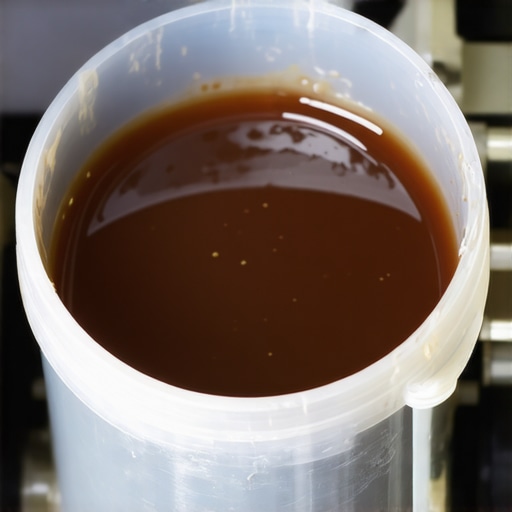
Last week, I almost had a close call in my driveway. I pressed the brake pedal, expecting that satisfying firm feel, but instead, it sank slightly and felt oddly spongy. When I looked down, I noticed the brake fluid reservoir—yes, that tiny, usually clear container—appeared darker than it should be, resembling a cup of iced coffee rather than the clear, golden fluid I remembered. That moment was my lightbulb—like a wake-up call that I couldn’t ignore anymore.
The Hidden Danger of Dark Brake Fluid
Many car owners overlook the color and condition of their brake fluid, assuming it’s all the same until there’s a noticeable problem. But here’s the truth: brake fluid that looks like coffee isn’t just a cosmetic issue; it’s a red flag pointing to potential safety risks. Over time, moisture contamination, dirt, and oxidation cause brake fluid to darken, compromising its ability to work effectively. When brake fluid degrades, braking distance lengthens, and the risk of brake failure increases—something I learned the hard way. According to automotive experts, replacing contaminated brake fluid at regular intervals is vital to maintaining braking performance and preventing costly repairs or accidents.
Have you ever noticed your brake fluid turning dark and wondered if it’s time for a change?
In this post, I’m going to walk you through understanding what dark brake fluid really indicates, the risks involved, and how you can keep your brakes reliable and safe. If you’ve faced similar signs or just want peace of mind behind the wheel, read on—it’s easier than you think to stay ahead of potential brake issues.
Is Flushin’ Your Brake Fluid Really Worth the Hype?
Early in my repair journey, I made a costly mistake: ignoring the warning signs and delaying the brake fluid change. That hesitation nearly cost me a lot more than a simple service. Trust me, I get it—brake fluid flushes might seem unnecessary or expensive. But the truth is, neglecting this crucial maintenance can lead to brake fade, corrosion within the system, or even total brake failure. It’s one of those small investments with a big payoff for your safety and your wallet. For more insights on the importance of regular vehicle checks, I recommend visiting [Essential Car Service Checks](https://collisionrenew.com/essential-car-service-checks-to-extend-your-vehicles-life). Now, let’s dive into how you can recognize whether your brake fluid is past its prime—and what to do about it before it becomes a safety issue.
Start with a Safety Check Before You Begin
Park your car on a level surface, turn off the engine, and set the parking brake. Wear gloves and safety glasses to protect yourself from brake fluid, which is corrosive. Use a wheel chock on the wheels that won’t be lifted to prevent rolling. Consult your vehicle’s manual or visit this comprehensive checklist to ensure you’re prepared for a safe and effective brake flush.
Prepare Your Tools and Supplies
Gather necessary tools: a brake bleeder kit or a clear tubing and a wrench, a container for old fluid, fresh brake fluid recommended by your vehicle manufacturer, and rags for cleanup. Make sure to use the correct brake fluid type specified in your manual—typically DOT 3, DOT 4, or DOT 5.1.
Loosen the Wheel and Elevate the Vehicle
Loosen lug nuts slightly, then elevate the vehicle using a jack and secure it with jack stands. Remove the wheel to access the brake caliper and master cylinder. This step is similar to what professional auto repair shops do during routine maintenance; knowing how to do it yourself saves time and money.
Check the Current Brake Fluid Condition
Open the hood and locate the brake fluid reservoir. Observe the color and level. If the fluid is dark or contaminated, it’s time for a flush. Remember, dark brake fluid can impair braking performance, making this step crucial for safety.
Drain Old Brake Fluid
Attach the clear tubing to the bleed screw on the brake caliper or wheel cylinder. Place the other end into a container. Have an assistant press the brake pedal slowly to push out old fluid, then hold the pedal down. Loosen the bleed screw to allow fluid and air to escape. Repeat this process until the fluid runs clear and free of bubbles. This process is similar to bleeding a wound—it’s essential to remove trapped air for optimal brake performance.
Performing a Solo Brake Bleed
If you’re working alone, use a one-man bleeding kit with a special valve to maintain pressure, making the process more manageable. This technique is especially useful if you lack an assistant.
Refill and Check the Reservoir
Keep an eye on the brake fluid reservoir, topping it up with fresh fluid as needed. Do not let it run dry during the process; an empty reservoir can introduce air into the system, which is harder to remove later. After bleeding each wheel, ensure the fluid level in the master cylinder is at the recommend mark, mimicking professional procedures for a thorough flush.
Repeat Until Clear and Bubble-Free
Continue bleeding each brake line until the fluid is consistently clear, with no air bubbles. This meticulous process ensures your braking system is free of moisture and contaminants that compromise safety. Remember, neglecting this step can lead to spongy brakes or brake failure over time.
Finish Up and Test Drive
Reinstall the wheels, tighten the lug nuts securely, then lower the vehicle. After tightening all lug nuts in a crisscross pattern, take your car for a short test drive to assess brake responsiveness. If you notice any sponginess or unusual behavior, revisit the bleeding process or consider professional inspection. Regularly performing this maintenance, similar to chosen in 2025’s top brake services, keeps your brakes in optimal shape and ensures your safety on the road.
Many car owners believe that routine maintenance is just about following a schedule or replacing parts as they wear out. However, this mindset often overlooks the critical nuances that truly ensure vehicle longevity and safety. One widespread misconception is the idea that all repair shops perform equally well, leading many to choose based solely on price or convenience rather than expertise. In reality, expertise varies significantly, especially when it comes to specialized services like transmission repairs or collision restorations. For example, collision renewal strategies demand a deep understanding of materials and techniques that many generalists lack.
Another common myth is that neglecting minor issues, such as a slight delay in shifting or a faint noise, won’t escalate. But small problems can be the symptoms of deeper, more costly faults. For instance, ignoring subtle signs of transmission wear can lead to complete failure, requiring a costly overhaul. Advanced diagnostics and early intervention are essential, yet many ignore this step, risking more extensive damage later.
Additionally, there’s a trap in underestimating the importance of proper fluid maintenance. Many think that topping off fluids is enough, but as top transmission repair tips highlight, specialized flushing and precise fluid replacement can prevent catastrophic breakdowns.
So, what’s the hidden nuance most overlook? It’s the understanding that modern vehicle systems are interconnected. A transmission issue might be linked to engine performance, cooling systems, or even the vehicle’s electronic controls. Overlooking this interconnectedness leads to patchwork fixes rather than comprehensive repairs, which often prove more cost-effective long-term.
Making a mistake here can mean wasting money on unnecessary parts or repairs, or worse, risking your safety. This is why I recommend upfront, detailed diagnostics from a trusted specialist. For tips on selecting the best service providers, check out how to choose the best brake service in 2025. Remember, optimal auto care isn’t just about reacting to problems but understanding their root causes.
Have you ever fallen into this trap? Let me know in the comments.
Maintaining your vehicle’s performance over the long haul requires investing in the right tools and knowing the most effective methods. As someone who’s been in auto repair for years, I’ve found that having specific, high-quality equipment not only streamlines maintenance tasks but also ensures safety and durability. For instance, I personally rely on a professional-grade brake bleeder pump that allows me to perform all-wheel bleedings efficiently, even without an assistant. This tool, combined with a precision torque wrench, guarantees that lug nuts are tightened to the manufacturer’s specifications, preventing future issues like uneven tire wear or wheel detachment.
In addition, I utilize a digital diagnostic scanner compatible with multiple vehicle makes and models. This device helps me identify trouble codes swiftly and accurately, saving me hours of guesswork. I prefer models that connect via Bluetooth to my smartphone, providing real-time data and history logs. It’s a game-changer, especially when monitoring complex systems like transmissions or ABS modules.
Regarding fluids, I invest in a high-quality refractometer to measure brake fluid and coolant clarity, helping me decide when a flush is truly necessary. This practice is more precise than relying solely on visual cues. Staying ahead of potential problems with such tools enhances reliability and can significantly extend your vehicle’s lifespan.
Looking ahead, I believe that as automotive technology advances—particularly with the rise of electric vehicles—the integration of smarter diagnostic tools and AI-driven maintenance software will become standard. This trend will empower car owners and technicians alike to detect issues early and optimize repairs efficiently.
**How do I maintain auto systems over time?** Regularly calibrating and updating your diagnostic tools is vital, and I recommend scheduling semi-annual check-ins to ensure all equipment functions correctly. Incorporate routine inspections using your scanner to catch faults before they escalate. Also, applying preventive measures—like using a trusted brake fluid tester or inspecting belts with a visual guide—can prevent unexpected breakdowns.
For comprehensive guidance on long-term maintenance strategies, I suggest exploring [this ultimate guide](https://collisionrenew.com/the-ultimate-guide-to-auto-repair-keep-your-car-running-smoothly) which covers essential tips and recommended service intervals. And don’t forget, trying out advanced techniques like using a professional-grade brake bleeder pump can make all the difference in your maintenance routine. Why not give it a shot during your next service? It might just save you time and future costs.When I first noticed my brake pedal feel off and saw the darkening brake fluid, I realized how overlooked vehicle maintenance can hide serious safety risks. One crucial lesson I learned is that dark brake fluid isn’t just a minor nuisance—it signals moisture and dirt contamination that can compromise your stopping power. This experience taught me to prioritize regular inspections rather than waiting for warning signs, saving me from costly repairs and potential danger. I also discovered that investing in quality tools, like a refractometer and professional brake bleeder, makes the job safer and more efficient, extending your vehicle’s lifespan. Lastly, I understood how interconnected vehicle systems are; neglecting one component can ripple into others, emphasizing the importance of comprehensive diagnostics and proactive care. These insights have transformed my approach to auto maintenance, helping me ensure safety, reliability, and peace of mind on every trip.