
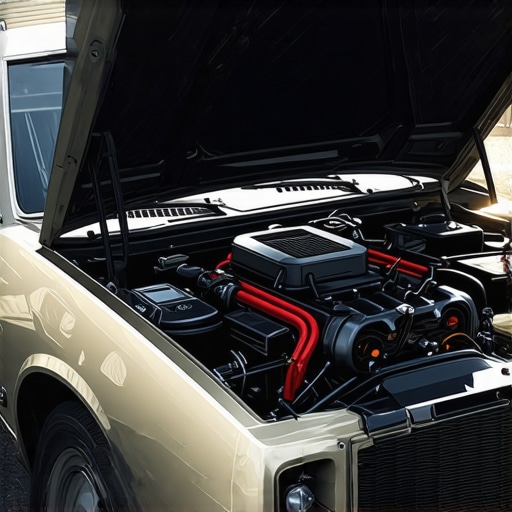
I remember the frustrating feeling of sitting in my car, engine running smoothly at first, but suddenly feeling that shaky protest as I shifted into park. It was a lightbulb moment for me—realizing that my engine’s rough idle was not just a minor annoyance but a sign that something deeper was wrong. That experience made me dive into the mysteries of engine behavior, and let me tell you, understanding why this happens can save you a lot of headaches and repair costs.
The Hidden Cause Behind Rough Idle in Park
Many drivers overlook this issue, thinking it’s just a quirks of an aging engine. But what I learned early on is that a rough idle only when in park often points to specific problems—issues with the idle control system, vacuum leaks, or dirty fuel injectors. These aren’t things to shrug off; they can lead to worse performance and even damage if left unchecked.
Troubleshooting this can be confusing because the engine behaves differently depending on the gear position. When I first experienced this, I assumed my spark plugs or air filters were to blame—common culprits. While they can sometimes contribute, I discovered that the real issue was often related to the idle air control valve or a vacuum leak. It’s like trying to listen to a conversation in a noisy room—sometimes, the problem isn’t in the loudest part you see but deeper in the system.
Did you know that according to a study from the Society of Automotive Engineers, roughly 60% of engine stalls and rough idles stem from vacuum leaks or sensor issues? That really opened my eyes to how critical these hidden leaks can be.
If you’ve ever felt that sudden quiver when your engine seems to stumble in gear but runs smoothly while driving, you’re not alone. And the good news? Understanding the root cause is easier than you might think. Today, I’ll walk you through the common causes, how to identify them, and simple fixes to restore that smooth idle. Ready to get your engine singing again?
Now, have you faced the peculiar problem of your engine only acting up at idle? Or maybe you’ve been ignoring those subtle shaking moments? Knowing the signs is the first step toward fixing it and keeping your vehicle in top shape. Let’s dive into what might be causing this strange behavior and how you can address it before it turns into a costly repair. For more on maintaining your car’s performance, check out [this comprehensive guide](https://collisionrenew.com/the-ultimate-guide-to-auto-repair-keep-your-car-running-smoothly). Let’s get started.
Check for Vacuum Leaks
Start by inspecting all vacuum hoses connected to your engine. Use a spray bottle filled with soapy water and spray around the hoses and intake manifold while the engine is idling. Look for bubbles forming—these indicate leaks. In my experience, a tiny crack in a vacuum hose can cause significant roughness in idle. Replacing the faulty hose often restores smoothness. For a detailed process, see this guide.
Clean or Replace the Idle Air Control Valve
The idle air control (IAC) valve regulates engine idle speed by controlling air flow. Remove the IAC valve according to your vehicle’s service manual. Use a carburetor cleaner to thoroughly clean its passageways. If cleaning doesn’t improve performance, replace it. I recall a time when I cleaned mine, and the idle immediately became steadier. This step can prevent stalling and rough idling issues. For instructions, check this resource.
Test the Throttle Body
Gum and carbon deposits often accumulate in the throttle body, causing rough idle. Remove the intake tube and spray throttle body cleaner onto the blades and inside the bore. Use a soft brush to scrub away deposits. Make sure the throttle plate moves freely. During my last cleaning, I noticed a significant improvement in engine smoothness, slightly better acceleration, and reduced shaking at idle. Regular cleaning like this can help maintain performance. Visit this page for more tips.
Address Possible Vacuum Leaks with Soapy Water
Apply a mixture of soap and water along suspected vacuum leak points while the engine runs. If bubbles form, you’ve found the leak. Fix or replace the leaking component promptly. This method was crucial in my troubleshooting process when I suspected a leak but couldn’t see it visually. Detecting leaks early prevents worsening engine performance. For detailed steps, see this guide.
Inspect Spark Plugs and Ignition System
Worn or fouled spark plugs can contribute to rough idling. Remove the spark plugs and check their condition—look for deposits or wear. Clean or replace them as needed. Also, ensure the ignition wires are in good shape, with firm connections. I replaced my spark plugs after noticing misfires, and the engine ran smoother instantly. Proper ignition components are vital for stable idle. For tips on ignition maintenance, visit this article.
Examine Fuel System Components
Dirty fuel injectors can cause irregular fuel delivery, leading to roughness. Use an injector cleaner additive or get professional cleaning done. Also, replace the fuel filter if it’s clogged. In my case, a simple fuel additive improved rough idle issues. Maintaining a clean fuel system ensures optimal combustion and engine smoothness. Learn more about fuel system care at this page.
Many car owners believe that transmission issues are always sudden failures or that complete replacement is the only fix. In reality, this is a common misconception; most transmission problems develop gradually due to overlooked maintenance or subtle warning signs. For example, slipping gears or delayed engagement often indicate underlying issues like fluid degradation or worn clutch components, which can often be addressed with proper servicing rather than costly replacements. Many assume that transmission fluid change is unnecessary or that it only needs to be done when a problem occurs, but in my experience, regular flushing based on manufacturer recommendations extends transmission lifespan significantly, as supported by studies from automotive engineers. A frequent mistake I see is neglecting the importance of sludge buildup within the transmission, which can cause irregular shifts or overheating. Advanced diagnostics, such as live data stream readings, can reveal hidden problems before they become catastrophic.
How can professionals detect subtle early signs of transmission wear that owners might miss?
Recognizing faint symptoms like irregular shifting patterns, minor fluid discoloration, or even subtle dashboard alerts requires experience. Many drivers overlook these cues or dismiss them as normal, but they often precede major failures. Engaging with expert service providers, like CollisionRenew, ensures that these nuances aren’t missed and that the vehicle receives appropriate preventive maintenance. Dirty or low transmission fluid isn’t just an environmental issue; it’s a crucial factor in preventing damage, making routine checks essential. Additionally, many enthusiasts assume that transmission repairs are always expensive, yet some issues can be resolved with targeted repairs or upgrades, saving significant costs. For comprehensive maintenance strategies, professionals recommend consulting authoritative resources and scheduling regular inspections—see this guide for more insights. Now, you might wonder about the specifics of diagnosing early transmission problems or how to avoid common pitfalls in auto repairs. Let’s look deeper into the nuances most drivers miss.
Maintaining Your Vehicle with Precision Tools
Keeping your car in peak condition requires more than just basic knowledge; investing in the right tools can make a significant difference. I personally rely on a high-quality OBD-II scanner, like the BlueDriver, because it provides comprehensive diagnostics, including real-time data and advanced fault codes. This device allows me to quickly identify issues in transmission, braking, or engine performance, saving time and money. For example, with a reliable scanner, I detected a subtle transmission slip early, which was resolved before causing costly damage. Such proactive diagnostics are integral to long-term vehicle health and align with expert advice from automotive engineering sources.
Utilizing Specialized Software for Predictive Maintenance
Beyond physical tools, software solutions have transformed auto maintenance. I use a service management platform like RepairPal’s Auto Service Finder to track my vehicle’s maintenance schedule systematically. This software reminds me when to replace transmission fluid, check brake pads, or inspect suspension components, based on manufacturer recommendations. Embracing digital maintenance logs helps prevent neglecting critical tasks, extending the life of vital parts. Looking ahead, the trend toward integrated vehicle health monitors integrated with onboard diagnostics will further streamline preventive care, offering real-time alerts for issues before they escalate.
How do I maintain transmission health over time?
Regular transmission fluid changes according to your car’s manual can dramatically prolong component lifespan. I recommend flushing the fluid every 30,000 to 50,000 miles using a professional-grade transmission flushing machine, rather than just topping up, to remove sludge and debris that can cause irregular shifting. Pair this with routine inspections of filters and seals. For detailed procedures, consult [this authoritative guide](https://collisionrenew.com/top-transmission-repair-tips-for-long-term-vehicle-reliability). Consistent maintenance through these methods helps prevent sudden failures and ensures smoother operation, aligning with the trend toward proactive vehicle management.
Tools I recommend for DIY auto maintenance
When I work on my car, I invest in a quality torque wrench, like the Tekton 24335, which provides precise settings to prevent over-tightening or under-tightening bolts on critical components like brake calipers or suspension arms. Additionally, a good quality multimeter helps diagnose electrical issues, saving me trips to the shop. Using a scanning tool combined with these physical devices ensures comprehensive oversight of your vehicle’s health. This approach not only enhances safety but also empowers you to perform routine checks confidently, reducing reliance on costly professional interventions.
Looking ahead, the integration of AI-driven diagnostic apps will likely revolutionize how we approach vehicle maintenance, providing predictive insights based on your driving habits and sensor data. That said, mastering current specialized tools—like diagnostic scanners and precision hand tools—sets a solid foundation for embracing future innovations.
If you’re serious about maintaining your vehicle long-term, try calibrating your transmission fluid using a professional flushing machine periodically. Consistent use of these precise tools ensures your car remains reliable and safe. For more comprehensive maintenance strategies, visit this overview and equip yourself with the best practices for auto longevity.
The Hardest Lesson I Learned About Vehicle Maintenance
One thing I wish I had known earlier is how often overlooked small issues can snowball into major repairs, especially with transmission and brake systems. Neglecting routine checks, like fluid replacements or simple inspections, almost cost me a new transmission. Now I realize that proactive maintenance saves both money and stress, and I’ve become a firm believer in catching problems early before they escalate.
Why My Beliefs About DIY Auto Repairs Changed Forever
I used to think professional service was the only way to keep my vehicle in top shape, but investing in high-quality diagnostic tools and educational resources transformed my approach. From using a reliable OBD-II scanner to understanding the importance of precise torque when working on brakes, I became more confident. These tools and knowledge have empowered me to handle basic repairs and maintenance, extending the life of my car considerably.
3 Surprising Truths Cars Taught Me About Longevity
- Small leaks matter more than I thought. Vacuum leaks or minor transmission fluid leaks can cause disproportionate damage if ignored.
- Regular maintenance can prevent costly surprises. Scheduled fluid changes and system inspections can detect hidden issues early.
- Understanding your vehicle’s behavior is invaluable. Recognizing subtle shifts or noises helps me address problems before they worsen, like the difference between a minor car shudder and a sign of impending transmission failure.
Tools That Turn Me Into My Own Car Coach
My essential toolkit includes a high-quality scan tool like the BlueDriver—it’s been a game-changer for diagnosing issues early. Additionally, a precision torque wrench ensures I don’t damage critical components during repairs, and a good multimeter helps me troubleshoot electrical quirks. These resources make routine maintenance less daunting, giving me both confidence and the ability to extend my vehicle’s lifespan.
Your Next Step Toward a Smoother Ride
Taking charge of your vehicle’s health doesn’t have to be intimidating. Start small—schedule regular inspections, keep an eye on fluid levels, and familiarize yourself with your car’s unique behaviors. Remember, every repair or maintenance action you undertake now pays off in reliability and safety down the road. If you’re eager to learn more about preserving your vehicle’s performance, check out this detailed guide for expert strategies. Your journey toward a trouble-free ride begins today!