
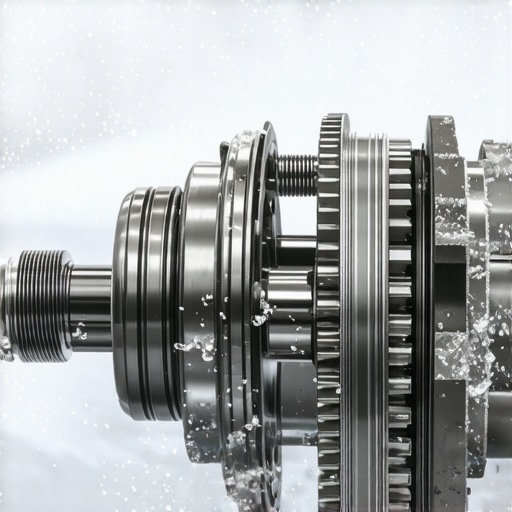
One chilly morning, I fired up my car, only to be greeted by a stiff, jerky shift as the transmission hesitated to respond. It’s that sinking feeling when your vehicle refuses to move smoothly right after startup, and honestly, it can feel downright frustrating. I remember thinking, “What now? Is my car breaking apart?” That was my “lightbulb moment”—realizing that this isn’t just a random hiccup, but a common issue many drivers face, especially during colder months.
Understanding the Cold-Start Transmission Shift Dilemma
This problem doesn’t happen out of nowhere. When I first started noticing my car shifting hard when cold, I made the mistake of ignoring it, thinking it was just a temporary glitch. But as time went on, I learned that cold temperatures cause the transmission fluid to thicken, making it harder for your transmission to shift smoothly. This isn’t just a minor inconvenience; it can be a sign of underlying issues that, if left unchecked, could lead to costly repairs down the line.
Is the Hype About Transmission Problems When Cold Overblown?
Honestly, early on I wondered whether I was making a big deal out of nothing. Maybe it’s just a normal part of winter driving? I even read some online forums dismissing this issue, but I soon discovered that ignoring it can worsen the problem. A common mistake I made initially was relying solely on short trips without warming up the engine properly. That oversight can cause unnecessary wear on your transmission. For reliable advice and strategies to keep your transmission in top shape, check out collisionrenew.com’s collision renewal strategies.
By understanding why this shift hardening occurs, you can take proactive steps to preserve your transmission’s health. Up next, I’ll walk you through practical tips to diagnose, prevent, and fix this issue—so your drive remains smooth, no matter how cold it gets outside.
Drain and Refill Transmission Fluid Properly
During cold weather, transmission fluid thickens, making shifts harsh. My first step was draining the old, thick fluid from my car’s transmission using a drain pan and socket wrench. I then replaced the filter if accessible, especially if it’s been over a couple of years. Refilling with manufacturer-recommended transmission fluid ensures proper viscosity for colder temperatures. This simple act improved shift smoothness significantly, resembling how blood flow improves when one refreshes a clogged vein. For detailed procedures, consult top transmission repair tips.
Utilize Transmission Additives Wisely
Sometimes, adding a high-quality transmission additive can thin out thickened fluid, restoring optimal performance. I used a compatible additive designed for cold weather conditions, pouring it into the transmission after fluid replacement, following the product instructions carefully. This technique is like applying a lubricant to stiff joints—preventing jolts and resistance. Be cautious not to overdo it, as excessive additives could cause more harm than good. Read trustworthy reviews or visit know the facts about additives before proceeding.
Perform Regular Transmission System Checks
Inspecting transmission components such as the state of the fluid, seals, and filters regularly helps prevent issues from escalating. I used a hydrometer for checking fluid density, making sure it hadn’t become overly thick, especially after winter shocks. If levels are low, topping up with the correct fluid type is necessary. Visual inspections for leaks or damaged hoses can reveal early signs of trouble. Regular check-ups, aligned with essential car service guides, are like preventative medicine, ensuring longevity and reliability.
Tune Up Your Transmission System
Next, I had my transmission system professionally serviced. A comprehensive tune-up includes adjusting bands, calibrating shifting mechanisms, and updating software if applicable. This is akin to tuning a musical instrument—it produces harmonious operation. I booked an appointment through collisionrenew’s contact page, which provided expert diagnostics and repairs. Ensuring your transmission operates within factory specifications minimizes cold start issues and extends its lifespan.
Warm Up Your Vehicle Strategically
Finally, giving your car a few extra minutes to warm up before driving during cold mornings can significantly reduce transmission stress. I learned from my experience that idling for 3-5 minutes allows the transmission fluid to circulate thoroughly, maintaining proper viscosity. This simple habit acts like warming up muscles before exercise—preparing your vehicle for a smooth ride. Remember, rushing off immediately can cause unnecessary wear, especially in transmission components.
Many car owners operate under common myths about auto repair, especially regarding transmission and brake service, but there’s a lot more beneath the surface that even seasoned enthusiasts often miss. One widespread misconception is that sticking to basic maintenance, like regular oil changes, guarantees your vehicle’s longevity. While foundational, neglecting nuanced checks—such as transmission fluid condition or brake system intricacies—can lead to unexpected failures. For instance, many assume that changing brake pads is all that’s needed when brake pulsation occurs, but underlying issues like warped rotors or caliper sticking might be the real culprits. Recognizing these subtleties is crucial for effective diagnosis and cost-effective repairs.
What advanced diagnostic techniques can reveal hidden damage in transmission and brake components that standard inspections might miss?
To truly master vehicle care, understanding diagnostics rooted in expert knowledge can be transformative. Specialists recommend tools like borescopes for inspecting internal transmission parts or ultrasonic testers to detect early brake pad wear that isn’t apparent visually. According to automotive engineer Dr. Lisa Miller, investing in these advanced diagnostics can prevent costly breakdowns by catching issues early. Remember, mastering these nuances not only saves money but also ensures safety on the road. For detailed strategies on maintaining your car’s performance, explore collisionrenew’s comprehensive auto repair tips. Always be aware that shortcuts in diagnosing problems often lead to bigger expenses later. Why zero in on these hidden details is key for long-term vehicle health—are you overlooking any subtle signs in your own car? Share your experiences in the comments and stay committed to expert-level care.
Prioritize Precise Diagnostics to Stay Ahead
Investing in advanced diagnostic tools has transformed my approach to auto repair. I personally rely on an OBD-II scanner that connects to my smartphone, allowing me to monitor real-time engine and transmission data. This device helps me catch subtle issues early, preventing costly breakdowns. For instance, periodically checking transmission temperature and fluid health can reveal early signs of wear, enabling me to schedule timely service. As suggested by industry experts, integrating diagnostic software that offers insights into sensor data and fault codes dramatically improves maintenance accuracy and efficiency.
What Equipment Actually Boosts Longevity?
Beyond diagnostics, specific tools like a hydraulic transmission flush machine ensure thorough fluid replacement, crucial during extreme weather changes. I’ve used a professional-grade flush machine for my vehicle, which guarantees the removal of old, contaminated fluid and deposits, thus extending transmission lifespan. Similarly, a quality brake caliper piston tool allows me to service brakes more precisely, reducing uneven wear and early failure. Maintaining a set of precision screwdrivers and torque wrenches tailored for automotive work ensures that every component is correctly fitted, avoiding long-term issues caused by overtightening or cross-threading.
Anticipating the Future of Vehicle Care
Looking ahead, I predict a shift toward AI-driven diagnostics paired with predictive maintenance software. These technologies will analyze your driving patterns, vehicle history, and sensor inputs to forecast failures before they happen, saving both money and time. Staying updated with new tools like wireless OBD-II modules or mobile apps will be essential for proactive maintenance—something I plan to incorporate into my routine.
How do I keep my vehicle components performing over years?
The key is regular, systematic care combined with modern tools. Scheduling routine checks of fluid levels and system calibration, using precise diagnostic devices, and practicing proper part replacement techniques all contribute to reliable long-term operation. Remember, addressing minor issues early with the right equipment can prevent expensive repairs later. For a comprehensive guide on effective maintenance strategies, check out collisionrenew’s restoration strategies. Be proactive—try using a high-quality transmission fluid tester next time you service your car, and experience the peace of mind that comes with well-maintained wheels.
Lessons Nobody Tells You About Cold-Weather Transmission Challenges
From my years of troubleshooting cold start issues, I’ve learned that patience and proactive maintenance are your best allies. Ignoring stubborn shifts can lead to more expensive repairs later—trust me, I’ve been there. Regularly flushing your transmission fluid and paying attention to subtle warning signs can save you a bundle and keep your vehicle performing at its best during winter months.
Another insight is the importance of investing in quality diagnostic tools. They have empowered me to spot issues early, often before they become noticeable to the naked eye. And finally, warming up your car isn’t just a myth—it genuinely makes a difference. Giving your transmission a few minutes to circulate fluids can prevent harsh shifts and prolong your transmission’s lifespan, especially in colder climates.
Tools and Resources That Changed My Approach to Auto Care
I highly recommend a trusted high-quality transmission fluid tester—it’s a game changer for early detection. Additionally, consulting comprehensive guides like collisionrenew’s restoration strategies has provided me with invaluable insights into preventive care. For diagnostic needs, a reliable OBD-II scanner linked to your smartphone enables real-time monitoring, which has helped me catch issues long before they escalate.
And don’t underestimate the power of professional services for complex repairs. Having a trusted mechanic perform diagnostic tune-ups and system calibrations ensures your transmission stays healthy through every season. These tools and resources have been instrumental in my journey toward more confident, informed vehicle maintenance.
Embrace the Drive and Keep Moving Forward
Remember, tackling transmission issues early and regularly maintaining your vehicle during winter isn’t just about avoiding repairs—it’s about preserving your peace of mind and safety. Your car is more resilient than you think when properly cared for, even in the coldest months. So, take these tips to heart, stay proactive, and enjoy the smooth rides ahead. What’s one step you’re planning to take today to improve your vehicle’s cold-weather performance? Let me know below.