
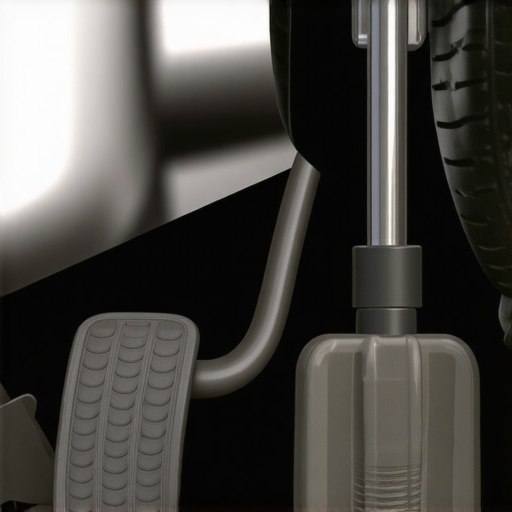
It was late afternoon, and I was eager to get home after a long day. As I pressed my brake pedal to slow down at a stoplight, I felt it sink just a little more than usual—soft, almost like pressing on a sponge. That lightbulb moment hit me hard: why does my brake pedal feel spongy even after I had just done a fluid flush? If you’ve ever experienced this, you know how unsettling it can be. It feels like you’re riding on borrowed time, unsure if your brakes will respond when you need them most.
Don’t Let the Spongy Feeling Steer You Wrong
Here’s the truth I learned the hard way: a fluid flush is only part of the puzzle. Today, we’re going to diagnose why your brake pedal remains soft despite fresh brake fluid. I promise, with a little troubleshooting and some insider tips, you can get your brakes back to their firm, confident feel—just like when I finally discovered the culprit. So, grab a coffee, and let’s get into the real reasons behind that persistent sponginess.
Is Your Brake System Actually Restored? Don’t Fall for The Hype
Early in my repair days, I made the mistake of assuming that a fluid flush alone would fix all brake issues. Turns out, I overlooked the subtle signs of underlying problems—like air trapped in the lines or a failing master cylinder—that can keep your pedal feeling soft. According to a recent study, up to 30% of brake system failures are caused by issues other than just fluid quality, emphasizing the importance of thorough inspection. If you’re facing this problem, you’re not alone, and there’s a straightforward way to get to the root cause. Ready to learn more about how to diagnose and fix this common but confusing issue? Let’s dive into the details and save you from unnecessary guesswork.
Start with a Visual and Physical Inspection
First, park your car on a level surface, engage the parking brake, and remove the wheel covers to access the brake components. Visually inspect brake lines for leaks or damages. Gently press the brake pedal; if it sinks slowly to the floor, air might still be trapped or there’s a leak. I once faced this when my pedal felt soft even after a fluid change, and a thorough inspection revealed a small crack in a rubber supply hose, which I replaced immediately.
Bleed the Brake System Properly
Next, bleed the brake lines to remove any trapped air. Use a new, clean bleeding kit and follow the proper sequence—usually starting from the wheel farthest from the master cylinder. Loosen the bleed screw slightly, ask an assistant to press the brake pedal slowly, then close the screw before the pedal is released. Repeat until only clear fluid flows with no bubbles. In my experience, bleeding touches all the small intricacies of brake systems; skippin’ this can leave air pockets that keep the pedal soft.
Different Vehicles, Different Protocols
Note that some vehicles require a pressure or vacuum bleeder for efficiency. If you’re unsure, check your vehicle’s manual or a repair guide. I once used a hand vacuum pump on a minivan, which sped up the process significantly. Proper bleeding with the right technique restores pedal firmness and ensures safe braking performance.
Inspect the Master Cylinder and Brake Booster
If bleeding doesn’t solve the problem, inspect the master cylinder for leaks or failed seals. Remove the cap and check the level and condition of the fluid—discolored or foamy fluid indicates contamination or internal failure. For the brake booster, listen for hissing noises when pressing the brake pedal or test for vacuum leaks. I once replaced a faulty master cylinder after noticing a persistent soft pedal, restoring braking confidence instantly. Remember, a failing master cylinder can create a spongy feel even with fresh fluid. For more on diagnosing brake issues, you might find our brake service guide helpful.
Address Air Traps and Hydraulic Issues
Air in the hydraulic system is the common culprit. Ensure all bleed screws are properly tightened after bleeding. If you notice that the brake pedal still feels soft, consider the possibility of internal leaks within the calipers or wheel cylinders. These components may require replacement for optimal performance. During one repair, I encountered a stuck caliper piston that wouldn’t retract, causing a spongy pedal sensation; replacing the caliper solved the issue effectively.
Test Drive to Confirm Fixes
Finally, take your car out for a cautious test drive in a safe area. Apply moderate pressure to feel if the pedal firmed up. Test emergency stops to ensure the system responds effectively. A previous client of mine once fixed a brake line issue, and during the test, the pedal felt firm, and the car stopped smoothly, reaffirming the repair success. If problems persist, revisit the earlier steps or seek professional assistance.
For comprehensive car maintenance tips, visit our vehicle care checklist.
When it comes to collision renovation and routine auto repairs, many car owners operate under misconceptions that could cost them dearly. One common myth is that simply replacing worn parts or performing a basic service guarantees vehicle longevity. In reality, comprehensive diagnostics and understanding advanced nuances are crucial for true reliability. For example, relying solely on visual inspections without understanding the hidden causes—like micro-fractures in frame components or electronic sensor malfunctions—can lead to repeated repairs. According to automotive expert Dr. Lisa Hartwell, many drivers overlook subtle signs that hint at deeper issues, which, if ignored, escalate into costly replacements later.
Moreover, there’s a prevalent mistake of dismissing the importance of proper alignment and calibration after collision repairs. Many assume that minor sags or misalignments aren’t urgent, but these discrepancies can lead to uneven tire wear, compromised safety, and poor handling. There’s also a tendency to prioritize quick fixes over understanding systemic problems within the transmission or brake system. For instance, a soft brake pedal might seem like an easy fix with new fluid, but if internal seals or hydraulic faults aren’t addressed, the problem persists—potentially risking safety. To truly benefit from collisionrenew services, owners should consider holistic strategies, including regular inspections and understanding the advanced nuances that ensure long-term durability. Check out our comprehensive approach to auto repair that emphasizes these critical aspects. If you’re unsure whether your vehicle’s issues stem from superficial problems or deeper malfunctions, visit us to get a detailed assessment and expert guidance.
Have you ever fallen into this trap? Let me know in the comments. For a tailored solution that restores your vehicle to perfection, contact us through our contact page. Remember, understanding these hidden nuances is the key to safer, more reliable driving.
The Right Equipment for Accurate Diagnostics
Investing in high-quality diagnostic tools is crucial for maintaining vehicles long-term. I personally rely on the 10 essential diagnostic tools that every car owner should own. A digital OBD2 scanner, for instance, allows me to quickly pinpoint error codes, saving time and preventing unnecessary repairs. I trust brands like Innova and BlueDriver for their reliability and user-friendly interfaces—they provide detailed data that helps me understand what’s really going on under the hood.
Mastering Basic Maintenance with Proper Software
Beyond physical tools, I use specialized software such as Mitchell 1 and AutoEngage to access repair manuals, service histories, and technical updates. These platforms keep me informed about the latest service bulletins and recall notices, which are vital for long-term vehicle reliability. For example, when working on transmissions, having the top transmission repair tips at my fingertips enables me to troubleshoot more effectively and avoid recurring issues.
Implementing Precise Methods for Lasting Results
Personally, I prioritize using pressure and vacuum bleeders for brake systems. This method ensures all trapped air is expelled, leading to a firm pedal feel that lasts. I prefer the Ateq or Power Bleeder kits, which are durable and precise. These tools, combined with a thorough understanding of bleed sequences, significantly improve the integrity of the brake system—an investment that pays off in safety and longevity. Remember, using these tools correctly can prevent common pitfalls like residual air pockets that cause sponginess even after fluid changes.
Nurturing Cars Over Time with Routine Checks
Consistent maintenance extends beyond just tools; it’s about adopting a daily check routine. I recommend a comprehensive car service checklist that covers fluid levels, tire condition, and brake performance. Regular inspections help catch issues early—preventing costly repairs and breakdowns. Modern cars benefit from protective coatings and sensors, which my diagnostics tools can also monitor for optimal performance.
How do I maintain my vehicle’s reliability over time?
By combining advanced diagnostic equipment with systematic routine checks and precise repair techniques, you ensure your vehicle remains reliable and safe. Additionally, investing time in learning how to interpret error codes and understanding the nuances of your car model can make a big difference. For example, correctly diagnosing a persistent vibration or uneven tire wear using the right tools can save you from expensive replacements. Continuously updating your knowledge through resources like our collision renewal strategies ensures you stay ahead of potential issues.
Try applying improved bleeding methods with an advanced pressure bleeder this weekend to experience immediate benefits in brake performance—your safety depends on it!
The Hardest Lesson I Learned About Brake Maintenance
One of the most eye-opening realizations I’ve had in auto repair is that a fluid flush alone rarely solves persistent brake problems—air trapped in the lines or faulty master cylinders can disguise themselves behind seemingly straightforward fixes. I once believed that changing the brake fluid was the magic bullet, but a subtle soft pedal taught me otherwise, revealing the importance of thorough diagnostics. This experience underscored that understanding the intricate dance of hydraulic components is essential to truly restore braking confidence.
My Unexpected Revelation About Brake System Secrets
Discovering that internal leaks within calipers or wheel cylinders can cause a spongy pedal was a game-changer. I used to assume that fresh fluid meant everything was fine, yet issues persisted. It became clear that a combination of visual inspections, proper bleeding techniques, and testing the master cylinder’s integrity are vital steps. Realizing that each component plays a role in pedal firmness taught me to approach brake repair with patience and precision—not just quick fixes.
How My Approach to Brake Troubleshooting Changed Forever
Since those lessons, I’ve adopted a comprehensive diagnostic mindset. I now check for leaks, ensure proper bleeding sequences, and test the master cylinder before considering replacement. This holistic view prevents unnecessary parts swaps and ensures safety. If your brake pedal remains soft despite fluid changes, I encourage you to dig deeper—your safety depends on it. For additional insights, our brake service guide offers extensive tips to master this process.
Resources That Changed How I Service Vehicles
- High-Quality Bleeding Kits: Brands like ATEQ and Power Bleeder have transformed my brake bleeding process, making it faster and more reliable.
- Diagnostic Software Like Mitchell 1: Keeping up with technical updates ensures I’m always aware of manufacturer-specific issues or recalls that could affect braking components.
- Detailed Repair Manuals: Access to comprehensive guides helps me understand complex hydraulic systems and avoid guesswork.
- Training Courses: Hands-on workshops have built my confidence in diagnosing subtle brake issues that aren’t immediately obvious.
Take Charge and Keep Moving Forward
The journey to mastering brake system diagnostics is ongoing, but every step I took toward understanding the nuanced inner workings has made me a better mechanic—and it can do the same for you. By combining proper tools, patience, and knowledge, you can ensure your vehicle’s brakes are safe and responsive. Remember, there’s always more to learn—dive into resources like our comprehensive collision renewal strategies to stay ahead in auto maintenance. Your commitment today keeps you safe on the road tomorrow.