
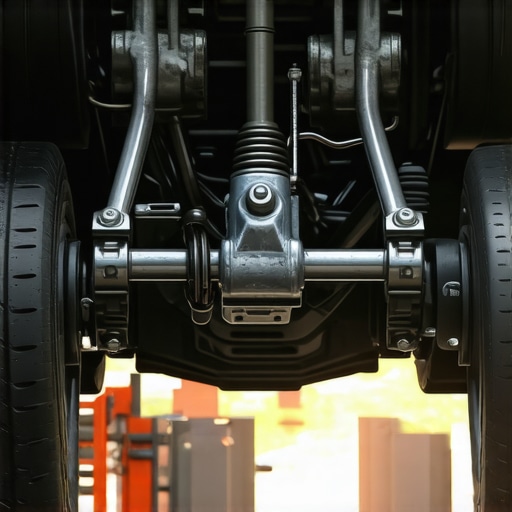
It happened to me one bright Saturday morning. I was backing out of my driveway, ready for a relaxing weekend trip, when suddenly—I heard it. A sharp, metallic clunking noise came from the front end of my car. My stomach sank. I immediately wondered, “Is this just a minor thing? Or do I need to brace myself for a costly repair?” That experience stuck with me, and I bet many of you have faced or will face a similar unsettling moment.
Why That Unsettling Clunk Might Be More Than Just Noise
Understanding what your car’s strange sounds mean can save you a lot of money, time, and stress. A mysterious front-end clunk often hints at issues that, if caught early, are simple to fix. But if ignored, they can escalate into serious safety concerns, or worse, leave you stranded on the side of the road. I found out the hard way early on in my auto repair journey that guessing isn’t enough. Relying solely on hearsay or assumptions can lead to dangerous misdiagnoses. Instead, a systematic approach based on real knowledge and experience is key.
Did you know that according to industry experts, unexplained noises in your vehicle are among the most common causes of breakdowns? Early diagnosis can prevent small issues from snowballing into major repairs. This is especially true for noises from your front end, which could be anything from worn suspension parts to loose bolts. The good news? You don’t have to be a mechanic to figure out the root cause. That’s what I’ll break down for you in the upcoming sections. But first, let’s tackle a common skepticism I hear from drivers—
Is Fixing That Clunk Worth the Effort and Cost?
I admit, I used to bristle at the idea of spending money or time on what I thought was just a harmless noise. My early mistake? Ignoring the problem and hoping it would go away. As I learned, it’s often the warning sign of more serious issues lurking beneath the surface. Addressing these noises early, whether by consulting a trusted mechanic or doing some simple checks yourself, can make all the difference. For a reliable starting point, you might want to read more about essential car service checks to keep your vehicle healthy.
Have you ever ignored a strange sound only to wish you hadn’t? If so, you’re not alone. But with the right approach—patience, knowledge, and a little guidance—you can confidently tell whether that clunk is something minor or a sign that your front end needs some attention. Ready to decode that mystery? Let’s get down to the practical steps that will help you identify and address the culprit behind your front-end noise without the guesswork.
.
Start with a Visual Inspection
Pull over safely and open your hood. Look for obvious signs of wear like cracked rubber, loose bolts, or leaking fluid. Remember, a loose or broken sway bar link can cause that familiar clunk. I once found a sway bar link dangling after a recent pothole hit, which immediately explained the noise. Tightening or replacing worn bushings often resolves the issue without major repairs.
Trace the Noise During a Test Drive
Get behind the wheel and gently accelerate, brake, and turn to reproduce the sound. Pay attention to when the clunk occurs—during braking, turning, or over bumps. This practice helped me distinguish that my noise came from worn upper control arm bushings, which I identified when bouncing over a curb imitation test. Note precisely when and how the noise manifests, as this clues you toward the culprit.
Use a Jack to Examine Suspension Components
Safely lift the vehicle using a jack and secure it with jack stands. With the wheel off, shake every suspension component—control arms, tie rods, and sway links. If you notice excessive play, these parts likely need replacement. I replaced a worn ball joint after feeling that unmistakable looseness, which instantly stopped the clunk on my daily drives. Visual and manual checks here are crucial to identify hidden issues.
Check for Loose or Damaged Bolts and Mounts
Inspect all accessible bolts on suspension and steering components. A loose strut mount bolt can produce a sharp metallic clunk. Tighten any bolts that are loose, being careful not to overtighten and damage threads. Once, I found a loose bolt on the strut assembly during a routine check, saving me from a more costly shock absorber replacement later. Regularly tightening bolts prevents recurring noises and ensures safety.
Assess the Shock Absorbers
Push down hard on each corner and observe the rebound. A shock absorber that bounces more than once indicates wear. Replacing faulty shocks can eliminate rattles and impacts that mimic a front-end clunk. I replaced mine following this test, which resulted in a smoother, quieter ride and restored confidence during turns and over bumps.
Test Brake System Components
Since brake components can cause similar noises, inspect the rotors and pads for uneven wear or loose parts. Braking tests during the drive may reveal if the calipers are sticking, causing a thumping sound under load. Proper brake maintenance, like replacing worn pads and checking for caliper sticking, is vital; visit this guide for tips on selecting brake services.
Record Your Findings and Decide Next Steps
Document all the issues you observe, accompanying noises, and any fixes you perform. This record will help you communicate effectively with a mechanic or decide if the repairs are manageable at home. For complex issues, consider reaching out through our contact page for professional assistance. But, for many minor problems, a little patience and mechanical savvy can go a long way in saving costs and time.
Remember, a systematic approach—inspection, testing, and targeted repairs—makes diagnosing front-end clunks manageable. Each step sharpens your understanding, saving you from guesswork and ensuring your vehicle remains safe and reliable on the road.
Many car owners operate under misconceptions that can lead to costly mistakes. For example, a pervasive myth is that all brake noises signal imminent failure, but in reality, many squeaks are harmless, caused by moisture or light pad wear, which can be confirmed through professional assessment. It’s crucial to differentiate between normal sounds and genuine issues to avoid unnecessary overhauls, a mistake that costs czasu and resources.
Moreover, beginners often overlook the importance of regular transmission maintenance, assuming that ‘lifetime’ fluids eliminate worries. However, studies like those from the Automatic Transmission Service Group reveal that even sealed transmissions benefit from periodic checks to prevent fluid degradation, which can cause slipping or overheating if neglected. Relying solely on the label “lifetime fluid” might lull you into complacency, but deeper knowledge exposes the need for preventive care.
Many believe that collision repairs are solely cosmetic, yet, the hidden nuance is that micro-damage can compromise vehicle integrity. Strategic restoration goes beyond surface fixes, restoring structural strength and prolonging life. Ignoring these subtleties can result in safety hazards or more expensive repairs down the line.
Another common trap is assuming that all auto repair shops are created equal. Consumers may choose based on price alone, but expert insights show that quality craftsmanship, parts quality, and post-repair warranties significantly impact long-term reliability. For instance, essential service checks performed by reputable professionals can save you from recurring issues and unexpected breakdowns.
Finally, something often overlooked is the importance of detailed diagnostic approaches before any repair. Advanced diagnostics uncover underlying issues that simple visual inspections can miss. For example, a shaking steering wheel at 60 mph might seem minor but could indicate a misaligned wheel or a worn-out bearing that, if addressed early, prevents more severe damage and expense. Using thorough diagnostics aligns with an expert mindset, as supported by research from automotive specialists.
Have you ever fallen into this trap of misconceptions or overlooked small details? Let me know in the comments. Remember, mastering the nuances in auto repair not only saves money but also ensures safety and peace of mind on every journey.
How do I maintain my vehicle over the long haul?
Maintaining your car’s health isn’t just about addressing issues as they arise; it’s about proactive care that ensures longevity and reliability. From routine inspections to advanced diagnostic tools, having the right equipment can make all the difference. One must-have for any serious car owner is an infrared automotive thermometer. This device allows me to check the temperature of critical components like the radiator, brake rotors, and transmission fluid, helping me identify overheating issues before they become costly repairs.
For electrical diagnostics, I rely on a professional-grade OBD-II scanner, which provides real-time data and code definitions. I personally prefer models that sync with my smartphone, giving me the flexibility to monitor engine health remotely. Regularly scanning your vehicle can pinpoint issues related to sensors, emissions, or even subtle engine misfires that might escape casual observation.
When it comes to suspension and brake systems, I use a hydraulic brake bleeder kit for efficient brake fluid changes. Fresh brake fluid is essential for maintaining optimal braking performance, especially as it absorbs moisture over time, leading to reduced efficacy and potential corrosion. Coupling this with a wheel alignment system helps me ensure even tire wear and proper handling, both vital for safety and cost savings in tire replacement.
Looking ahead, I predict that intelligent diagnostics, utilizing AI-driven software, will become standard for car maintenance. These systems could forecast failures based on subtle patterns detected over time, allowing for even more precise preventative care. Embracing such technology now can give you a significant edge in maintaining your vehicle efficiently and affordably.
Why is it worth investing in quality tools for your car maintenance?
High-quality tools aren’t just about durability; they often feature advanced functionalities that make diagnostics faster, more accurate, and less stressful. For example, a digital tread depth gauge helps me avoid premature tire replacements by accurately assessing remaining tread, which can save hundreds of dollars in the long run. Such precision tools are invaluable for maintaining safety and optimizing repair costs.
Don’t forget that proper maintenance also involves understanding when to seek professional help. If a diagnostic tool indicates a complex issue—like transmission fluid degradation or micro-fractures in suspension components—consulting a certified mechanic is the smart move. To ensure ongoing peace of mind, consider contacting specialists who excel in professional auto repairs and maintenance strategies.
In summary, combining precise tools with proactive knowledge empowers you to keep your car in top shape for years to come. Remember, regular checks with advanced diagnostic methods aren’t just for troubleshooting—they’re investments in your vehicle’s long-term performance. So, why not try using a quality infrared thermometer on your radiator today to see how small early detections can prevent big problems tomorrow? Doing so could save you time, money, and a lot of stress down the road.
What I Wish I Knew Before Wading Into Auto Repairs
One of the most powerful truths I’ve discovered is that not every strange noise is a sign of impending doom. Sometimes, it’s a simple fix like tightening a loose bolt, but other times, ignoring it can lead to costly transmission or brake repairs. Trust your initial instincts—persistent noises are signals, not just nuisances. Learning to distinguish between benign and serious issues has saved me both money and hassle over the years, and I want you to experience that peace of mind too.
Another lesson? Don’t underestimate the value of visual inspections. A quick glance can reveal cracked bushings or leaking fluid that might otherwise be overlooked until it’s too late. Being proactive with routine checks means you’re catching problems early, just like I did when I spotted a tiny leak that could have led to major transmission issues without timely intervention.
Finally, embracing a systematic diagnostic approach transforms guesswork into certainty. Using affordable tools like a jack stand and a basic flashlight, combined with test drives, can help pinpoint the root cause without expensive trips to the mechanic. This hands-on knowledge isn’t about replacing professionals but empowering you to make informed decisions and prevent small issues from escalating.
Tools and Resources That Become Game Changers
If I could recommend a few essential resources, they would include a reputable checklist of car service essentials for ongoing maintenance, a reliable transmission maintenance guide to extend your vehicle’s lifespan, and a trustworthy brake service selection tip. These have personally helped me avoid emergency repairs and save hundreds.
For everyday troubleshooting, I rely on a simple yet powerful set of basic diagnostic tools. They foster confidence in addressing minor issues early. Plus, engaging with reliable tutorials and summaries from established auto repair sites keeps me informed and ready for anything that comes my way.
Your Motivation Is The Key To Better Car Care
Remember, each time you tackle a front-end noise or perform a simple suspension check, you’re investing in longer-lasting reliability and safety for your vehicle. The journey to automotive independence is not about instant mastery but consistent learning. Embrace the small victories—tightening a bolt, noticing early signs, or understanding your vehicle’s sounds—and you’ll develop a keen sense that keeps your car running smoothly for years to come. So, why not start today with that quick visual inspection or test drive? Your future self will thank you for it.