
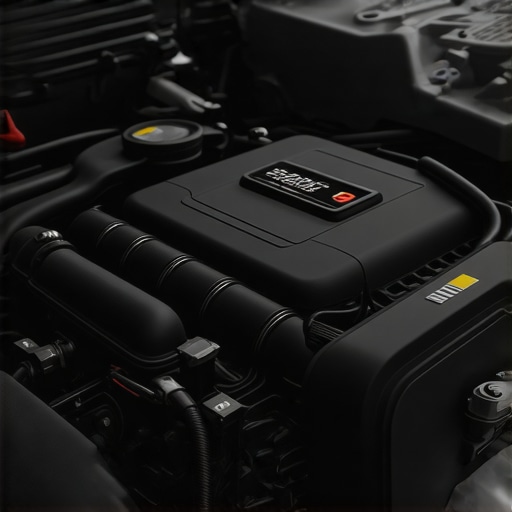
Ever been stranded in your driveway, engine sputtering like a dying horse, just because your fuel gauge was teetering on empty? I sure have. It’s one of those lightbulb moments that make you realize how even the tiniest oversight—like neglecting your fuel system—can turn your smooth ride into a rough, unpredictable mess. And let me tell you, figuring out why my engine started idling rough only when the gas tank dipped low was a journey filled with frustration and small epiphanies.
Discovering the Link Between Low Fuel and Rough Idling
Initially, I brushed it off as a coincidence. Maybe bad fuel, dirty injectors, or a tired spark plug? However, every time I got close to empty, the rough idle became more pronounced. That’s when I started digging, and surprisingly, there’s logic behind this quirky behavior. The reason ties back to the fuel delivery system—specifically, how your fuel pump, filters, and sensors interact when fuel levels drop.
From personal experience, I learned that as your gas level decreases, the fuel pump can start to suck in air pockets, which disturbs the delicate balance it needs to operate smoothly. This phenomenon can cause engine surges or rough idling. Early on, I made the mistake of assuming my engine needed a tune-up or that I was just unlucky. But a simple inspection revealed that my fuel pump was struggling because it wasn’t getting enough fuel—especially when the tank was nearly empty.
This insight made me realize that maintaining proper fuel levels isn’t just about avoiding stalling; it’s also about preventing subtle performance issues. In fact, according to experts at CollisionRenew, low fuel levels can significantly impact your car’s performance, especially in older models where fuel system components have more wear and tear.
This was my wake-up call: I needed to pay attention to my fuel system and understand how low fuel impacts performance, rather than just keeping the tank topping off for convenience. So, goes the promise—today, I’ll guide you through how to confidently diagnose and solve this pesky problem before it turns into a costly repair.
Is It Really Worth Worrying About Small Fuel-Related Problems?
Now, I get it. Some folks might dismiss this as a minor inconvenience. Maybe you’re thinking, “It’s just gas, right?” But small issues like this can be signs of bigger problems—like failing fuel pumps or clogged filters—that might leave you stranded when you need your car most. Early detection saves money and peace of mind. Speaking from experience, ignoring these signs can lead to more severe issues down the line.
In the next sections, I’ll share practical tips to troubleshoot and fix your rough idling caused by low fuel—so you’re not left scratching your head or risking a roadside emergency. Trust me, understanding your fuel system is a game-changer. Need more detailed insights? Check out CollisionRenew’s comprehensive car repair strategies for a broader understanding of optimal vehicle maintenance. Ready to get started? Let’s dive into the real fixes that can save your day—and your wallet.
Check Your Fuel Level Regularly
The first step I took was to keep an eye on my fuel gauge, especially before long drives. It might sound simple, but making it a habit helps prevent running dangerously low, which can trigger rough idling. For example, I made a habit of refilling when the fuel needle dipped below half. This small adjustment reduced my engine’s sputtering episodes significantly. If your vehicle shows signs of low fuel affecting performance, top off the tank and observe whether the rough idle diminishes.
Inspect and Replace the Fuel Filter
A clogged fuel filter can cause inconsistent fuel flow, mimicking low fuel issues. To do this effectively, locate your fuel filter according to your vehicle’s manual. Usually, it’s along the fuel line underneath the car. Wear gloves, disconnect the filter, and check for debris or clogging. Replacing it is straightforward but crucial. During my own replacement, I found thick sediment blocking the filter, which, once removed, led to smoother idling. This step ensures clean fuel reaches your engine, preventing rough runs caused by contaminated fuel.
Test Your Fuel Pump’s Performance
The fuel pump is like the heart of your fuel system—pumping fuel from tank to engine. To test its function, turn on your car and listen for a humming sound from the fuel tank area. I used a mechanic’s stethoscope to be more precise. A weak or absent hum indicates a failing pump. For a more definitive test, connect a pressure gauge (usually available at auto parts stores) to the fuel rail. Compare the reading to your vehicle’s specifications. If the pressure is low, replacing the pump may be necessary. Remember, a malfunctioning pump can suck in air when fuel gets low, causing rough idling—so keeping it in check is vital. More details can be found in CollisionRenew’s tips on vehicle reliability.
Examine Fuel Pump Strainer and Sender Unit
Sometimes, debris accumulates in the pump’s strainer or the sender unit can become faulty. To inspect these, you’ll need to access the pump assembly, which may require lowering the fuel tank—a task best suited for those comfortable with basic car repairs. During my own experience, I carefully removed the assembly, cleaned the strainer with a soft brush, and checked the wiring. Ensuring these are clean and functioning prevents air from entering the fuel stream during low fuel situations, maintaining stable engine performance. For comprehensive guidance, consult CollisionRenew’s essential maintenance tips.
Test for Air Leaks and Seal Your Fuel System
Air in the fuel system mimics low fuel symptoms, especially during low tank levels. To check, visually inspect the fuel line and connections for cracks or leaks. I used a soap solution to detect tiny leaks—bubbles formed at problematic spots. Sealing minor leaks with proper fuel-grade sealant can restore proper fuel pressure. For significant damage, replace faulty hoses or fittings. Remember, air in your fuel line reduces pump efficiency, causing rough idling when fuel levels are low. Proper sealing ensures the pump receives clean, consistent fuel, preventing the engine from sputtering.
Practice Consistent Maintenance
Regularly visiting a trusted mechanic for periodic fuel system checks can catch issues early. Scheduling an inspection with CollisionRenew ensures your fuel pump, filters, and lines are in top shape. Personal experience taught me that preventive maintenance saves money and keeps the engine smooth, especially in older vehicles prone to fuel system wear. Following manufacturer recommendations for fuel filter replacement and pump inspection can mitigate rough idling caused by low fuel levels or contaminated components.
Many car owners assume that auto repair is always straightforward, but in reality, there’s a lot of nuance that even seasoned amateurs often overlook. One common misconception is that every mechanic or service shop does the same level of quality work, which isn’t true. The difference lies in the expertise, methods, and attention to detail—especially when it comes to complex systems like transmissions or brake services. For instance, some believe that flushing a transmission is unnecessary if it still shifts smoothly, but neglecting proper fluid changes can lead to long-term damage and costly repairs. According to automotive expert CollisionRenew, regular, comprehensive maintenance is key to avoiding surprises, yet many skip essential inspections that could reveal hidden issues before they escalate.
A trap many fall into is the assumption that there’s one Universal Fix for all problems. For example, when brakes squeal, the instinct is to replace the pads, but in some cases, glazing or rotor issues are the culprits, and simple pad replacement might be a band-aid rather than a solution. Moreover, many car owners don’t realize that a misdiagnosed transmission problem could actually originate from a minor sensor malfunction or fluid imbalance. It’s crucial to dig deeper—ask questions like, “Could this symptom be caused by an underlying system failure rather than the apparent reason?”.
For advanced enthusiasts, understanding the importance of diagnostics and test methods can make a difference. Modern vehicles are equipped with sensors and modules that communicate fault codes. Knowing how to interpret these signals can prevent unnecessary parts replacements and pinpoint precise issues. A good example is using a diagnostic scanner to detect low-level communication errors in electronic systems, which might be mistaken for mechanical faults but require a software update or sensor recalibration.
An often-overlooked aspect is the risk of rushing repairs. Many think that DIY fixes save money, but without proper knowledge and tools, this can lead to creating new problems or damaging vital components. For example, improperly tightening a brake caliper bolt can cause uneven wear or even dangerous failure. Also, ignoring manufacturers’ service intervals in favor of arbitrary schedules can cause more harm than good, as highlighted by CollisionRenew.
Let’s be clear: auto repair isn’t just about replacing parts—it’s about understanding the intricacies of your vehicle’s systems. Developing a knowledge base of these nuances can dramatically extend your car’s lifespan and save money in the long run. Have you ever fallen into this trap? Let me know in the comments. For those wanting to elevate their maintenance game, check out CollisionRenew’s comprehensive guide to auto repair and stay ahead of the curve.
Essential Tools for Auto Maintenance That Really Make a Difference
When it comes to maintaining your vehicle, having the right tools is as crucial as knowing what to do. I personally swear by a high-quality OBD-II scanner like the BlueDriver; it allows me to get real-time diagnostic data directly from my car’s computer, saving me trips to the mechanic for minor issues. The digital multimeter is invaluable for checking sensor voltages and wiring integrity, especially when troubleshooting electrical components like the alternator or sensors involved in transmission control. For more advanced diagnostics, I rely on a hydraulic brake caliper piston tool; it helps me service brake calipers without damaging components, preventing costly repairs down the line.
In my routine maintenance toolkit, I also include a torque wrench to ensure fasteners are tightened to manufacturer specifications, which is vital for safety-critical parts like wheel lug nuts or suspension components. Keeping a cleaning kit for electrical terminals prevents corrosion that could cause intermittent sensor failures affecting transmission or brake systems. Collectively, these tools enable me to perform thorough inspections, identify potential issues early, and avoid the pitfalls of neglecting small but vital details.
How do I maintain vehicle reliability over time?
Consistent checkups combined with the right equipment significantly extend your vehicle’s lifespan. Scheduling regular inspections via CollisionRenew’s essential maintenance tips, and having diagnostic tools at hand, empower you to catch issues before they escalate. For example, using an OBD-II scanner to monitor transmission fault codes can alert you to slipping clutches or sensor faults long before they cause serious damage. Looking to the future, I see these tools becoming smarter and more integrated with vehicle software, providing even more granular insights into vehicle health.
Don’t forget, routine fluid checks and component replacements are vital. For example, regularly inspecting and replacing transmission fluid using proper diagnostic methods, rather than arbitrary intervals, helps prevent costly rebuilds. Develop a habit of taking your vehicle for professional checkups that include comprehensive diagnostics; it’s the best way to keep everything in top shape and avoid unexpected breakdowns. Want to refine your skills? Practice testing your car’s battery voltage and alternator output periodically with a multimeter; it’s a simple yet effective way to prevent roadside failures. For detailed guidance, explore CollisionRenew’s guide to auto repair—it’s packed with expert advice on proactive vehicle care.
The Hardest Lesson I Learned About Auto Repair
- Sometimes, the simplest issues—like a nearly empty gas tank—can cause unexpected engine roughness, reminding me to pay closer attention to basic maintenance habits.
- I’ve discovered that air pockets from low fuel often mimic more complex faults, teaching me to diagnose my car more holistically rather than jumping to conclusions.
- Understanding the subtle signs of fuel system stress has made me realize that patience and detailed checks often save time and money over rushed repairs.
My Go-To Tools for Staying Ahead of Vehicle Problems
- An OBD-II scanner like BlueDriver—trustworthy because it provides real-time data right from the car’s computer, helping me catch issues early.
- A quality digital multimeter—essential for electrical troubleshooting, ensuring I don’t overlook sensor or wiring faults that can cause rough idling.
- A torque wrench—key to proper assembly and safety, reducing the risk of damage from over-tightening or under-tightening component bolts.
- Regularly using these tools has transformed my approach from reactive to proactive, giving me confidence in maintenance routines.
Seize Control of Your Car’s Health Today
Empowering yourself with knowledge about how low fuel impacts engine performance can make a significant difference. Take the time to monitor your fuel levels, inspect your fuel system components, and utilize the right diagnostic tools. Remember, consistent care and thoughtful troubleshooting aren’t just about fixing problems—they’re about enjoying peace of mind on the road. Ready to take the next step? Start by checking your fuel system today, and don’t hesitate to reach out through CollisionRenew’s contact page if you need expert guidance. Your vehicle’s smooth ride depends on your proactive care—so gear up and keep that engine running flawlessly!