
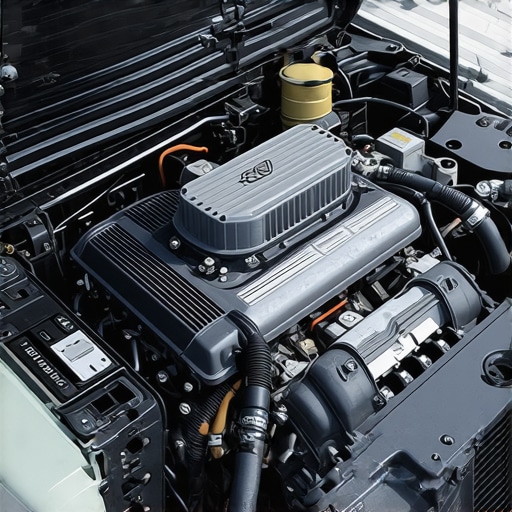
Ever been stranded on the side of the road, phone dying, car refusing to start, and all because of a hidden culprit? I remember the day I learned my lesson the hard way. It was a freezing morning, and my trusty old car suddenly refused to turn over. Turns out, I had missed the subtle signs that my alternator was failing—signs I could have caught beforehand. Since then, I’ve made it my mission to decode these warning lights and sounds, helping fellow drivers avoid unexpected breakdowns.
Why catching a failing alternator early can save your day—and your wallet
Your car’s electrical system is like its nervous system—vital and delicate. The alternator, in particular, is responsible for charging your battery and powering all those gadgets and lights. When it starts to fail, your car might show some quiet signs—often dismissed as minor nuisances. But ignoring them can lead to a dead battery, being stranded, or costly repairs. According to automotive experts, a failing alternator is responsible for over 25% of roadside breakdowns related to electrical issues. Recognizing the early signs isn’t just about convenience; it’s about avoiding a major headache and expensive fixes.
Is It Really Possible to Spot an Alternator Failure Before It Strikes?
Early in my own auto repair journey, I made a classic mistake—thinking that flickering headlights or a weird smell was just a one-time thing. It wasn’t until my car completely stalled that I realized I should have paid closer attention to these warning signs. The truth is, many general tips out there oversimplify the process, causing people to overlook the early clues. Understanding how to identify these signals is crucial; otherwise, that moment of breakdown becomes inevitable. If you’ve ever wondered, ‘Can I really tell before my alternator goes out?’ you’re not alone. The answer is yes, but it requires paying attention to your vehicle’s subtle language.
Inspect Electrical Accessories Regularly to Spot Early Signs
Start by regularly testing your vehicle’s electrical accessories, such as headlights, dashboard lights, and interior electronics. Flickering headlights or dimming dashboard lights, especially at idle or when using multiple electronics, are early indicators of alternator strain. One time, I noticed my headlights flickering while idling, which led me to perform a simple voltage test. The result revealed the voltage was dropping below the recommended 13.8 to 14.4 volts, prompting me to replace the alternator before a full breakdown.
Perform a Voltage Test—A Simple DIY Step
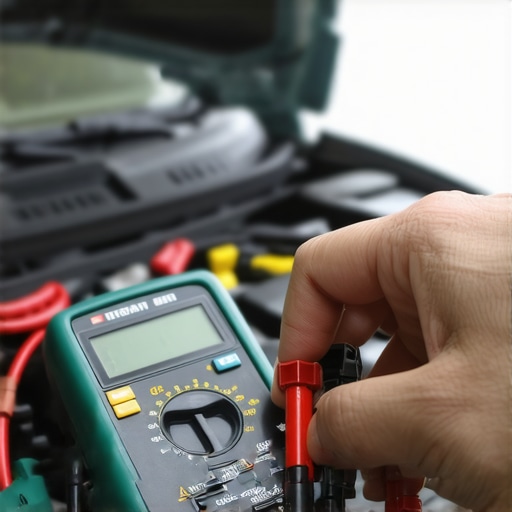
Use a multimeter to check your car’s voltage with the engine running. Connect the multimeter’s leads to the battery terminals—red to positive, black to negative. A healthy alternator should produce between 13.8 and 14.4 volts. If your reading is below this range, start planning a replacement or professional inspection. Once, I tested my battery directly after noticing warning signs, and saw a voltage of only 12.3 volts with the engine running—an unmistakable sign of alternator failure.
Listen for Unusual Sounds During Operation
Pay attention to sounds like whining or grinding coming from the engine bay, which can signal alternator bearing issues or belt slipping. I once heard a high-pitched squeal that grew louder with engine speed, prompting me to check the belt tension. A loose or worn belt can mimic alternator problems but often causes the same warning signs—early detection here saves costly repairs later.
Check the Battery and Alternator Connections
Ensure all terminals and wiring are tight, clean, and free of corrosion. Corroded connections can impair charging even if the alternator is functional. I took the time to clean my battery terminals with a wire brush, which restored proper charging and prevented a quick failure. Regularly inspecting these connections prevents false alarms and delays in addressing genuine issues.
Monitor Warning Lights and Dashboard Clues
Never ignore the battery or charging warning lights on your dashboard. These are your vehicle’s way of signaling electrical issues. When my battery light flickered, I immediately checked voltage and found it was dropping—early enough to replace the alternator before suffering a roadside breakdown. Setting a routine to observe and respond to these signals can keep you ahead of costly failures.
Schedule Routine Maintenance Checks
Include alternator inspections in your regular vehicle servicing schedule. Experienced technicians can perform load tests to verify alternator health, preventing unexpected breakdowns. I include this step every 20,000 miles and have avoided emergency repairs—saving time and money in the long run. For detailed maintenance strategies, visit Collision Renew’s repair strategies.
 Many car owners operate under misconceptions about transmission and general auto repair, which can lead to costly mistakes. For example, a widespread myth is that transmission fluid never needs to be changed. In reality, even so-called “lifetime” fluids degrade over time, and neglecting scheduled maintenance can cause severe damage, as emphasized by experts in automotive care. Relying solely on the transmission’s smooth operation without understanding the importance of fluid condition is a trap many fall into, risking irreversible harm to the gearbox.
Another misconception involves the assumption that all auto repair shops are equal. While some believe choosing a dealership guarantees quality, independent shops with experienced technicians often provide comparable or better service at a lower cost. The key is to identify shops that adhere to proper protocols and utilize high-quality parts. Skipping routine checks like those detailed in [essential car service checks](https://collisionrenew.com/essential-car-service-checks-to-extend-your-vehicles-life) can hide underlying issues, leading to bigger problems down the line.
One critical hidden nuance many overlook is the significance of diagnostic codes and their interpretations. Modern vehicles are equipped with advanced sensors generating complex data. Relying solely on dashboard warning lights without understanding the specific codes can cause misdiagnosis. For instance, a misread of a transmission control module code might lead to unnecessary repairs, whereas a proper diagnostic approach reveals the actual issue.
What advanced techniques can detect transmission problems before symptoms appear?
Deep diagnostics, such as conducting a road test combined with data logging, can identify subtle shifts or delays that aren’t yet noticeable. Researchers and technicians agree that proactive diagnostic strategies—even before warning lights illuminate—are crucial for long-term reliability. For example, regular analysis of transmission fluid’s physical properties, including viscosity and contamination levels, can predict failures early, saving you money and time. Read more about [transmission repair strategies](https://collisionrenew.com/collision-renewal-strategies-restoring-your-car-to-perfection) to better understand preventive measures.
Additionally, understanding the importance of proper brake service cannot be overstated. Many assume that brake squeal is purely a nuisance; however, it can be a warning sign of early pad wear or caliper issues. Neglecting such signs often results in more extensive repairs or safety hazards. Learning to recognize and respond to these subtle cues ensures your safety and prolongs component life. For detailed tips, check out [how to choose the best brake service](https://collisionrenew.com/braking-news-how-to-choose-the-best-brake-service-in-2025).
In summary, dispelling these myths and recognizing hidden nuances enriches your auto care knowledge. Don’t let misconceptions lead you astray—safeguard your vehicle through informed decisions. Have you ever fallen into this trap? Let me know in the comments.
Keep Your Vehicle Running Smoothly with the Right Tools
Maintaining your car over the long term demands more than just know-how; it requires having the right equipment and software at your disposal. Personally, I rely on a few key tools that have proven invaluable in diagnosing, servicing, and ensuring my vehicle remains dependable. These aren’t generic gadgets but specifically chosen for their precision and reliability.
Diagnose Like a Pro with an OBD-II Scanner
The cornerstone of any serious auto maintenance is understanding what’s happening beneath the hood. I swear by the BlueDriver OBD-II Scan Tool. Unlike basic code readers, BlueDriver provides detailed diagnostics, including live sensor data and repair reports, enabling me to pinpoint issues quickly. I’ve used it to identify a pending transmission problem before it became a costly repair, saving both time and money. Investing in a reputable scanner like this can elevate your DIY maintenance game significantly.
The Power of a Quality Multimeter
Nothing beats having a solid multimeter for checking voltages, continuity, and component resistance. I prefer the Fluke 115 model — it’s durable, accurate, and easy to use. For example, testing my alternator’s output with it confirmed early signs of failure, allowing me to schedule repairs proactively. Regular voltage checks can help spot electrical issues before warning lights even turn on.
Essential Basic Tools for Routine Checks
Beyond electronic gadgets, a good set of hand tools makes a world of difference. I keep a Wrench Set, Torque Wrench, and Wire Brush handy. Cleaning battery terminals or tightening loose belts can prevent many issues, and with these tools, I can do it confidently. Regular visual inspections combined with these basic tools form the backbone of effective maintenance.
Embracing Software for Maintenance Scheduling
Staying organized is critical. I recommend using maintenance tracking apps like Car Minder Plus. It helps keep records of oil changes, filter replacements, and inspections. When I follow a consistent schedule, I notice fewer unexpected problems and extend the lifespan of components like brakes and transmission parts.
Looking Ahead: The Future of Car Maintenance Tools
As technology advances, expect diagnostic tools to become more integrated with AI, offering real-time, predictive maintenance suggestions. The move toward wireless diagnostics and cloud-based data sharing promises to make maintenance more straightforward and less costly. Keeping up with these developments could make future repairs even more proactive and precise.
How do I maintain this equipment over time?
To ensure your tools stay reliable, store them in a dry, organized space and calibrate electronic devices periodically. Regularly update your diagnostic software to access the latest repair data. Remember, a well-maintained set of tools not only helps in diagnosing issues early but also extends their lifespan, making your maintenance efforts more cost-effective.
For example, regularly updating your diagnostic software with the latest vehicle databases can prevent misdiagnoses and unneeded repairs. Embracing these advanced tools and techniques not only empowers you to handle many issues independently but also prepares you for the evolving landscape of automotive technology.
Interested in mastering advanced diagnostics? Try using your multimeter to verify your alternator’s output today, and see if your vehicle is ready for the long haul. For more detailed strategies, visit The Ultimate Guide to Auto Repair.
The Hidden Truths That Changed How I Approach Car Maintenance
One of the most profound lessons I’ve learned is that auto repair isn’t just about fixing things when they break—it’s about understanding the subtle signals your vehicle sends way before any major issue arises. I once ignored a slight delay in my transmission shifting, assuming it was just a normal quirk. That oversight led to a costly rebuild. Now, I know that paying close attention to these early signs can save you a fortune and extend your car’s lifespan.
Curated Tools and Resources That Keep My Car Running Smoothly
Over time, I’ve come to rely on a few indispensable tools. My diagnostic scanner helps me catch issues before they escalate, while a quality multimeter enables me to verify electrical health. For routine checks, I trust regular maintenance guides that keep me ahead of problems. These resources empower me to handle many repairs myself, saving money and gaining confidence.
Your Turn to Tune Up Confidence and Skills
Maintaining your vehicle, especially focusing on transmission and brake health, isn’t reserved for professionals alone. With a bit of knowledge and the right tools, you can detect issues early and make informed decisions that protect your investment. Don’t wait for warning lights; start paying attention today and take control of your car’s future. Are you ready to trust your own auto repair instincts? Share your experiences below—I’d love to hear your stories and tips!
,