
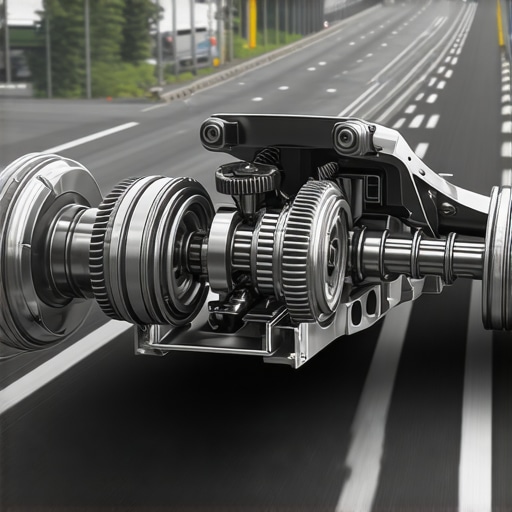
I vividly recall the moment I found myself merging onto the highway, only to feel my car suddenly lose its grip—transmission slipping out of gear when I needed it most. That sinking feeling where you’re unsure if your vehicle will respond next can turn a routine drive into a stressful gamble. At the time, I thought it was just a minor glitch that would fix itself, but as days went by, the problem persisted, growing more frustrating—and dangerous. I learned the hard way that ignoring transmission issues during highway merging isn’t just inconvenient; it can compromise your safety.
Understanding Why Your Transmission Acts Up During Merging
If you’ve experienced a similar issue, you’re not alone. Many drivers encounter transmission slipping specifically while merging onto busy roads or during high-stress driving scenarios. This problem often results from internal wear, fluid degradation, or mechanical failures that become noticeable under the added pressure of merging. Recognizing the signs early can save you from costly repairs later.
Is Transmission Slipping During Merging Really That Serious?
I used to dismiss these episodes as minor hiccups—until I realized that my early mistake was neglecting regular maintenance checks. A simple oversight like ignoring regular fluid changes can accelerate wear and lead to unexpected failures. For an in-depth understanding of maintaining your transmission, check out top transmission repair tips for long-term vehicle reliability.
This issue not only causes inconvenience but might also signal impending serious damage. In the next sections, I’ll guide you through the common causes of transmission slipping during highway merging and, more importantly, how to address them before they turn into expensive repairs. Ready to reclaim your driving confidence? Let’s get started.
Check Your Transmission Fluid Levels and Condition
The first action I took was pulling into my driveway after noticing consistent slipping. I opened the hood and located the transmission fluid dipstick, which in my car is similar to checking oil but specific for transmission. I pulled out the dipstick, wiped it clean, reinserted it, and checked the level. My fluid was below the recommended range and looked dark and gritty, indicating the need for a fluid change. Ensuring proper fluid levels and clean fluid is essential because dirty or low fluid acts like thickening oil, making it harder for the transmission to engage smoothly. For comprehensive guidance, see top transmission repair tips for long-term vehicle reliability.
Replace or Top Up Transmission Fluid
Once I confirmed low or dirty fluid, I decided to replace it entirely. I sourced the correct transmission fluid for my vehicle—usually specified in the owner’s manual—and carefully drained the old fluid through the drain plug, collecting it in a safe container. Afterward, I refilled with fresh fluid, using a funnel for precision, until the level reached the marked indicator. This basic step often solves slipping issues by restoring proper hydraulic pressure within the system. Think of it like watering a plant; clean, adequate water ensures healthy growth. For more service checks that extend your vehicle’s life, visit essential car service checks to extend your vehicle’s life.
Perform a Transmission System Scan for Fault Codes
After fluid replacement, I used a scan tool—a device like a stethoscope for vehicles—to check for any stored fault codes in my car’s computer. Connecting it to the OBD-II port, I read codes related to transmission sensors, solenoids, or mechanical failures. Even minor error codes can point to underlying issues, and addressing them before they escalate saves money and safety. This step reminded me that modern vehicles communicate issues clearly if you have the right diagnostic tools, akin to a doctor reading vital signs. For troubleshooting tips, check the ultimate guide to auto repair.
Inspect Transmission Filter and Internal Components
If after fluid change and diagnostics the issue persisted, I considered more in-depth inspection—particularly replacing the transmission filter if accessible. This filter acts like a blood filter, catching debris and preventing blockages. To do this, I carefully removed panels to access the transmission pan, drained any remaining fluid, and replaced the filter with a new one. While doing this, I inspected internal parts for wear, cracks, or damage. Missing or worn components can cause slipping, especially under high load like highway merging. For specific repairs, visit restoring your car to perfection.
Use a Hydraulic Transmission Reconditioning Additive
In cases where mechanical parts are healthy but performance remains sluggish, adding a hydraulic transmission conditioner can help. I chose a reputable additive designed to liquefy sticky solenoids and restore hydraulic pressure, much like using a lubricant to free a stiff hinge. After following the product instructions—generally pouring into the transmission dipstick tube—I tested drive performance. This simple step often extends the life of existing parts and smooths out shifting behavior, saving the cost of a full rebuild. For more insights on fluid additives, see the simple fluid swap that stops your gearbox from whining.
Test Drive and Monitor Performance
Finally, I took my car for a controlled test drive, focusing on highway merging scenarios to ensure the issue was resolved. I accelerated onto the highway, paid attention to gear engagement, and listened for slipping sounds or hesitation. Additionally, I kept an eye on the dashboard for any warning lights or error codes. Regular monitoring after maintenance prevents surprises and ensures your repair was effective. Remember, consistency in checks—like observing how your car responds over multiple drives—can reveal persistent issues that need further professional attention. For safety and maintenance tips, explore 3 things that will fail your state inspection instantly.Many drivers assume that automotive maintenance is straightforward—just follow the recommended schedules and trust your mechanic. However, there’s a hidden nuance that many overlook, leading to costly mistakes and even safety risks. In my experience, one common misconception is that if your car seems to run fine, there’s no need for deep inspection. But according to automotive experts, like those at CollisionRenew, subtle signs of transmission wear often go unnoticed until a major failure occurs.
Another myth is that using generic or cheap replacement parts always suffices. In reality, relying solely on low-cost parts can accelerate internal component degradation, especially in critical systems like the transmission or braking mechanisms. This is particularly true if the parts do not meet OEM specifications, which can compromise safety and performance. Regularly consulting comprehensive maintenance checks can prevent these pitfalls.
An often-overlooked aspect is the importance of correct fluid maintenance. Many assume topping off transmission fluid is enough, but as I found out firsthand, using the wrong type or neglecting fluid condition can cause shifting issues and diminish vehicle reliability. Modern vehicles require specific fluid formulations, and neglecting this detail is a common mistake. Studies, like those highlighted in industry reports, show that improper fluid management significantly shortens transmission lifespan.
Here’s a question for advanced readers — How does microbial contamination in transmission fluid impact the internal components, and what are the advanced diagnostic techniques to detect this? Microbial growth, though often neglected, can cause corrosion and clogging inside transmission channels. Experts suggest that using specialized diagnostic tools, such as advanced chemical analysis, can identify such issues early, avoiding catastrophic failures. For more insights, explore deep diagnostic methods.
Finally, a crucial but often ignored detail is the significance of aligning recent repairs with proper calibration procedures. Many assume that replacing components like sensors or solenoids automatically restores full functionality. However, without proper calibration or programming, these parts might not operate correctly, leading to persistent issues. As supported by experts at CollisionRenew, ensuring calibrated integration is essential for optimal performance.
In essence, understanding these nuanced aspects of auto repair can dramatically extend your vehicle’s life and safety. Have you ever fallen into this trap? Let me know in the comments.
Keep It Running: My Top Maintenance Tools
Maintaining your vehicle’s transmission and other critical systems requires precision tools you can trust. I personally rely on a high-quality OBD-II scanner like the BlueDriver for diagnostics because it provides detailed fault code reports and real-time data, enabling me to catch issues before they escalate. When dealing with transmission fluid changes or filter replacements, I use a fluid pump with adjustable pressure to avoid messes and ensure precise refills, which is crucial for long-term reliability. For physical repairs, a torque wrench set calibrated to manufacturer specs ensures nuts and bolts are tightened correctly, preventing future leaks or part failures.
In addition, I keep a long-reach inspection mirror and a flexible flashlight in my toolkit. These allow me to examine hard-to-reach components like the transmission pan or internal filters without extensive disassembly. For cleaning, a ultrasonic degreaser has proven invaluable in removing stubborn grime from small parts and sensors, ensuring optimal performance during reassembly.
Software That Keeps Me Ahead
Beyond physical tools, managing long-term vehicle health heavily depends on good software. I use specialized diagnostic software that connects via Bluetooth to my scanner, giving me insight into transmission behavior over time. These programs can log data, identify patterns, and predict potential failures—transforming reactive repairs into proactive maintenance. I also subscribe to updates from the manufacturer’s service bulletins, which often include critical repairs or updates that can extend your vehicle’s lifespan.
Predicting Future Trends in Vehicle Upkeep
Looking ahead, vehicle maintenance technology is set to become even more integrated. The trend points toward predictive analytics powered by AI, which will analyze sensor data and wear patterns to forecast issues before they occur. This proactive approach will not only save money but also enhance safety and vehicle longevity. Embracing these advancements now can position you as a smart owner who keeps their car performing at its best for years to come.
How do I maintain my vehicle’s health over time?
Routine inspections, using the right diagnostic tools, and staying updated with software releases are essential. Schedule regular checks of transmission fluid and filters, and don’t hesitate to consult advanced diagnostic programs to identify issues early. Combining manual inspections with smart technology ensures a comprehensive maintenance strategy that keeps your vehicle dependable and safe.
Ready to take your auto maintenance to the next level? Try integrating an OBD-II scanner with diagnostic software and set a schedule for routine data analysis. It’s a game-changer for maintaining peace of mind on every drive.

 }#}##}